

A beginner’s guide to rugby fives hand positioning
Rugby Fives is a fast, skillful wall game in which small changes in hand position can affect control, pace, height, and direction. Beginners often focus on swinging harder, yet a stable hand shape and relaxed contact usually create a more reliable shot.
The aim is to present a firm surface to the ball without making the hand rigid. Your fingers, thumb, wrist, elbow, and shoulder should work together, allowing you to react quickly as the ball rebounds from the front or side walls.
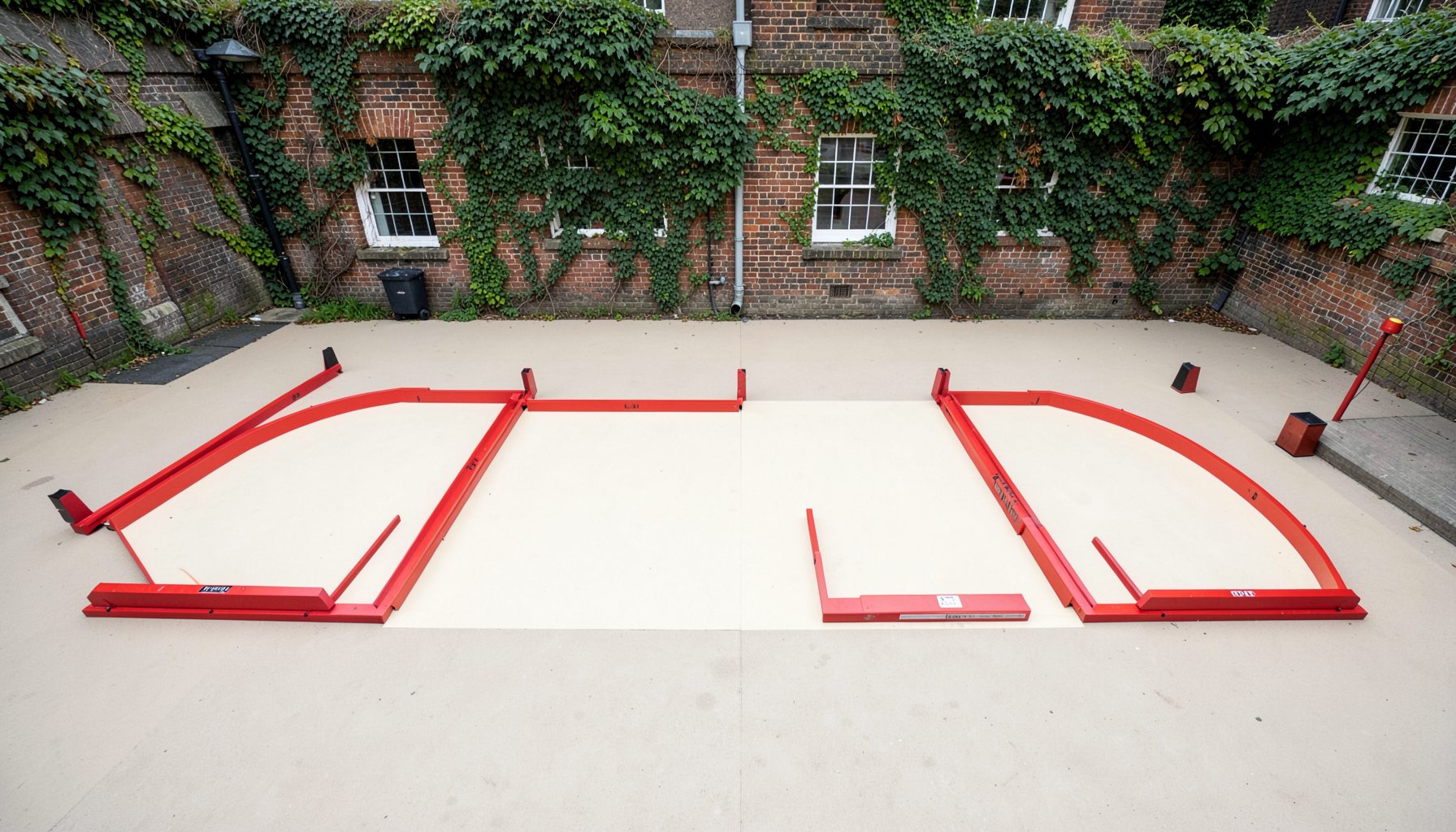
Before practising technique, it helps to understand what Fives involves, including the court layout, scoring, and basic rules. With that foundation, hand positioning becomes easier to connect with movement and shot selection.
Why hand position matters
The ball can arrive at different speeds, angles, and heights, so there is no single hand shape for every situation. A relaxed open hand is useful for controlled returns, while a slightly firmer, more compact shape can help produce pace when you have time to set up.
The striking surface should be consistent. If the ball catches the fingers, wrist, or heel of the hand unexpectedly, it may travel with unwanted spin or lose height. Beginners should aim to meet the ball with the broad, comfortable area of the palm and lower fingers, adjusting subtly rather than changing the whole swing.
Good positioning also protects the arm. A locked wrist or tense grip can transfer unnecessary strain into the forearm and shoulder. Keeping the hand responsive allows the wrist to absorb small variations in the rebound, which is especially important during quick exchanges close to the wall.
Start with a relaxed ready position
Stand with your feet approximately shoulder-width apart and keep your knees slightly bent. Hold both hands in front of your body, around waist to chest height, with the palms facing forward or slightly inward. This gives you a neutral starting point for either a forehand or backhand response.
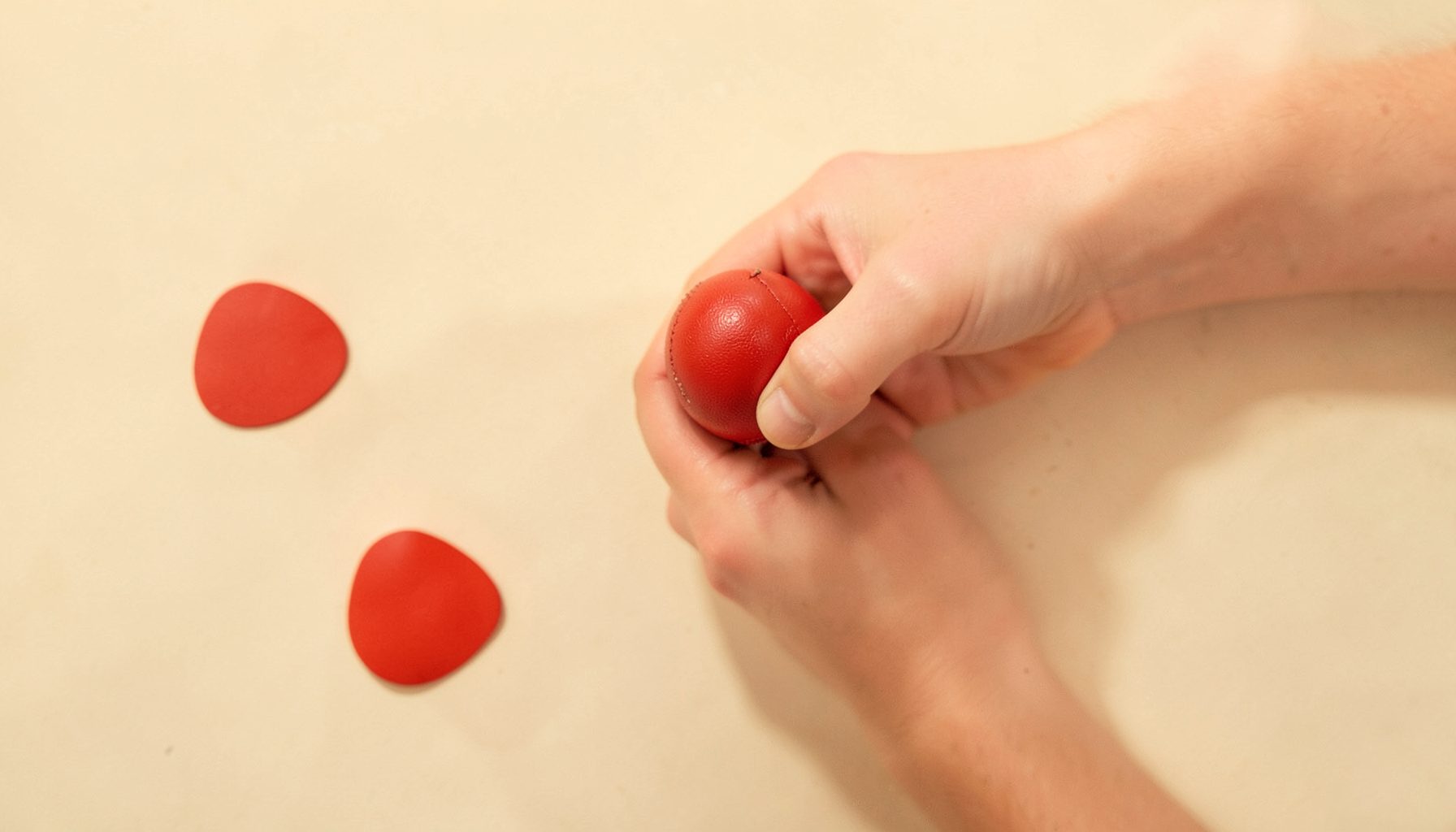
Keep the fingers together or comfortably close, rather than spreading them widely. A broad, unified hand presents a more predictable surface and reduces the chance of the ball slipping between the fingers. The thumb should remain relaxed and supportive, not pressed tightly into the palm.
Avoid holding the hand in a permanent fist. A clenched hand limits touch and makes it harder to adjust when the ball arrives at an awkward height. Think of the ready position as active and flexible: the arm is prepared, the wrist is loose, and the hand can change shape in an instant.
Build the basic striking shapes
For a straightforward forehand, turn the shoulder and allow the arm to travel naturally toward the target. Keep the palm behind the ball at contact, with the wrist steady but not stiff. The fingers should point generally in the direction of the intended return, helping the hand stay aligned through the hit.
The backhand requires more awareness because the striking side of the hand is less familiar to many beginners. Rotate the shoulder and upper arm rather than reaching only with the wrist. Keep the hand broad, bring the knuckles or palm area toward the ball according to the shot you are practising, and finish with the arm moving toward the target.
Contact should happen in front of the body whenever possible. Reaching too far behind you makes the wrist collapse and reduces control. If the ball is close to the body, move your feet first so the hand has enough space to present a clean surface.
Practise both shapes slowly against a nearby wall. Start with gentle rebounds and concentrate on clean contact. Once the movement feels repeatable, add pace while preserving the same hand alignment.
Adjust to height, pace, and angle
A low ball usually calls for a lower body position rather than a dramatic downward movement of the hand. Bend the knees, keep the chest balanced, and bring the striking hand underneath the ball’s path. This helps lift the return without scooping excessively.
For a high ball, avoid raising the hand with a locked elbow. Move underneath the rebound and use a comfortable, open palm position. The shoulder should stay relaxed so you can guide the shot rather than simply block it.
When the ball is fast, shorten the preparation. A compact hand and a small backswing give you more time to react. When the ball is slow, you can use a longer arm movement, but keep the hand shape stable from preparation through contact.
| Situation | Hand position | Main focus |
|---|---|---|
| Gentle practice rebound | Open, relaxed palm | Clean contact |
| Fast return | Compact hand with steady wrist | Short preparation |
| Low ball | Broad hand beneath the ball | Bend the knees |
| High ball | Open hand with relaxed shoulder | Move into position |
| Backhand response | Firm, comfortable striking surface | Turn the body |
These adjustments should feel gradual. Avoid trying to control every shot with the wrist alone. Footwork and body position create the space in which the hand can work effectively.
Connect hand position with movement
A well-positioned hand cannot rescue poor balance. As soon as the ball leaves the wall, track its direction and begin moving early. Small adjustment steps are usually better than one large lunge because they help you arrive square to the ball.
Keep the non-striking hand involved. It can help with balance, judge distance, and prepare the shoulders for rotation. On a forehand, the opposite hand may point or extend briefly as the body turns; on a backhand, it can help maintain posture while the striking arm moves across the body.
Try to arrive with the feet set before contact, even if the position is only held for a moment. The striking hand should then travel from a stable base. If you are still falling, twisting, or crossing your feet as the ball arrives, reduce the pace of the drill and rebuild the movement pattern.
Wall awareness matters too. A shot aimed toward a side wall may need a slightly different hand angle from one directed straight toward the front wall. Use the palm and fingers to guide direction, while the body supplies most of the power.
Correct common beginner errors
One frequent error is slapping at the ball with a loose, uncontrolled hand. The solution is not to stiffen the entire arm. Instead, keep the fingers together, steady the wrist at contact, and shorten the swing until the ball meets the intended surface consistently.
Another mistake is striking with the fingertips. This often happens when the player reaches late or stands too close. Create more space with a step, keep the elbow comfortably bent, and let the palm or lower fingers meet the ball in front of the torso.
Beginners may also turn the hand too far during the swing, adding unpredictable sidespin. Practise finishing with the palm and forearm aligned toward the target. A neutral return is valuable while you develop accuracy; advanced variation can come later.
Use these simple practice priorities:
- Rehearse open-palm contacts at low speed before hitting hard.
- Keep the fingers together and the wrist comfortably firm.
- Move the feet to create space instead of reaching with the arm.
- Practise forehand and backhand responses in equal amounts.
- Record a few rallies to check whether contact occurs in front of the body.
Make practice purposeful
A short, focused session is more useful than repeatedly striking until technique deteriorates. Spend a few minutes on stationary hand shapes, then add gentle wall rebounds and movement. Finish with controlled rallies where the goal is to keep the ball playable rather than to win every exchange.
A partner can feed balls to different areas of the court while you call the intended return: low forehand, high backhand, front-wall drive, or defensive lift. This develops decision-making as well as hand control. Increase speed only when your positioning remains calm and repeatable.
Coaching can provide valuable feedback on grip, wrist alignment, court movement, and legal technique. Clubs, schools, and Rugby Fives Association activities offer opportunities to practise with players who can demonstrate the sport’s range of shots and help you adapt to real match conditions.
Build confidence through consistent habits
Effective hand positioning is less about forcing a perfect shape and more about repeating a dependable sequence: watch the ball, move early, set the body, present the hand, and follow through toward the target. That sequence gives beginners a clear framework while leaving room for personal style.
Use the next few sessions to judge success by clean contact and controlled placement. Power will develop naturally as your timing improves. A relaxed hand, balanced stance, and accurate preparation will help you respond to faster rallies with greater confidence.
Find a local court, attend a coaching session, or connect with a Rugby Fives club through the Rugby Fives Association. Regular practice with guidance will turn these basic hand-positioning principles into instinctive match skills.