



Rugby Fives Rules Explained For First-Time Players
Rugby Fives is a fast, skilful wall game played with a soft leather ball and the hands. It takes place in a four-walled court, where players strike the ball against the front wall and force an opponent into making a mistake. The sport is closely related to other forms of Fives, but its court layout, ball and playing customs give it a distinct character.
The basic aim is simple: keep the rally alive, return the ball legally and make it difficult for the other player or pair to do the same. A beginner can learn the essential rules quickly, then develop judgement through regular games.
The details of scoring, serving and court markings can vary slightly between competitions, clubs and age groups. Official Rugby Fives Association regulations apply at recognised events, so players should check the rules for a particular championship or tournament. The principles below provide a reliable starting point for casual and organised play.
The Court And Equipment
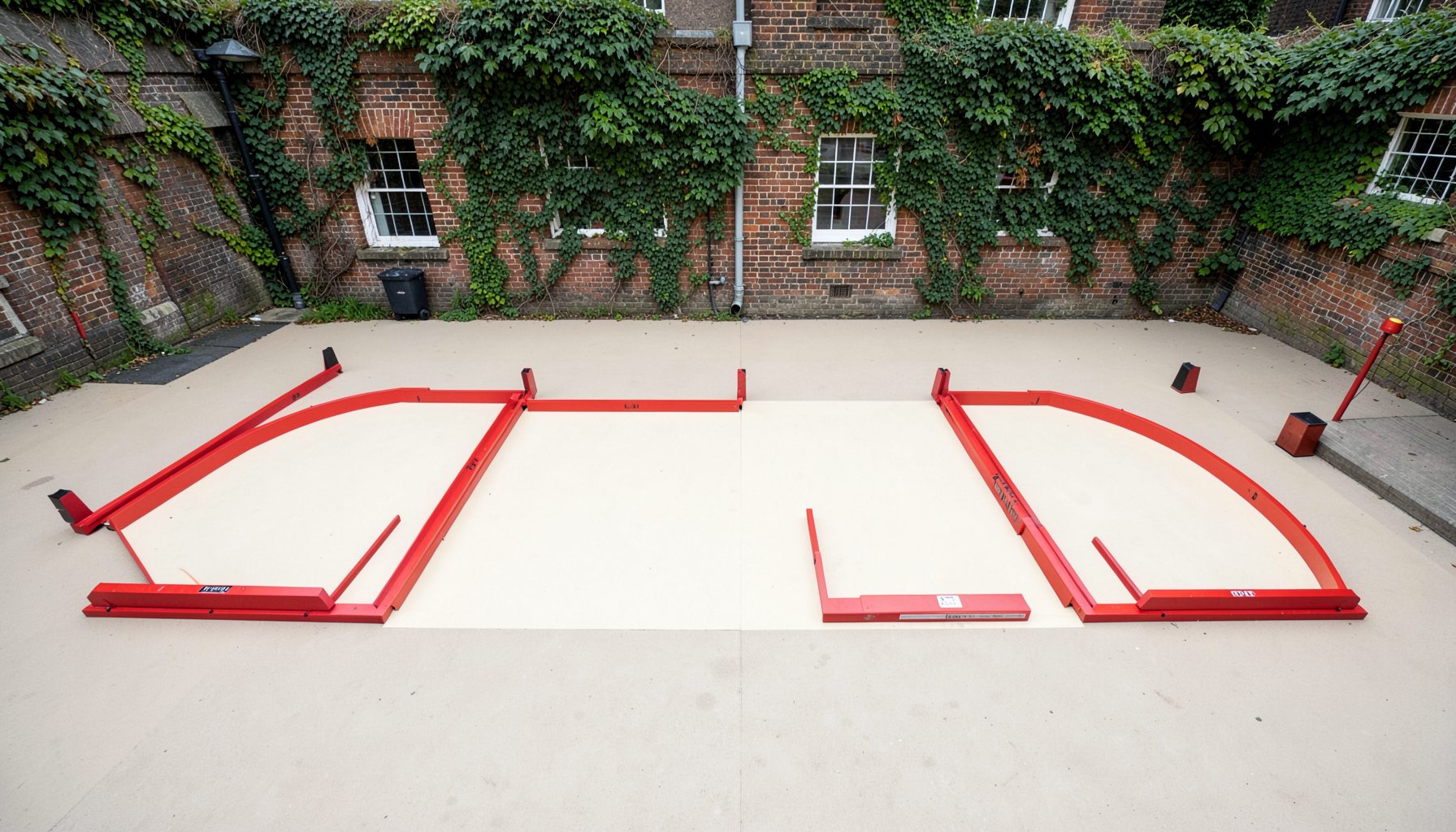
A Rugby Fives court has four walls: a front wall, two side walls and a back wall. The front wall contains a horizontal line or board that helps determine whether a shot is valid. The playable area also includes floor markings that identify service and receiving zones. Walls, corners and the floor all become part of the game, creating angles that are difficult to read from outside the court.
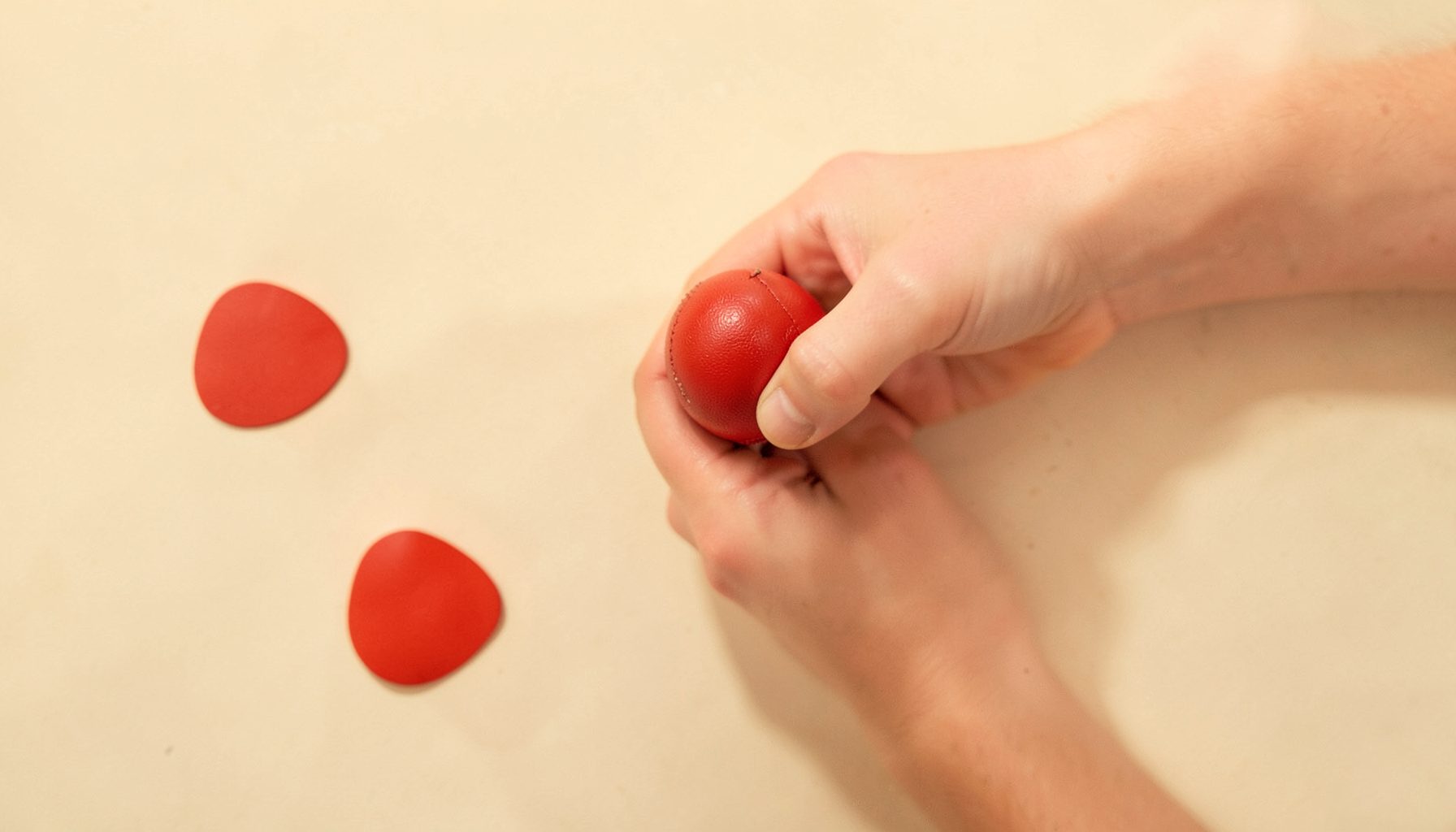
The ball is designed to be struck with the hand rather than a racket or bat. Players generally use their bare hands, although beginners may need time to become comfortable with the impact. Suitable indoor sports clothing and non-marking shoes are important, since quick changes of direction and sudden stops are common.
Before starting, inspect the court for loose surfaces, damp patches or damaged walls. Players should also remove rings, watches and other items that could cause injury. A short warm-up for the wrists, shoulders, legs and ankles is especially useful for new players.
The Aim Of A Rally
One player starts the rally by serving. The opponent must then return the ball before it bounces twice on the floor. A legal return normally requires the ball to reach the front wall above the marked line, either directly or after using another wall where the rules permit that route.
Once the ball has come off the front wall, it can travel around the court. Players may use the side walls and back wall to create angles, slow the ball or move an opponent away from the best position. The rally continues until a player fails to make a legal return, allows a second bounce or hits the ball out of play.
A player may strike the ball with either hand. The contact should be a clear hit rather than a catch, scoop or prolonged carry. Double hits and deliberate handling are faults. Good beginners focus first on returning the ball high and safely, rather than attempting difficult attacking shots.
Serving And Receiving
The serve begins from the designated service area. The server must deliver the ball to the front wall in the correct way, keeping it above the service line and within the required receiving area. The precise position and bounce requirements should be confirmed before a competitive match, since local formats may use different court markings.
A serve that fails to meet the required height, direction or landing conditions is a fault. Depending on the competition rules, the server may receive another attempt or lose the service. In traditional hand-in, hand-out scoring, only the player or pair holding the service can win a point; a losing server gives the opponent the right to serve.
The receiver should stand ready to move forward, back or across the court. Watching the server’s hand and the ball’s angle is more useful than staring at the wall. A controlled return to the centre of the front wall often gives a beginner time to recover position.
| Situation | What A Beginner Should Do | Common Fault |
|---|---|---|
| Starting a rally | Serve from the correct area and hit above the front-wall line | Serving below the line or outside the required area |
| Returning the ball | Strike it before the second bounce and send it legally to the front wall | Letting it bounce twice |
| Using the walls | Use side and back walls when the ball still reaches the front wall legally | Hitting a shot that never reaches the front wall |
| Making contact | Use a clean, deliberate hit with either hand | Catching, carrying or double-hitting |
| Playing doubles | Communicate and avoid obstructing a partner or opponent | Blocking a player’s route or swing |
| Finishing a rally | Stop when the ball is out, dead or impossible to return | Continuing after the rally has ended |
Scoring And Match Play
Rugby Fives scoring commonly uses games played to 11 points, often within a best-of-three match. A player or pair usually needs a clear winning margin, although the exact finishing score and tie-break arrangement depend on the event regulations. Some social games use a simplified format so that several matches can be played in one session.
The serving system matters because a rally may change possession without immediately changing the score. Beginners should agree before play whether they are using traditional service-based scoring or a competition format with rally scoring. This prevents confusion when a receiver wins an exchange.
At the start of a match, players normally decide who serves first by a toss or another fair method. Players change ends according to the applicable rules, particularly in formal matches where lighting or court conditions may favour one side. The score should be called clearly before each serve.
Singles And Doubles Tactics
Singles gives each player responsibility for the entire court. Positioning is central: after hitting the ball, move towards a balanced central position that allows access to both sides. A shot aimed deep into a corner can be effective, but a weak attempt may leave the striker exposed.
Doubles adds communication and movement challenges. Partners should decide who takes balls in the middle and call clearly when moving towards a shot. Standing too close together leaves open space, while standing too deep can make short returns difficult. After each hit, both players should recover into useful positions rather than watching the ball.
In either format, accuracy is usually more valuable than power. A high, controlled shot can create time, while a hard shot without direction may rebound into an easy position for the opponent. As players gain confidence, they can experiment with low drives, boasts and wall angles.
Faults, Lets And Fair Play
A rally ends when the ball bounces twice, goes out, fails to reach the front wall correctly or is struck illegally. A player can also lose the rally by hitting the ball into an invalid part of the front wall. The exact treatment of a ball touching a line should be agreed under the governing rules for the court and competition.
Interference requires particular care. Because players share a confined space, one player may block another’s view, swing or route to the ball. If a reasonable shot is prevented, the umpire may stop the rally and award a let or apply another appropriate decision. Deliberate obstruction is unacceptable, while accidental contact should be handled calmly and safely.
Players should call “let” or stop play when there is a genuine safety concern. Never swing through another person, even when trying to reach a difficult return. Honest calls, respect for officials and a willingness to replay an uncertain point help preserve the welcoming spirit of Rugby Fives.
Habits That Help New Players
Learning the rules becomes easier when players practise the same routines in every session. These simple habits build court awareness while reducing avoidable faults:
- Watch the ball through contact instead of turning immediately towards the target.
- Recover towards the centre after each shot unless a deliberate attacking position is needed.
- Use a relaxed hand and a compact swing to improve control.
- Call clearly in doubles, especially when taking a ball near the middle.
- Ask a coach or experienced player to explain local scoring and service markings before a match.
Regular coaching can also improve footwork, serving technique and safe movement. School sessions and club practices are useful because beginners can repeat the basic return without the pressure of a full championship match. Over time, players learn to recognise the ball’s speed, spin and rebound from each wall.
Rugby Fives rewards concentration as much as athletic ability. A player who reads the angle early and reaches the ball in balance will often outperform someone who relies only on strength. Patience, accurate placement and good positioning form the foundation for competitive play.
Visit the Rugby Fives Association to find clubs, coaching opportunities, school programmes, fixtures and events near you. Step onto a court, learn the local format, and build your first rally through practical play.