



A Day Behind the Scenes at a Rugby Fives Tournament
Before the first ball is struck, a tournament organiser has already made hundreds of decisions. Court bookings, player entries, draws, officials, equipment, safeguarding, refreshments, and emergency plans all need to fit together with enough flexibility to handle the unexpected.
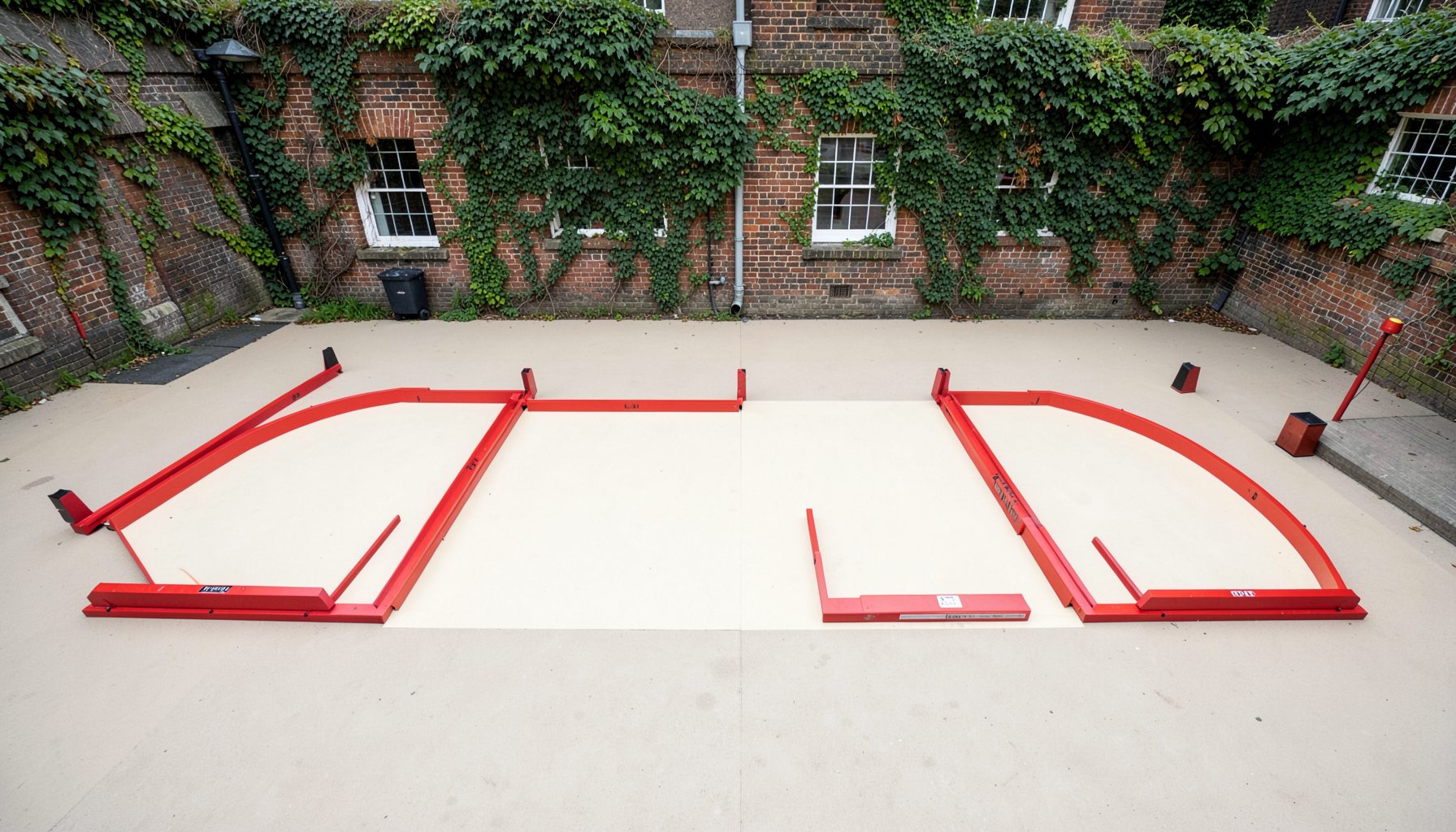
Rugby Fives is played in a compact court, but a successful competition requires a wide network of people. Players arrive from different clubs and schools, referees and markers need clear instructions, and volunteers must know where to be and when. The organiser becomes the central point connecting every part of the event.
The day is a practical blend of preparation, communication, sports administration, and hospitality. It is also an opportunity to strengthen the Fives community by giving experienced competitors, new players, coaches, and spectators a well-run occasion to remember.
Before The First Match
The working day often starts before sunrise. At the venue, the organiser checks that courts are open, clean, and safe, then confirms that changing rooms, toilets, first-aid supplies, score sheets, and signage are ready. A small detail, such as a missing court key or unclear entrance sign, can create delays throughout the schedule.
The registration desk is usually the operational hub. The organiser checks arrivals against the entry list, records withdrawals, confirms player categories, and answers questions about warm-up times and match procedures. Late arrivals may require a draw adjustment, so the organiser needs both an accurate schedule and the authority to make sensible changes.
A tournament briefing brings officials and volunteers together. It covers scoring, court rotation, time limits, dispute resolution, safeguarding, and communication protocols. Clear instructions help markers work consistently and allow the organiser to focus on the wider flow of the competition rather than solving the same problem repeatedly.
Building A Fair Competition
The draw is one of the most important pieces of tournament administration. Organisers must balance competitive fairness with practical demands such as court availability, player numbers, age groups, and travel arrangements. A good format may use round-robin pools, knockout stages, plate competitions, or a combination that gives competitors several meaningful matches.
Rankings and previous results can help create balanced groups, but they are not the only consideration. A junior tournament may prioritise participation and development, while an elite event may require seeded matches and strict progression rules. The organiser must understand the purpose of the competition and communicate the format in plain language.
Digital spreadsheets and tournament software can make scheduling easier, although many organisers still keep printed backups. The live draw, match board, and results record should agree at every stage. Accuracy matters because one incorrect score can affect standings, semi-final pairings, and championship outcomes.
Keeping The Schedule Moving
Once play begins, time becomes the organiser’s most visible responsibility. Matches may finish early, run beyond their expected duration, or be interrupted by an injury or equipment issue. The aim is to keep courts active without rushing players or creating confusion about the next fixture.
The organiser monitors results as they come in, updates the order of play, and makes announcements when competitors need to report. Volunteers may collect score sheets while another official updates a display board or online results page. Regular communication reduces the chance of players missing their call.
A calm manner is especially valuable when pressure rises. A delayed match can affect several courts, but moving fixtures too aggressively can leave players unprepared. Good tournament management involves making small adjustments early, explaining them clearly, and protecting the integrity of the competition.
| Tournament Need | Organiser’s Responsibility | Useful Support |
|---|---|---|
| Player registration | Confirm entries, withdrawals, and categories | Entry list and registration desk |
| Match scheduling | Allocate courts and manage delays | Draw software and printed schedule |
| Scoring | Record accurate results and standings | Score sheets and trained markers |
| Player welfare | Respond to injuries and concerns | First-aid kit and safeguarding plan |
| Communication | Announce fixtures and changes | PA system, noticeboard, or messaging |
| Event records | Preserve draws, scores, and winners | Digital archive and verified results |
Looking After Players And Officials
A tournament is judged by competitive standards, but also by how people are treated. The organiser makes sure players know where to find water, rest areas, first aid, and event information. In a school or youth setting, safeguarding procedures and responsible adult supervision are essential parts of the plan.
Officials need support as well. Markers and referees may be working for several hours, often with little time between matches. Rotating duties, providing refreshments, and checking that officials understand the scoring system helps maintain concentration and consistency.
Inclusive participation also requires practical attention. Clear communication about facilities, access arrangements, equipment, age categories, and behavioural expectations can make the event more welcoming. The national governing body provides a wider connection between clubs, schools, coaches, players, and volunteers, while the local organiser turns those values into visible action at the venue.
Solving Problems Without Losing Focus
No tournament runs exactly as planned. A player may withdraw after the draw, a court may become unavailable, or a match may produce a disagreement over the score. Weather can affect travel, and a medical issue may require a temporary pause. The organiser needs contingency plans, but also the judgement to apply them proportionately.
Disputes should be handled through the published rules and a consistent process. Listening carefully, checking the score sheet, and involving the appropriate official is usually more effective than making a quick public decision. Players are more likely to accept an outcome when they can see that the process is fair.
Small logistical problems are common too. Spare balls, replacement pens, printed draws, tape, chargers, and extra signage can save valuable time. Experienced organisers prepare a tournament kit because simple supplies often become essential once play is underway.
Recording The Story Of The Event
When the final match ends, the organiser’s work continues. Results must be checked, winners confirmed, trophies or certificates presented, and any outstanding scores entered into the competition record. Photographs and brief reports can help clubs and schools celebrate participation beyond the venue.
Historical records are particularly important in a specialist sport. Accurate results, champions, venues, and notable milestones help preserve the identity of Rugby Fives and give future players a connection with those who competed before them. A well-maintained archive also supports rankings, annual summaries, and publicity for the sport.
The post-event review is usually completed after the last player has left. Organisers note what worked, where delays occurred, whether the draw was suitable, and which volunteer roles need clearer instructions. This reflection turns one busy day into better planning for the next tournament.
Habits That Make The Day Easier
A reliable organiser does not depend on memory alone. Written schedules, role sheets, contact lists, and checklists allow volunteers to act confidently and make handovers easier. The following habits are especially valuable:
- Prepare a venue checklist covering courts, access, first aid, signage, equipment, and refreshments.
- Build time into the schedule for late arrivals, court changes, injuries, and presentation arrangements.
- Give every volunteer a defined role, a reporting point, and a simple way to contact the organiser.
- Keep paper copies of the draw, rules, emergency contacts, and score sheets alongside digital records.
- Review the event within a few days while details are still fresh, then save the final results securely.
The most effective tournament organisers combine precision with hospitality. They know when to follow the published format, when to ask an official for help, and when a small adjustment will protect the experience for everyone. Their success is visible in a competition that feels organised without feeling rigid.
A day in this role can be tiring, but it offers a distinctive reward. Players leave with completed matches, new rivalries, improved skills, and shared memories; volunteers gain confidence; clubs strengthen their connections; and the sport gains another carefully preserved chapter.
To support the next Rugby Fives competition, get involved through your club, school, or local tournament team, and help create the organised, welcoming events that keep the sport growing.