



A Parent’s Guide to Supporting a Child in Rugby Fives
Rugby Fives is a fast, engaging court sport that rewards quick reactions, accurate hand skills, movement, and thoughtful decision-making. Played against walls rather than over a net, it gives young athletes an unusual challenge: the ball can change direction quickly, and every shot creates a new tactical problem.
For parents, supporting a child in Rugby Fives is less about mastering every rule immediately and more about helping them enjoy regular practice, feel confident in a new environment, and develop at their own pace. Encouragement, reliable transport, suitable equipment, and a positive attitude can make a significant difference.
The Rugby Fives Association connects players, schools, clubs, coaches, and volunteers across the UK. Through competitions, coaching, school programmes, championships, and community activity, it provides opportunities for children to discover the sport and progress from a first session to organised matches.
Start With Enjoyment And Curiosity
A child is more likely to stay involved when Rugby Fives feels like an enjoyable activity rather than another performance test. Early sessions may involve missed shots, awkward rebounds, and plenty of movement. These experiences are normal. Praise effort, concentration, and willingness to try again instead of focusing only on winning points.
Ask your child what they liked about the session, which shot felt difficult, or whether they enjoyed playing with a partner. These open conversations help parents understand the experience without turning the journey home into a technical debrief. A few minutes of relaxed discussion can build confidence and show that their enjoyment matters.
Children also develop at different speeds. Some will be attracted by competition, while others prefer learning skills, meeting friends, or taking part in school sport. Allowing your child to discover their own reasons for playing can support long-term participation and reduce unnecessary pressure.
Understand The Basics Of The Sport
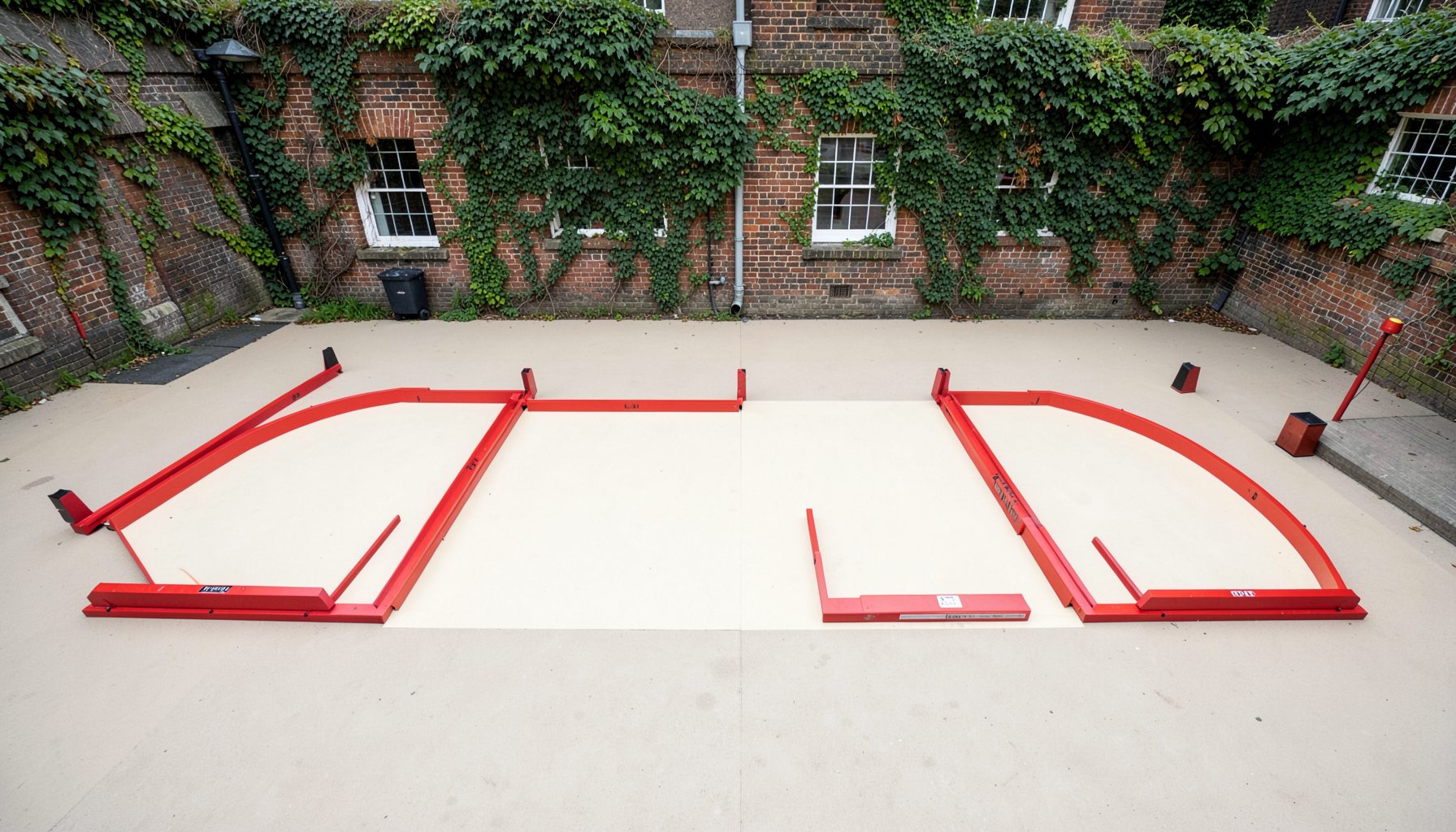
Rugby Fives is generally played in a four-walled court, with players striking a small ball with their hands so that it reaches the front wall above the telltale line. Depending on the format and venue, the game may be played as singles or doubles. Players need to react quickly, recover their position, and anticipate where the ball will travel next.
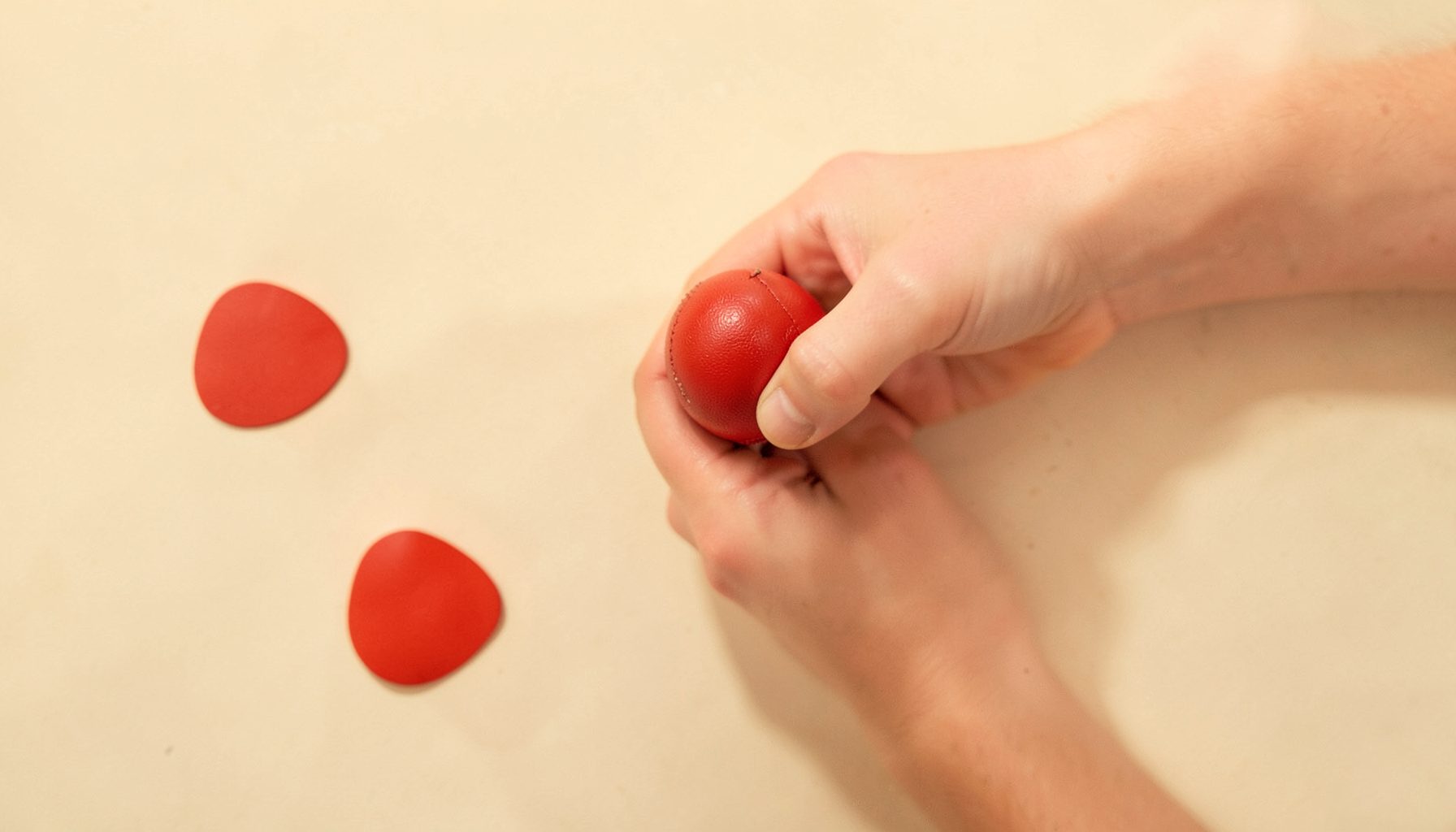
Protective gloves are commonly used, and a coach or club will usually explain the equipment and court rules before a child begins. Parents do not need to become experts at once. Learning a few basic terms and watching a session can make it easier to discuss progress and understand what a coach is teaching.
The sport develops hand-eye coordination, balance, agility, spatial awareness, and tactical thinking. Because points can change rapidly, children also learn resilience and composure. A player may lose a rally and immediately have another opportunity to make a better decision, which makes the game a useful setting for building mental strength.
Choose A Safe And Supportive Setting
A qualified coach should provide clear demonstrations, age-appropriate activities, and sensible progressions. Good junior coaching includes warm-ups, movement exercises, skill practice, games, and time for children to ask questions. Sessions should be organised so that beginners can participate confidently alongside more experienced players.
Safety begins with appropriate court behaviour. Children should understand when to enter or leave the playing area, where to stand during a rally, and why they must listen for instructions. Coaches should also monitor the condition of the court, ball, gloves, and footwear. Comfortable sports clothing and non-marking indoor shoes are usually practical choices, subject to the venue’s requirements.
| Area | What Parents Can Check | Why It Matters |
|---|---|---|
| Coaching | Experience with juniors and clear safety guidance | Supports confidence and sound technique |
| Equipment | Suitable gloves, ball, footwear, and clothing | Helps comfort, grip, and movement |
| Venue | Safe court access, supervision, and facilities | Creates a positive training environment |
| Progress | Regular feedback and achievable goals | Keeps development motivating |
| Communication | Clear session times, costs, and competition details | Makes participation easier to manage |
Parents should feel able to raise concerns about safety, supervision, or unsuitable pressure. A constructive club will welcome sensible communication and work with families to create a positive experience.
Build Skills Through Simple Habits
Children do not need lengthy extra training to improve. Short, regular activities can reinforce what they learn in coaching sessions. Gentle throwing and catching games, reaction exercises, footwork patterns, and target practice can all support hand skills without making practice feel like a formal lesson.
The most valuable habit is often consistency. Attending sessions regularly gives a child more chances to understand rebounds, judge distance, and develop court awareness. Missing an occasional session is unavoidable, but a predictable routine helps skills settle and makes it easier for friendships to grow.
Encourage your child to focus on one or two goals at a time. These might include moving back to a ready position, watching the ball closely, or using a controlled swing. Specific targets are easier to understand than general instructions such as “play better,” and they give children a clear sense of progress.
Support Competition In A Healthy Way
Tournaments, school fixtures, club matches, and championships can add excitement to Rugby Fives. Competition teaches children how to prepare, manage nerves, follow rules, and show respect to opponents. However, the first event should be treated as an experience to explore rather than a test of their ability.
Help with practical preparation by checking the venue, arrival time, clothing, drinks, snacks, and equipment in advance. Arriving calmly can prevent avoidable stress. If your child is unsure about scoring, match etiquette, or what happens between games, ask the coach to explain the format in language they can understand.
After a match, begin with supportive observations. You might mention good movement, persistence during a long rally, or respectful conduct. If your child wants technical feedback, let the coach provide it. Parents can protect enjoyment by keeping results in perspective and recognising that every competition offers useful experience.
Encourage Belonging And Wider Participation
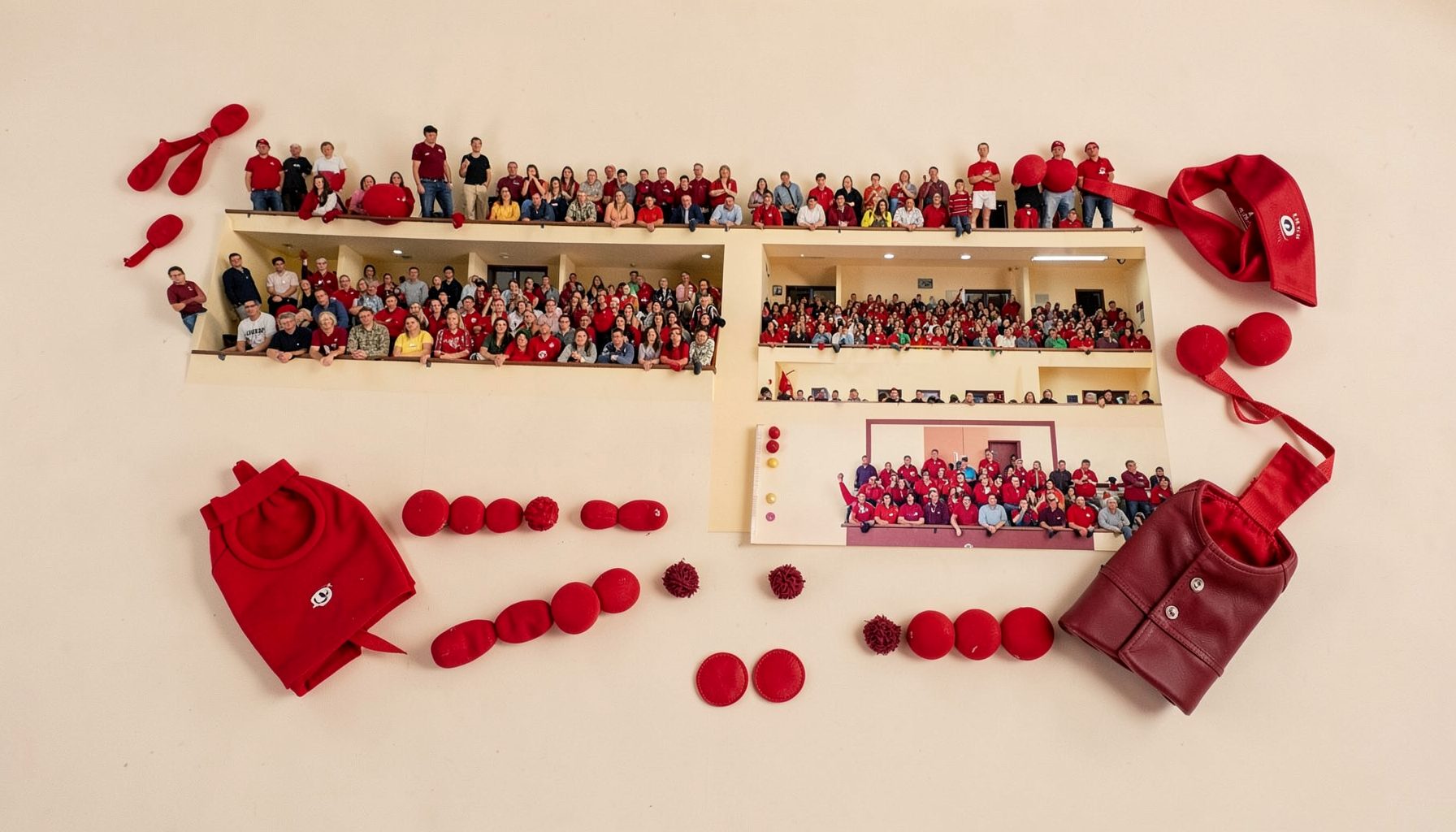
Rugby Fives has a strong community dimension. Children may meet players from different schools and clubs, take part in junior events, or become familiar with volunteers who help maintain competitions and records. These connections can make the sport feel like a shared activity rather than an isolated weekly class.
Inclusive participation matters as well. A child may need adjustments to session structure, communication, equipment, or competition arrangements. Families should discuss individual needs with coaches and organisers early, so practical support can be considered. A welcoming environment gives every young player a fair opportunity to learn and contribute.
Parents can support the wider sport by respecting officials, thanking volunteers, and helping children understand good sporting behaviour. Simple actions such as keeping courts tidy, arriving on time, and encouraging all players help clubs operate effectively and create a friendly atmosphere for new families.
Help Your Child Set A Sustainable Path
Progress does not have to follow a single route. Some children may remain recreational players, while others become regular competitors, school team members, junior champions, coaches, or volunteers. The right path depends on interest, age, confidence, available time, and access to facilities.
Review your child’s experience periodically, particularly after a busy competition period or a change in school routine. Look for signs of enthusiasm, tiredness, frustration, or renewed curiosity. Adjusting the number of sessions can preserve enjoyment and prevent sport from becoming an unwanted burden.
Useful ways to support steady development include:
- Keep a reliable weekly routine without making attendance feel punitive.
- Replace result-focused praise with encouragement about effort, decisions, and improvement.
- Make sure gloves, footwear, clothing, and drinks are ready before each session.
- Stay in regular contact with the coach about goals, confidence, and competition opportunities.
- Celebrate friendships, fair play, and commitment as part of sporting progress.
The Rugby Fives Association can help families discover clubs, schools, competitions, coaching opportunities, and events in the wider playing community. Exploring these pathways with your child may reveal a suitable next step, whether that is a first taster session or a place in a junior tournament.
Find The Right Next Step
A child’s first experience can shape how they view the sport for years. Patient encouragement, sensible expectations, and a supportive club environment allow young players to develop skills while enjoying the distinctive challenge of the Rugby Fives court.
Visit the Rugby Fives Association to learn about playing opportunities, junior activity, clubs, competitions, and ways to become involved. Help your child take that first step, attend a session together, and give them the chance to discover where Rugby Fives can lead.