



Celebrating Rugby Fives’ Unsung Club Heroes
Rugby Fives depends on far more than the players who step onto court. Behind every fixture, coaching session, school visit and championship is a network of people who give their time freely. They unlock doors, organise draws, repair equipment, update records, welcome newcomers and keep clubs connected.
These volunteers are often familiar faces whose work is easy to overlook because it happens before the first serve and after the final point. Their contribution gives the sport its rhythm, reliability and sense of belonging. Without them, many clubs would struggle to maintain regular play or offer opportunities to the next generation.
Club volunteers rarely seek applause. Their reward is often a well-run match, a young player gaining confidence or a former member returning to the court. Recognising their service helps the wider Rugby Fives community understand how much care is invested in sustaining the game.
The Work Behind Every Fixture
A fixture may appear simple to participants: arrive, warm up, play and record the result. In practice, volunteers have already spent hours confirming availability, arranging opponents, checking court access, communicating changes and preparing a welcoming environment. They may also coordinate transport, refreshments, officials and safeguarding requirements.
On match day, the same people can move between several roles. A club secretary manages correspondence, a fixture organiser solves last-minute problems, a referee keeps play fair and a results volunteer makes sure performances are recorded accurately. Each task is modest in isolation, yet together they create the structure that allows competition to flourish.
Reliable administration also protects the history of the sport. Rankings, fixtures and championship results provide a record of achievement across generations. Volunteers who maintain these details give players a sense of continuity and help clubs understand where they fit within the wider national game.
A Club Is Built Between Matches
The character of a Rugby Fives club is shaped in the spaces between competitive events. Volunteers organise social sessions, greet new members and remember the details that make people feel valued. They know which former players might enjoy a reunion, which juniors need encouragement and which beginners would benefit from a patient explanation of the rules.
This community-building work is especially important in a sport where newcomers may initially feel uncertain. A friendly welcome can turn a one-off visit into a regular habit. By introducing players to club customs, local fixtures and training opportunities, volunteers make participation feel accessible rather than intimidating.
Their contribution often extends beyond the court. Club committees may maintain relationships with schools, universities, leisure centres and community groups. These links create pathways into Rugby Fives and help clubs remain active in changing local circumstances.
Keeping Courts And Traditions Alive
The playing environment has a direct influence on how Rugby Fives is experienced. Volunteers may inspect walls and floors, report maintenance concerns, organise cleaning, source suitable balls and ensure that basic equipment is ready for use. Their practical attention helps protect safety and preserves the quality of play.
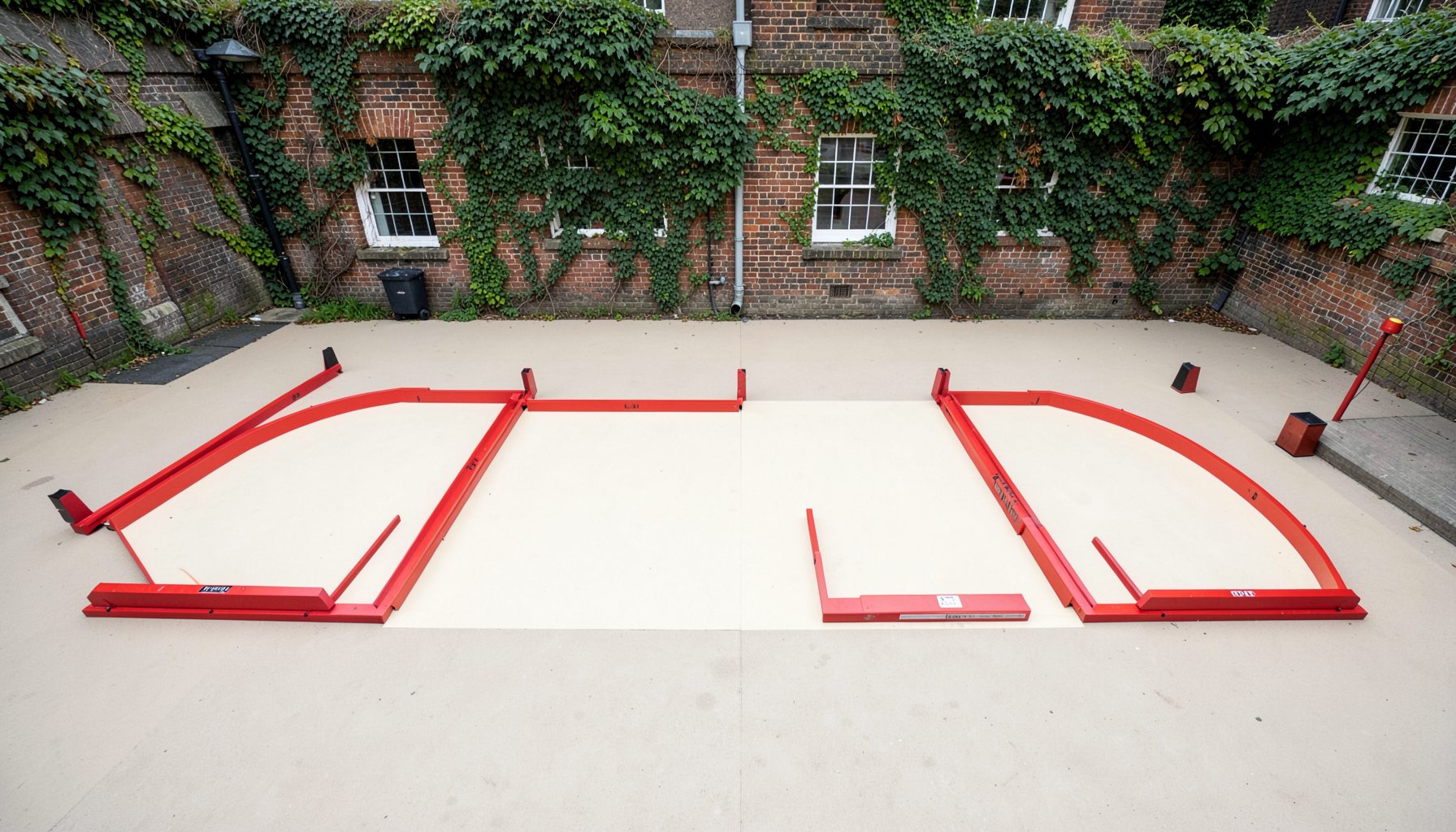
Court design has also changed over time, reflecting different building materials, available spaces and approaches to accessibility. The history of court design shows why careful stewardship matters. Volunteers are often the people who connect that history with present-day needs, balancing respect for tradition with sensible improvements.
They also preserve less visible traditions: handwritten scorebooks, club photographs, annual dinners, rivalry stories and memories of influential players. These details give the sport its identity. When volunteers document them, they ensure that a club’s culture remains available to people who have not yet joined.
Opening The Game To More People
Inclusive participation does not happen automatically. It requires people who are prepared to adapt sessions, explain techniques in different ways and remove practical barriers. Volunteers support beginners, juniors, returning players and those who may have had little opportunity to encounter the sport.
School programmes are a strong example. A volunteer coach might introduce pupils to the basic skills, coordinate equipment, liaise with teachers and encourage interested children to attend a club session. That first experience can lead to new friendships, competitive opportunities and a lifelong connection with Rugby Fives.
Community outreach brings similar benefits. Volunteers can represent the sport at local events, help clubs communicate clearly online and create welcoming pathways for families. Their work broadens the player base while strengthening the relationship between clubs and the communities around them.
The Value Of Different Volunteer Roles
Every club has different needs, and people contribute in different ways. Some prefer practical tasks, while others are comfortable with planning, communication, coaching or research. Recognising this range prevents volunteering from being seen as a single demanding commitment reserved for committee members.
| Volunteer role | Often unseen contribution | Benefit to players and clubs |
|---|---|---|
| Fixture organiser | Coordinates dates, opponents, courts and changes | More dependable competitive opportunities |
| Coach or session leader | Plans activities and supports individual progress | Greater confidence and skill development |
| Club secretary | Manages communication, records and administration | A stronger, more connected club |
| Court steward | Checks equipment, cleanliness and playing conditions | Safer, more enjoyable sessions |
| Archivist or historian | Preserves results, stories and photographs | A richer sense of identity and continuity |
A healthy volunteering culture makes room for small commitments. Someone who cannot join a committee may still welcome players, update a fixture notice, help with a junior session or take photographs at a tournament. These contributions accumulate and reduce pressure on the people carrying the largest responsibilities.
Clubs can also make volunteering more sustainable by sharing knowledge. Clear handovers, simple role descriptions and paired responsibilities help new helpers learn without feeling exposed. When tasks are distributed, enthusiasm lasts longer and the club becomes less dependent on one or two individuals.
Recognising Service With Purpose
Appreciation should be specific and regular. A general thank-you is welcome, but naming the work carried out by a volunteer shows that it has been noticed. Clubs can celebrate a person who has arranged years of fixtures, supported a school programme, maintained records or quietly kept a court ready every week.
Recognition can take many forms, from a presentation at an annual dinner to a profile in a club newsletter. A message from players after a tournament may mean just as much. The important point is to connect the appreciation with the difference the volunteer has made.
Good recognition also helps younger members see volunteering as part of sporting life. Players who understand the work behind their opportunities are more likely to contribute later, whether by assisting at junior sessions, becoming officials or joining a committee.
Practical Ways To Support Club Volunteers
Clubs can strengthen their volunteer network through straightforward habits:
- Create short, clear role descriptions for administration, coaching, events and court care.
- Pair new volunteers with experienced members for their first few tasks.
- Share calendars, templates and contact lists so essential knowledge is easy to access.
- Celebrate contributions throughout the season rather than waiting for an annual event.
- Invite players and families to help in small, manageable ways.
These measures make participation easier for people with work, study, caring responsibilities or limited confidence. They also communicate that volunteering is flexible. A club benefits from a wide circle of occasional helpers as much as from its core committee.
The Rugby Fives Association has an important role in connecting these local efforts with the national picture. By supporting clubs, coaches, schools and volunteers, it helps individual contributions reinforce one another. A fixture arranged in one town, a junior session delivered in another and a historic result carefully preserved elsewhere all form part of the same sporting network.
Every Rugby Fives club has people whose names may not appear on a score sheet but whose work makes those scores possible. Their patience, reliability and generosity deserve recognition from players, families and governing bodies alike.
If you volunteer at a club, thank you for the time and care you give to the game. If you are a player or supporter, take a moment to acknowledge the people who keep your sessions running, and offer a practical hand when the next fixture, coaching day or community event needs support. Together, clubs can ensure that these essential contributors feel valued and that Rugby Fives continues to thrive for future generations.