



Creating A Welcoming Rugby Fives Community
A first visit to a Rugby Fives court can feel exciting and unfamiliar. New players may be learning the rules, adjusting to the pace, and trying to understand where to stand while experienced participants appear completely at home. A friendly welcome can make the difference between someone attending once and becoming a regular member of the club.
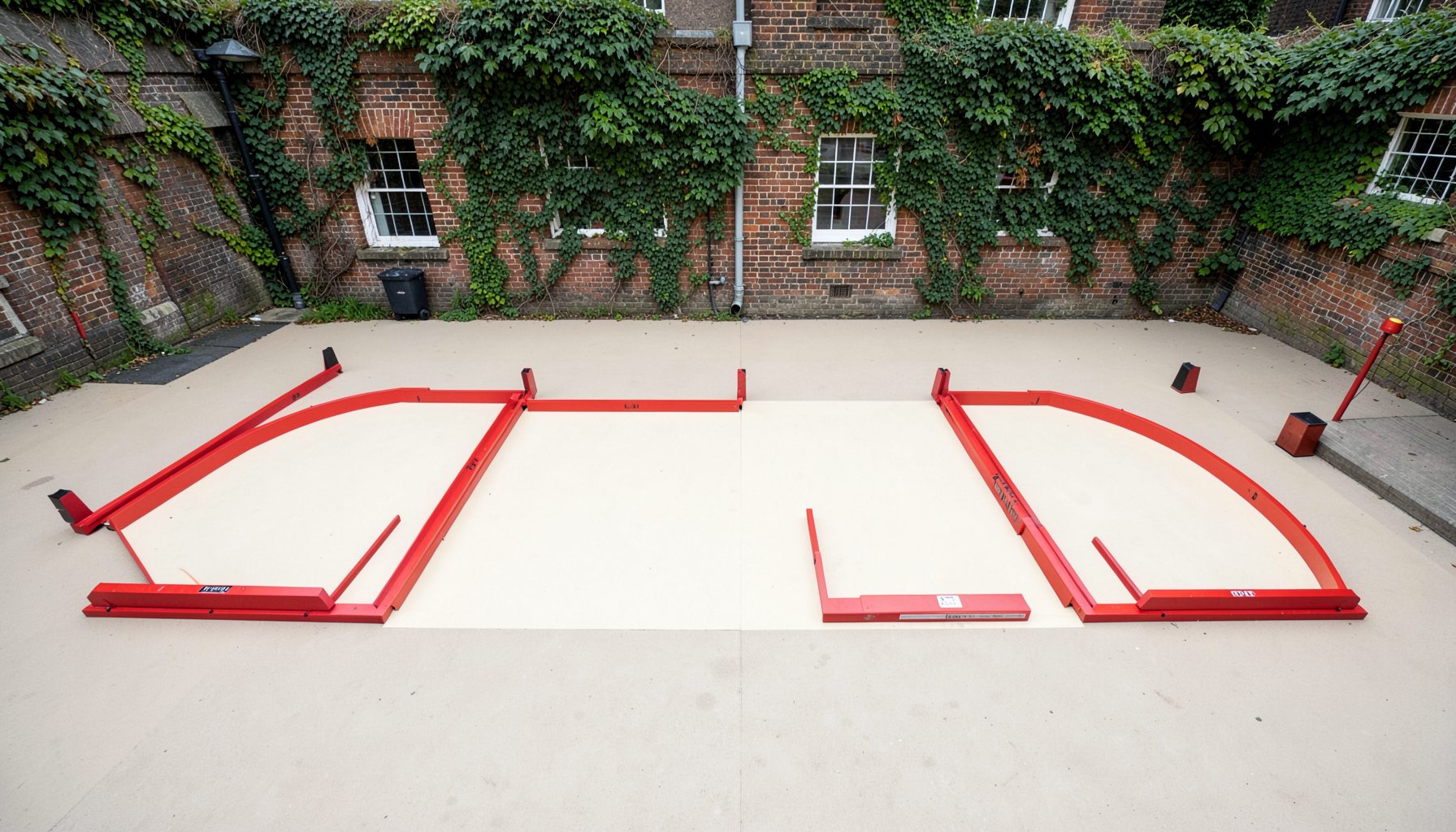
Rugby Fives is a fast, skilful court sport built around movement, touch, anticipation, and respect. Players do not need to arrive with an impressive sporting background. They need a clear explanation, a patient partner, and the confidence to make mistakes without feeling embarrassed.
Clubs, schools, coaches, and volunteers all have a role in creating a welcoming environment for new Rugby Fives players. Small choices, such as learning names, explaining court etiquette, and checking in after a session, can shape the whole experience.
Make The First Visit Easy
Newcomers should know what to expect before they arrive. Club websites, emails, and event listings can explain the session length, clothing requirements, footwear, location, parking, and whether equipment is available. A named contact can also reassure someone who is unsure about turning up alone.
The first welcome should be personal rather than procedural. A volunteer or coach can greet each new player at the entrance, introduce them to two or three people, and show them the changing facilities and court. This removes the awkward period when a beginner is left wondering where to go or whom to approach.
Avoid assuming that every participant understands sporting language. Explain terms such as service, handout, gallery, and court position in plain English. A brief orientation before play allows newcomers to focus on enjoying the session instead of trying to decode instructions.
Build Confidence Through Gradual Play
A beginner-friendly session should offer progression rather than immediate pressure. Start with simple rallies, movement exercises, and target games before introducing competitive matches. These activities develop timing and control while giving players repeated opportunities to experience success.
Pairing matters as well. A patient, encouraging partner can keep the ball in play and adjust the pace without making the new player feel tested. Rotating partners helps people meet the wider group, while a coach can quietly identify who may need extra support or a slower explanation.
Mistakes should be treated as part of learning. If a player misses a shot, an experienced participant can offer one useful tip and then return the ball positively. Too many corrections can make a new player self-conscious, whereas constructive feedback keeps attention on the next rally.
The sport’s traditional values provide a strong foundation for this approach. The idea behind the gentleman’s game reflects courtesy, fair play, and consideration, values that should be visible in every modern club and school session.
Make Respect Visible
A welcoming club does not leave its culture to chance. Coaches and committee members should explain expectations around language, behaviour, punctuality, equipment, and disagreements. Clear standards help everyone understand that respect is an active part of participation.
Experienced players set the tone through their actions. They can welcome unfamiliar faces, avoid mocking mistakes, include quieter participants in conversation, and congratulate good play from both sides. If a newcomer sees that courtesy is normal rather than exceptional, they are more likely to feel comfortable contributing.
Feedback should be invited in a simple and practical way. A coach might ask how the session felt, whether the instructions were clear, or what would make the next visit easier. Clubs can also provide a private contact for concerns, allowing people to raise issues without having to speak in front of the group.
Support Players Beyond The Court
A strong first session is important, but belonging develops over time. Clubs can share a calendar of beginner sessions, social events, leagues, coaching opportunities, and tournaments. Regular communication helps new members understand how they can progress and where they fit within the wider Rugby Fives community.
Practical support should match different levels of experience. The same person may need basic rules during their first month, guidance on competition entry later, and advice about fitness or tactics after that. A simple buddy system can connect newcomers with an experienced player who answers questions and offers encouragement between sessions.
| New Player Need | Helpful Club Action | Result |
|---|---|---|
| Understanding the sport | Give a short rules briefing and demonstrate scoring | Less uncertainty during play |
| Meeting other members | Use rotating partners and informal introductions | Faster social connection |
| Improving skills | Offer beginner drills and regular coaching | Visible progress and motivation |
| Joining competition | Explain formats, fixtures, and entry routes | A clear next step |
| Feeling heard | Request feedback after sessions | Better support and stronger trust |
Social connection should not depend entirely on playing ability. A tea after training, a club chat, or a welcome event can help people build friendships while they are still developing their game. These informal moments often turn a collection of players into a community.
Remove Barriers To Participation
Inclusion begins with recognising that new players arrive with different needs, schedules, confidence levels, and physical abilities. Session organisers can provide varied drills, clear demonstrations, and options for adjusting intensity. A player should be able to ask for a modification without feeling that they are causing inconvenience.
Clubs should review the practical details of participation. Affordable introductory sessions, shared equipment, accessible venues, flexible booking, and transport information can remove barriers before they become reasons to leave. School and community programmes can also introduce Rugby Fives to people who may never encounter the sport through traditional club pathways.
Language and representation matter too. Promotional material should show a broad range of ages and backgrounds, while coaches should avoid assuming who will be interested or capable. Welcoming messages are most effective when the experience on court consistently supports them.
Simple Ways To Strengthen Every Welcome
- Assign a named greeter or buddy for each first-time participant.
- Begin with a short explanation of rules, safety, and court etiquette.
- Use drills that allow success before introducing full matches.
- Invite new players to social activities and upcoming sessions.
- Check in after the visit and share one clear next step.
These actions require little money or extra equipment, but they depend on consistency. Every volunteer and experienced player should understand that creating an inclusive sporting culture is part of their contribution, not a task reserved for the head coach.
Help Schools And Clubs Work Together
Schools can provide an especially effective entry point because pupils often discover the sport in a supportive group setting. A coach can introduce movement, striking, teamwork, and fair play through short activities that keep everyone active. Sessions should make room for different confidence levels rather than rewarding only the strongest players.
Links between schools and local clubs give young participants a route into continued involvement. Clubs can invite school groups to watch a competition, organise a taster day, or provide information about junior sessions. Teachers benefit from a reliable contact, while students gain a clearer path beyond their first experience.
Adult beginners also benefit from partnerships with workplaces, universities, leisure centres, and community organisations. Outreach should present Rugby Fives as a social and achievable activity, not an exclusive sport for people with a particular background. Clear invitations and welcoming follow-up can convert interest into regular attendance.
Give Every New Player A Next Step
People stay involved when they can see what comes next. That might be another relaxed club night, a coaching block, a social fixture, or a beginner-friendly tournament. Progress does not have to mean immediate competition; it can mean learning a new shot, completing longer rallies, or feeling more comfortable on court.
Coaches and organisers should celebrate these milestones. Specific praise, such as recognising improved movement or better communication, is more meaningful than general encouragement. It shows players that their effort has been noticed and gives them a reason to keep practising.
The Rugby Fives Association can help clubs share good practice, connect participants, support coaching, and strengthen pathways from first session to regular play. When clubs combine sporting development with genuine hospitality, newcomers become confident participants and, in time, welcoming ambassadors themselves.
Find a local opportunity, invite someone new to attend, or speak with your club about improving its first-session experience. A simple welcome can open the door to a lasting connection with Rugby Fives.