



How schools can bring Rugby Fives into PE lessons
Rugby Fives is a fast, adaptable wall game that can broaden the choices available in school physical education. Played in a four-walled court with a gloved hand, it develops movement, timing, balance, coordination and tactical awareness without requiring a large playing field. Its compact format makes it suitable for schools with limited outdoor space or unpredictable weather.
The sport can be introduced through short activities before pupils play a full game. This allows beginners to learn how the ball travels, how to use the walls and how to position themselves safely. Lessons can then progress from individual challenges to partner rallies, small-sided games and competitive matches.
A successful programme does not depend on every school having a specialist court immediately. Teachers can begin with modified spaces, portable targets and soft training balls, while building towards regular access to a dedicated facility. With careful planning, Rugby Fives can complement existing racket sports, invasion games and coordination units.
Why Rugby Fives belongs in school sport
Rugby Fives offers a distinctive combination of physical and mental demands. Pupils must read the ball’s rebound, adjust their feet quickly and choose where to direct the next shot. These actions strengthen hand-eye coordination, reaction speed and spatial awareness in a setting that feels different from conventional team games.
The sport also encourages repeated involvement. In a small-sided activity, pupils receive frequent chances to serve, return, move and make decisions. This can be especially valuable for learners who feel less confident in large team games, where possession may be limited and mistakes can feel highly visible.
Because rallies can be adapted to different abilities, teachers can maintain challenge without separating pupils into rigid groups. A beginner might use a slower ball and a larger target area, while an experienced player works on placement, deception and recovery movement. Everyone can take part in the same lesson with suitable variations.
Preparing staff, pupils and facilities
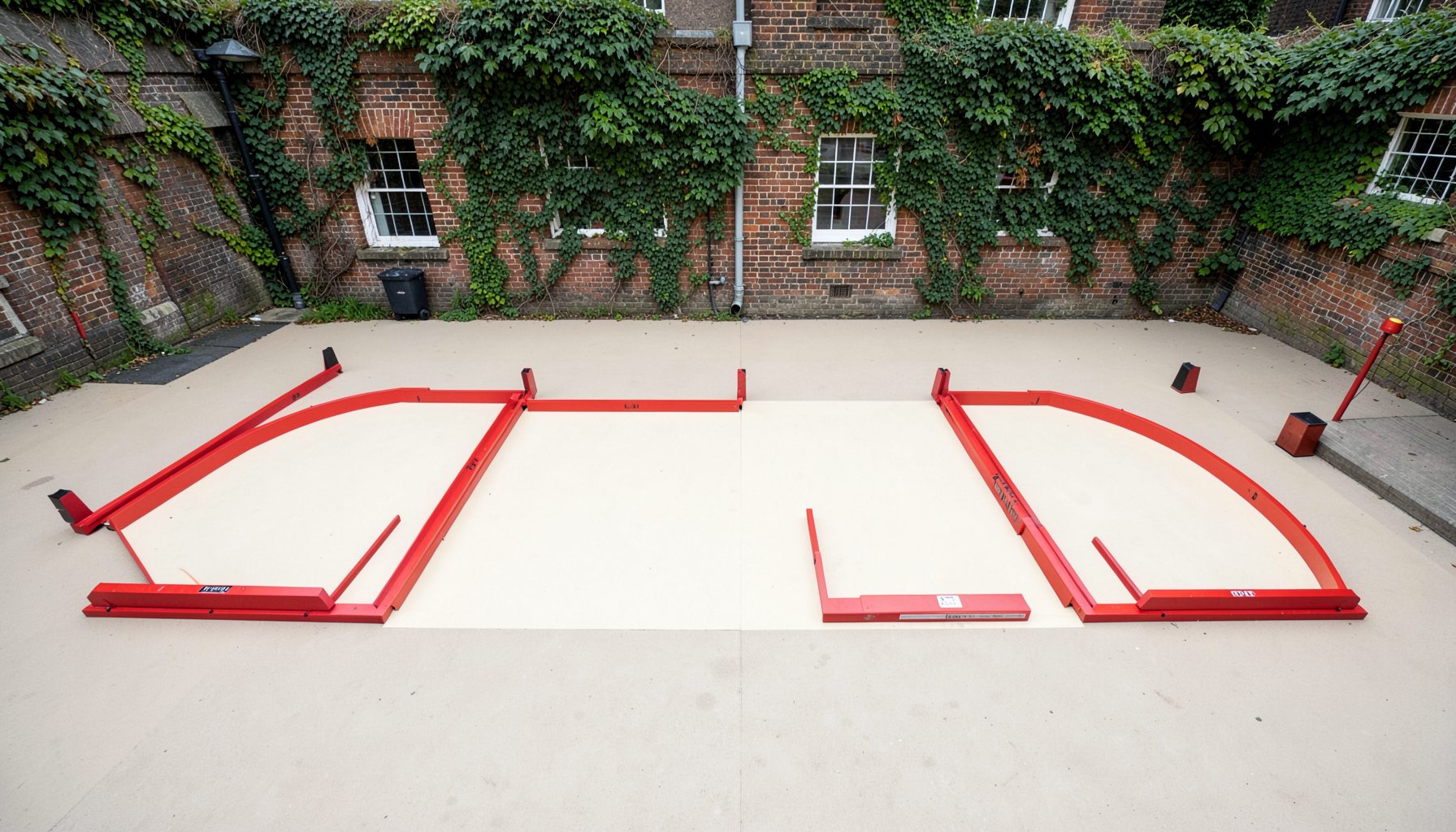
Before the first lesson, teachers should identify the safest available playing area. A regulation court is ideal, but a sports hall wall, enclosed playground or marked indoor zone can support introductory exercises. The surface should be checked for slipping hazards, exposed edges and obstacles, with clear boundaries established before play begins.
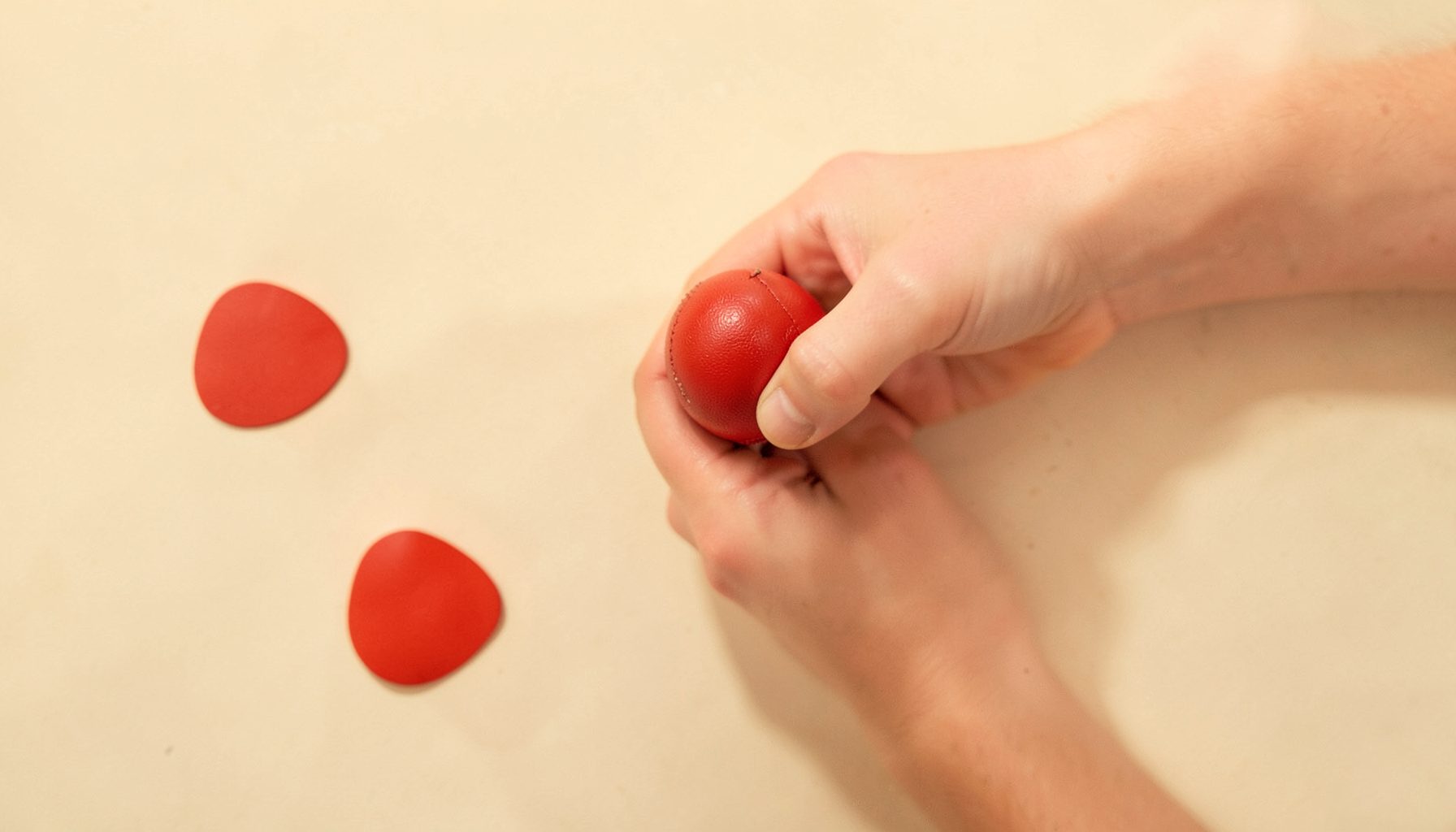
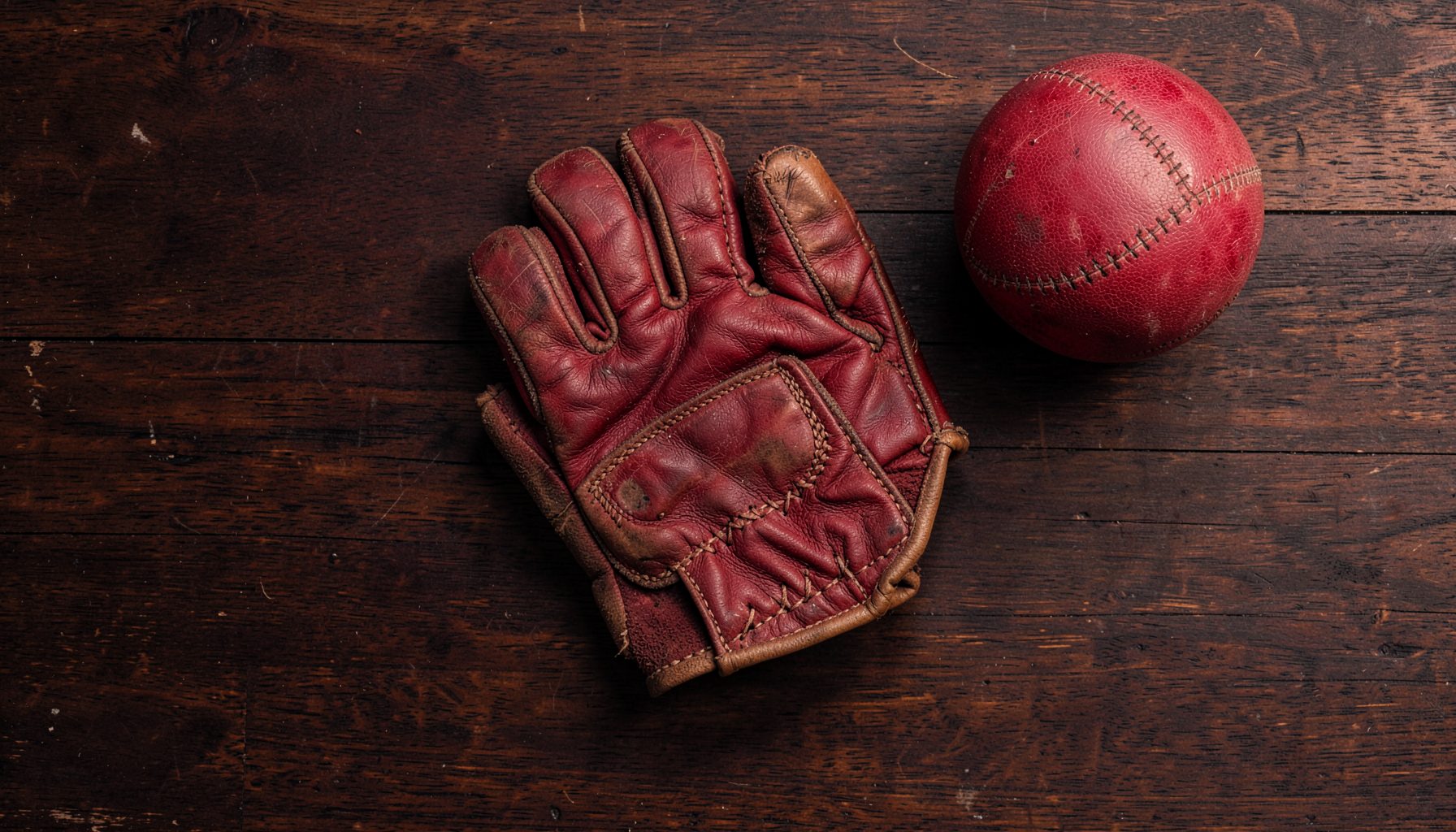
Equipment can remain simple at the start. Soft balls reduce impact and help pupils control rallies, while gloves should fit securely and be appropriate for the player’s hand size. Cones, floor markers and coloured wall targets make it easier to explain movement patterns and create stations for different levels of ability.
Teacher confidence is equally important. Staff do not need to be expert players before delivering a first unit, but they should understand the basic rules, court etiquette, scoring and safety points. The Rugby Fives Association provides a useful connection to the national governing body, where schools can find pathways into coaching, competitions and wider support.
Building a progressive lesson sequence
A six-lesson unit can introduce the main skills without overwhelming pupils. The opening session might focus on ready position, controlled striking and tracking the ball. Pupils can work alone by striking against a wall, aiming for a marked zone and counting successful returns.
The next stage can introduce partner rallies. Players should learn to move after striking, recover to a balanced position and communicate with a partner. Teachers can vary the task by limiting the target area, changing the permitted number of bounces or awarding points for accurate placement rather than power.
As confidence grows, pupils can explore serving, returning and attacking space. A useful teaching cue is to direct the ball away from an opponent’s comfortable reach while maintaining enough control to keep the rally alive. Later lessons can include doubles formations, defensive recovery and simple tactical plans.
| Lesson stage | Main focus | Suitable activity | Progression |
|---|---|---|---|
| Getting started | Grip, stance and tracking | Individual wall strikes | Increase target distance |
| Control | Direction and consistency | Partner rally with one bounce | Reduce allowed bounces |
| Movement | Recovery and court coverage | Hit, move and return drill | Add wider target zones |
| Serving | Legal serve and first return | Serve to marked areas | Introduce scoring |
| Tactics | Placement and anticipation | Small-sided games | Reward shots to open space |
| Competition | Rules and decision-making | Singles or doubles matches | Use a tournament format |
Making lessons inclusive and engaging
Inclusive delivery begins with flexible rules. A teacher might permit an extra bounce while pupils are learning, use a larger or softer ball, or allow a serve from a shorter distance. These adjustments preserve the central challenge while reducing frustration and keeping rallies active.
Pairings should change regularly so that pupils experience different styles and abilities. Cooperative targets can be useful before competitive scoring: two players might aim to complete ten controlled returns, strike three different wall zones or sustain a rally using agreed shot choices. Such tasks build confidence and give progress a clear measure.
Rugby Fives can also support wider curriculum goals. Pupils may record rally scores, analyse movement patterns or officiate matches, linking physical education with communication, leadership and basic data handling. Older students can help lead warm-ups, manage equipment or mentor younger groups, creating meaningful roles beyond playing.
Connecting school activity with the wider game
A school programme becomes more sustainable when pupils can see a pathway beyond the PE lesson. An after-school club, lunchtime ladder or inter-house competition can provide regular practice without requiring a large time commitment. Short formats make it easier to include many pupils and keep matches moving.
Schools can build links with nearby clubs, independent schools and community coaches. A taster event led by an experienced player can give pupils a clearer understanding of the sport and help teachers observe appropriate techniques. Friendly fixtures are often a useful first step before entering formal tournaments or championships.
Communication with families can strengthen participation. A short explanation of the game, the equipment needed and the opportunities available locally may encourage pupils to continue playing outside school. Schools should also celebrate improvement, teamwork and fair play in addition to match results, ensuring that new players feel valued while competitive pupils remain challenged.
Practical steps for a strong launch
The most effective introduction is usually modest, consistent and easy for staff to repeat. A school can begin with one year group, a short block of lessons and a small equipment budget, then review participation and pupil feedback before expanding. Clear routines will help teachers manage space, transitions and scoring.
Before launching, schools should consider the following priorities:
- Choose a safe wall or court area and mark clear playing boundaries.
- Use soft balls and correctly fitted gloves for initial skill development.
- Teach movement, control and court awareness before formal scoring.
- Adapt bounce rules, distances and target sizes to support varied abilities.
- Create a club, ladder or fixture opportunity so pupils can continue playing.
Assessment should focus on observable progress. Teachers can track control, movement, decision-making, cooperation and understanding of rules rather than relying solely on winning. Brief peer feedback, self-assessment cards and simple skill challenges can make evaluation part of the lesson without interrupting activity time.
A review after the first unit should identify which activities produced the longest rallies, the highest participation and the clearest learning. The school can then refine equipment, timetable a follow-up block and decide whether a competition or external coaching visit would add value.
Rugby Fives gives schools a practical way to expand their PE curriculum with a sport that rewards movement, concentration and intelligent play. Begin with accessible wall activities, develop skills through carefully graduated challenges and make inclusion part of every session. Contact the Rugby Fives Association to explore coaching, school links and competitive opportunities, then give pupils a regular opportunity to experience the game for themselves.