


Adapting Rugby Fives Drills for Disabled Participants
Rugby Fives rewards quick hands, sharp angles, and a willingness to put your body on the line for a hard-won point. Bringing that spirit into adapted sessions opens the sport to a much wider community. Clubs increasingly treat disability inclusion as a core part of modern player development.
Australia offers a productive backdrop for this work. Paralympics Australia in Sydney shares classification guidance, while the Australian Institute of Sport in Canberra contributes coaching research through its participation programmes. National funding sits alongside the National Disability Insurance Scheme, which can cover venue modifications, support workers, and adaptive gear. State bodies in Victoria, New South Wales, and Queensland fund adapted sport officers, and grassroots outfits from Brisbane to Hobart run weekly sessions.
The starting point for any coach is to look at what a player can do. Skills are stripped back to their core elements - tracking the ball, striking cleanly, recovering balance - and rebuilt around the individual. Drills become a flexible toolkit rather than a fixed script, with small progressions so a player who finds a movement easy is stretched while a teammate who finds it hard still feels part of the group.
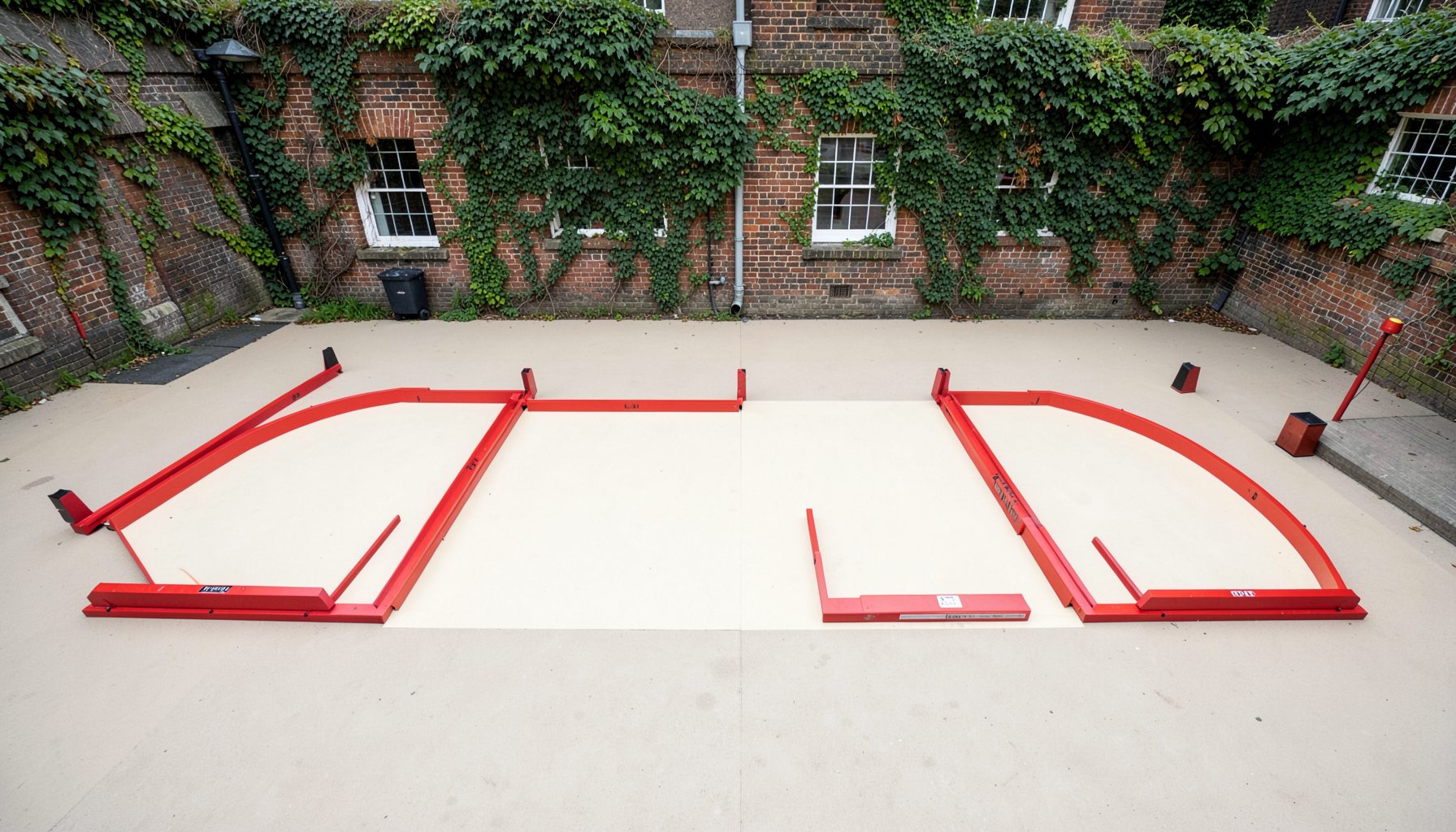
Fives benefits from a small, predictable court, which makes it unusually friendly to adaptive practice. A wall, a few lines, and a partner are all that is needed to begin. That simplicity means coaches in regional Western Australia or the outer suburbs of Perth can run meaningful sessions without expensive facilities.
| Drill Category | Standard Purpose | Typical Adaptation | Equipment Suggestion |
|---|---|---|---|
| Wall volleys | Hand-eye, rhythm | Reduce target height, slow tempo | Foam balls, chalk lines |
| Corner serves | Accuracy under pressure | Widen target zones, remove foot fault rules | Tactile cones, audio cues |
| Partner rallies | Reaction, conditioning | Shorten court, allow seated partner | Visual floor markers |
| Match-style games | Tactics and decision-making | Time-limited bursts, rest intervals | Rotation cards, partner swaps |
Designing Drills Around the Person First
A person-first approach flips the usual planning sequence. Coaches begin with a player profile - current movement range, fatigue patterns, preferred hand, and any medical considerations shared by the participant or support worker - and shape drills from there. A player who tires quickly may get short sharp bursts with full rest, while a player who loves tactical duels can be given a longer think-time variation in the same session.
Australian clubs often rely on parent helpers arriving just before play, so a planning sheet with three or four named adaptations per drill reduces on-the-spot decisions. Pair that sheet with a quick warm-up rundown, and even an inexperienced helper can run a safe, inclusive circuit.
Adjusting Court Movement and Footwork
Footwork in Fives is built on explosive changes of direction, which is where many adaptations begin. For wheelchair users, footwork drills can become pushes, pivots, and quick handbrake turns, with cones used as gates rather than turning points. For ambulant players with a lower-limb difference, taped lines can signal safe turning zones, reducing sudden pivots on a single leg.
Coaches in Adelaide have used the smooth surfaces at the South Australian National Football Park, where predictable ground helps wheelchair users turn quickly. Indoor venues in places like Brisbane State High School or Melbourne's Trinity College offer consistent bounce and lighting. Floor markings should be high-contrast and roughly 50 millimetres wide so they read clearly at pace.
Modifying Ball Skills and Hand Contact
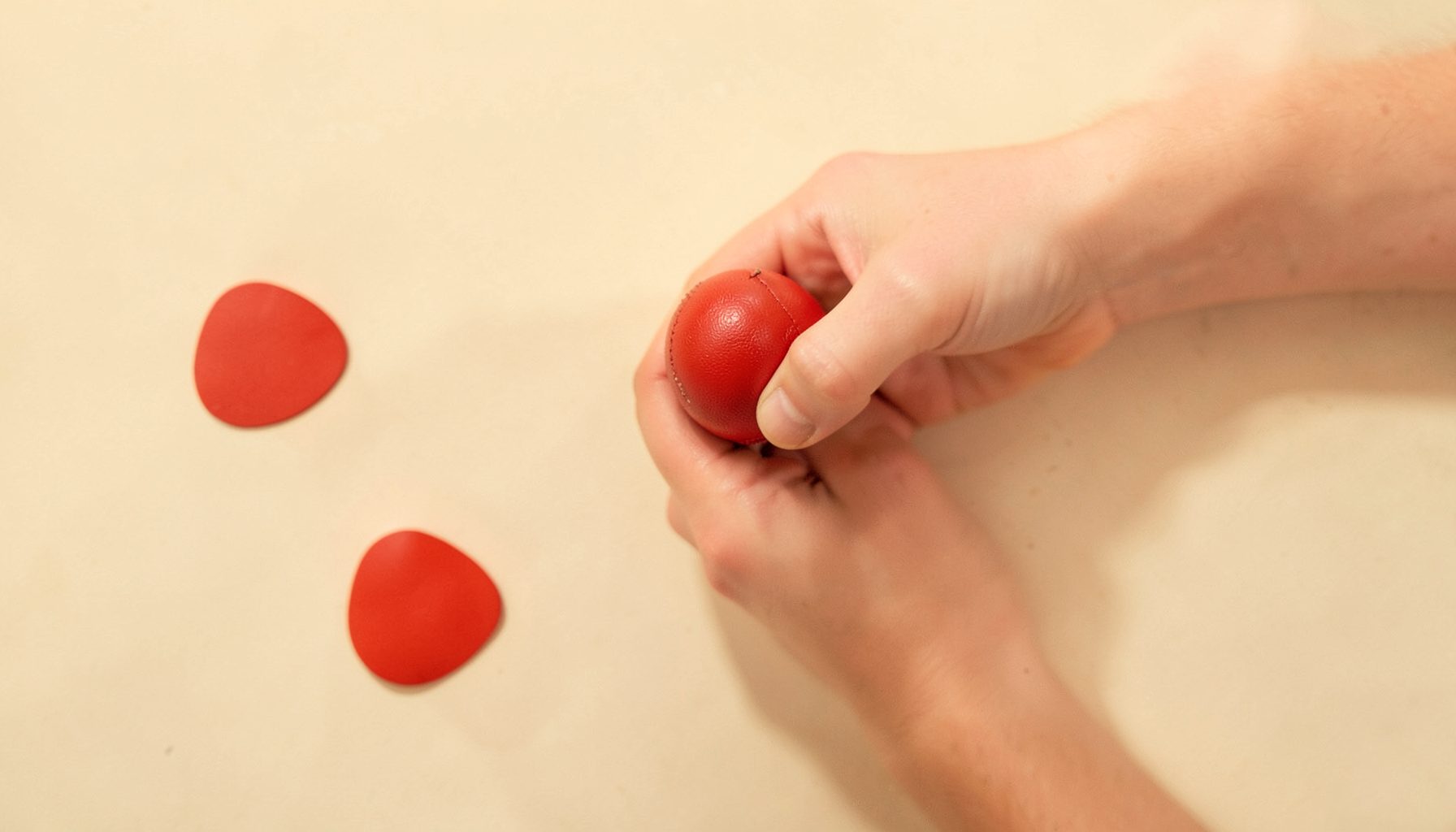
The standard Fives ball is hard and fast, so softening contact is often the first port of call. Beginners, blind or partially sighted players, and many younger athletes benefit from starting with a foam or reduced-bounce ball. Once striking is clean, the regular ball is reintroduced, often with hand protection such as padded gloves or grip tape for players with arthritic hands.
Drills themselves can be reshaped. A wall-volley sequence asking for ten clean returns can become a two-touch sequence or a catch-and-replay pattern that keeps rhythm while removing the highest impact moments. Coaches should watch for cumulative strain - tight shoulders, dropped elbows, grimacing on impact - and adjust tempo before small niggles turn into setbacks.
Including Wheelchair Users in Fives Sessions
Wheelchair inclusion in a wall-based game is more straightforward than many coaches expect. The back wall does most of the work, side walls give predictable rebounds, and the front buttress creates a natural boundary. Wheelchair players can join wall rallies, partner exchanges with another chair user, or mixed sessions where chair and ambulant players swap roles for set periods. The playing area must be large enough for a chair to pivot without crashing into walls or partners.
Where the original court is too tight, half-court or three-quarter-court variations work well. Sessions in Sydney's inner west and regional centres in places like Wagga Wagga have staged wheelchair-inclusive Fives afternoons using a marked-out corner of a school gym. Pairing a chair user with an ambulant partner also produces a useful social dynamic, since the two players naturally share tactical conversation between points.
Supporting Players with Vision Impairment
Vision impairment changes the cues available, so Fives drills lean more on sound and touch. Audio balls with internal bells, or balls wrapped in textured tape, give audible and tactile feedback that helps a player locate the strike. Bumpy strips on the floor or rope lines at the foot of the buttress let a player position themselves confidently without seeing court markings.
Coaches should announce each drill out loud, name the players involved, and keep verbal description brief. Phrases like "two steps to your left" or "ball high and back" work better than "over there". Partner drills can use a clapping rhythm to signal readiness, and a guided walk of the court belongs in the warm-up. Where funding allows, an NDIS-funded support worker or a local vision-impaired sport service can join the session, giving the coach an extra set of eyes and ears.
Communication, Pacing, and Energy Management
Inclusive sessions live or die on good communication. Coaches should explain a drill, demonstrate it, then offer a scaled version, in that order, so players can choose their own entry point. Open questions such as "What felt tricky there?" invite players to shape their own session without singling anyone out. In Australian clubrooms that means dropping into a relaxed, plain-English style; a quick "have a crack" or "give it a burl" tends to work better than formal coaching jargon.
Pacing matters as much as content. Many disabled players manage fatigue differently, and heat is a real factor in places like Perth, Darwin, or any summer arvo in Queensland. Sessions should be scheduled with shade, hydration, and rest breaks built in. A simple traffic-light chart - green for full effort, amber for steady, red for skill-only work - lets players self-regulate without publicly explaining a flare-up or recovery day.
Building Long-Term Adapted Programmes
A single inclusive session is a fine start, but the goal is a durable programme running across seasons. That means writing adaptations into the club's regular plan, training several coaches rather than relying on one specialist, and linking with local disability networks through bodies such as Blind Sports Australia or Disability Sports Australia. Recording which adaptations each player uses builds a library that makes future planning easier and gives players a sense of progression.
Funding routes are worth understanding early. Eligible participants can use the National Disability Insurance Scheme for individual support, while clubs apply to the Australian Sports Commission's participation grants for equipment and venue access. Many state libraries hold coaching videos on inclusive sport useful for committee meetings. Pair those resources with a written commitment to at least one fully inclusive session per term, and the programme begins to feel like a settled part of club life.
The Rugby Fives Association is keen to hear from coaches, clubs, and players running adapted sessions and welcomes examples, photos, and short case studies for its inclusive coaching archive. Send your notes through the Association's contact page, share a drill adaptation that worked in your setting, or volunteer as a host venue for a regional inclusive Fives day. Every contribution helps build a fuller picture of how the sport can be played, taught, and enjoyed by everyone in the community.