



Building a junior Rugby Fives programme in Australia
Rugby Fives is a fast, adaptable wall game that can give young Australians a fresh alternative to mainstream school and club sports. It develops movement, timing, balance, concentration and tactical decision-making, while requiring less space and equipment than many field-based activities. A well-run junior programme can work in a school, community centre, university court or established Fives venue.
Starting from scratch is easier when the programme is treated as a progression rather than a single weekly session. Young players need a safe place to learn, coaches who can make the game enjoyable, clear pathways into competition and regular communication with parents, schools and local partners.
Australia offers useful conditions for this model. After-school sport is already part of family routines in cities such as Sydney, Melbourne, Brisbane, Perth and Adelaide, while indoor venues provide a practical escape from summer heat, rain and poor air quality. The main task is to connect available facilities with a consistent junior timetable.
The Rugby Fives Association can provide a valuable link to established rules, coaching knowledge, competitions, records and the wider playing community. A local organiser can build the programme gradually, beginning with a small pilot and expanding once attendance, coaching capacity and court access are reliable.
Define the programme’s purpose and audience
Begin with a simple statement of what the programme will provide. For example, it might introduce children aged eight to twelve to Rugby Fives, offer a development group for teenagers, or create a school-to-club pathway for players who want regular competition. A clear purpose helps determine session length, coaching requirements, pricing and the type of venue needed.
Age bands should reflect physical development and attention span. Younger children may need short games, modified rules and frequent changes of activity, while older juniors can learn serving patterns, wall positioning, court movement and match strategy. Avoid placing a beginner beside an experienced teenager without a structure that benefits both players.
A pilot of six to eight weeks is a sensible starting point. One weekly session of 45 to 75 minutes is enough to test demand without overcommitting families or volunteers. Choose a time that fits Australian school routines, such as late afternoon on a weekday or a Saturday morning, and publish dates well before school holidays.
Set practical targets for the pilot: a minimum number of registered players, regular attendance, two trained adults per session and an end-of-term festival. These measures are more useful than chasing large enrolment numbers immediately.
Secure a suitable venue and equipment
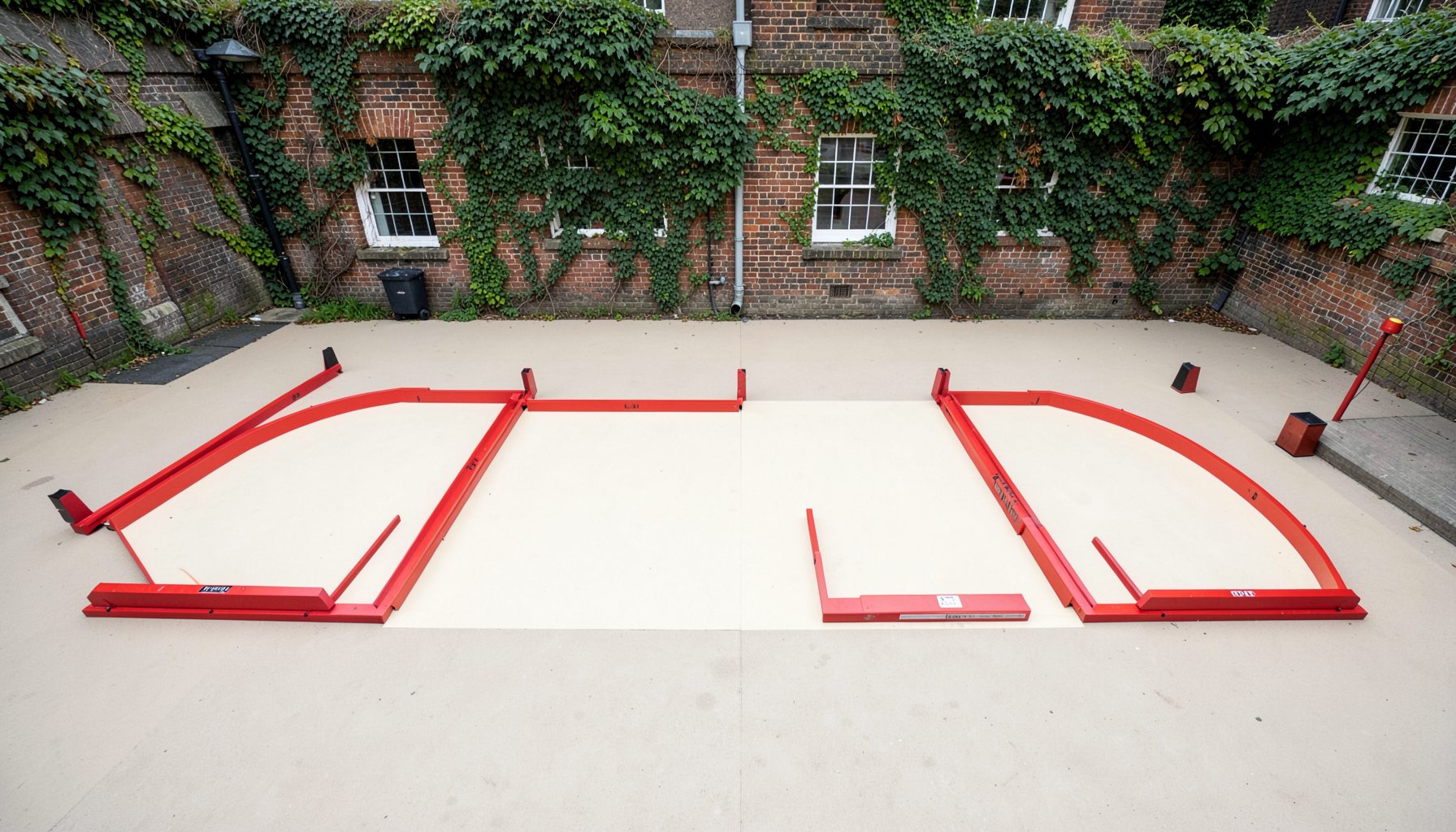
A standard Rugby Fives court is ideal, but a programme can begin in a venue that meets the essential safety and playing requirements. Investigate independent schools, universities, community recreation centres and existing racquet-sport facilities. In Melbourne and Sydney, court availability may be tight and expensive, so approaching schools during unused evening periods can be more effective than relying on commercial venues.
Inspect the court before making a booking. Check lighting, ventilation, wall condition, floor grip, exits, toilets, first-aid access and parent viewing areas. In Brisbane, Perth and other warm-weather locations, air conditioning or strong ventilation may affect both comfort and cost. Build a heat and poor-air-quality policy into the programme rather than improvising when conditions change.
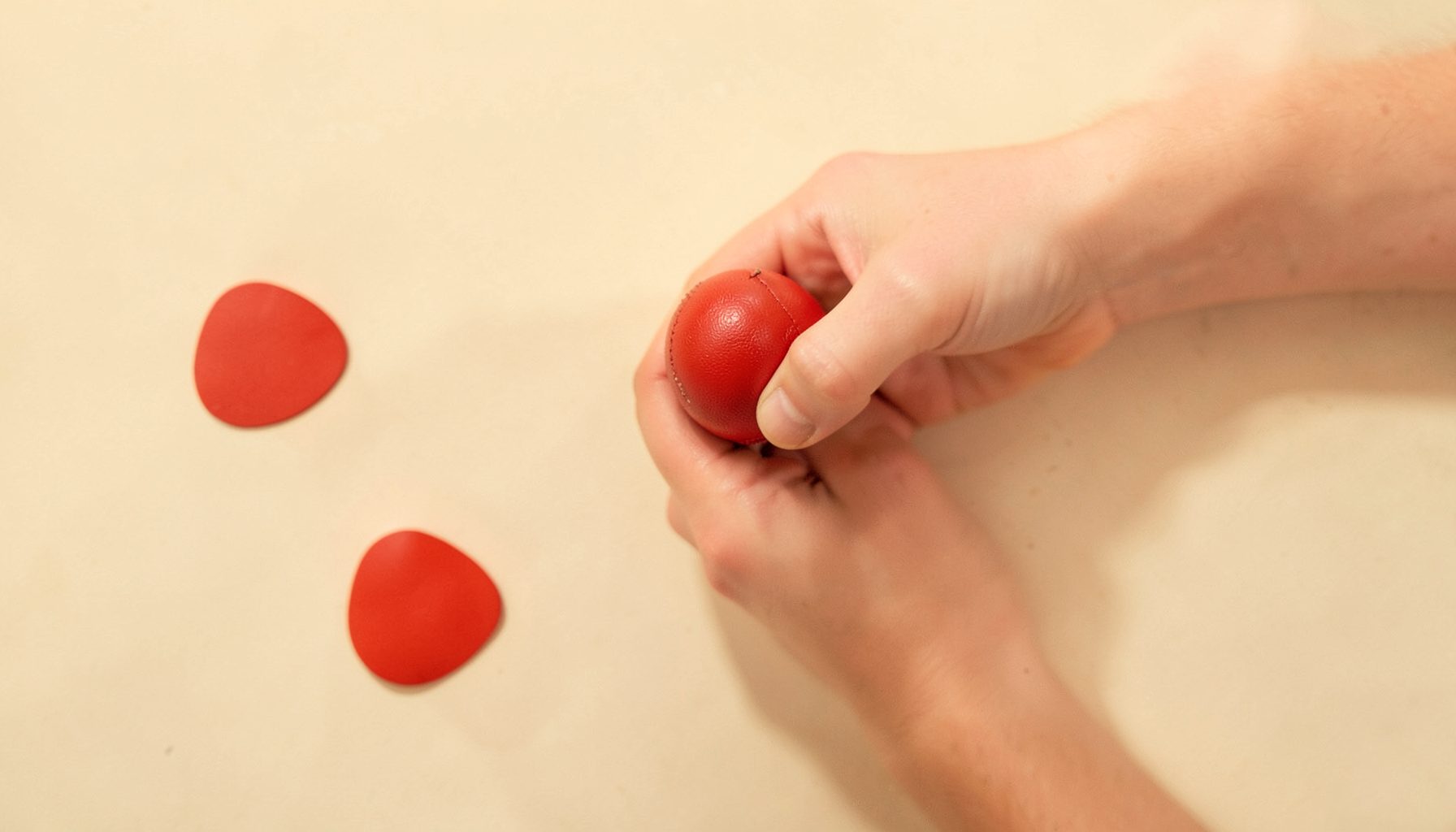
Equipment needs are modest: suitable balls, eye protection where appropriate, junior racquets if the format uses them, cones, bibs, first-aid supplies and a sign-in system. Use softer or slower balls for beginners so that rallies last longer and children can learn positioning without fear of hard impacts.
Prepare a realistic budget covering venue hire, coach payments, insurance, equipment replacement, administration and competition travel. Compare a term fee with casual attendance pricing, and consider a subsidised place funded by a community grant or local sponsor. Families are more likely to commit when costs, cancellation rules and included equipment are clear.
Build a safe and capable coaching team
A junior programme needs more than a player who knows how to hit the ball. Coaches should understand child development, positive behaviour management, basic first aid, safeguarding and the progression from simple rallies to competitive play. Start with one lead coach and at least one assistant or approved volunteer for a small group, adding support as numbers rise.
Australian child-safety obligations vary between states and territories. A coach in New South Wales may need a Working With Children Check, while requirements differ in Victoria, Queensland, Western Australia and other jurisdictions. Check the rules that apply to the organisation and venue, maintain appropriate records and follow relevant Child Safe Standards. A written code of conduct should cover communication, supervision, photography, transport, changing areas and complaints.
Plan each session around a repeatable structure: welcome and movement warm-up, a skill activity, a guided game, a challenge or competition and a calm review. Children learn more when instructions are brief and demonstrations are visible. Use names, praise effort and decision-making, and correct errors without embarrassing players.
Inclusive coaching should be built in from the first session. Adapt court zones, ball speed, scoring and movement demands for different abilities. Give every child meaningful turns and avoid allowing the strongest players to dominate rallies. A welcoming programme also needs clear expectations around language, cultural respect, gender inclusion and behaviour from adults on the sidelines.
Create a pathway from participation to competition
The first competitive step should feel achievable. Use short matches, timed games, team challenges and round-robin festivals before introducing formal rankings. Players can learn to score, call lines, shake hands, resolve disputes and record results in a supportive environment. These habits make later school, club and association competitions less intimidating.
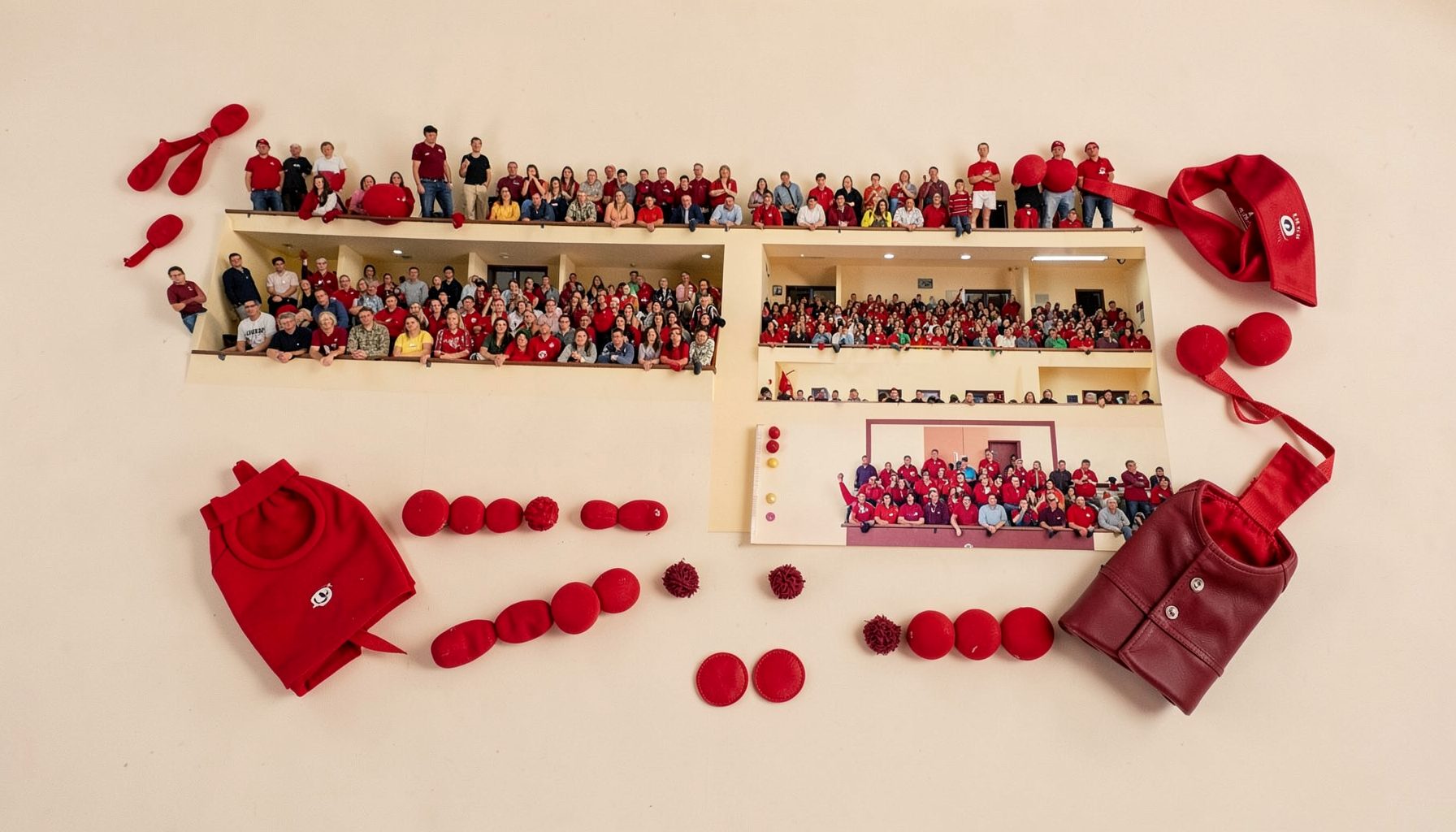
Connect the programme to the wider Rugby Fives network as soon as the basics are working. The Association’s competitions, championships and historical records can help local organisers understand how players progress. It is also useful to show families that the sport has an active and diverse future; coverage of women’s Rugby Fives can support conversations about equal opportunity and visible role models.
An Australian pathway might move from school taster sessions to a weekly junior club group, then to inter-school fixtures and regional tournaments. Cities with larger school and university populations may support several local hubs, while smaller communities could share travel for quarterly events. Online registration, fixture updates and simple results records will help families understand what comes next.
Use competition to retain players, not to exclude them. Offer development and advanced divisions, recognise improvement as well as winning and give older juniors opportunities to mentor beginners. A player who becomes a helper, referee or junior coach is still progressing within the sport.
Promote the programme and measure its progress
Recruitment should begin where families already look for activities: school newsletters, local council recreation pages, community Facebook groups, university sport departments and conversations with physical education teachers. A short video showing a rally can communicate the speed and accessibility of Rugby Fives more effectively than a long explanation.
Run a free or low-cost launch session with pre-registration. Provide clear information about age groups, footwear, arrival times, supervision, fees and what children should bring. Parents often need reassurance about safety and transport, especially when a sport is unfamiliar, so explain the venue layout and the adult responsibilities at each session.
Partnerships can lower costs and improve credibility. A school may provide court access in exchange for coaching support; a council may help with promotion or a grant application; a university club may supply volunteers. Local businesses connected with sport, health or family services may sponsor balls, shirts or a term-end festival.
Track attendance, retention, player confidence, skill development and parent feedback after each term. Note which activities produce the longest rallies and which players need extra support. Review the budget, safeguarding procedures and coach workload before expanding. Sustainable growth comes from reliable sessions and strong relationships, not from adding too many groups too quickly.
Invite schools, families, coaches and community partners to support the first pilot programme. With a suitable court, a prepared coaching team and a welcoming progression from first rally to friendly competition, junior Rugby Fives can become a durable part of Australia’s sporting landscape. Contact the Rugby Fives Association to connect with the wider sport, then set a launch date and begin building your local player community.