

Build a Rugby Fives Practice Ladder at Home
Rugby Fives is well suited to home practice because a wall, a ball and a small amount of clear space can develop useful skills. You do not need a complete court to improve your hand-eye coordination, movement, timing and confidence. A carefully arranged practice ladder turns short sessions into a progressive training routine.
The simplest version uses a safe rebound wall and a series of skill levels, or “rungs”. Each rung has a clear task, a target number of successful returns and a sensible way to make the drill harder. This gives solo players a structure that is easier to follow than hitting a ball against a wall without a plan.
Australian homes offer very different options. A garage in Melbourne, a covered patio in Brisbane, a side passage in Perth or a schoolyard wall in regional New South Wales may all work, provided the surface is stable and the surrounding area is safe. Weather, neighbours, household space and local rules should influence the setup.
The aim is consistency rather than expensive equipment. Start with a controlled rebound and reliable technique, then introduce movement, weaker-hand play, changing angles and pressure. Keep a simple record of completed rungs so every session has a clear purpose.
Choose a suitable practice wall
A good wall is flat, solid and free from fragile finishes. Brick, concrete or a sturdy rendered surface usually provides a predictable rebound. Avoid thin fences, plasterboard, glass, corrugated metal and walls attached to rooms where repeated impact could cause disturbance or damage. Look for enough height to play comfortably without sending the ball towards windows, vehicles or overhead cables.
Measure a clear practice zone before marking anything. A compact area can still be useful, but allow room to step sideways and backwards without reaching a garden edge, pool, barbecue or storage shelves. In a garage, move tools and bicycles out of the striking area. In hot parts of Queensland or Western Australia, a shaded morning or late-afternoon session will be more comfortable than training on sun-heated concrete.
For a temporary target, use removable painter’s tape or chalk where the surface allows it. A narrow horizontal line can represent the height of the front-wall target, while a square or rectangle gives players a visual area to aim for. Do not paint a permanent line on a rental property or common wall without written permission. Australian tenancy and strata arrangements differ between states and buildings, so check the agreement, owners corporation rules and local council requirements before fixing a structure or making alterations.
Gather simple equipment and mark the court
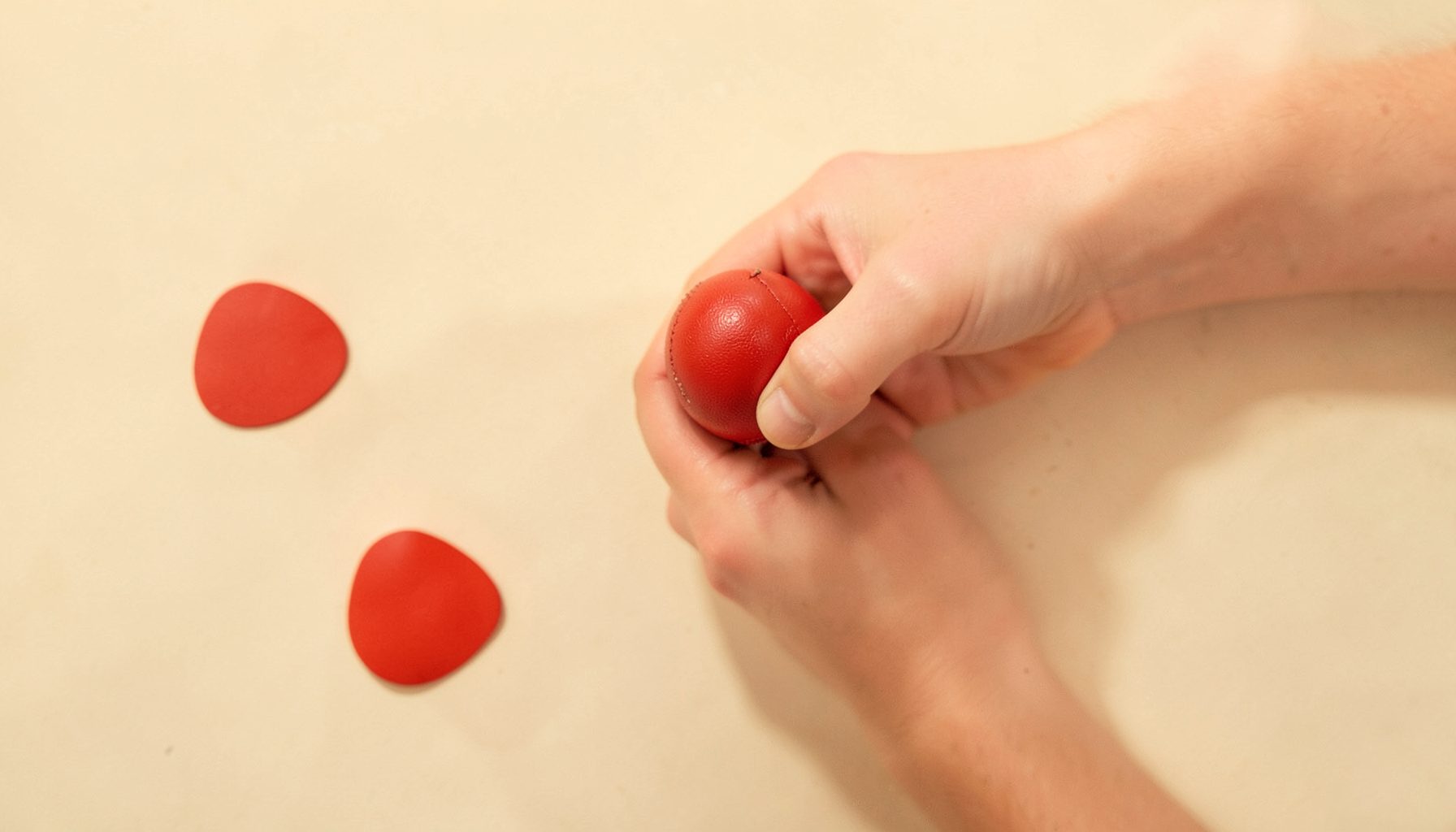
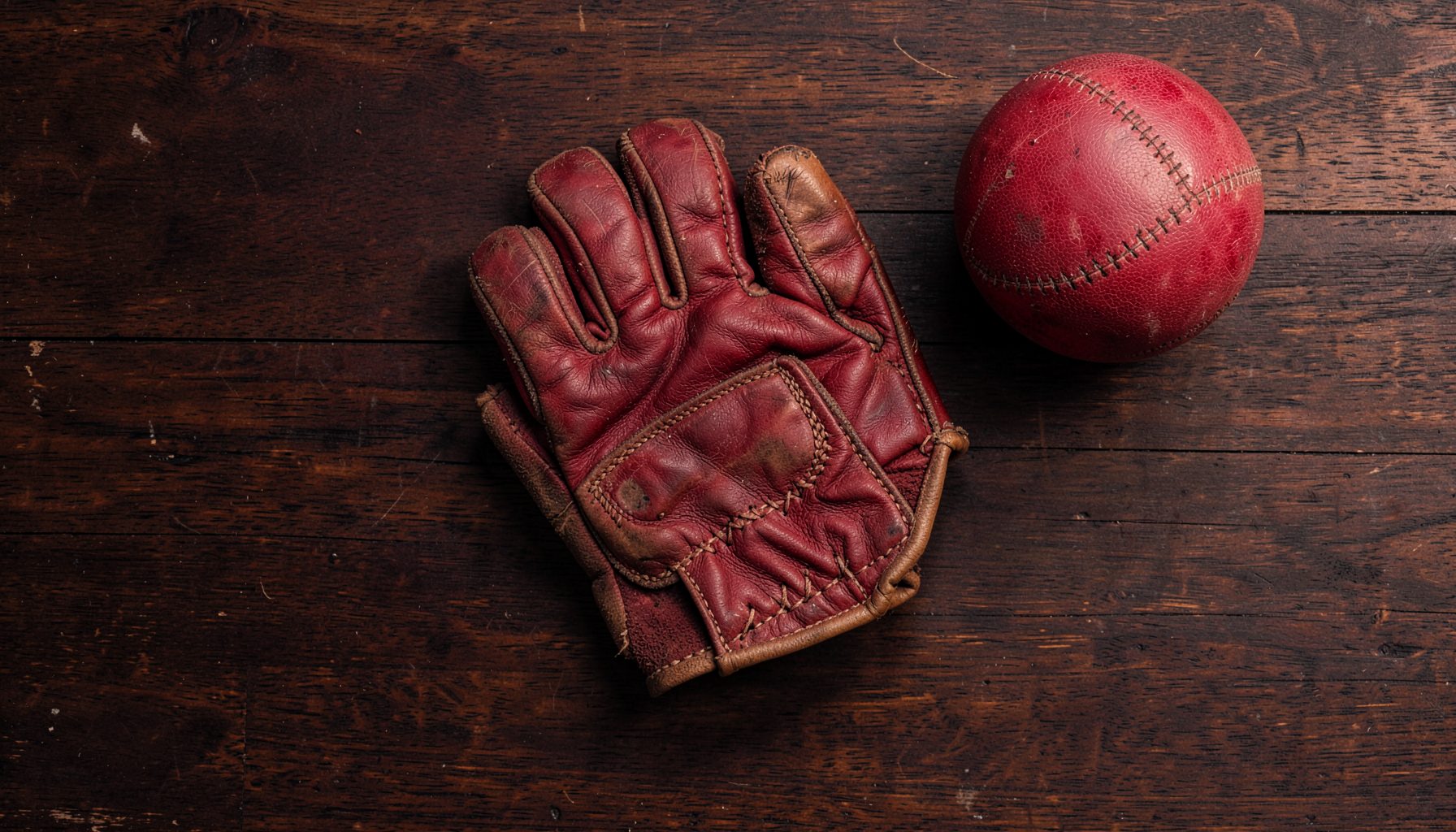
A Rugby Fives ball is ideal, but beginners can start with a softer training ball that travels more slowly and reduces the sting of a mistimed return. A sports retailer such as Rebel Sport, a local independent shop or an online Australian supplier may stock suitable balls, cones and floor markers. Check the ball’s size and firmness before buying several, because a hard ball can make early practice unnecessarily demanding.
Useful equipment includes masking tape, chalk, four flat markers, a tape measure, a stopwatch and a notebook. Flat rubber spots are safer than raised cones in a narrow space. A phone can record technique from the side, though it should be placed well outside the rebound zone. Wear court shoes or trainers with secure grip, especially on smooth garage floors or tiled patios.
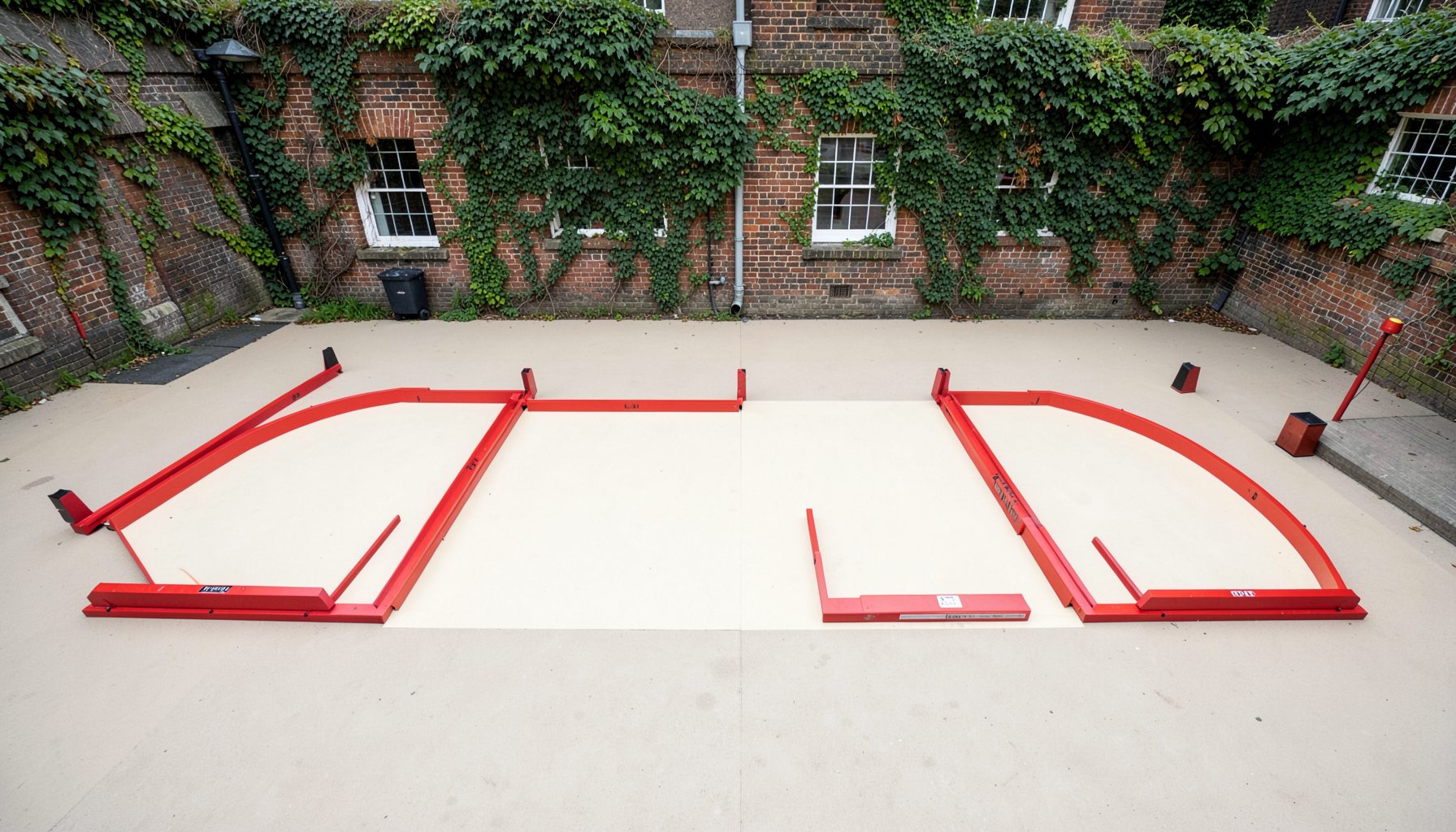
Mark a starting line far enough from the wall to allow a comfortable swing. Add two side boundaries if the available space permits. These lines do not need to reproduce official court dimensions; they simply create discipline and help measure progress. Place a second line behind the starting position for footwork drills, leaving enough room to stop safely.
Before every session, inspect the ball, wall and floor. Remove grit, water and loose objects. Australian summer storms can leave outdoor surfaces slippery, while winter condensation in enclosed garages can affect grip. Stop immediately if the wall sheds material, the floor becomes wet or the ball starts behaving unpredictably.
Progress from control to movement
Build the ladder around repeatable achievements rather than time alone. A player should be able to complete one rung with control before adding speed or distance. The following sequence works for children, adult beginners and experienced players returning after a break.
| Practice rung | Main skill | Suggested target | Progression |
|---|---|---|---|
| Quiet returns | Clean contact and ball control | 10 consecutive returns | Move one step farther back |
| Alternating hands | Balance and coordination | 20 returns | Use the non-dominant hand twice as often |
| Target returns | Accuracy | 15 hits inside the marked zone | Reduce the target area |
| Side movement | Footwork and recovery | 10 returns after each lateral step | Increase the distance between markers |
| Variable pace | Reading the rebound | 20 controlled returns | Mix gentle and firm strikes |
| Pressure set | Match-style concentration | 30 returns with three lives | Restart after three errors |
Begin with quiet returns, using a relaxed action and a high enough contact point to keep the ball manageable. Keep the hand open and firm, watch the ball closely and recover to the starting position after each strike. The goal is to reduce wild rebounds, not to hit as hard as possible.
Alternating-hand work develops balance and exposes technical weaknesses. Use the stronger hand first, then introduce the other hand in short blocks. If ten consecutive returns are too difficult, lower the target to five and build gradually. A successful practice ladder should provide frequent evidence of improvement rather than repeated failure.
Once control is reliable, add target work and movement. Place two floor markers several steps apart and move between them after each return. Try to arrive balanced, with the shoulders facing the wall and the striking hand prepared early. This links wall practice to the changing positions required during a real game.
Make each session purposeful
A 20- to 30-minute session is enough for most home players. Spend several minutes warming up with shoulder circles, gentle jogging on the spot and easy hand passes. Follow with two control rungs, one accuracy or movement rung and a short pressure set. Finish with slower returns and light stretching rather than stopping immediately after the hardest drill.
Use a simple scoring method. Record the longest sequence, the number of clean target hits and which hand was used. You can also rate each session for control, movement and concentration on a scale from one to five. These notes reveal useful patterns: a player may have excellent accuracy when stationary but lose control while moving, or perform well with the dominant hand and struggle on the other side.
Vary the constraints without making the session chaotic. Try one round with a softer ball, one with a smaller target and one in which every return must be played below a chosen height. A partner can call “left”, “right” or “short” before the rebound, while a coach can feed balls at different speeds. In a family setting, keep the rules simple enough for children to manage independently.
Allow recovery between demanding rounds. Repeated striking can fatigue the forearm, wrist and shoulder, particularly when a player tries to generate power with a stiff arm. Stop if there is sharp pain, dizziness or loss of control. In hot Australian conditions, keep water nearby and avoid the hottest part of the day, especially in unventilated garages.
Connect home drills with Rugby Fives
Home practice should support proper Rugby Fives technique rather than create habits that work only against a predictable wall. Keep the body active between shots, use small adjustment steps and return to a balanced position. Practise looking at the rebound early, because reading the ball is as important as making contact.
Add game-like decisions once the basic ladder feels comfortable. Mark a target on the left and right side of the wall, then alternate between them. Ask a partner to nominate the target late, or use a random number generator before each repetition. You can also practise a defensive recovery by stepping behind the starting line after every successful return.
A full court offers angles, boundaries and an opponent, so transfer the home skills through club sessions, school programs or local competitions. Rugby Fives clubs and the Rugby Fives Association can provide coaching, fixtures, rankings and opportunities to test progress in a proper playing environment. Home training is most effective when it complements regular contact with other players.
For households in Sydney, Adelaide or Canberra, seasonal conditions may make an outdoor wall practical for only part of the year. A covered area can extend the schedule, but it must retain good ventilation and sufficient clearance. In rented homes or strata buildings, a portable setup with removable markings is usually less contentious than a permanently mounted board, subject to the relevant property rules.
Choose one wall, set out the safest available space and complete the first rung this week. Keep your scores, build the difficulty patiently and use the Rugby Fives Association’s clubs, coaching and competition resources to move from solo repetitions into real play.