


How to Build a Rugby Fives Practice Wall at Home
A home practice wall can make Rugby Fives easier to fit into everyday life. You do not need a complete court to sharpen hand skills, movement, timing and control. A well-built rebound surface in a backyard, garage or community space can provide useful sessions between club fixtures and coaching days.
The aim is to create a firm, smooth wall that returns the ball predictably. It should be tall enough for overhead and defensive work, wide enough for realistic movement, and placed on a level surface with enough clearance for safe play. Good construction matters because an uneven or flexible wall produces unreliable rebounds and may deteriorate quickly.
For Australian players, the best design often depends on the home itself. A suburban block in Brisbane may offer a sunny side passage, while a Melbourne garage can provide weather protection and a Sydney terrace may require a compact vertical setup. Renters, apartment residents and families sharing outdoor space can also adapt the design with a freestanding frame or a booked local recreation area.
A practice wall cannot reproduce every feature of a Rugby Fives court, but it can support regular technical work. With sensible dimensions, durable materials and a clear safety routine, it becomes a valuable training tool for beginners, school players and experienced competitors.
Choose the location and layout
Start by measuring the available area rather than buying materials first. Leave a clear zone in front of the wall so the player can move backwards, sideways and diagonally without colliding with garden furniture, fences or stored equipment. A useful home setup has a front wall at least three metres wide and roughly three metres high, although extra width and height will make overhead practice more comfortable.
The playing surface should face away from direct glare where possible. In Australia, intense afternoon sun can make a wall difficult to see and can heat metal framing dangerously. A shaded Melbourne courtyard may be comfortable in summer, while a north-facing wall in Perth or Adelaide may need a canopy, nearby shade cloth or an early-morning training schedule.
A level concrete slab is ideal, but compacted pavers can work if they are stable and free from lips or gaps. Avoid placing the wall beside a pool, driveway or glass door. Check local council rules before constructing a permanent structure, especially if it approaches a boundary or changes the appearance of a shared property. Strata approval and written landlord permission may also be required.
Select materials that give a true rebound
For the main face, use a rigid exterior-grade panel such as structural plywood, fibre-cement sheet or another weather-resistant board approved for outdoor use. A thin decorative panel is likely to flex and create a dead rebound. The surface should be smooth without being excessively slippery, since loose paint, splinters and rough joints can affect both the ball and the player’s hands.
A sturdy timber frame is practical for many home builders, with treated outdoor timber fixed to posts or a reinforced backing structure. Galvanised steel framing can provide greater longevity, particularly in coastal areas, but it requires suitable tools and careful treatment of cut edges. In Australia, materials from a large hardware retailer such as Bunnings are easy to source, although product suitability should be checked rather than assumed from a general outdoor label.
Use exterior-rated screws, washers and brackets. Seal exposed plywood edges thoroughly, and apply a durable outdoor coating compatible with the panel. Light colours can reduce heat absorption under strong Australian sunlight, while a matt finish helps limit glare. Keep the rebound face free of decorative texture, deep grooves or thick rubber coatings.
A freestanding frame should be weighted or anchored so it cannot rock when struck. A wall fixed to an existing garage or masonry structure needs appropriate anchors and a check of the building surface. Do not attach a heavy practice panel to a lightweight fence unless that fence has been professionally reinforced.
Build for stability and safety
Mark the footprint before assembly and confirm that the wall is vertical with a spirit level. Construct the frame on the ground where possible, then raise it with help. A three-metre panel can be awkward and hazardous for one person, particularly in windy conditions. Wear eye protection when drilling, gloves when handling treated timber and hearing protection when using powered saws.
Round or cover exposed corners, countersink screw heads and sand every reachable edge. The area around the wall should be cleared of stones, irrigation fittings and low branches. If children will use the setup, keep a visible buffer behind and beside the player, and establish a rule that nobody stands directly in the rebound path.
Anchoring deserves special attention in areas affected by strong winds, including exposed coastal suburbs and parts of Queensland. Follow the manufacturer’s fixing instructions and use a qualified builder or engineer when the structure is tall, permanent or close to a boundary. Australian building and planning requirements differ between states and councils, so a quick check with the relevant authority is safer than relying on advice from an unrelated online project.
Noise can also affect neighbours, particularly on narrow suburban blocks. A solid wall may transmit repeated impacts through a shared fence. Keep sessions within reasonable local noise limits, avoid early mornings and late evenings, and discuss the placement with adjoining households before construction. These small steps help protect the sport’s reputation in residential communities.
Add markings and practise with purpose
A clear target area makes a simple rebound wall far more useful. Paint a broad central rectangle or several smaller target zones with exterior line paint. A horizontal reference line can help players practise different contact heights, while side markers encourage movement rather than stationary hitting. Keep all markings thin and firmly bonded to the surface.
Begin with controlled two-handed returns, concentrating on a consistent contact point and a relaxed follow-through. Progress to alternating hands, low defensive pickups and overhead returns. Stand close to the wall for fast reactions, then move further back to develop timing and footwork. Short sets of thirty to sixty seconds are often more productive than hitting until technique breaks down.
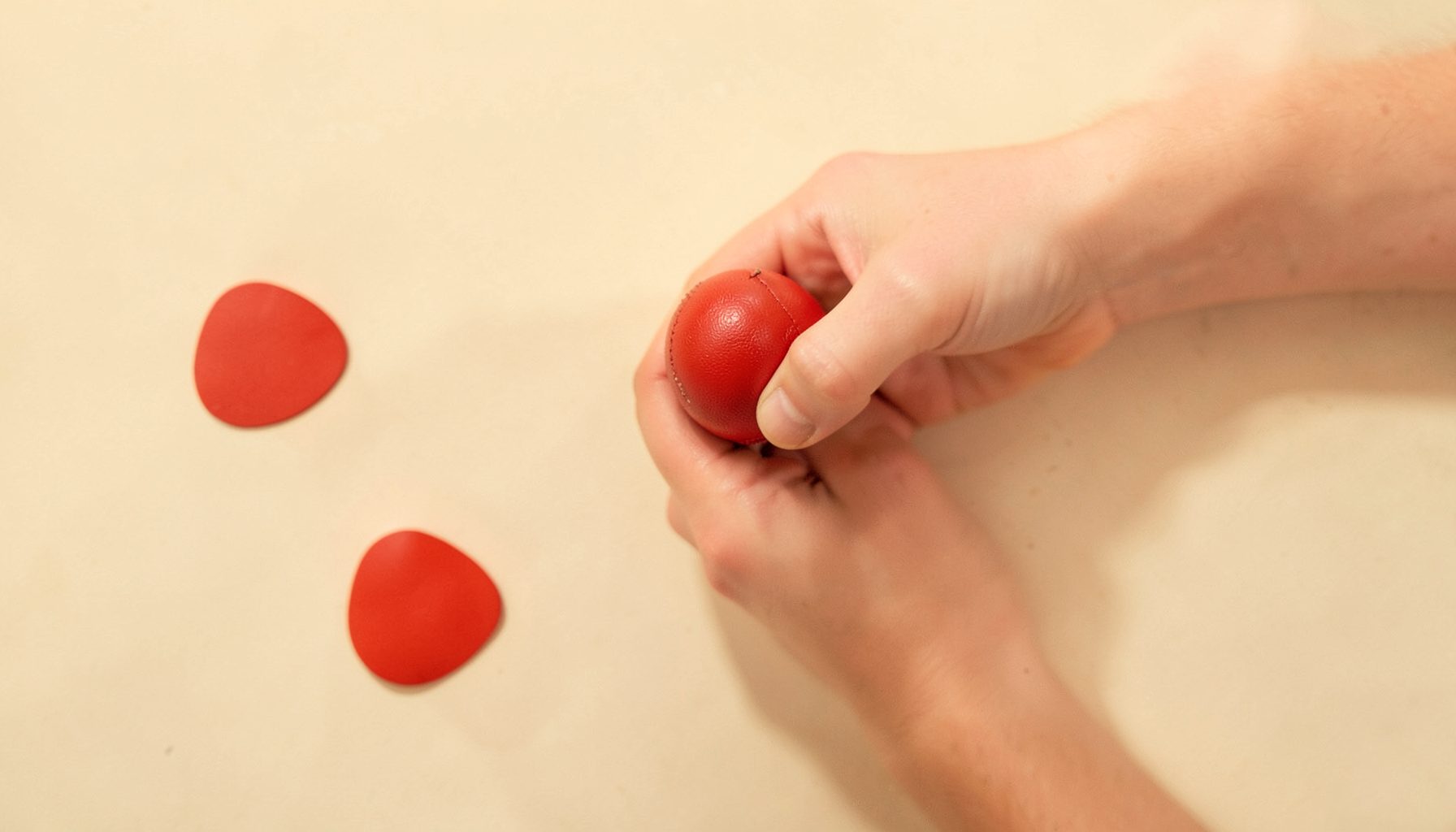
Use a softer training ball at first if the rebound feels fast, particularly for younger players. Once control improves, introduce the standard ball and vary the angle of return. A partner can call target zones, count consecutive contacts or feed balls from different positions. Solo players can create patterns such as centre, left, centre, right, followed by a recovery step to the middle.
Record occasional sessions on a phone placed well outside the playing area. Reviewing foot position, balance and preparation can reveal habits that are difficult to notice while moving. A home wall is especially valuable when combined with regular club coaching, school sessions and properly officiated competition.
Maintain the wall and connect with the sport
Inspect the structure every few weeks. Look for loose fixings, swollen board edges, rust, cracks and movement at the base. Clean dust and chalk residue with a soft brush and mild detergent, avoiding harsh chemicals that may damage the coating. Re-seal exposed timber before moisture enters, and repair surface damage promptly rather than allowing water to spread behind the panel.
Heat, rain and salt air can shorten the life of outdoor materials. In Darwin and other humid areas, provide ventilation behind the panel and watch for mould. Near the coast, rinse salt deposits from metal fittings with fresh water. During severe storms, keep movable equipment secured and stay away from the wall while lightning is present.
A home installation should also reflect the welcoming standards expected throughout the Rugby Fives community. Players, parents and coaches can review the association’s policies and safeguarding guidance before organising shared practice sessions, school activities or neighbourhood demonstrations. Clear expectations around supervision, inclusion and respectful behaviour make informal training safer for everyone.
Once the wall is established, connect it to the wider playing network. Use it to prepare for club fixtures, build confidence before a tournament or introduce a friend to the basic rebound skills. Australian players can look for opportunities through schools, community facilities and clubs in cities such as Sydney, Melbourne, Brisbane, Perth and Adelaide, where a small regular group can turn individual practice into a lasting local programme.
Set aside a consistent training time, inspect the wall before each session and keep the first drills simple. A carefully planned home rebound wall can turn a few spare metres into a reliable Rugby Fives training space. Build it safely, practise with purpose and share the sport with your local club, school or community group.