

Choosing The Right Rugby Fives Glove For Your Playing Style
A Rugby Fives glove is a small piece of equipment, but it can influence confidence, control, comfort, and consistency throughout a match. The best choice depends on how you strike the ball, how often you play, the condition of the court, and whether you value maximum feel or additional protection.
There is no single glove that suits every player. A newcomer may need a forgiving, comfortable design while learning the basics, whereas an experienced competitor may prefer a close-fitting glove that gives precise feedback during fast exchanges. Your hand shape and preferred playing hand matter just as much as the material or appearance.
A good glove should support your technique rather than distract from it. It should remain secure during repeated shots, allow natural movement through the fingers, and protect the hand without making the palm feel bulky. Considering these factors before buying can make training and competition more enjoyable.
Start With Your Playing Priorities
Think about the role your hand plays during a typical rally. If you rely on quick, controlled strikes and frequent changes of direction, a lightweight glove with a close fit may suit you. It can provide a sharper connection with the ball and help you sense small differences in pace and angle.
Players who hit with greater force may prefer a glove with stronger palm coverage or modest padding. Extra protection can be useful when hard shots produce repeated impact, particularly during long sessions. Padding should remain flexible, however, because excessive thickness can reduce touch and make the hand feel slow.
Your position and tactical habits also matter. A player who spends much of a match defending may value durability and protection, while an attacking player may prioritise grip, flexibility, and rapid recovery between shots. Consider your actual habits rather than choosing a glove based only on appearance or what another player uses.
Match The Glove To Your Hand
Fit is usually the most important factor. The glove should sit firmly across the palm and fingers without cutting into the skin or restricting circulation. Loose material can fold during a shot, creating friction and reducing consistency. A glove that is too tight can cause numbness, discomfort, or fatigue.
Measure your hand according to the manufacturer’s instructions, but use those measurements as a starting point rather than an absolute answer. Hand proportions vary: some players have long fingers, broad palms, or prominent knuckles. Try to assess whether the fingertips end naturally inside the glove and whether the fastening can be adjusted securely.
The wrist closure deserves attention as well. A reliable strap or elasticated opening prevents movement while still allowing easy removal between games. If you wear a wrist support, make sure the glove will work comfortably with it. A glove that fits perfectly in the shop may feel restrictive after several minutes of play.
Compare Materials, Grip, And Protection
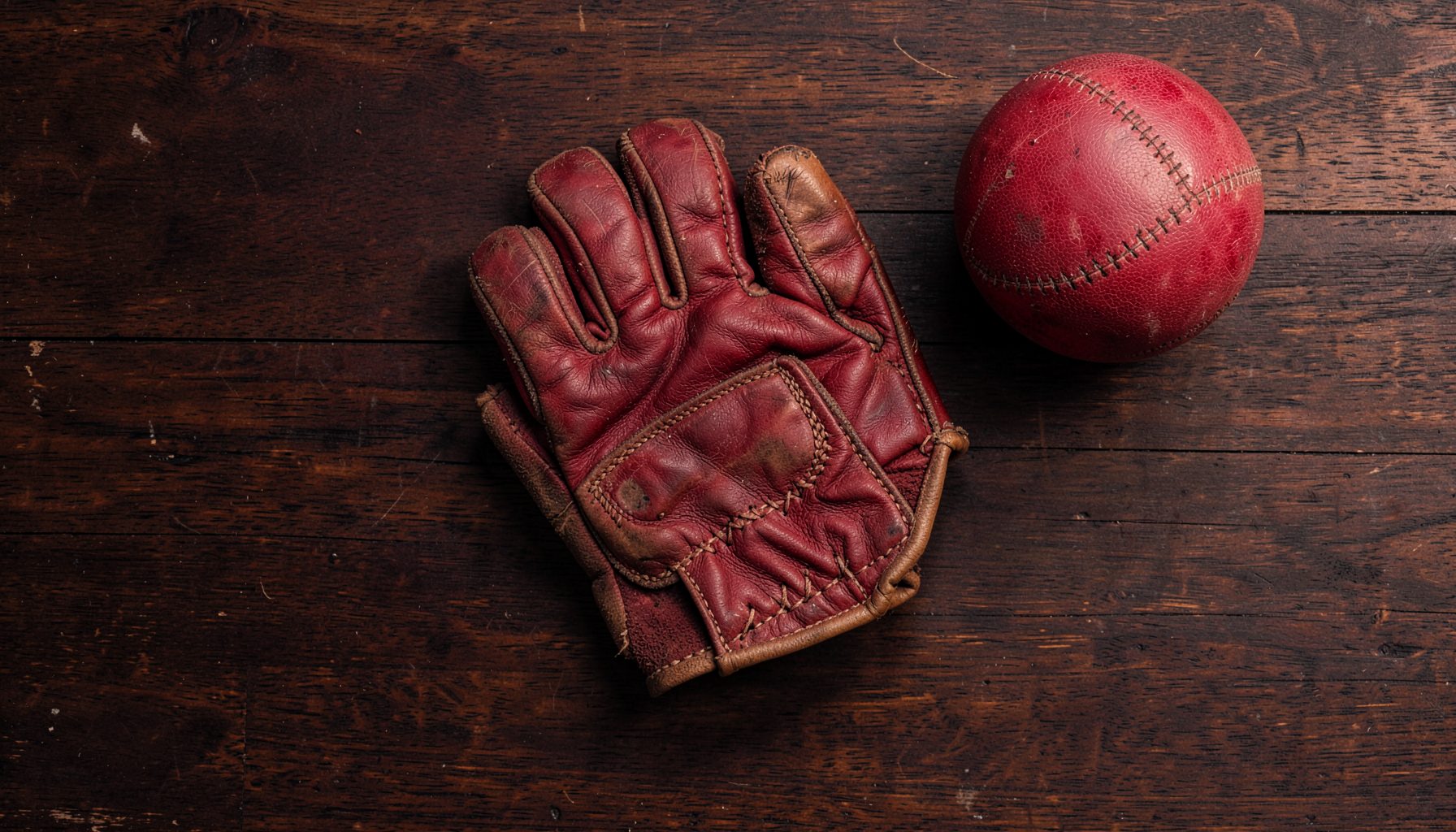
Leather and synthetic fabrics offer different sensations. Leather can provide a familiar, supple feel and may become more comfortable as it moulds to the hand. Synthetic materials are often lighter, easier to clean, and more consistent in damp conditions. Construction quality matters more than the label alone, so inspect the stitching, seams, and fastening.
Palm texture affects control, especially when the hand becomes warm or sweaty. A lightly textured palm may provide enough security while preserving ball feel. A more pronounced grip can help players who perspire heavily or want extra confidence during powerful shots, but an overly tacky surface may feel less natural when adjusting hand position.
Ventilation is valuable during tournaments and extended practice. Mesh panels or breathable sections can reduce heat build-up, while reinforced areas can protect parts of the hand that receive the most contact. Look for a balance between airflow and durability rather than choosing the most heavily padded design available.
| Glove Characteristic | Suited To | Main Advantage | Possible Trade-Off |
|---|---|---|---|
| Lightweight, close fit | Fast, touch-focused players | Precise ball feedback | Less impact protection |
| Moderate palm padding | Powerful or defensive players | Greater comfort on hard shots | Slightly reduced feel |
| High-grip palm texture | Sweaty hands or humid courts | Secure contact | May feel less flexible |
| Breathable synthetic fabric | Frequent training and tournaments | Quick drying and easy care | May feel less supple than leather |
| Soft leather construction | Players who value natural feel | Comfortable moulding over time | Requires careful maintenance |
| Reinforced seams and palm | Regular, intensive use | Improved durability | Can add weight or stiffness |
Consider Court Conditions And Match Demands
The environment can change how a glove performs. A warm indoor court may make your hands sweat, increasing the value of moisture management and breathable fabric. In cooler conditions, a glove that retains a little warmth may feel more comfortable, though it should never compromise finger movement.
Think about how long you usually play. A glove that feels excellent for ten minutes may become uncomfortable during a full match or a day of competition. Test it through extended rallies and observe whether seams rub, the wrist closure loosens, or the palm becomes slippery.
Training frequency should influence durability. Occasional players may be satisfied with a simple, flexible glove, while club regulars need materials and stitching that can withstand repeated use. Players moving between practice, league fixtures, and tournaments should choose a dependable all-rounder rather than a highly specialised glove.
Checking upcoming Rugby Fives fixtures can also help you plan when to test new equipment. Give yourself enough practice time before an important match so that the glove can settle and any fit problems can be identified early.
Test Feel Before Committing
Whenever possible, handle the glove and mimic your normal striking action before buying. Open and close the hand, rotate the wrist, and press the palm against a surface. The material should flex at the creases rather than pulling tightly across them.
A short hitting session is more informative than trying the glove on while standing still. Pay attention to whether you instinctively alter your grip, whether the glove slips after repeated shots, and whether the seams become noticeable. Equipment should support a consistent technique, not force you to compensate.
Try to compare gloves under realistic conditions. If you normally play with a sweaty hand, test the glove after warming up. If you use a particular ball or train on a specific court surface, replicate those conditions where practical. A glove that performs well in a showroom may behave differently during an active rally.
Build A Simple Care Routine
Even a durable glove will wear out quickly if it remains damp or compressed in a kit bag. Allow it to dry naturally after every session, away from direct heat. High temperatures can stiffen leather, weaken adhesives, and distort synthetic materials.
Follow the care instructions supplied with the glove. Some fabrics can be gently cleaned, while others should only be wiped. Avoid harsh detergents unless the manufacturer specifically allows them. Dirt and perspiration can affect grip, so regular light cleaning is preferable to occasional aggressive washing.
Keep the glove flat or loosely shaped when stored. Do not leave heavy equipment pressing against it, and inspect the palm, fingertips, and wrist fastening regularly. A small tear can often be addressed before it affects performance, while a worn grip or stretched closure is a sign that replacement should be considered.
Make Your Final Selection
Use the following checks when comparing a glove in a shop or online:
- Choose a secure fit with no painful pressure around the fingers, palm, or wrist.
- Match padding and palm texture to your striking style and desired level of protection.
- Prioritise breathable, quick-drying materials if you train frequently or play in warm conditions.
- Check stitching, reinforcement, and fastening quality to support regular use.
- Test the glove during realistic practice before relying on it for competition.
Price can help indicate construction quality, but it should not be the deciding factor. A moderately priced glove with an excellent fit will usually serve you better than an expensive model that limits movement. Replace the glove when its shape, grip, or seams begin to affect your technique, even if the fabric still looks presentable.
The right choice should feel almost unnoticeable once play begins. It should give you confidence in contact with the ball, enough protection for your workload, and freedom to use your natural technique. Explore suitable options, test them during training, and choose the Rugby Fives glove that helps your hand work at its best.