


Choosing The Right Equipment For Rugby Fives
A search for “How to Choose the Right Rugby Fives Stringing for Your Bat” may lead to advice about racket tension, replacement strings, or cricket bat preparation. Rugby Fives is different. The sport is played with a gloved hand and a ball against purpose-built walls, so players do not use a strung racket or bat during a match.
That distinction matters because string tension, frame weight, and racket balance have no role in Rugby Fives equipment selection. The most important choice is usually the glove: its fit, flexibility, durability, and level of protection can affect control, confidence, and comfort throughout a game.
For anyone moving between sports, buying equipment for a junior player, or preparing for a club session, understanding the correct kit prevents unnecessary expense. It also helps players focus on the features that genuinely support good technique and safe participation.
What Equipment Rugby Fives Actually Uses
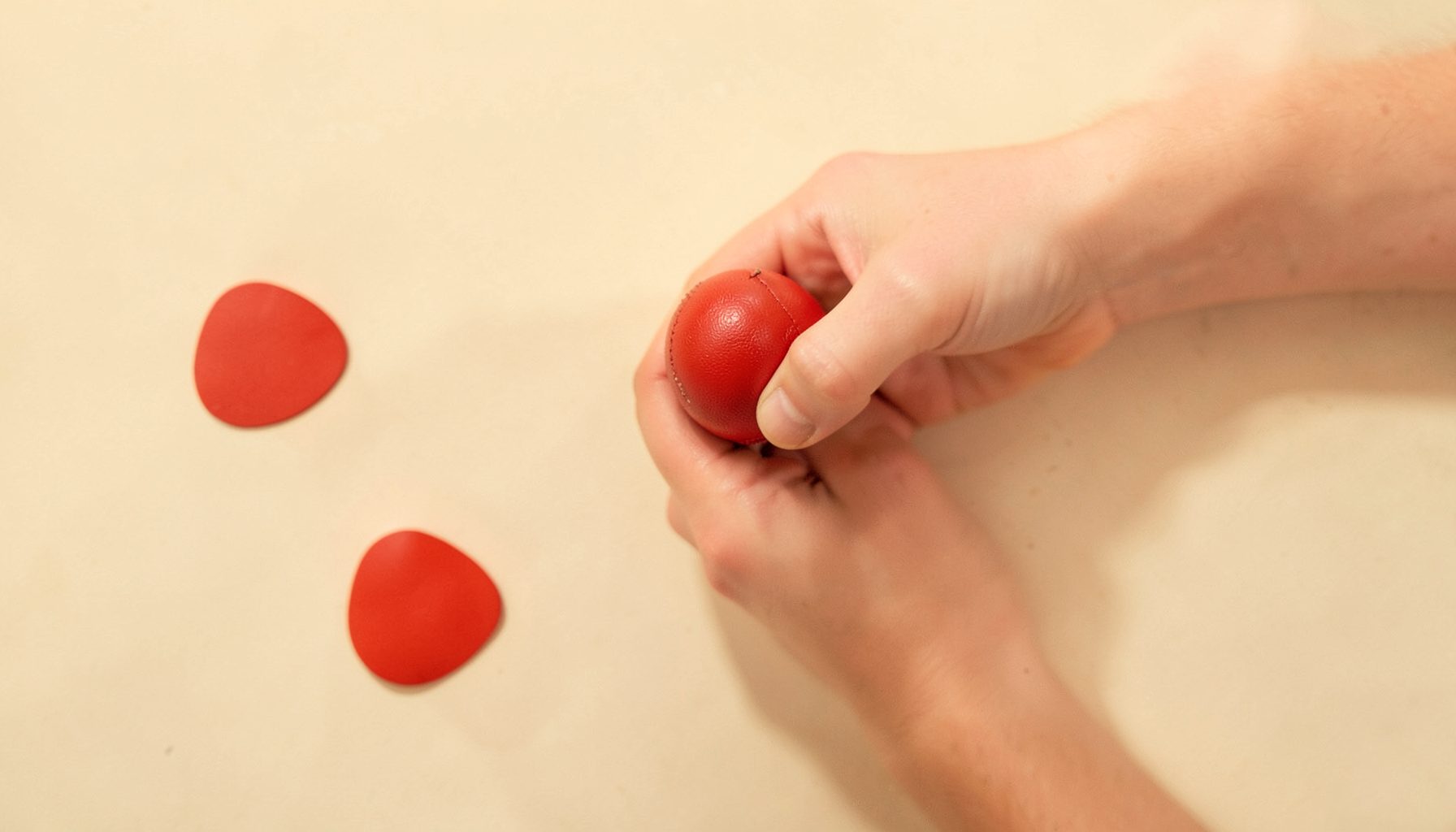
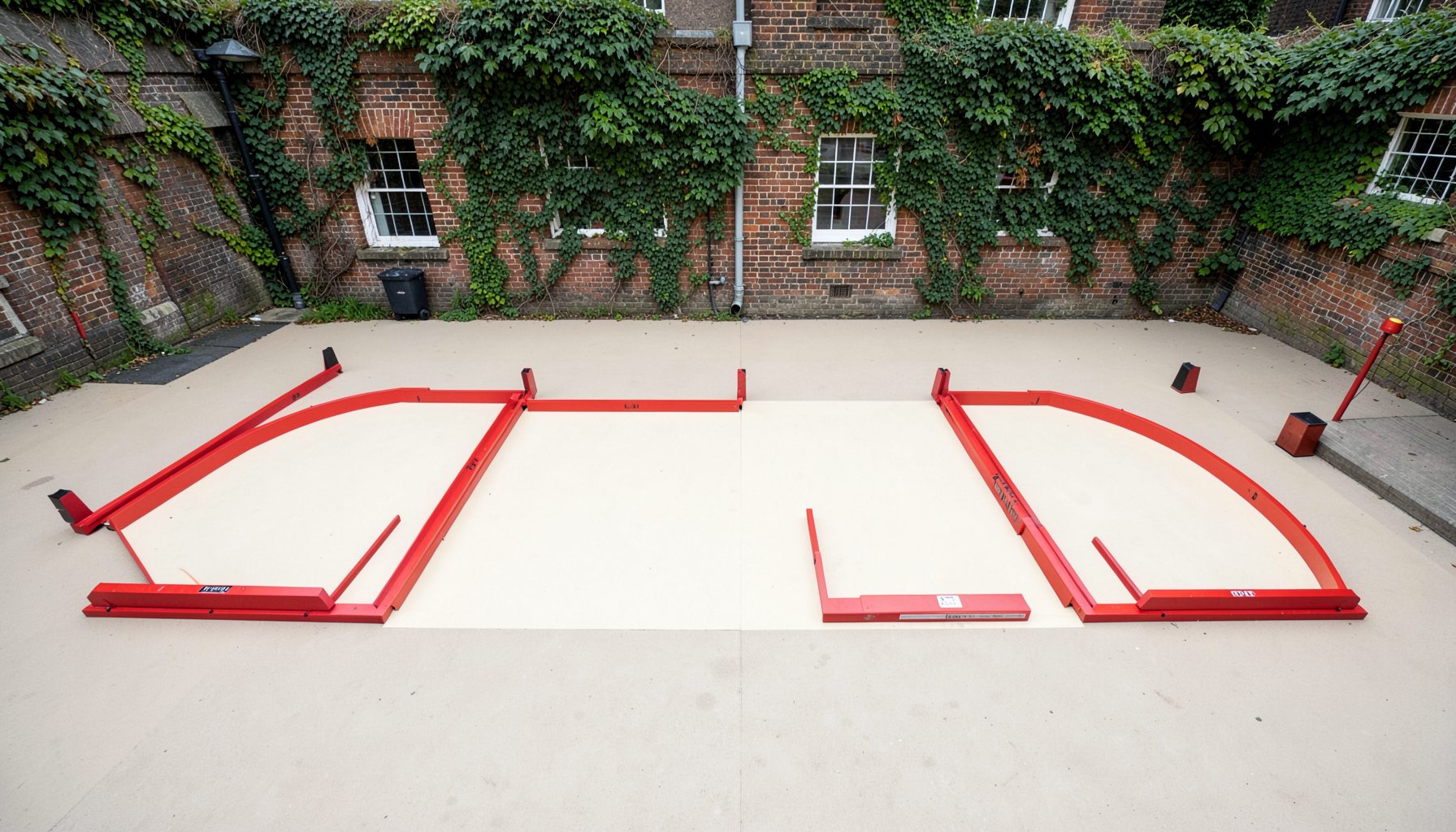
Rugby Fives is a handball game played on a court with walls that create the playing surface. Players strike the ball with a gloved hand, directing it against the front wall and responding to their opponent’s shots. Movement, timing, hand position, and accurate reading of the rebound are central to the sport.
A typical player therefore needs suitable gloves, comfortable sports clothing, indoor footwear, and access to an approved or club-standard ball. Some venues and competitions may have specific expectations about equipment, so players should check local guidance before attending a fixture or championship.
There is no racket head, handle, string bed, or bat face to tune. A glove may have seams, panels, elastic, or fastening features, but these should not be confused with racket stringing. Choosing equipment begins with the hand and the demands of the court rather than with a tension measurement.
Why Stringing Does Not Apply
Racket stringing describes the network of strings fitted into equipment such as a badminton racket, tennis racket, or squash racket. Tension changes how the racket responds when the ball or shuttle contacts the strings. A cricket bat, meanwhile, is generally selected by size, willow grade, weight, handle design, and preparation rather than by string tension.
Neither system applies to Rugby Fives. Searching for “Rugby Fives bat stringing” can produce mixed results because online equipment terms often overlap across sports. A player who buys a strung racket for a Rugby Fives session will have equipment that is unsuitable for the rules and mechanics of the game.
If a coach, club, or retailer has mentioned “stringing,” it is worth clarifying which sport and item they mean. They may be discussing another court game, a racket used for cross-training, or a different form of Fives. Rugby Fives clubs and the Rugby Fives Association can provide the most relevant guidance for the sport’s actual equipment.
Selecting A Suitable Fives Glove
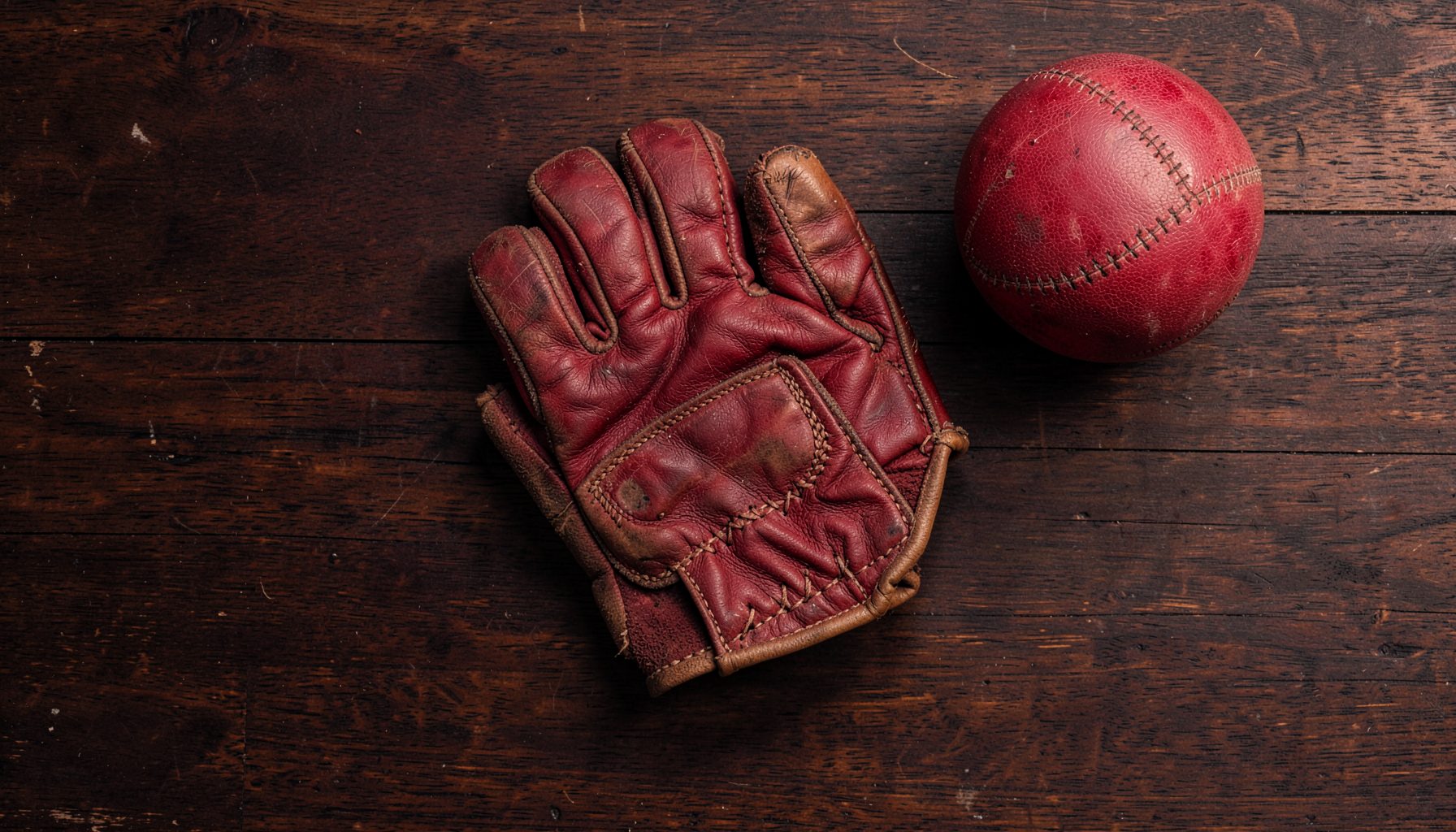
Fit should be the first consideration. A glove needs to stay secure while the hand moves rapidly, yet it must not restrict the fingers or create pressure across the knuckles. Excess material at the fingertips can interfere with clean contact, while an overly tight glove can cause discomfort and reduce hand movement.
Material also affects performance. Leather or durable synthetic panels can provide a balance of feel and protection, but the best choice depends on the player’s preferences, frequency of play, and local conditions. A new glove may feel firm at first and require a short break-in period before it conforms naturally to the hand.
Pay attention to the palm and striking areas. These parts receive repeated impact and may wear more quickly than the back of the glove. Strong stitching, smooth internal seams, and a secure wrist fastening can extend useful life. Gloves should be inspected regularly for thinning material, split seams, or areas that have become loose.
Matching Glove Features To Playing Needs
Beginners often benefit from a comfortable, forgiving glove that allows them to concentrate on basic hand shape and positioning. A glove that feels natural is generally more useful than one chosen for a technical feature the player cannot yet assess. Comfort can also encourage regular practice, which has a greater effect on development than small equipment differences.
Experienced players may have more specific preferences. Some value a close fit and a thin palm for greater feedback, while others prefer additional padding or a more robust construction for frequent competitive play. Neither approach is universally correct; the right balance depends on playing style, hand strength, and tolerance for impact.
Hand size should be measured according to the manufacturer’s instructions, since sizing systems can vary. Try gloves on both hands if possible, especially when buying for a young player whose hands are still growing. The fastening should hold the glove in place without cutting into the wrist or leaving excessive slack.
| Equipment Feature | What It Affects | What To Check |
|---|---|---|
| Glove size | Control, comfort, and hand movement | Fingers reach the ends without excess material |
| Palm material | Feel, durability, and impact comfort | Even construction and no rough internal seams |
| Wrist fastening | Stability during rapid movement | Secure fit without pressure or slipping |
| Indoor footwear | Grip, balance, and court safety | Non-marking sole and reliable lateral support |
| Ball choice | Rebound, pace, and practice consistency | Suitable type recommended by the venue or club |
| Racket strings or bat features | Performance in other sports | Not applicable to standard Rugby Fives play |
Avoiding Cross-Sport Equipment Mistakes
A player who also plays squash, tennis, badminton, or cricket may already own several types of equipment. Those sports use different contact surfaces and techniques, so their advice cannot automatically be transferred to Rugby Fives. Racket string tension, for example, is relevant when choosing a squash racket but offers no guidance on glove construction.
The same caution applies to terminology. “Fives” can refer to more than one related wall-ball tradition, and equipment customs may differ between versions. Before purchasing specialist kit, identify the precise discipline, venue, and competition format.
Online product descriptions can also be vague. A listing that uses phrases such as “Fives bat,” “handball racket,” or “court glove” may not describe equipment intended for Rugby Fives. Product photographs, dimensions, and a clear description of intended use should be checked before ordering.
Practical Equipment Checks Before Play
A short inspection before each session can prevent small equipment problems from becoming distractions during play. Check that gloves are dry, fastenings work properly, and no damaged area is likely to affect contact with the ball. Players should also make sure footwear is clean and suitable for the court surface.
Use practice sessions to assess comfort rather than waiting for a tournament. Notice whether the glove twists, rubs, limits finger movement, or becomes uncomfortable after repeated striking. Feedback from a coach or experienced club member can help identify a sizing issue that is difficult to recognise alone.
A simple preparation routine can include:
- Choose gloves that fit securely without restricting the fingers.
- Check palm panels, seams, and wrist fastenings for wear.
- Wear clean, non-marking indoor shoes with dependable grip.
- Use the ball recommended by the club, venue, or competition organiser.
- Ask a Rugby Fives coach before adapting equipment from another sport.
The most reliable equipment decisions come from trying appropriate gloves in realistic practice conditions. Clubs can often explain local preferences, help newer players compare sizes, and identify suitable suppliers. The Rugby Fives Association’s network of clubs, coaches, competitions, and development programmes is also a useful starting point for finding informed support.
Rugby Fives does not require a strung bat, and no string tension can improve a player’s performance in the sport. Invest instead in a well-fitting glove, safe footwear, and regular coaching. Contact a Rugby Fives club or the Rugby Fives Association to arrange a session, check equipment expectations, and take the next step onto the court.