

Choosing Your First Rugby Fives Bat: What You Really Need
If you are searching for your first Rugby Fives bat, there is an important distinction to make before buying anything. Rugby Fives is played with the hands, rather than a racket, paddle, or wooden bat. The key piece of personal equipment is a pair of specialist gloves, supported by suitable court shoes and comfortable sports clothing.
This can be confusing for newcomers because Rugby Fives shares features with several racket sports. Players strike a hard ball against the front wall and use angles, movement, and quick reactions to win rallies. However, the hand is the striking surface, so choosing the right glove matters far more than finding a bat.
The best first purchase is usually practical rather than expensive. A good fit, adequate protection, and advice from an experienced player will help you develop sound technique while avoiding unnecessary discomfort. Your club, school, coach, or the Rugby Fives Association can also explain which equipment is appropriate for local play.
Understand The Equipment Before You Buy
There is no standard Rugby Fives bat used in the sport. A tennis racket, squash racket, table-tennis bat, or hand paddle will not provide the correct experience and may be unsuitable for a formal session. Rugby Fives depends on direct contact between the gloved hand and the ball, allowing players to control direction and speed through subtle changes in hand position.
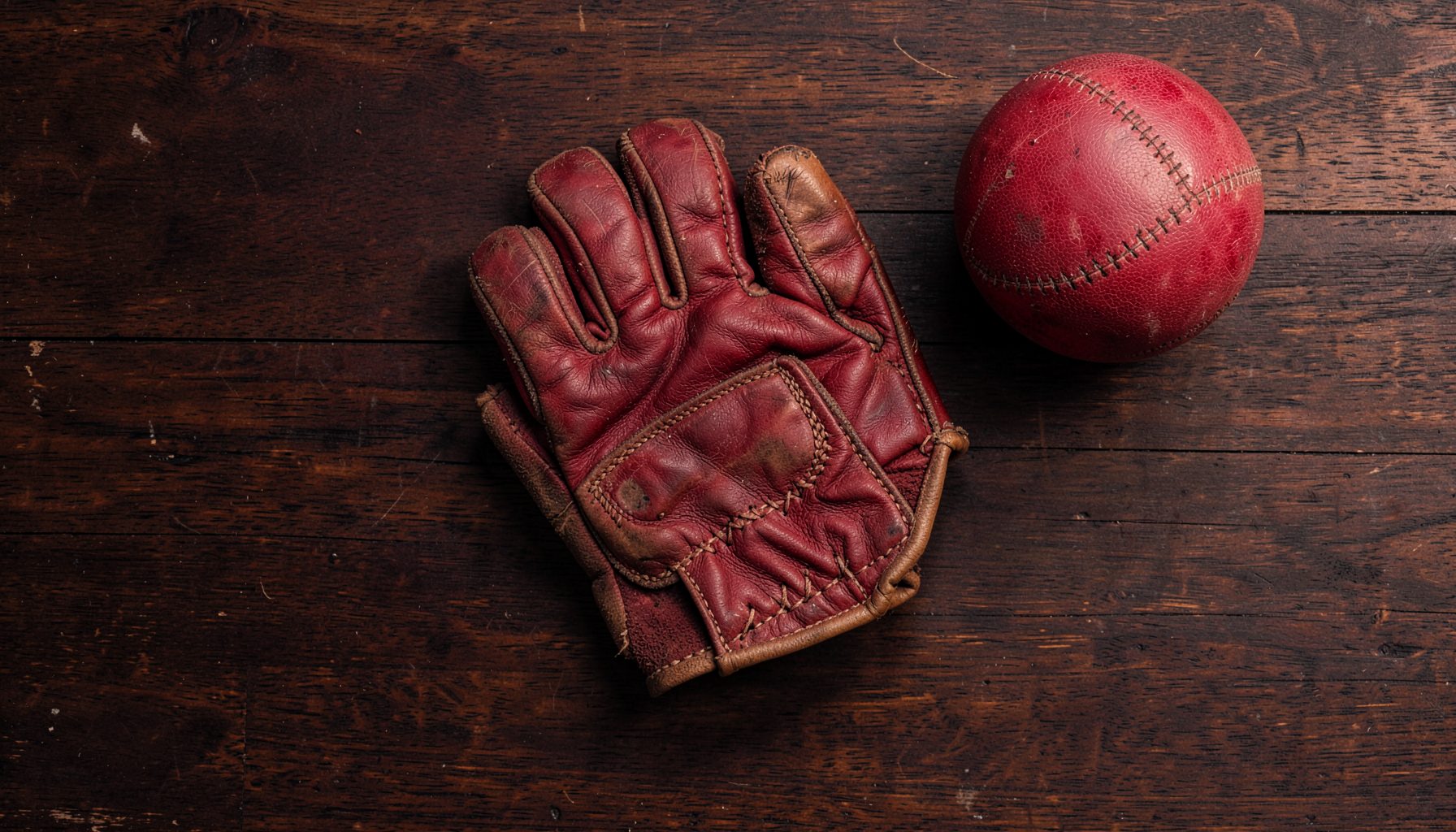
Rugby Fives gloves are designed to protect the hand from repeated impacts. They also help create a consistent striking surface without removing the feel needed for passing, serving, and defending. Some players prefer a close-fitting leather glove, while others may choose a modern synthetic design, depending on availability, comfort, and playing level.
Before spending money, attend a coaching session or club practice if possible. Many established venues have spare gloves and balls for beginners. Trying several sizes will tell you more than an online product description, especially because glove patterns and measurements can vary between manufacturers.
Choose Gloves That Fit Securely
A first glove should feel close to the hand without restricting finger movement. Excess material at the fingertips can affect control, while a glove that is too tight may cause pressure points during a long practice. The palm should sit flat against the hand, and the fastening should hold the glove firmly without digging into the wrist.
Your fingers should reach the ends of the glove without being compressed. Make a relaxed fist and then open the hand several times. If the material pulls sharply across the knuckles, or if your fingertips press against the seams, try another size or style. A coach or experienced player can check the fit while you make basic hand movements.
Protection is also important. A beginner may strike the ball late or catch it awkwardly while learning defensive techniques. Look for durable palm material and secure stitching, but do not assume the thickest glove is automatically the best. Excess padding can reduce touch and make it harder to learn accurate hand placement.
Match Your Choice To Your Playing Needs
The most suitable glove depends partly on where and how you expect to play. A child joining a school programme may need a flexible, durable glove that can withstand frequent practice and changing hand sizes. An adult beginner may prefer a more structured glove with a close fit for regular club sessions.
If you already play another hand-based sport, you may have clear preferences about grip and flexibility. Those preferences are useful, but Rugby Fives places distinctive demands on the palm and fingers. A glove made for cycling, boxing, goalkeeper training, or general fitness is not necessarily suitable for striking a Rugby Fives ball.
Consider the conditions at your usual venue as well. Indoor courts can feel warm during busy sessions, while older courts may require more careful control and protection. Ask players at the club which gloves last well in that environment. Local advice is especially valuable when specialist equipment is difficult to find through general sports retailers.
Compare The Main First-Equipment Options
The table below separates genuine Rugby Fives equipment from items that may seem similar but serve a different purpose. It can help you avoid buying a racket or paddle simply because the search term “Rugby Fives bat” appears in an online listing.
| Equipment choice | Suitable for Rugby Fives? | Best use | What to consider |
|---|---|---|---|
| Specialist Rugby Fives gloves | Yes | Regular practice, matches, and coaching | Prioritise fit, protection, palm durability, and hand mobility |
| Club or school loan gloves | Yes | Trying the sport or attending a first session | Check cleanliness, size, wear, and availability |
| Tennis or squash racket | No | Other racket sports | Changes the striking action and is not part of Rugby Fives |
| Table-tennis bat or paddle | No | Table tennis or recreational games | Too small and unsuitable for the Rugby Fives ball |
| General sports glove | Usually no | Fitness or other activities | May lack the right palm shape, protection, and feel |
| Court shoes with non-marking soles | Yes | Movement and safe court play | Choose stability, grip, comfort, and an appropriate fit |
Buying loan equipment first is often sensible. It lets you learn the basic movement patterns and decide whether you prefer a softer or firmer glove before making a personal purchase. Once you know your size and playing frequency, a specialist pair becomes a more confident investment.
Do Not Overlook Shoes And Ball Control
Although gloves are the closest equivalent to a “bat” in a beginner’s search, footwear has a major effect on early progress. Rugby Fives involves short sprints, sudden stops, lateral movement, and repeated changes of direction. Court shoes with a stable sole can help you move safely and maintain balance when reaching for a low or wide ball.
Running shoes are designed for forward motion and may not provide enough lateral support. Outdoor trainers can also mark an indoor court or offer an unpredictable level of grip. Follow the venue’s footwear rules and ask whether non-marking soles are required before attending a session.
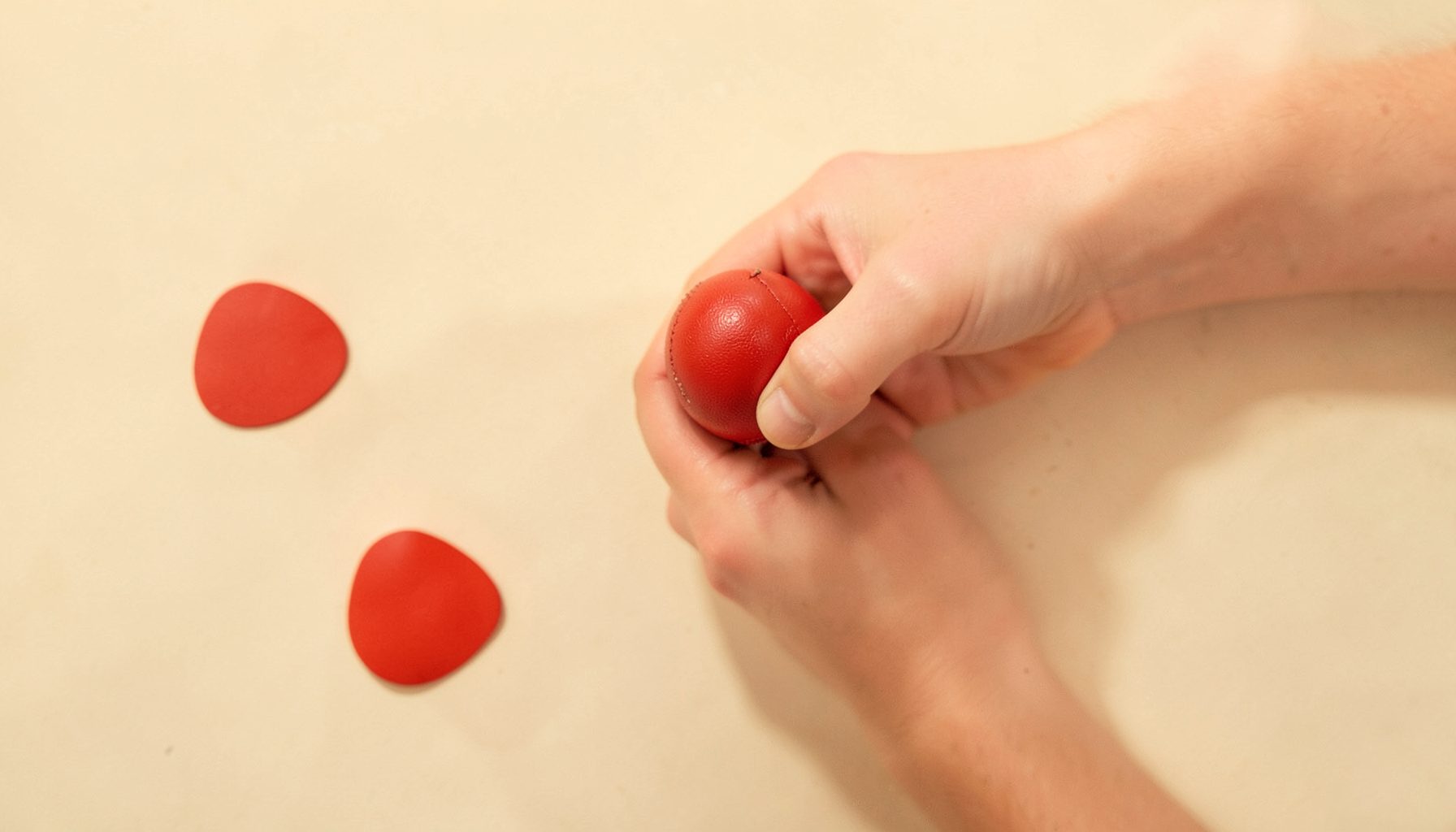
The ball is normally supplied by the club, school, tournament organiser, or coach. It is best to learn with the ball used at your venue rather than buying an unrelated handball or training ball. Ball weight, bounce, and surface can affect timing, so consistency will help you build reliable control.
Make Your First Purchase Sensibly
Price should be considered alongside expected use. If you plan to attend one introductory session, borrowing gloves is more sensible than immediately buying premium equipment. If you are joining a club or entering school competitions, a durable personal pair can improve hygiene, consistency, and comfort.
Inspect gloves before buying them. Check the seams, palm surface, wrist fastening, and flexibility around the fingers. If you are ordering online, use the manufacturer’s measurement guide and check the returns policy. Measuring both hands can be helpful, since hand size is not always perfectly symmetrical.
Look after your equipment from the start. Allow gloves to dry naturally after use, keep them away from excessive heat, and follow any care instructions supplied with the material. Replace them when the palm becomes dangerously thin, seams open, or the fit changes enough to affect control.
A Simple Starting Checklist
Use these priorities when preparing for your first Rugby Fives session:
- Confirm that you need Rugby Fives gloves rather than a racket, paddle, or bat.
- Ask your club, school, or coach whether loan gloves and balls are available.
- Measure your hand and choose a snug fit that still allows full finger movement.
- Select stable, comfortable court shoes that meet the venue’s rules.
- Check the glove’s palm, stitching, fastening, and care instructions before buying.
Your first equipment choice should support learning rather than distract from it. A glove that feels secure will make it easier to practise the basic striking position, serve consistently, defend the front wall, and develop confidence during rallies.
Visit a Rugby Fives club, school programme, or coaching session through the Rugby Fives Association to try the sport with suitable equipment. Speak with a coach or experienced player, test the fit of available gloves, and take your first steps onto the court with the equipment Rugby Fives actually uses.