
How to Clean and Grip Your Rugby Fives Racquet
Rugby Fives is played with the hands against a four-sided court wall, so standard Rugby Fives does not use a racquet. Players rely on a suitable glove, clean contact surfaces and controlled hand movement. If you have been searching for advice on how to clean and grip your Rugby Fives racquet, you may actually mean your playing glove or a racquet used for supplementary training.
That distinction matters because racquet string, frame and handle care is very different from glove care. A clean, well-maintained glove can improve comfort, confidence and ball control, while an unsuitable cleaning product may harden leather, weaken stitching or reduce friction. The same basic principles apply whether you play at a school, club or community court in Australia.
Check The Equipment Before Cleaning
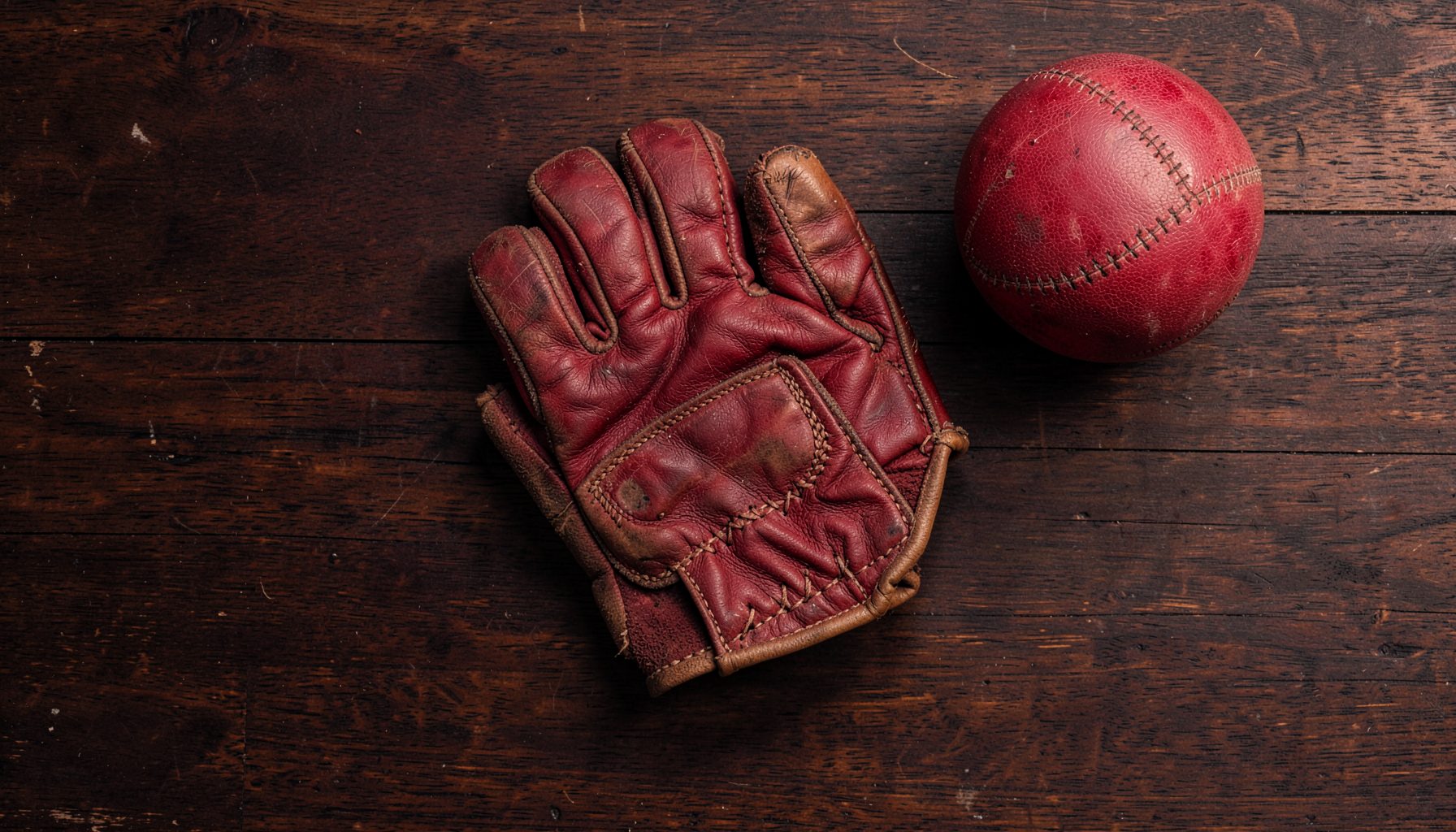
Begin by identifying the item in your kit. A Rugby Fives glove may be made from leather, synthetic leather, fabric or a combination of materials. Look at the palm, fingers, seams and wrist fastening for signs of wear. If the palm has become shiny, cracked or excessively smooth, cleaning alone will not restore its original grip.
Remove dust and loose grit with a soft, dry brush or a clean microfibre cloth. Pay particular attention to the finger creases and stitching, where fine particles can collect. Avoid using a stiff household brush, as it can roughen leather and pull at fabric fibres.
If you use a racquet for hand-eye coordination or another court sport, inspect its handle separately. A loose replacement grip, exposed adhesive or cracked butt cap should be repaired before use. Do not assume that a glove-cleaning product is suitable for a synthetic racquet handle.
Clean Leather And Synthetic Materials Safely
For a leather glove, use a slightly damp cloth with lukewarm water. If more cleaning power is needed, apply a very small amount of mild soap to the cloth rather than pouring liquid directly onto the glove. Wipe gently across the palm and fingers, then remove soap residue with a second damp cloth.
Do not soak leather, place it in a washing machine or use bleach, disinfectant, alcohol wipes or strong degreasers. These products can strip natural oils and leave the material stiff. Australian heat can make this problem worse, particularly when equipment is left in a closed car in Brisbane, Sydney or Perth.
Synthetic gloves are often more tolerant of gentle washing, but the care label should take priority. Many can be hand-washed in cool water and rinsed thoroughly. Keep the glove away from direct sunlight while it dries; intense Australian UV can fade materials and accelerate cracking.
Dry And Store The Glove Properly
After cleaning, press the glove between clean towels to remove excess moisture. Do not wring it, twist the fingers or place it on a heater. Shape the glove naturally and allow it to air-dry in a shaded, well-ventilated room.
Humidity deserves attention in coastal and tropical areas. A damp glove stored in a closed kit bag can develop an unpleasant smell or mould. Players in Cairns, Darwin and other humid locations should empty their kit after training and leave the bag open until everything is completely dry.
Avoid storing equipment on a sunny balcony or in a vehicle. A cool cupboard is preferable, with the glove kept away from wet clothing and dirty shoes. If odour is a problem, ventilation is safer than perfume or heavy deodorising sprays, which can irritate skin and damage some finishes.
Restore A Reliable Playing Grip
Grip comes from a combination of clean material, correct fit and controlled technique. The glove should fit closely without restricting finger movement. Excess material at the fingertips can make ball contact feel vague, while a glove that is too tight may split at the seams or cause numbness.
Before play, check that the palm is dry and free from soap residue. Do not apply tacky substances, resin or general-purpose grip spray unless the product is specifically approved for the equipment and venue. Added stickiness can make the ball release unpredictable and may mark a school or club wall.
If your glove has a textured palm, preserve that texture by avoiding aggressive sanding. If it has a smooth leather palm, a suitable leather conditioner may be used sparingly and only when the manufacturer permits it. Test any conditioner on a hidden area first, because over-conditioning can make the surface slippery.
For a training racquet, grip the handle firmly enough to control the racquet but loosely enough to keep the wrist mobile. The handle should sit diagonally across the fingers, with the thumb supporting the side of the grip. Replace a worn overgrip instead of trying to clean away deeply embedded sweat and dirt.
Build A Simple Australian Care Routine
A practical routine is easier to maintain than occasional intensive cleaning. Wipe the glove after each session, inspect it weekly and carry out a deeper clean when visible dirt or odour appears. Keep a small cloth and a ventilated equipment pouch in your kit so maintenance becomes part of packing up.
The Australian sporting-goods market includes specialist online retailers, tennis and squash shops, school suppliers and large chains. Product descriptions can vary, so check whether a cleaner is intended for leather, synthetic leather, rubber or fabric. A product marketed for football boots may not be appropriate for a thin playing glove.
Consumer guarantees under the Australian Consumer Law apply when sporting equipment is faulty or does not match its description. Keep receipts and contact the retailer if stitching fails prematurely or a replacement grip separates under normal use. Normal abrasion, poor storage and damage from unsuitable chemicals are generally treated differently from a manufacturing fault.
At schools and clubs, label personal gloves and avoid sharing them unless they can be cleaned and dried properly between users. This is especially useful during community sessions and introductory programmes, where equipment may pass through many hands.
Know When To Replace The Equipment
Cleaning cannot repair a split palm, exposed lining or stretched wrist fastening. Replace the glove when the playing surface has become smooth enough to affect control, when holes expose the hand or when the fit changes significantly. Continuing with damaged equipment can alter technique and create pressure points.
A racquet used for supplementary training also needs replacement when its grip rotates, the frame is cracked or the handle feels unstable. Never tape over a structural crack and continue playing. A temporary wrap may conceal a problem without restoring strength.
Use the following guide to choose an appropriate care response:
| Equipment condition | Recommended action | Avoid |
|---|---|---|
| Light dust or court grit | Brush gently and wipe with a dry cloth | Hard scrubbing |
| Mild surface dirt | Use a damp cloth and mild soap suitable for the material | Bleach and strong solvents |
| Wet after training | Towel-press and air-dry in shade | Heaters, hairdryers and direct sun |
| Slight leather dryness | Apply approved conditioner sparingly | Heavy oils or soaking |
| Loose racquet overgrip | Remove and replace the grip | Playing with a twisting handle |
| Cracked glove or racquet frame | Retire and replace the item | Covering structural damage with tape |
Clean equipment supports safer, more consistent practice, but it does not replace sound technique. Rugby Fives players should focus on relaxed hand movement, balanced footwork and a glove that feels secure without restricting natural contact with the ball.
For rules, clubs, coaching opportunities and Rugby Fives activity in the UK and beyond, connect with the Rugby Fives Association and support the sport through participation, volunteering or school and community programmes.