


Coaching Newcomers in Rugby Fives: A Structured Approach
The first thing any new coach in Rugby Fives needs to grasp is that the sport rewards patience as much as athleticism. A fives court looks simple at a glance, yet the angles, hand-eye coordination demands, and tactical chess match between attacker and defender require careful, layered instruction. For Australian coaches working with school groups, university societies, or community clubs in cities like Melbourne and Sydney, a beginner programme should feel welcoming while still pushing players towards genuine competence.
Beginners often arrive having only watched a few clips online or heard about the sport from older relatives who perhaps played at Geelong Grammar, Melbourne Grammar, or The King's School, Parramatta. Others stumble across a court at a multi-sport venue and want to give it a go. Whatever the entry point, the coach's job is to translate the unique rhythm of the game into small, repeatable lessons that build confidence fast.
Reading the Court and Kit Basics
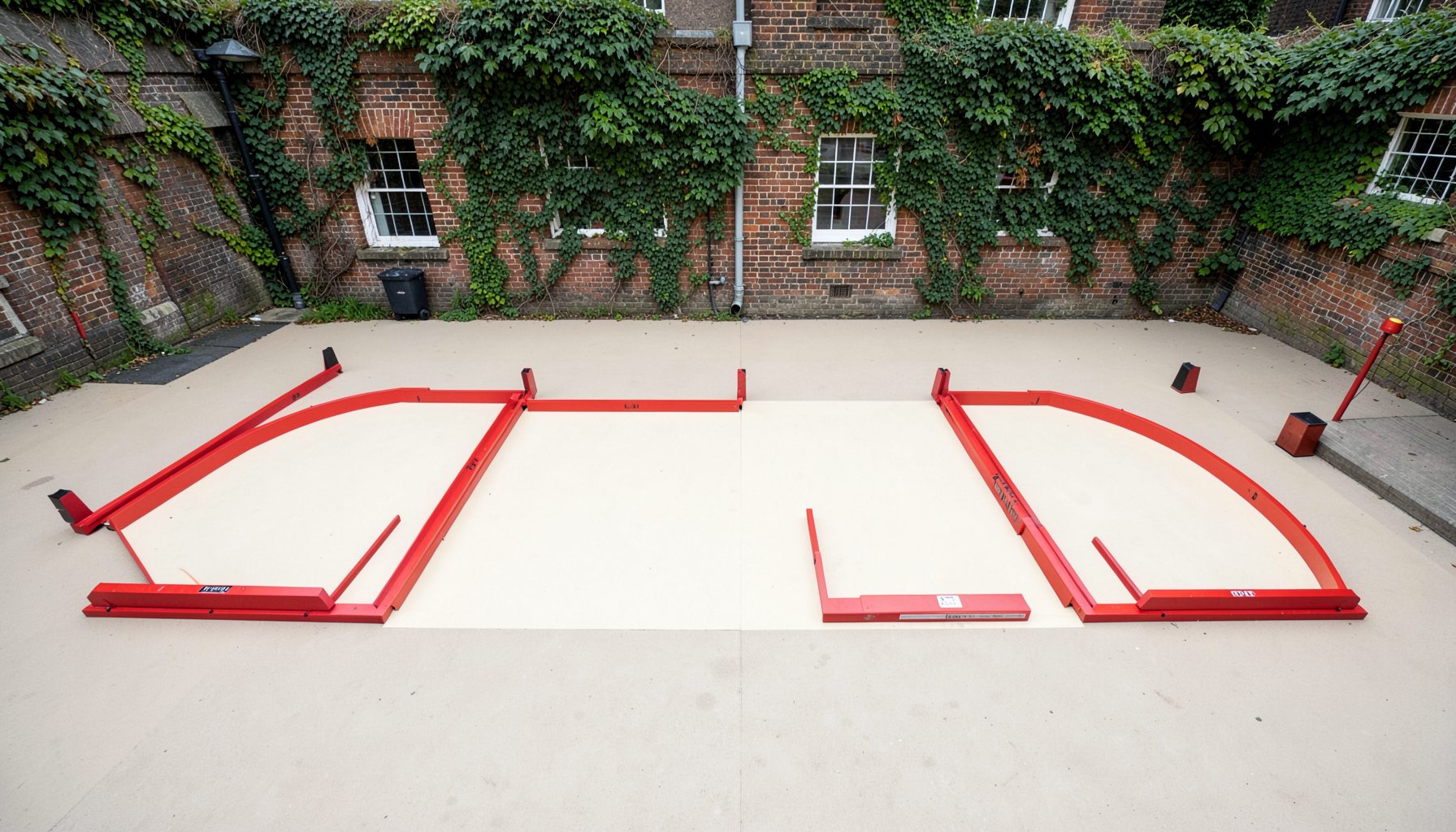
A standard Rugby Fives court has three main walls and a buttress on the fourth side, with a step running across the back. Beginners must learn how the ball rebounds off each surface, because the same stroke sent against the front wall behaves very differently when it strikes the right-hand side or glances off the buttress. Walking novices around the court before any hitting begins helps them feel the geometry.
Equipment is straightforward: hand-made leather balls in sizes suitable for adults and juniors, comfortable non-marking court shoes, and gloves for players prone to sore hands. Clubs in Brisbane, Perth, and Adelaide often source balls through UK suppliers or local leather goods specialists. A coach should arrive early to chalk the lines, check the netting, and place a few demonstration balls ready for the warm-up.
| Drill | Main Focus | Best Group Size | Recommended Duration |
|---|---|---|---|
| Wall rallies | Hand-eye timing | 2 players per ball | 10 minutes |
| Target zones | Accuracy and placement | 3–4 players per ball | 12 minutes |
| King of the court | Competitive pressure | 4–6 players | 15 minutes |
| Cooperative rallies | Consistency | Pairs | 8 minutes |
This blend of drills keeps a session moving, prevents queueing, and exposes beginners to both solitary repetition and head-to-head play.
Building the Foundation of Touch
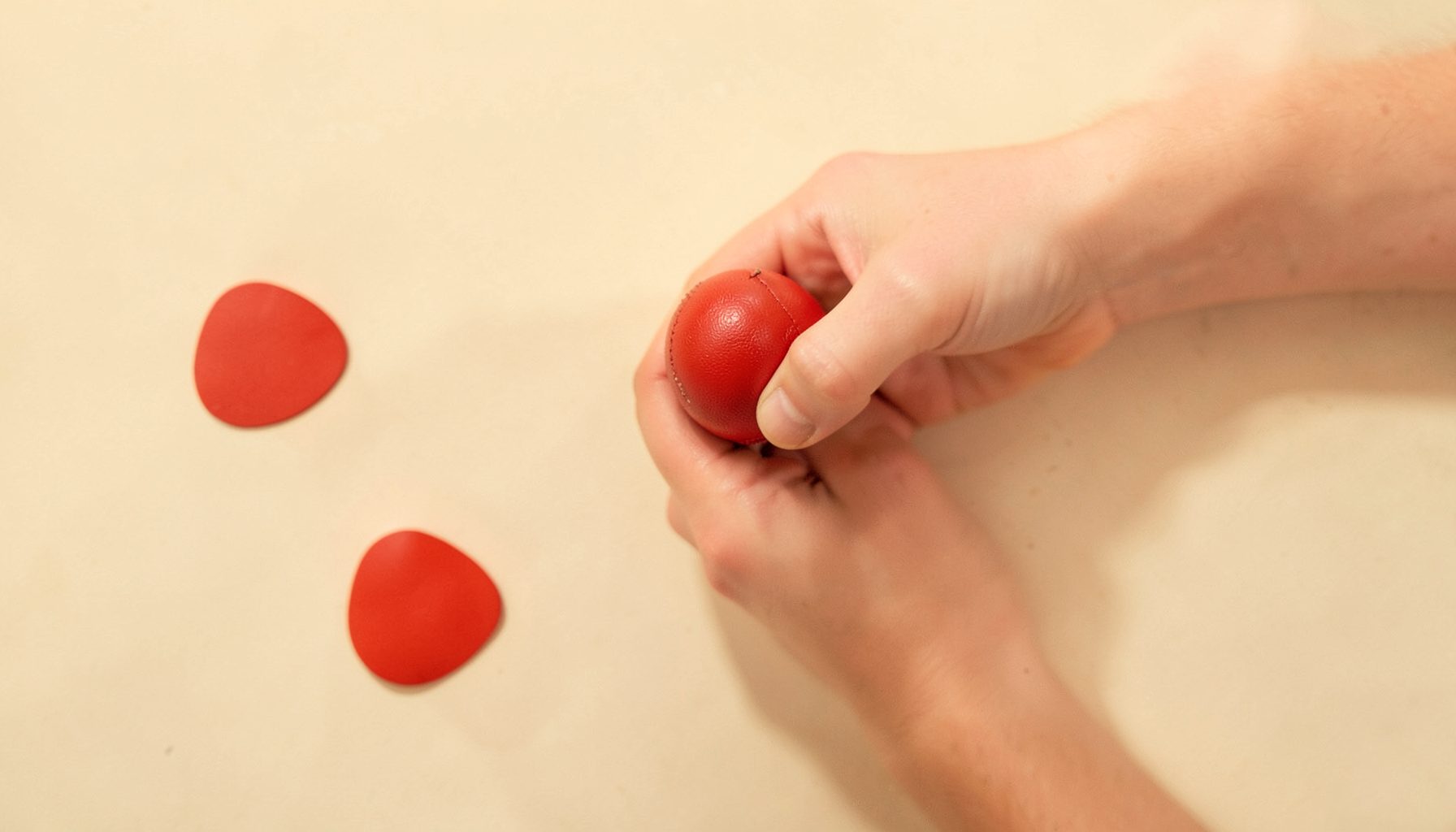
The very first technical lesson should be the distinctive cut-side grip taught from a young age in any strong fives school. Coaches should demonstrate with both hands, showing the thumb position, the flick of the wrist, and the relaxed fingers that allow the ball to leave the hand cleanly. Many newcomers copy the action of older players, which makes video feedback from a phone exceptionally useful.
Pair work then takes over. The coach throws the ball underarm for the learner to return, gradually increasing the speed and height of the feed. This builds trust between hand and ball far faster than full-court hitting and reduces the risk of bruised fingers. Players at Sydney's stronger school programmes typically spend two or three weeks on this feeding exercise before they attempt an actual match.
Introducing Attacking and Defensive Patterns
Once touch is reliable, the coach can bring in attacking ideas. Beginners should learn the basic cut shot to the right-hand wall and the cut above the receiver's head, before progressing to the deceptive dipping ball that lands sharply in front of the back wall. Each shot is taught by name, by demonstration, and by slow-motion video so that players understand the tactical purpose.
Defensive positioning often feels instinctive in a new player, but it rarely is. Coaches should show how to stay central, watch the opponent's shoulder, and move the feet rather than the hands. A simple ladder drill on the court, using the painted lines as markers, sharpens footwork without anyone holding a ball. Teams in the Australian Schools Fives exchanges have found that good movers around the court regularly beat opponents with stronger hands.
Drills That Scale for Any Group Size
A versatile session plan rewards the coach who carries a small repertoire of drills that can be enlarged or compressed depending on attendance. Wall rallies remain the cornerstone, but pairing them with target-zone games turns abstract aiming into points on a scoreboard. Beginners love seeing a plastic cone knocked off a plank by a well-placed drive.
For larger groups, station rotation offers the cleanest solution. One group works on footwork with a coach, another practices feeding accuracy, a third plays mini-matches on a half-court, and a fourth reviews video clips on a tablet. This approach mirrors what community clubs in regional Victoria and Western Australia do when they host weekend come-and-try days, and it ensures every player is active for most of the session.
Creating an Inclusive and Welcoming Environment
Rugby Fives in Australia carries the residue of fee-paying school culture, which can be off-putting to new players. Coaches who lead inclusive sessions deliberately mix ability, gender, and background within pairs so that stronger players mentor beginners rather than dominate them. Simple acts, such as offering a spare glove, naming each shot out loud, and applauding every good rally, build a culture that values progress over polish.
Schools in Brisbane and Adelaide have started running lunchtime drop-in sessions where students of all ages share a court. The format works because the coach sets a friendly round-robin, hands out small prizes for the most improved player, and keeps the language simple. Family members often ask to join, turning a school initiative into a wider community gateway to the sport.
Tracking Progress Across a Season
Numbers tell the story of growth, and coaches who keep basic records help beginners see how far they have come. A simple notebook tracking rally length, accuracy percentage, and match results allows a coach to flag plateaus and adjust training accordingly. Many Australian coaches use shared spreadsheets on tablets, which also let parents follow along between sessions.
Beyond statistics, the coach should schedule one or two internal fixtures across the season so that beginners experience a proper match under friendly conditions. Playing against peers from a neighbouring club or a sister school, whether in Sydney, Hobart, or Perth, gives novices a memorable target and a clear sense of belonging within the wider fives community.
Preparing Players for Friendly Matches and Beyond
The final step before competitive play is match preparation: warm-up routines, basic etiquette, on-court positioning, and what to do if the ball hits an umpire. Coaches should run a mock match with beginners acting as marker, receiver, and observer so they see the sport from every angle. This rotation deepens tactical understanding and spreads leadership responsibility.
Once players have competed in a handful of friendly fixtures, the natural next step is entry into school championships, inter-club leagues, or open tournaments hosted in capital cities. Encourage every beginner to set a personal goal, perhaps ten clean shots in a row or a first competitive win, and revisit those goals each term. Small victories, celebrated publicly, anchor newcomers for the long haul in this distinctive and rewarding sport.
Ready to get started? Reach out through the Rugby Fives Association website to find your nearest affiliated club, request coaching resources, or book a starter session at a partner venue. Whether you coach a school's lunchtime group, a university society, or a weekend community hub, the Association can connect you with qualified mentors, supply official balls at member rates, and help you list your upcoming fixtures so newcomers across Australia can find you.