

Coaching Rugby Fives Drills for Young Children
Rugby Fives can give young children an exciting introduction to racket-free wall games, coordination, movement, and teamwork. The sport uses a small ball, a four-walled court, and the hands to strike the ball against the front wall. For beginners, the priority is creating enjoyable experiences that build confidence before focusing on formal scoring or advanced technique.
Effective coaching for children depends on simple instructions, short activities, and plenty of opportunities to play. A successful session should help every child move, watch the ball, make contact, and celebrate improvement. Games can be adapted for different ages, abilities, and levels of experience.
The best Rugby Fives drills are progressive. Coaches begin with familiar actions such as rolling, catching, throwing, and tracking, then introduce controlled striking and court movement. This approach develops fundamental skills while keeping the atmosphere positive and welcoming.
Create A Safe And Enjoyable Starting Point
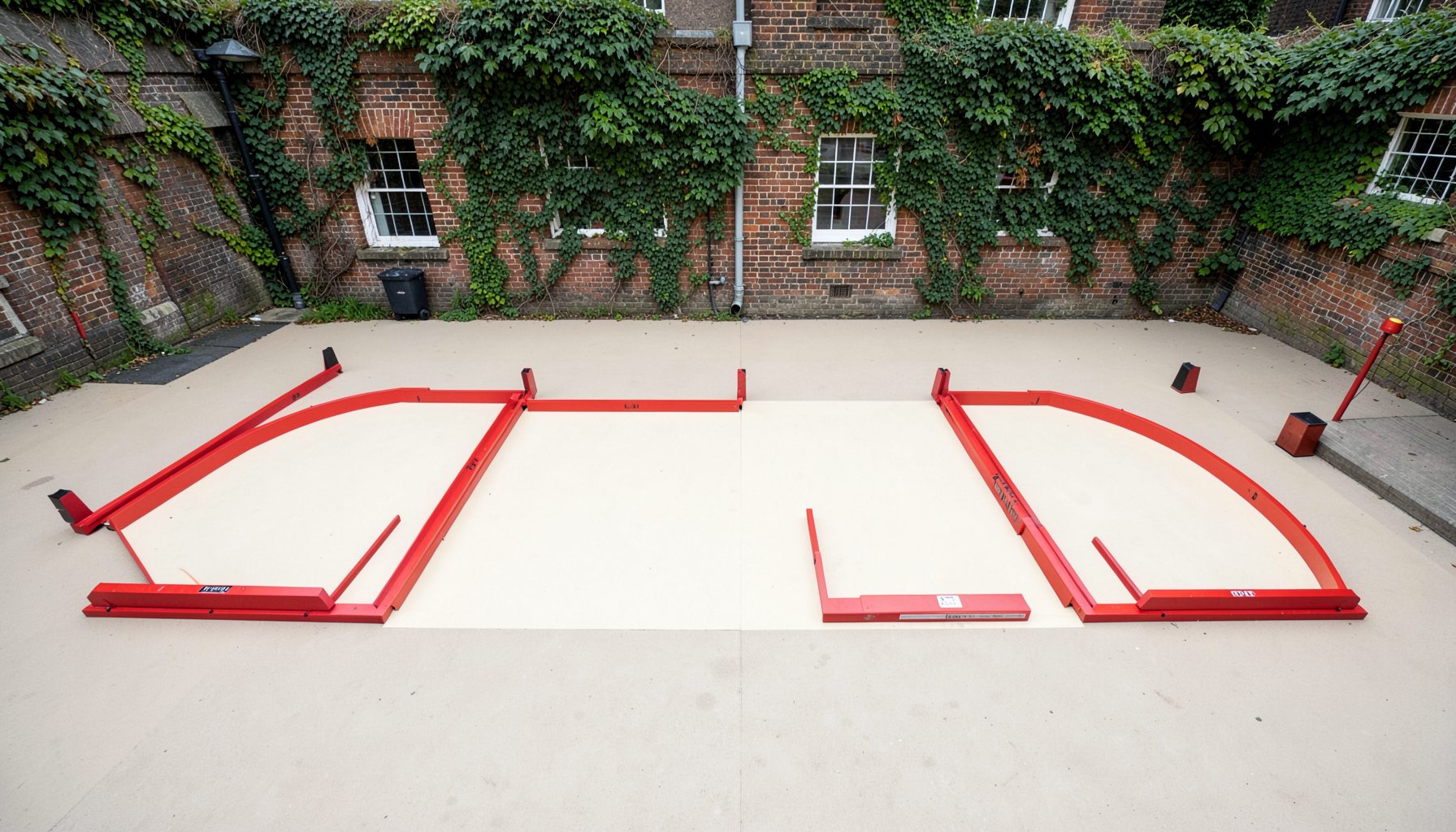
Before the first activity, explain how players should behave near the walls and around one another. Children need to know when to wait, where to stand, and how to collect a ball safely. Use clear boundaries and establish a stop signal that everyone recognises.
A short warm-up should include jogging, side steps, gentle changes of direction, and arm movements. Add playful actions such as copying the coach’s movements or moving like different animals. These activities prepare the body while helping children become comfortable in the court environment.
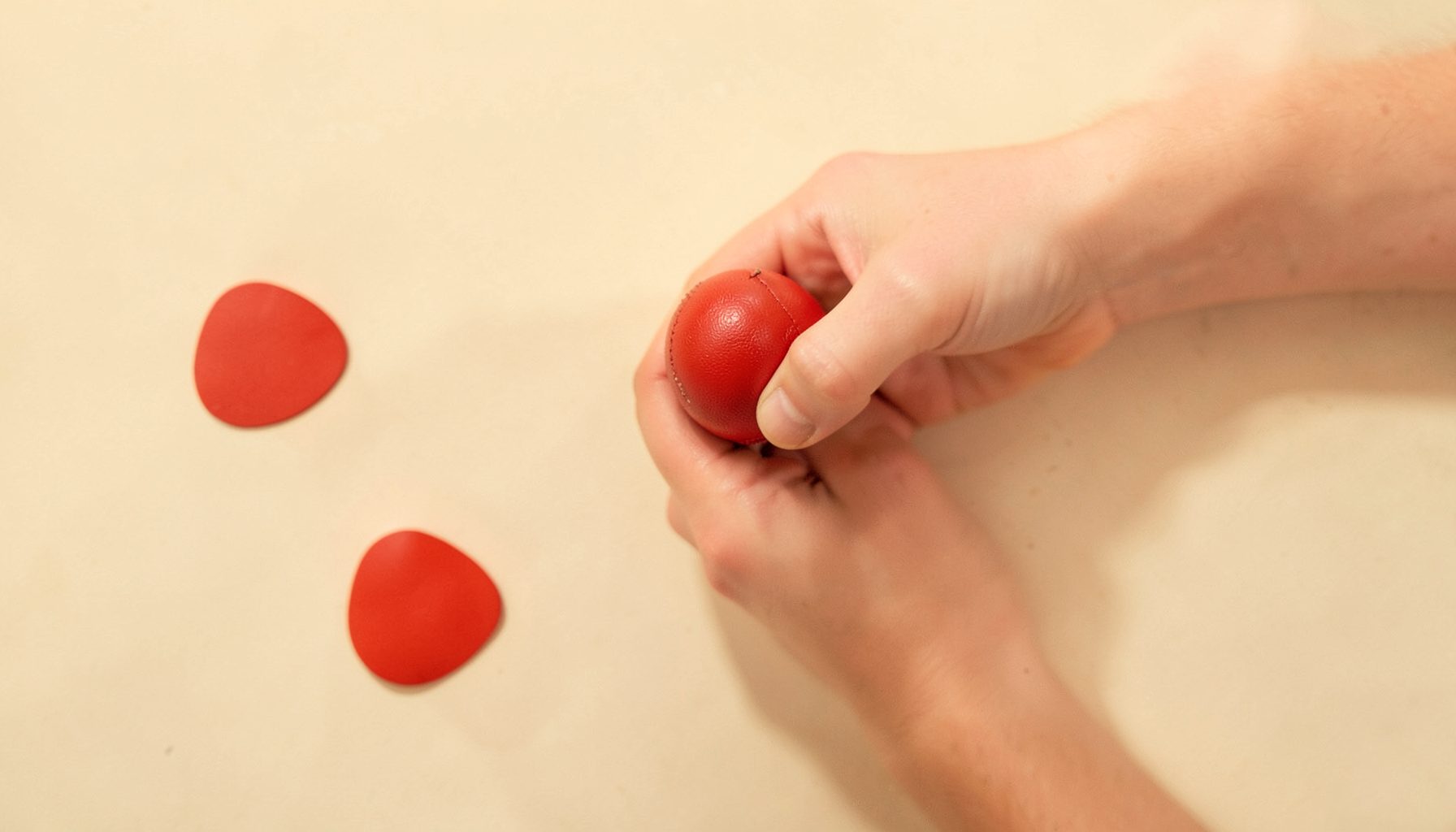
Use soft or low-compression balls when possible, especially with younger players. Reduce the size of the playing area if a full court feels intimidating, and keep groups small enough that children are active rather than waiting. Praise effort, listening, teamwork, and brave attempts as much as successful shots.
Teach Ball Tracking And Hand Position
Begin with partner activities away from the wall. One child rolls or gently tosses the ball while the other watches it into their hands. Progress to catching after one bounce, catching with two hands, and catching at different heights. These exercises develop visual tracking and hand-eye coordination.
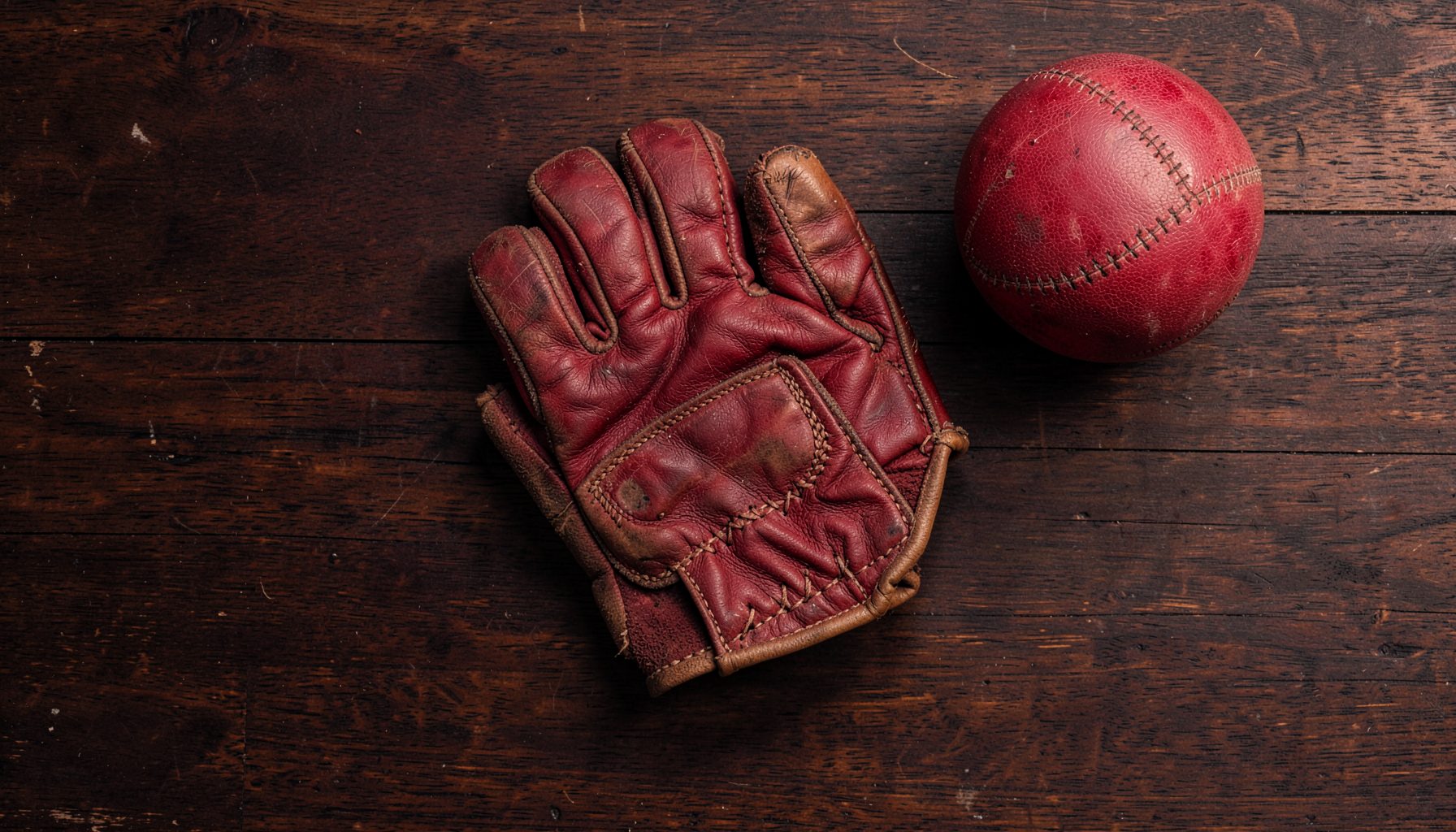
When introducing striking, demonstrate an open hand, relaxed fingers, and a short swing. Children should contact the ball in front of the body rather than reaching behind themselves. A coach can use the phrases “watch,” “step,” and “touch” to create a simple rhythm for each movement.
Try a stationary self-feed drill. The child drops the ball, lets it bounce once, and taps it forward with an open hand. At first, the target can be a marked area on the front wall. The objective is controlled contact, not power. Celebrate a balanced stance and an accurate attempt even when the ball does not return perfectly.
Build Skills Through A Clear Progression
Children learn best when each drill changes only one or two demands at a time. Increase the challenge by adjusting distance, target size, movement, or the number of consecutive hits. Avoid changing everything simultaneously, as this can make the task feel impossible.
The progression below gives coaches a practical route from basic control to a simple rally. Move forward when most children can perform the current activity with enjoyment, while continuing to offer an easier version for anyone who needs it.
| Stage | Activity | Main Skill | Adaptation |
|---|---|---|---|
| Starting | Roll and collect | Tracking and safe movement | Use a larger, softer ball |
| Developing | Toss, bounce, catch | Timing and hand position | Allow two bounces |
| Striking | Drop and tap to the wall | Contact and direction | Stand closer to the front wall |
| Moving | Tap, move, and recover | Footwork and balance | Mark a small recovery spot |
| Rallying | Cooperative wall exchange | Consistency and communication | Permit a catch between hits |
Once children can tap the ball towards the wall, introduce a cooperative exchange. One player sends the ball, the partner catches it after the bounce, and then sends it back. Later, remove the catch and allow one bounce between strikes. This creates a gentle pathway towards continuous Rugby Fives play.
Use Games To Develop Court Movement
Children often improve movement more readily through a game than through repeated instructions. Place coloured cones or floor markers around the court and call out a colour. Players move to it using side steps, forward movement, or a controlled turn. Keep the activity brief and vary the movement pattern regularly.
“Wall Target” is a useful accuracy game. Mark safe target zones on the front wall with removable tape, then award points for reaching a zone rather than hitting with force. Players can work individually, in pairs, or as small teams. Use different targets to encourage high, low, left, and right placement.
For a cooperative challenge, ask pairs to complete five successful exchanges. They can catch between shots at first, then progress to continuous returns. The target should be a shared score rather than a competition between partners. This teaches communication, patience, and recovery after an imperfect hit.
Introduce Simple Tactics And Decision-Making
Young players do not need complicated tactical language, but they can learn to make useful choices. Ask whether the ball is close or far, high or low, and whether the player has time to prepare. These questions help children notice space and select a controlled response.
Teach a basic recovery habit: after striking, move back to a ready position and watch the opponent’s return. Use a floor marker to show where that position might be. Children can practise “hit, move, ready” as a three-part sequence, first without opposition and then in a cooperative rally.
Small-sided games are ideal for applying these ideas. Limit the court area, allow extra bounces, or give a player a catch before returning the ball. These rules create more successful rallies and help children understand direction, positioning, and anticipation without making the game too technical.
Make Sessions Inclusive And Age Appropriate
A mixed group may include children with different heights, confidence levels, coordination, and previous experience. Offer several versions of the same drill instead of separating children by ability. One player might catch after a bounce, another might return directly, and both can work towards the same objective.
Adapt equipment and space to support participation. Use visual targets, brightly coloured balls, lowered expectations for distance, and clear demonstrations. A child who finds striking difficult might begin by rolling the ball to a target or catching a partner’s return before progressing to a hand strike.
Keep instructions short and demonstrate more than you explain. A useful session rhythm is demonstration, practice, quick feedback, and another attempt. Avoid stopping the entire group for lengthy corrections. Individual coaching should focus on one positive point and one manageable adjustment.
Practical Coaching Priorities
A well-organised children’s session should have a clear purpose but remain flexible enough to respond to the group. Plan several short drills rather than one long exercise, and finish with a game that allows children to use the skills they have practised.
Use encouragement that describes the action: “You watched the ball carefully,” “Your feet were ready,” or “That was a controlled touch.” Specific feedback helps children understand what success feels like and gives them something concrete to repeat.
- Keep queues short by using pairs, small groups, or several target stations.
- Choose control and accuracy before asking children to hit harder.
- Allow catches, extra bounces, or closer distances when those adaptations create longer rallies.
- Rotate partners and roles so every child experiences striking, feeding, collecting, and encouraging.
- Finish with a simple game that leaves players eager to return.
A typical 45-minute session might include five minutes of movement, ten minutes of ball-handling, fifteen minutes of wall striking, ten minutes of a cooperative game, and five minutes of a relaxed cool-down. This structure gives children repetition without losing variety.
Coaches should record small signs of progress, such as improved tracking, a stronger ready position, or a longer rally. These milestones matter more than immediate competitive results. Over time, children can move from modified activities into junior fixtures, club sessions, school competitions, and formal Rugby Fives events.
Rugby Fives coaching is most effective when children associate the court with discovery, friendship, and achievable challenges. By using safe equipment, progressive drills, inclusive adaptations, and playful competition, coaches can develop capable young players while preserving the enjoyment that brings them back.
The Rugby Fives Association supports the sport through clubs, schools, coaching, competitions, and community activity. Explore opportunities through the Association, connect with a local programme, and help young players take their first confident steps on the court.