


Coaching Rugby Fives for Players with Disabilities
Rugby Fives is a fast, social wall-ball game that can be adapted for a wide range of physical, sensory, learning and communication needs. Because players use their hands rather than a racquet, coaches can adjust the pace, ball type, court layout and scoring system without losing the character of the sport.
Effective disability sport coaching begins with the player, not a diagnosis. A wheelchair user, a player with low vision, an autistic player and someone with a hearing impairment may all need different forms of support. The coach’s role is to remove unnecessary barriers, preserve choice and create a session where every participant can develop skill and confidence.
Start with the player and the environment
Before the first session, speak with the player, family member, support worker or school staff member about communication preferences, mobility, fatigue, sensory triggers and previous sporting experience. Ask what helps the player participate independently. A short conversation often reveals more useful information than a broad disability category.
Inspect the venue carefully. Check the entrance, toilets, changing areas, court surface, lighting, acoustics and access to rest spaces. Rugby Fives courts can feel enclosed and noisy, so establish whether the player needs a quieter arrival period, reduced echo, sunglasses, a cap or a predictable place to stand. In Australia, also consider heat, humidity and travel time, particularly for outdoor school programs or community sessions in Brisbane, Perth or regional areas.
Keep the first session flexible. Explain the activity in small stages, demonstrate before expecting performance and allow the player to observe without pressure. A clear visual timetable, simple verbal instructions and consistent routines can help participants who find unexpected changes difficult.
Adapt equipment without removing challenge
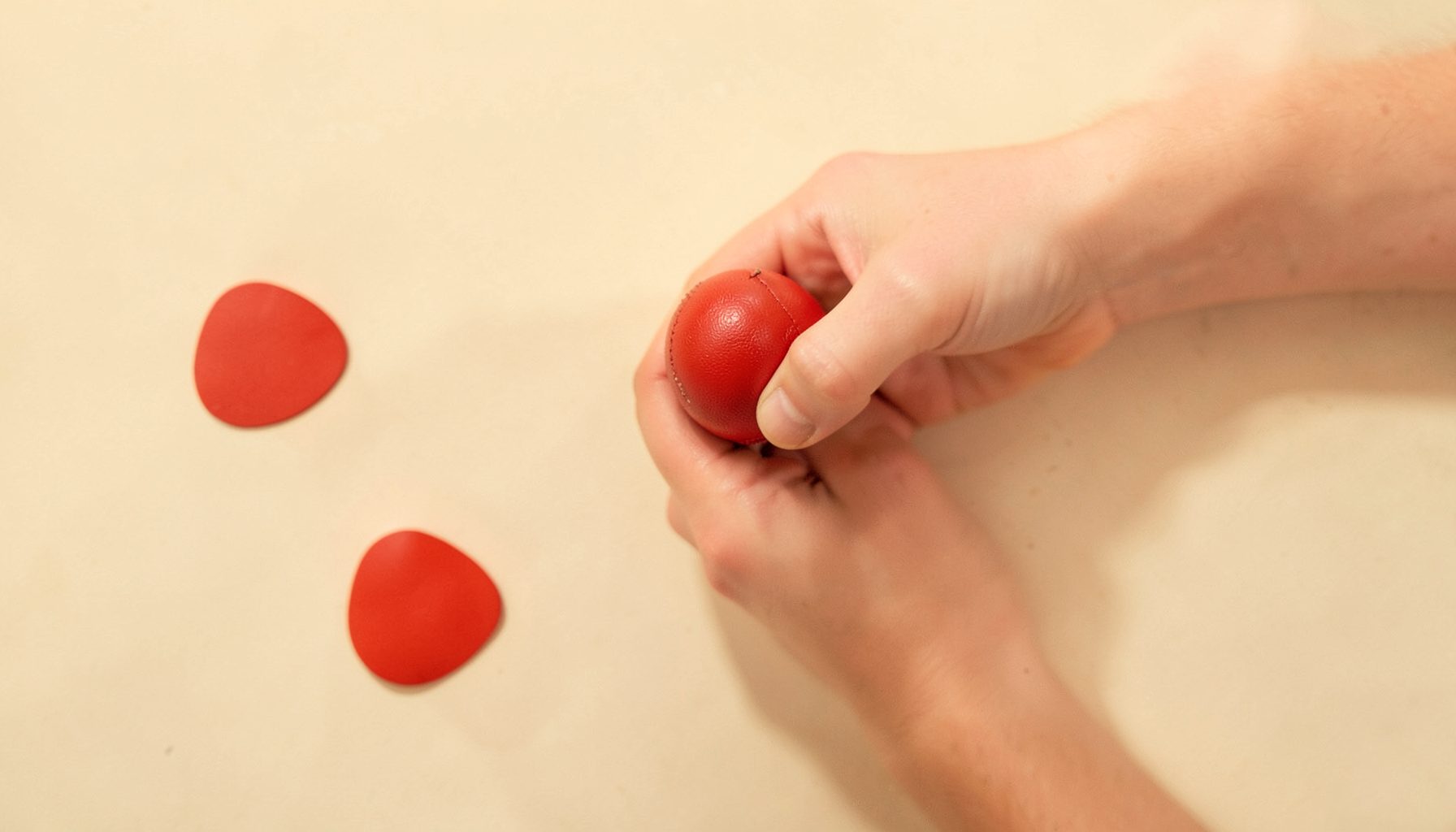
A slower foam ball, larger training ball or ball with an audible rattle can make tracking and catching easier. Brightly coloured equipment may support players with low vision, while tactile tape on a ball or court boundary can provide an additional reference. Use equipment that remains safe when struck against the wall and confirm that any modification complies with venue rules.
Players with limited grip or upper-limb control may benefit from a lighter ball, a two-handed catch, a bounce before return or permission to trap the ball against the body. A player using a wheelchair might begin from a marked service area with extra space for turning. The objective is to retain decision-making and movement while changing the physical demand.
Avoid assuming that every adaptation should remain permanent. A player may start with a large foam ball and progress to a standard ball as control improves. Offer choices, explain why a change is being made and review it regularly. The best adaptation is the one that gives the player genuine access to the rally.
Coaches can find rules, development material and pathways through the Rugby Fives Association, then adjust activities to suit the participant and local venue rather than treating guidance as a rigid script.
Build skills through predictable progressions
Break the game into individual skills: ready position, tracking, soft catching, underarm striking, wall rebound, recovery and court awareness. Start close to the wall with a cooperative feed. Once the player can control the ball, increase distance, vary the angle or introduce a partner. One change at a time makes progress easier to recognise.
For a player with visual impairment, describe the ball’s direction using consistent words such as “left”, “right”, “short” and “deep”. A tap on the wall, a verbal countdown or an audible ball can signal the start of a drill. Keep spectators quiet during key moments and position the coach in a predictable location.
For players who are deaf or hard of hearing, face the player when speaking, keep instructions brief and use agreed hand signals. Demonstrations, whiteboards and cue cards are useful in busy sports halls. Do not rely on shouting from across the court, as this can make communication less clear.
| Coaching focus | Useful adjustment | Progress marker |
|---|---|---|
| Catching | Larger, softer or audible ball | Controls five consecutive feeds |
| Wall rebound | Shorter distance and slower feed | Returns the ball towards a target |
| Footwork | Wider recovery zone or chair-friendly space | Reaches position safely and resets |
| Communication | Demonstration, gesture or tactile cue | Responds consistently to the agreed signal |
Make movement and competition inclusive
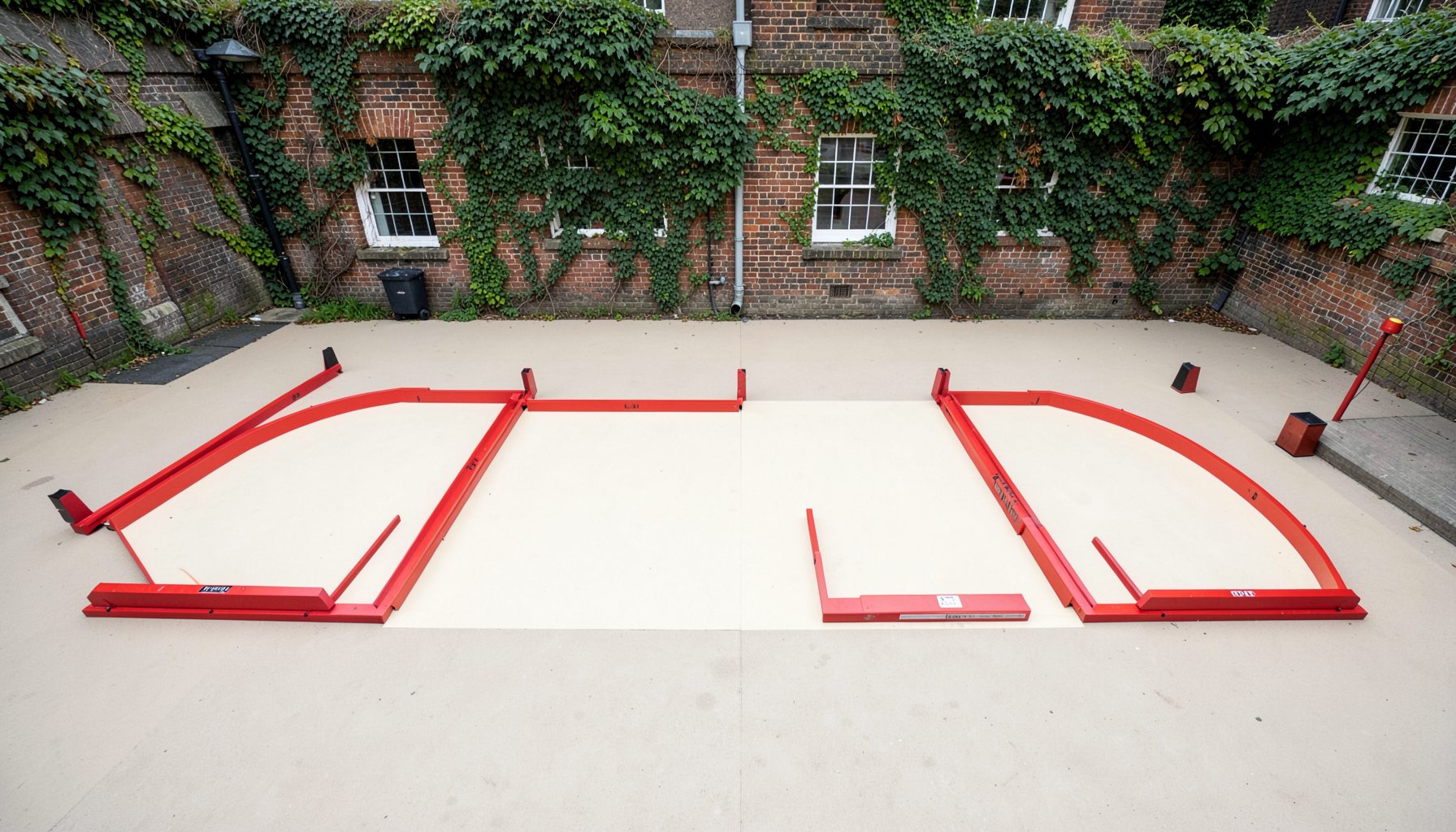
Mobility differences should not automatically exclude a player from court-based competition. Mark a safe operating area that allows a wheelchair, walking frame or prosthesis to move without collision. Remove loose bags and unnecessary furniture, and ensure the court transition is smooth. If formal court access is limited, a modified wall area may provide a better starting point.
Some players will need longer recovery periods, especially those managing chronic pain, fatigue or medication effects. Build rest into the session before tiredness becomes distress. In Australia’s warmer months, schedule demanding drills earlier, provide shaded or cool areas and make hydration easy. A coach should know the venue’s emergency procedures without making the player feel medicalised.
Competition can be adapted through cooperative rallies, target games, timed challenges or partner formats. A player might earn points for reaching a target, returning the ball to a marked zone or completing a chosen number of controlled contacts. When using a handicap, make it transparent and review whether it creates a fair sporting challenge rather than drawing attention to impairment.
School and club competitions should offer clear participation pathways. In Sydney or Melbourne, a venue may have a larger pool of players and accessible transport options; in a regional town, a smaller group may need shared sessions across several schools or clubs. Both settings can provide meaningful competition when expectations are communicated early.
Support communication, confidence and belonging
Use language that describes the task rather than focusing on what a player cannot do. “Let’s try a shorter feed” is more constructive than “You cannot reach that ball.” Speak directly to the player, even when a parent, interpreter or support worker is present. Give enough processing time for the participant to respond or act.
A predictable session structure can reduce anxiety: welcome, warm-up, skill activity, game, cool-down and review. Displaying the sequence on a board helps players anticipate transitions. Offer a quiet option when the hall becomes overwhelming, and never treat a sensory break as poor effort.
Pairing can be highly effective when partners understand their role. The partner should feed accurately, wait for the player to reset and avoid taking over. Rotate partners where appropriate so the player becomes part of the club community rather than remaining attached to one helper.
Celebrate specific behaviours: watching the rebound, recovering position, communicating a preference or trying a new ball. This builds motivation more effectively than general praise. Invite the player to set a personal target, such as making three controlled returns or choosing when to increase distance.
Develop coaches and a safe club culture
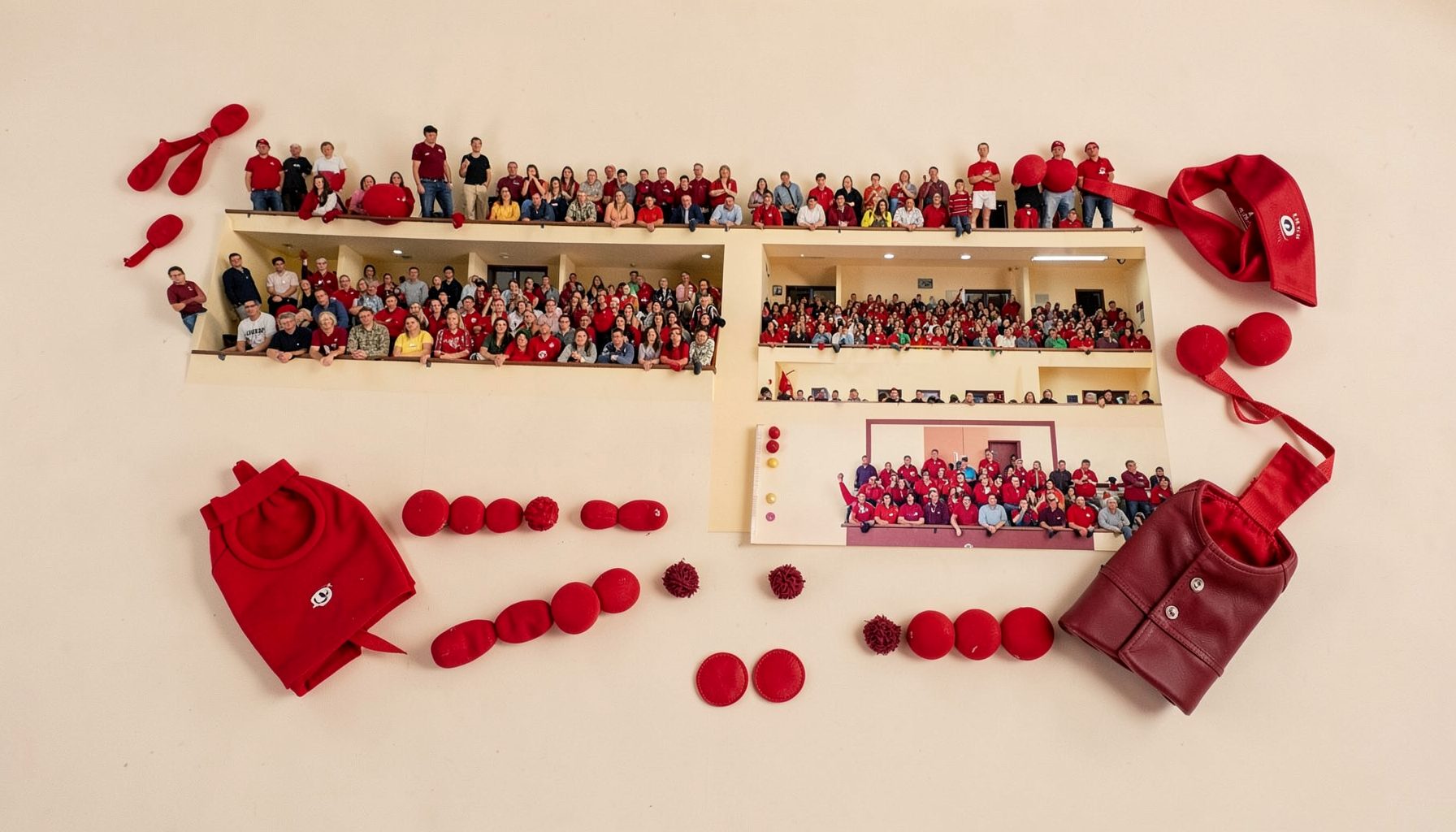
Inclusive coaching works best when the whole club shares responsibility. Train volunteers in respectful communication, basic accessibility awareness, safeguarding and emergency procedures. A coach does not need to be a disability specialist, but should know when to seek advice from an occupational therapist, physiotherapist, teacher, AusSport professional or the player’s support network.
Complete a simple risk assessment for the court, equipment, access route and session plan. Record agreed adjustments confidentially and share only what staff need to deliver safe support. Get consent before assisting physically, explain where and why contact is needed, and allow the player to decline assistance.
Review every session with three questions: what enabled participation, what created a barrier and what should change next time? Include the player’s view in that review. Their feedback may identify a practical improvement, such as changing the lighting angle, reducing background music or moving a bench away from the court.
For Australian clubs, partnerships with schools, councils and disability organisations can widen access. Local council recreation officers may help identify accessible venues, while school sport coordinators can support regular pathways from introductory sessions to club competition. Clear information about costs, transport, session length and equipment helps families decide whether participation is realistic.
Inclusive Rugby Fives is a continuing process rather than a single adapted lesson. Coaches who plan carefully, listen closely and vary the challenge can create sessions that are safe, competitive and enjoyable for players with different abilities. Clubs and schools can begin with one accessible session, invite feedback and build a regular program supported by trained volunteers, suitable equipment and welcoming communication.