



How to Create a Junior Rugby Fives Academy from Scratch
Creating a junior Rugby Fives academy is an opportunity to give children a lively, social introduction to one of the UK’s most distinctive court sports. A successful programme does more than teach players how to strike a ball against a wall. It builds movement skills, confidence, discipline, friendships, and a lasting connection with the Rugby Fives community.
The best academies begin with a clear purpose and a manageable operating model. You need suitable court access, trained adults, safeguarding procedures, an age-appropriate coaching plan, and a pathway that allows beginners to progress without feeling pressured. Strong relationships with schools, clubs, families, and the Rugby Fives Association can then turn a small pilot into a sustainable junior section.
Define The Academy’s Purpose
Start by deciding what the academy should achieve during its first year. A community programme may focus on participation, physical literacy, and enjoyment, while a club-based academy may place greater emphasis on regular fixtures and competitive development. Both approaches can work, but unclear priorities often lead to inconsistent sessions and confused expectations.
Write a short mission statement that explains who the academy serves, where it operates, and what children should gain from attending. Keep the initial age range narrow enough to manage effectively, such as ages 8–12 or 11–15. You can add further groups after the coaching team, facilities, and registration systems have been tested.
Set practical targets rather than relying only on membership numbers. For example, aim to deliver weekly sessions for three school terms, retain a high percentage of participants, introduce every player to basic doubles play, and arrange several friendly matches. These measures will show whether the academy is creating a positive experience as well as attracting children.
Secure Courts, People, And Policies
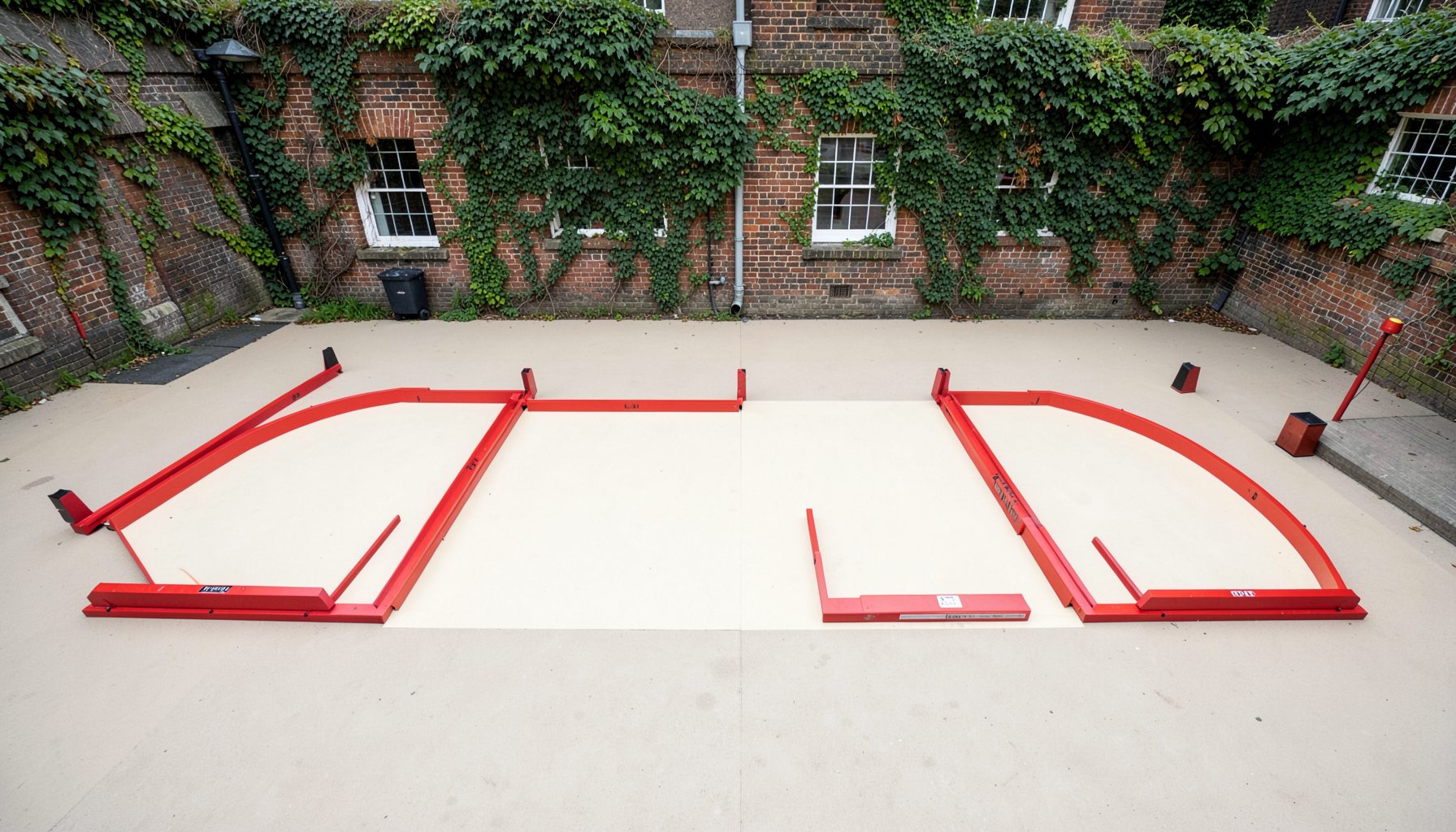
Court availability is the foundation of the programme. Contact existing Rugby Fives clubs, schools, universities, and leisure providers to identify courts that can support regular junior sessions. A consistent weekly time is preferable to occasional access, because children and parents can build the academy into their routines.
The core team should include a lead coach, assistant coaches, a welfare or safeguarding lead, and volunteers who can help with registration and supervision. Adults working directly with children should complete the checks and training required by the relevant governing bodies and local policies. Establish procedures for attendance, injuries, emergency contacts, photography, collection arrangements, and communication with families before the first session.
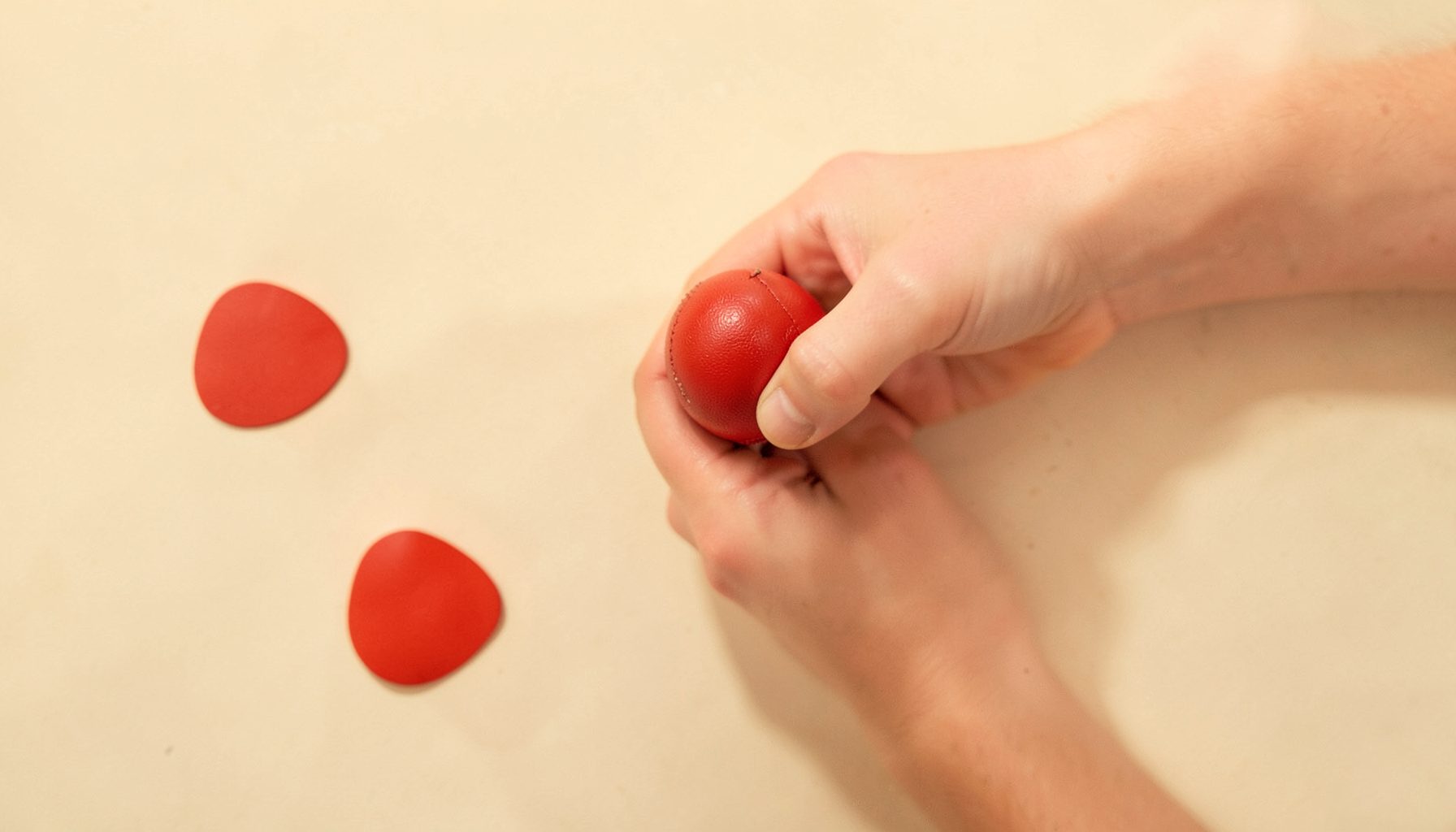
Equipment needs are relatively modest, which makes Rugby Fives suitable for a new youth project. Provide balls matched to the players’ age and ability, comfortable sports clothing guidance, non-marking footwear, first-aid supplies, cones, bibs, and clipboards or digital attendance tools. Inspect the court before every session and make sure children understand boundaries, safe spacing, and how to retrieve a ball without moving into another pair’s play.
Build A Progressive Coaching Pathway
A junior coaching programme should move from general movement to reliable court skills. Early sessions can include throwing, catching, balance, reaction games, and target activities before players are expected to sustain rallies. This approach helps children develop timing and coordination while reducing the frustration that comes from attempting advanced strokes too soon.
Progressive content might cover the ready position, tracking the ball, controlled forehand and backhand strikes, use of the front wall, recovery to a safe position, and communication with a partner. Coaches should demonstrate briefly, give one clear coaching point at a time, and allow plenty of repetitions. Small-sided challenges are usually more engaging than long technical explanations.
Plan each session with a familiar rhythm: welcome and movement warm-up, skill activity, game-based practice, and a short review. Offer different levels of challenge within the same exercise so that beginners remain involved while experienced players continue to develop. Use cooperative targets, such as completing five controlled returns, before introducing formal scoring.
| Academy Stage | Main Objective | Suitable Activities | Progress Marker |
|---|---|---|---|
| Starter | Enjoy movement and court play | Reaction games, catching, target throws | Follows safety and court routines |
| Foundation | Develop basic striking | Short rallies, wall targets, partner feeds | Returns the ball with control |
| Development | Apply skills under pressure | Conditioned games, movement patterns, doubles drills | Sustains rallies and recovers position |
| Performance | Prepare for competition | Match play, tactics, fitness, review | Competes confidently and respectfully |
Make Participation Safe And Welcoming
An inclusive atmosphere should be designed from the beginning rather than added later. Use simple language, explain unfamiliar terms, and avoid assuming that every child has played racket or wall sports before. Mixed-ability activities can work well when coaches adjust court space, ball speed, scoring, and the number of touches allowed.
Families need confidence that the academy is organised and attentive. Send clear information about session times, clothing, costs, supervision, and what happens if a child is late or absent. Welcome parents at registration, provide a named contact for welfare concerns, and share occasional updates about learning and events without placing performance pressure on children.
Regular sport can also support mood, social connection, and self-belief. Coaches should understand that children arrive with different energy levels and personal circumstances, and they should respond with encouragement rather than public criticism. The Rugby Fives Association’s guidance on mental health benefits can help an academy frame participation as part of wider wellbeing, while recognising that coaches are not a substitute for specialist support.
Connect With Schools And The Wider Game
A school partnership is one of the most effective ways to introduce Rugby Fives to children who may never have encountered it. Offer a short taster block during physical education, an after-school club, or a transition programme for pupils moving to secondary school. Keep the first contact active and accessible, with games that can be adapted to different spaces and group sizes.
Create a clear route from school activity into the academy. Give pupils a simple registration sheet, invite families to an open session, and offer a low-cost first block where possible. Teachers can also identify children who would benefit from a new sporting environment, including pupils who do not engage with traditional team sports.
The academy should become part of the local Rugby Fives network. Arrange friendly fixtures with nearby junior groups, attend association events, and introduce children to club volunteers and experienced players. Competition should be presented as a chance to learn and meet others, with fair playing opportunities and suitable formats for developing participants.
Fund And Measure The First Year
Prepare a basic budget covering court hire, coach expenses, equipment, insurance, affiliation, training, promotional materials, and potential competition costs. Income may come from term fees, grants, school partnerships, sponsorship, fundraising, or support from an established club. Keep prices transparent and consider concessions so that cost does not prevent participation.
Track attendance, retention, age range, school links, player feedback, and the number of sessions delivered. Short surveys for children and parents can reveal whether sessions feel enjoyable, safe, and appropriately challenging. Coaches should also meet regularly to review behaviour, progress, court use, and any concerns.
At the end of each term, compare the academy’s results with its original aims. If attendance is strong but sessions feel crowded, add another group before recruiting widely. If beginners are leaving quickly, review the pace and welcome process. Evidence from the first year will help you request funding, recruit volunteers, and make a credible case for expanding the programme.
Priorities For A Strong First Term
- Appoint a safeguarding lead and complete all required checks before recruitment begins.
- Secure a dependable weekly court booking rather than relying on irregular availability.
- Use a simple eight-to-ten-week coaching block with visible, age-appropriate progress goals.
- Invite families to an open session and explain costs, supervision, communication, and competition clearly.
- Build one school relationship and one club partnership before attempting a wider regional programme.
A junior academy grows through consistency. Children return when sessions feel organised, active, friendly, and achievable; parents stay engaged when communication is reliable; and volunteers remain committed when responsibilities are clear. Begin with a focused pilot, record what works, and improve the programme through regular feedback.
The Rugby Fives Association can provide a valuable connection to competitions, clubs, coaches, schools, results, and the wider national game. Bring your initial plan to local Rugby Fives contacts, identify a suitable launch venue, and set a date for the first taster session. With the right foundations, a small weekly group can become a thriving pathway for the next generation of players.