



Starting a Rugby Fives School Club at Your Australian School
Rugby Fives remains a quiet curiosity in Australia, with courts existing at only a handful of independent schools and almost no presence in the state system. Most coaches and students have heard of squash or racquetball, yet the idea of an English handball game played on a purpose-built court with buttresses and a ledge feels entirely foreign to the typical PE department. This is precisely what makes a new school club such a worthwhile undertaking. It gives a cohort of pupils a sport they cannot pick up casually anywhere else, and it introduces them to a tradition with over a century of competitive history.
The sport traces back to Rugby School in the United Kingdom in the 1850s, and it is governed there by the national body that runs championships, schools programmes and coach education. Bringing that heritage into an Australian context means adapting a few assumptions about term dates, indoor space and school sport rotations, while keeping the rules and court specifications faithful to the original game. A successful launch depends on understanding those differences before the first ball is hit.
For Australian schools, the timing of a new club launch matters more than it does in Britain. The school year begins in late January or early February, summer sport trials fill the opening weeks, and winter programmes generally settle in by March or April. A Rugby Fives club is best pitched as a winter or all-year activity, fitting neatly into the gap left by cricket, rowing and athletics in the southern states. Planning a taster session during orientation week gives new students a chance to try something unfamiliar before their calendars fill up.
Schools that already expose students to Eton Fives have an obvious head start. Melbourne Grammar, Geelong Grammar and a small cluster of Adelaide and Sydney colleges keep Eton courts alive, and many of their old boys and current coaches are receptive to Rugby Fives as a complementary code. Reaching out to those communities first can save months of work and connect a fledgling club with experienced voices from day one.
Rugby Fives and Eton Fives
| Feature | Rugby Fives | Eton Fives | Squash |
|---|---|---|---|
| Origin | Rugby School, Warwickshire | Eton College, Berkshire | Harrow School, London |
| Court shape | Asymmetrical, three buttresses | Asymmetrical, two buttresses plus a step | Symmetrical rectangular box |
| Ball | Hard leather, slightly smaller than a cricket ball | Hard leather, similar size | Soft hollow rubber |
| Typical rally | Long, tactical, involves cut and top-spin | Shorter, more vertical play | Continuous wall rallies |
| Australian presence | Very rare | A handful of independent schools | Wide mainstream presence |
The two Fives codes share a name and a hand-struck ball, but they are genuinely different sports. Rugby Fives uses a three-buttress court where the step is replaced by a single straight ledge running across the back wall, which changes how the ball rebounds and where players position themselves. Eton Fives is played between two angled buttresses with a central step, encouraging a more vertical, jump-laden style. Anyone who has watched the Eton Fives at Melbourne Grammar should not assume that the rules, tactics or court dimensions transfer directly.
Finding a Venue and Building a Court
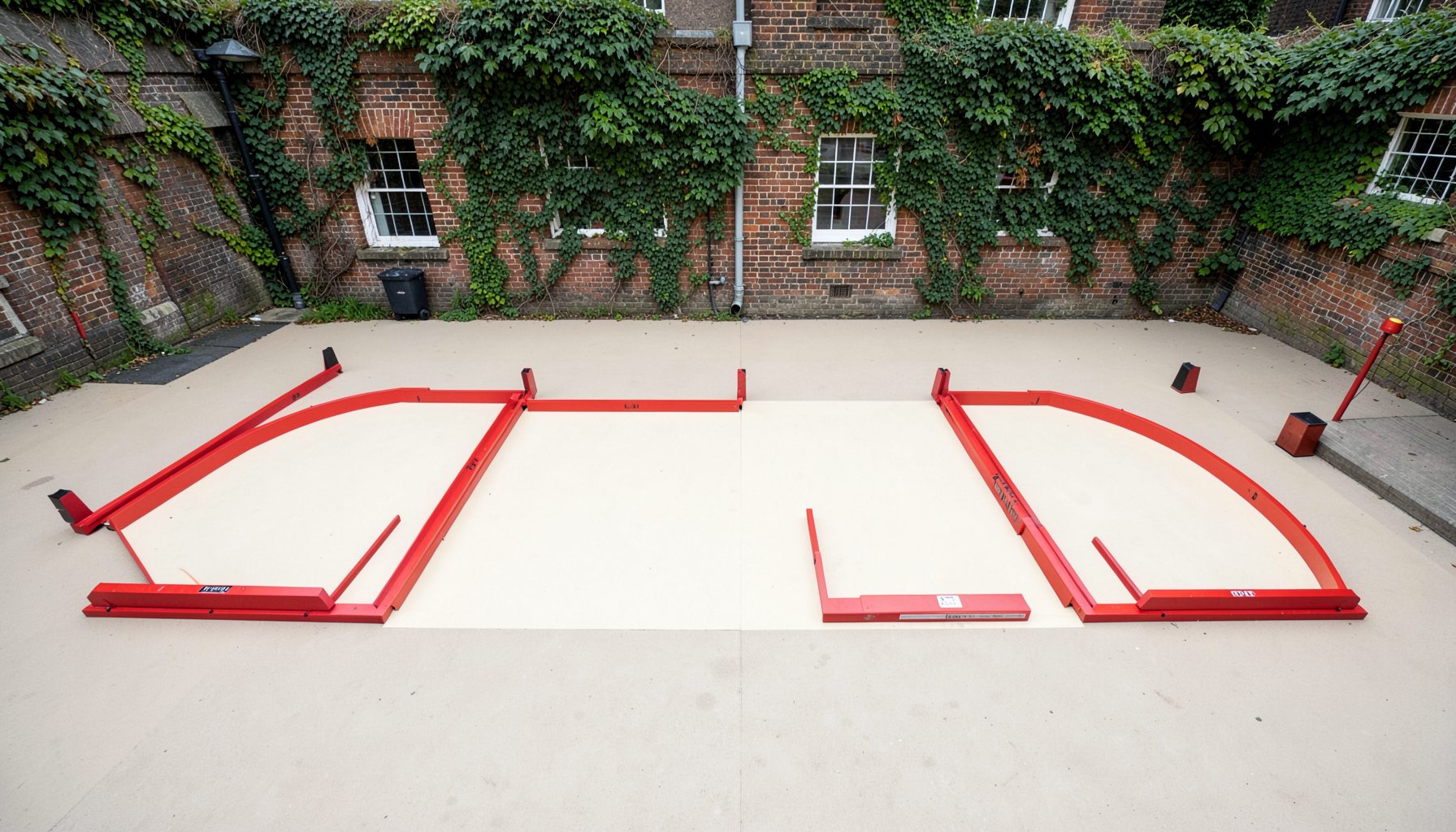
Australia has almost no dedicated Rugby Fives courts, which is the single biggest obstacle for any new club. Schools have three practical options. The first is to convert an underused squash court by resurfacing the front wall and adapting the side walls. The second is to use a multi-purpose indoor space marked out with temporary tape lines and freestanding buttresses. The third is to commission a purpose-built facility, which only makes financial sense when the school is committed to competition for decades.
The cost of a purpose-built court is significant and usually requires grant funding, sponsorship or capital investment. Converting an existing court is the most realistic entry point for most Australian schools. A standard squash court needs roughly four metres of length, three buttress panels fixed to the side walls, and a horizontal ledge fixed to the rear wall at regulation height. Coaches visiting from the UK often remark that the building work is straightforward, but the lead time on materials and tradespeople during the Australian summer is the real schedule risk.
Recruiting Students and Building Interest
Word of mouth works, but only after the first curious student tells a friend. A successful recruitment drive usually begins with a lunchtime demonstration during the first week of term, followed by a sign-up sheet pinned to the PE noticeboard. Naming the club with a nod to school tradition helps. Some Australian schools have called their outfits the Buttresses or the Ledge Lions, and small touches like a team hoodie or a club pennant make the activity feel official before any fixtures have even been arranged.
Senior students are the most reliable early adopters, partly because they enjoy the novelty and partly because they can drive fixture-finding later in the year. Junior school taster sessions work best when they are framed as a relay competition rather than a formal lesson. Parents are usually supportive once they understand the sport is non-contact, gender-mixed and accessible to beginners. A short note in the school newsletter explaining the basics, with a link to a credible national body for background reading, is often enough to recruit the first eight or ten committed players.
Equipment, Rules and Safety Basics
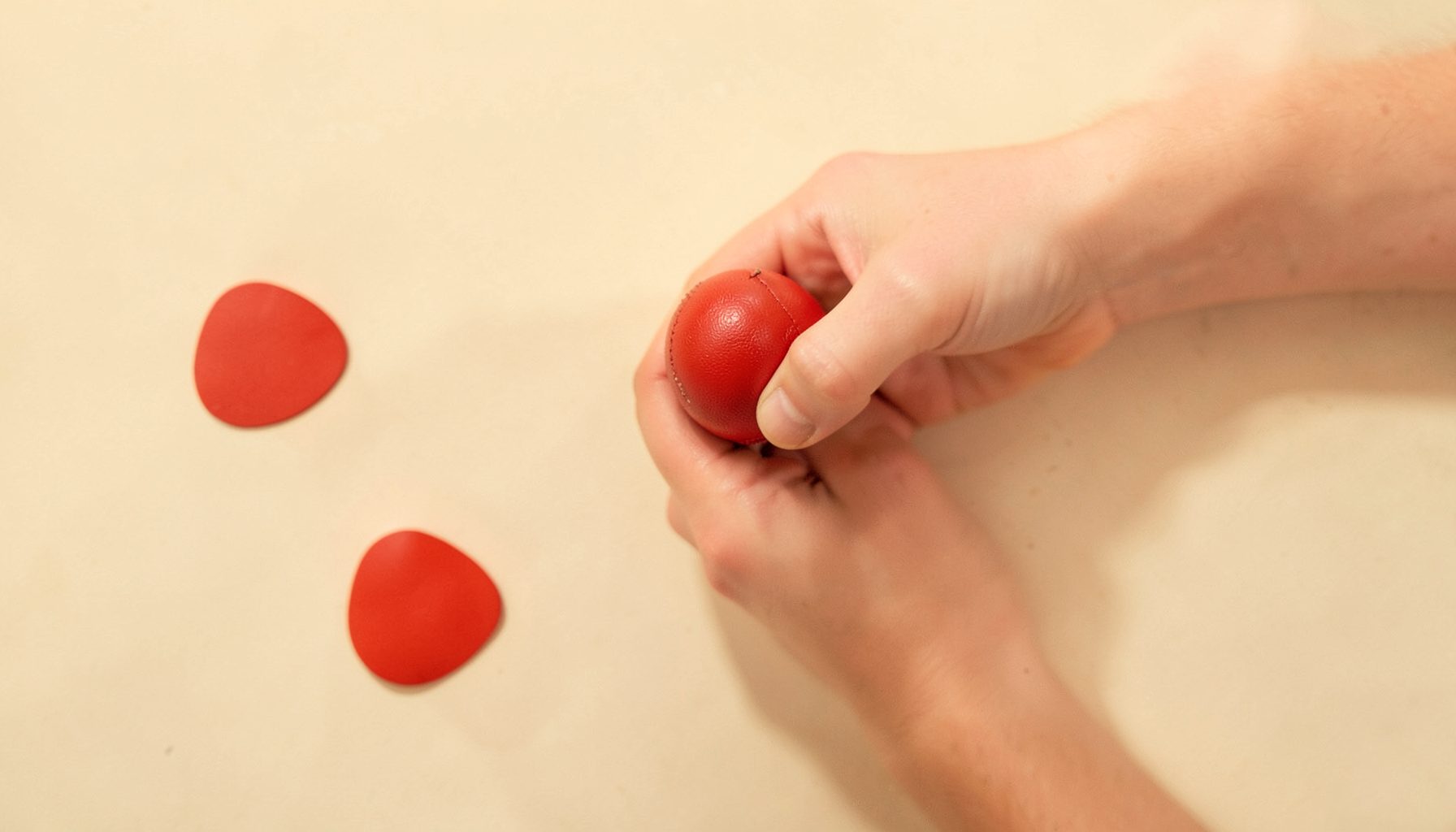
The kit list for Rugby Fives is short. Each player needs a hard leather ball, a pair of rubber-soled court shoes, and batting gloves to absorb the sting from hard-hit shots. Schools that already run cricket or tennis programmes usually have most of these items on hand. Protective eyewear is recommended for beginners who have not yet learned to track the ball off the buttresses, and mouthguards are a sensible precaution once fixtures begin.
The rules are simple to teach in the first session. Players take turns to serve by hitting the ball onto the front wall above a marked board, and the receiving side must return it before it bounces twice. Points are scored only by the serving side, games are played to eleven, and matches are typically best of three or five. The overall quality improves quickly once beginners understand the cut and top-spin that allow players to direct the ball into the angled buttresses, which is where most rallies are won.
Coaching Pathways and Qualifications
Coaching is another practical barrier, since Rugby Fives has almost no formal presence in Australia and few local coaches. The most reliable route is to partner with the UK governing body, which runs remote coach education and can put schools in touch with expat coaches who have relocated to Sydney, Melbourne or Perth. Many schools also send a member of staff on a short immersion course at a British school, returning with enough knowledge to run weekly sessions and recruit older students to help.
Schools with established Eton Fives programmes should not assume their Eton coaches can immediately switch codes. The serve, the return and the tactical reading of the asymmetrical space are different enough that a Rugby Fives-specific induction is worth at least a weekend of study. Once the first teacher is confident, the next step is to put them through a formal qualification so that the club is no longer dependent on a single enthusiastic individual.
Fixtures, Competitions and Linking with the Association
Australian schools that play Rugby Fives cannot yet rely on a local league, so fixtures usually begin as inter-house matches or informal games against staff. Once two or three schools in the same city commit to the sport, a round-robin becomes practical. Sydney, Melbourne and Adelaide are the most obvious starting points, given their existing Eton Fives infrastructure and their concentration of larger independent schools.
The UK national body acts as the official home of Rugby Fives and supports the clubs that participate. Schools looking for recognition, ranking and access to overseas fixtures can register through the Rugby Fives Association, which keeps historical records, runs coaching courses and organises the British Open championships. Linking a new Australian club with this network gives it an instant international dimension and a reason for ambitious students to keep playing once they finish school.
Growing the Sport Beyond Your School Walls
The long-term value of a school club is measured by what survives after the founder leaves. Setting up a regular fixture list, a coaching succession plan and a small reserve of equipment all help the club outlast its first cohort. Schools in the same state should be encouraged to share courts, umpires and transport, because no single school in Australia currently has the critical mass to run a standalone competition.
The Australian sporting landscape rewards persistence. Codes that started as a single school's curiosity, touch football for instance, or ultimate frisbee, now have national bodies and representative teams. Rugby Fives has the same potential, and the schools that begin now will be the ones writing the first chapter. Reach out to neighbouring schools, register your club with the national body, and book a court before the end of term. That is how a one-off taster session becomes a fixture in the school calendar for decades to come.