


How to design a Rugby Fives summer camp
A Rugby Fives summer camp should feel active, welcoming and easy to join from the first session. Players need enough structure to build skills, yet enough variety to keep the day lively. The best programmes combine wall-ball technique, movement games, match play and social time rather than treating every hour as a formal lesson.
For an Australian audience, planning begins with the calendar and the climate. A camp in January may face intense sun in Perth, humid mornings in Brisbane or sudden changes in Melbourne. Indoor courts, shaded areas, drinking stations and flexible start times are practical essentials, not optional extras.
The programme should cater for complete beginners, returning players and experienced juniors without making anyone feel out of place. Small groups, clear demonstrations and short challenges help coaches adjust the difficulty while keeping every participant involved. A strong camp also gives parents confidence that the day is safe, organised and worthwhile.
The Rugby Fives Association can use a camp to connect local clubs, schools, coaches and volunteers. It can introduce the sport to new communities, identify promising players and create a pathway towards regular fixtures and championships. With thoughtful preparation, a single summer event can become the starting point for a lasting local programme.
Set the purpose and audience
Begin by deciding what the camp needs to achieve. A school-holiday taster day might focus on enjoyment and basic coordination, while a five-day development camp could include tactical play, officiating and individual feedback. Write a short purpose statement so that venue choice, staffing, equipment and promotion all support the same outcome.
Define the age range and playing standard before registrations open. A mixed-age camp can work when activities are grouped by ability, but large differences in height, confidence and experience may require separate blocks. Consider sessions for primary-age children, teenagers and adults, or create a beginner stream alongside an advanced stream.
Australian school holidays vary between states and territories, so check the relevant education calendar before choosing dates. Avoid competing with major local events, cricket commitments and community festivals where possible. In Sydney or Melbourne, a central indoor venue may attract families from several suburbs; in regional areas, transport and car parking may matter more than proximity to public transport.
Use a simple registration form to collect age, emergency contacts, medical information, playing experience and access requirements. Ask whether participants need assistance with hearing, vision, mobility or communication. This information lets the coaching team prepare inclusive activities without placing attention on a child during the session.
Choose a safe and practical venue
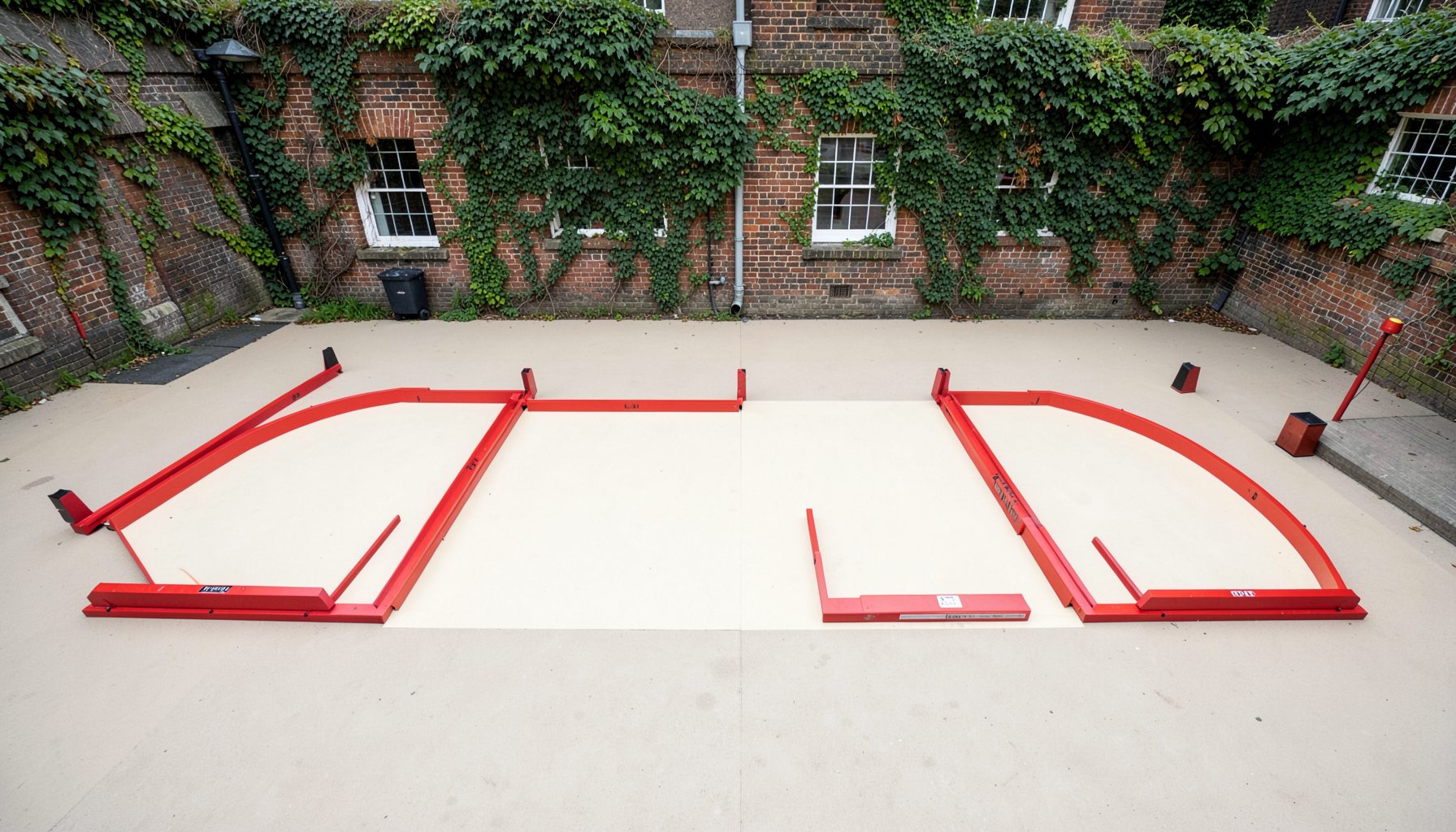
A suitable court is the foundation of the camp. Check wall dimensions, floor grip, lighting, ventilation, changing rooms and the availability of first-aid equipment. If the venue has several courts, different groups can rotate through drills, conditioned games and free play without long queues.
Summer heat requires a written plan. Schedule the hardest physical work early, include regular water breaks and provide shaded recovery areas. In Brisbane and northern New South Wales, humidity can affect concentration and fatigue; in Adelaide or Perth, dry heat and strong UV exposure may shape the timetable. Indoor air conditioning is useful, though coaches should still monitor exertion.
Have an alternative arrangement for storms, smoke or extreme heat. A council leisure centre, school gym or university sports facility may offer a backup space, but confirm cancellation terms and access hours in advance. Use local terminology in communication, such as “bring a hat, water bottle and swimmers if the venue has a pool,” while making clear that swimming is supervised separately or not part of the camp.
Complete a risk assessment covering slippery floors, collisions, stray balls, travel between areas, allergies and medical incidents. Confirm public liability insurance, working-with-children requirements and the venue’s safeguarding procedures. Every adult should know who is responsible for first aid, attendance records, emergency calls and parent collection.
Build a balanced daily programme
A useful day has a predictable rhythm. Welcome participants, explain the court rules and run a low-pressure warm-up before moving into technical work. After a short break, add competitive challenges, then allow time for lunch and recovery before tactical games or a tournament block in the afternoon.
Keep activities brief enough to maintain attention. A 10-minute demonstration followed by active practice usually works better than a long technical lecture. Rotate players through stations such as serving, receiving, striking off the wall, footwork and court positioning. Coaches can use coloured cones or numbered zones to make instructions clear for younger participants.
Include adaptations for different experience levels. Beginners might catch and release before progressing to continuous rallies, while advanced players can work on weaker-side returns, angles and pressure play. This approach avoids eliminating less experienced players and gives stronger players a meaningful challenge.
Plan a wet-weather or low-energy version of each block. Rules quizzes, video analysis, referee signals and tactical whiteboard work can preserve learning when physical intensity needs to drop. A relaxed arvo session with cooperative games may be more effective than forcing another high-load match.
Use games to develop skill and connection
Skill development becomes memorable when it is attached to a game. Relay races can teach acceleration and recovery, target zones can improve accuracy, and partner challenges can develop communication. Keep scoring simple and reward effort, teamwork and improvement as well as winning.
Adapt familiar playground activities when appropriate, while preserving the core Rugby Fives connection to movement and wall play. Coaches looking for ideas for neighbourhood game formats can turn a chasing game into a court-awareness exercise, using safe boundaries and passing or striking tasks at designated points.
A camp competition should feel organised rather than intimidating. Use short round-robin matches, rotating partners and modified court sizes so players receive plenty of court time. Give each group a visible schedule and appoint young leaders to help with scoring, warm-ups or equipment. These roles build confidence and introduce the wider responsibilities that sustain a club.
Finish the competition with recognition that reflects the camp’s values. Awards for best communicator, most improved player, fair play and creative shot can sit alongside performance awards. A closing team challenge or parents’ demonstration often creates a positive final memory without turning the event into a high-pressure final.
Prepare people, equipment and communication
A sensible staffing model includes a lead coach, group coaches, a first-aid officer and a designated welfare contact. Volunteers can manage registration, refreshments, photography permissions and equipment, but they should receive a briefing before participants arrive. Keep adult-to-player ratios appropriate to age and ability, especially when groups move between courts.
Create an equipment checklist well ahead of the first day. Include balls suited to the players’ ages, racquets or bats if used by the programme, cones, bibs, tape, scorecards, clipboards, whistles, sanitising supplies and spare drinking water. Mark equipment by station so that pack-up is fast and missing items are easy to identify.
Promotion should explain the practical details in plain language: dates, venue, age range, cost, what to bring, lunch arrangements and collection procedures. Local clubs, school newsletters, recreation centres and council sport directories can reach families more effectively than a general online announcement. In Australia, early-bird pricing and sibling discounts may help families manage school-holiday costs.
Send a reminder a week before the camp and a brief message on the morning of each session. Include heat advice, transport notes and a contact number. Avoid promising professional pathways to every participant; instead, explain that the camp can lead to club sessions, coaching opportunities, school competitions and future tournaments.
Measure the experience and create a pathway
Collect useful feedback while the experience is fresh. A short form for players, parents and coaches can ask about enjoyment, confidence, session length, venue comfort and interest in future events. Younger players may respond better to coloured rating scales or a quick group discussion than a written survey.
Track practical outcomes as well. Record attendance, new participants, returning players, school or club referrals, injuries, withdrawals and the activities that created the most engagement. Comparing these details with the original goals will show whether the camp was accessible and whether its timetable worked.
Give every participant a next step before they leave. That might be a local club training session, a school lunchtime programme, an online skills resource or another holiday clinic. Provide a contact person who can answer questions about rules, equipment and beginner-friendly opportunities.
A well-designed camp can strengthen the whole Rugby Fives network. It gives coaches a shared model, helps clubs recruit thoughtfully and introduces families to a sport that rewards agility, touch and teamwork. With an appropriate Australian venue, careful heat management and a welcoming coaching culture, the event can become an annual fixture rather than a one-off activity.
| Camp element | Practical approach | Australian consideration |
|---|---|---|
| Timing | Use morning sessions for high-intensity work | Avoid the hottest part of the day and check state school holidays |
| Venue | Select indoor courts with safe flooring and good airflow | Confirm cooling, shade, parking and public transport access |
| Grouping | Separate by age and ability where needed | Keep travel distances and family schedules in mind |
| Programme | Mix drills, games, matches and recovery | Build flexibility for heat, storms or smoke |
| Staffing | Assign coaching, welfare and first-aid duties clearly | Check working-with-children and insurance requirements |
| Follow-up | Offer club, school or community pathways | Connect participants with nearby providers and future events |
Before opening registrations, write the timetable, risk plan, staffing roster and equipment list in one shared document. Ask an experienced coach and a local venue manager to review it. Small details, such as where players refill bottles or how parents sign out children, can make the day feel calm and professional.
Promote the camp through the Rugby Fives Association’s club, school and community contacts, then welcome each participant personally on arrival. Deliver the sessions with energy, observe what works and record the results. A carefully planned summer camp can introduce new players, support existing members and give Australian communities a practical route into Rugby Fives.