



Encouraging Older Adults to Discover Rugby Fives
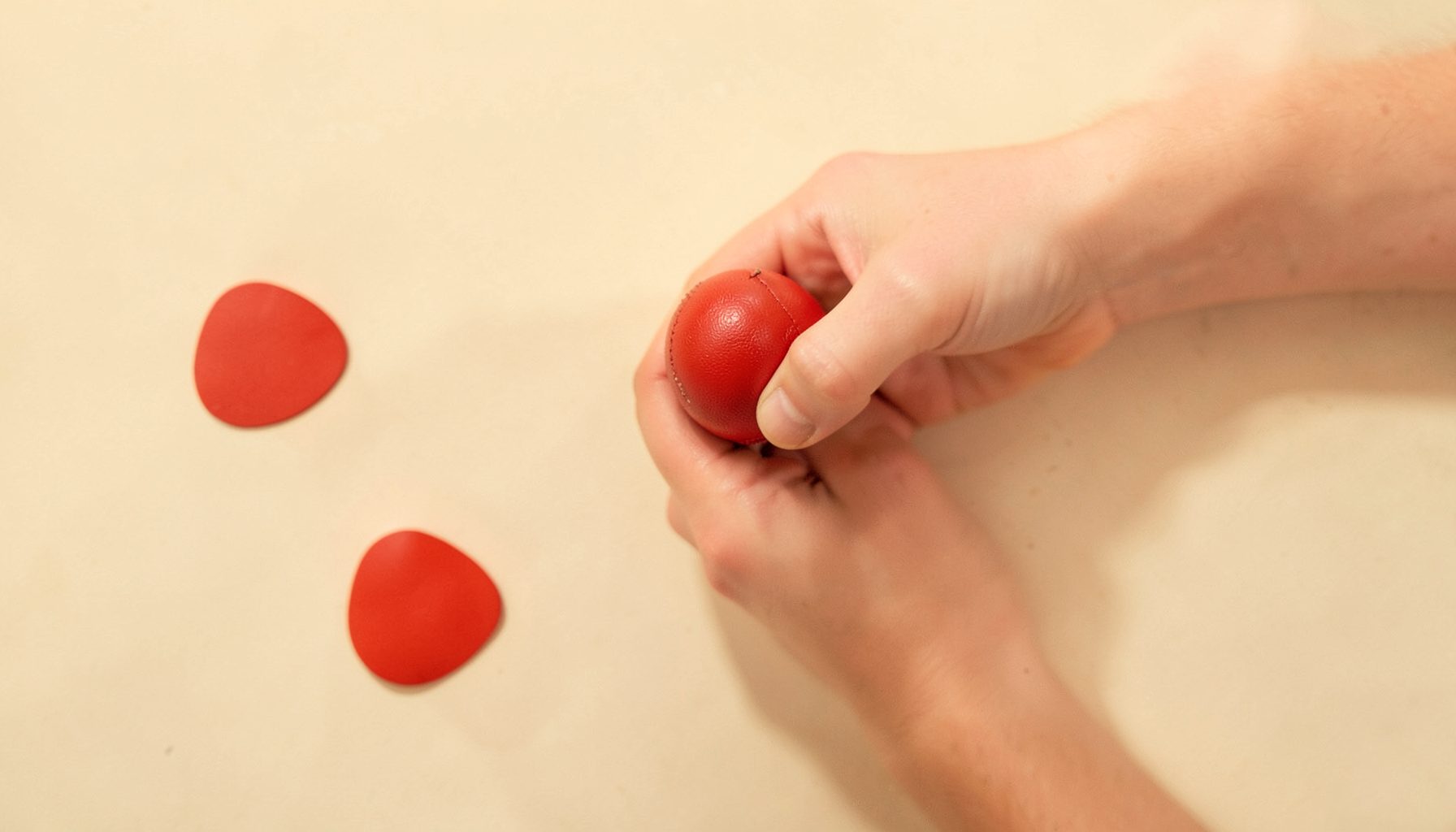
Rugby Fives is one of the quieter sports on the Australian recreation calendar, yet its blend of technique, agility, and conversational pacing makes it an unusually good fit for older adults looking to stay active past retirement. Played on a compact court with a padded glove and a hard ball, it rewards patience and accuracy over brute force, opening the door to participants in their 60s, 70s and beyond.
Across Australian club culture, from Sydney harbour-side tennis groups to Adelaide's sprawling lawn bowls greens, community sport has long been a retirement mainstay. Rugby Fives slips neatly into that tradition, requiring only a glove, flat-soled shoes, and a willingness to learn a few basic shots. For anyone seeking a fresh challenge that pairs physical movement with real social contact, the game offers a refreshing change of pace.
Why Rugby Fives Works for Older Players
The sport rewards hand-eye coordination and tactical thinking rather than raw power or endurance. A rally might last only a few seconds or stretch into minutes of precise placement off the famous buttress wall. Players in their 60s and 70s regularly hold their own against much younger opponents because positioning and shot selection often outweigh physical speed.
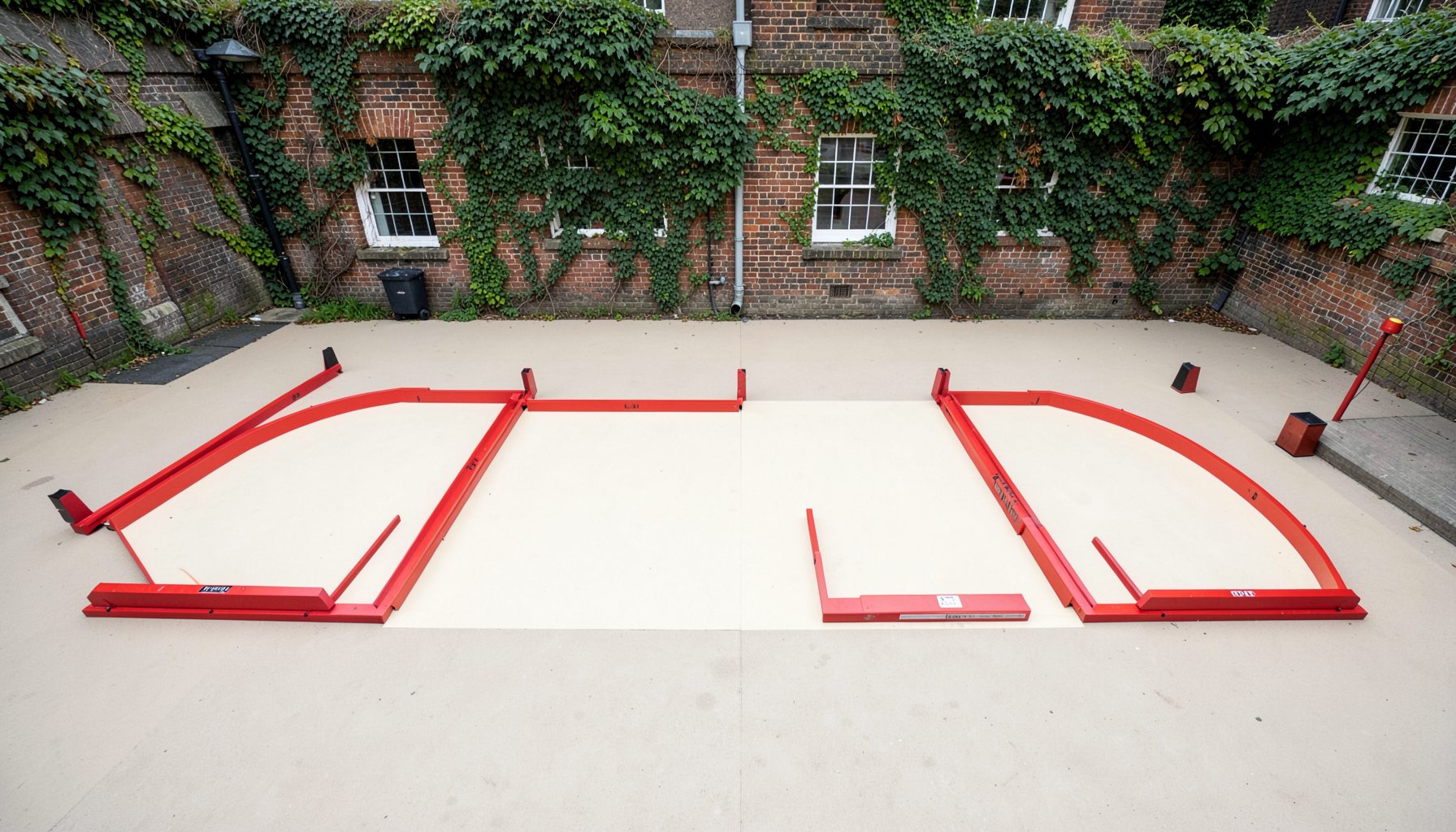
Court dimensions stay constant regardless of who is playing, which removes one of the more common barriers older adults face when joining team sports. The hard ball is caught with a padded glove, reducing strain on the hands and wrists compared with racquet sports, and most rallies take place within a tight, predictable zone so lateral movement remains controlled.
Adapting the Game for Comfort
Modifications make the experience friendly to beginners and those returning from injury. Soft balls are widely used in coaching sessions, and softer gloves help with grip. Many clubs offer shorter matches or paired sessions where more experienced players mentor newcomers through the basics.
Community programmes in Melbourne and Adelaide have piloted starter clinics aimed at over-50s participants, rotating partners every twenty minutes to maintain engagement. Players can pause for hydration without disrupting the session, a structure familiar to anyone who has joined a walking group or a senior yoga class in Brisbane.
Comparing Active Options for Older Adults
Different pursuits suit different temperaments. Rugby Fives stands apart from walking groups, yoga, and lawn bowls because it combines cognitive challenge with social play, but it is worth weighing the alternatives before committing.
| Activity | Physical Intensity | Social Element | Skill Progression | Cost Per Session |
|---|---|---|---|---|
| Rugby Fives | Moderate | High | Long-term | Low to Medium |
| Walking Groups | Low | Moderate | Limited | Free to Low |
| Yoga Classes | Low to Moderate | Moderate | Steady | Medium |
| Lawn Bowls | Low | High | Steady | Low |
| Swimming | Moderate | Low to Moderate | Limited | Medium to High |
The Rugby Fives Association site lists beginner-friendly venues and gear suppliers across the UK, and a growing number of Australian venues are beginning to appear on maps and fixtures lists. Many older players who arrive at Rugby Fives after years of yoga or walking find that the layered competitive element keeps motivation high long after novelty has worn off.
Finding a Club That Welcomes Mature Beginners
Clubs vary in their culture and accessibility, so mature beginners benefit from seeking out sessions labelled social, recreational, or mixed ability rather than competitive fixtures. Volunteer-run venues often have the flexibility to accommodate older participants who may need longer warm-ups, supportive footwear, or modified gloves.
Australia's ageing population makes this kind of inclusive provision increasingly relevant. National strategies around positive ageing, including the Commonwealth's Live Longer Live Well framework, emphasise ongoing community engagement as a protective factor for both physical and mental health. Clubs that partner with local councils, retirement villages, or community groups such as men's sheds tend to be the most welcoming environments for newcomers.
Coaching That Respects the Player
Coaches working with older adults should focus on movement quality rather than intensity. Warm-ups that include shoulder mobility work, hip flexibility drills, and ankle stability exercises help protect against the most common injuries in court sports. Sessions built around technique-first rallies let players see measurable improvement within weeks without overexertion.
Safe participation also falls under Australia's Work Health and Safety Act 2011, which applies even to volunteer organisations. Clubs complete basic risk assessments and may keep glucose supplies and a first-aid kit close to the court. Players managing conditions such as arthritis, hypertension, or recent cardiac events should consult their GP before taking up a new sport and let their coach know about any relevant history.
Building Confidence Through Connection
Social ties form the strongest reason older adults stay with a sport once they have tried it. Rugby Fives, played mostly in pairs, creates a partnership dynamic that quickly turns strangers into teammates. Players often meet for coffee afterwards, mirroring the pub and club culture that already runs through Australian weekend sport, from RSL social rooms to Friday-night community fixtures.
In Perth, Brisbane, and parts of regional Victoria, several clubs schedule post-game lunches that appeal to retirees who value both movement and conversation. Intergenerational matches, where parents and grandparents play alongside teenagers or adult children, also work well for older participants who want to introduce family members to a game they have come to love.
Keeping the Momentum Going
Sustained participation depends on small habits. Players who block out a regular weekly session, book court time in advance, and track their progress tend to stick with the sport for years. Many keep a simple notebook of serves practised and rallies won, treating each session as a small milestone rather than a chore to be endured.
Mental wellbeing benefits compound over time. Group sport has been linked to sharper memory and reduced isolation, particularly during the cooler winter months when outdoor walking groups slow down across much of southern Australia. The rhythm of a weekly fixture gives structure to a retirement calendar that can otherwise drift.
For anyone curious to begin, exploring a single awareness event such as the World Yoga Day celebration shows how a focused moment can spark broader lifestyle change, and Rugby Fives is similarly well suited to a single introductory clinic as a launchpad. Reach out to your nearest club, ask about a beginner-friendly session, and step onto court with a glove on your hand. The next rally could easily turn into a decade of friendships, fitness, and friendly competition.