



Find A Rugby Fives Coach Near You
Finding the right Rugby Fives coach can make your first experience of the sport far more enjoyable. A good coach will explain the unusual court layout, help you develop reliable strokes, and show you how movement and positioning shape every rally. They can also make it easier to join a welcoming club or regular playing group.
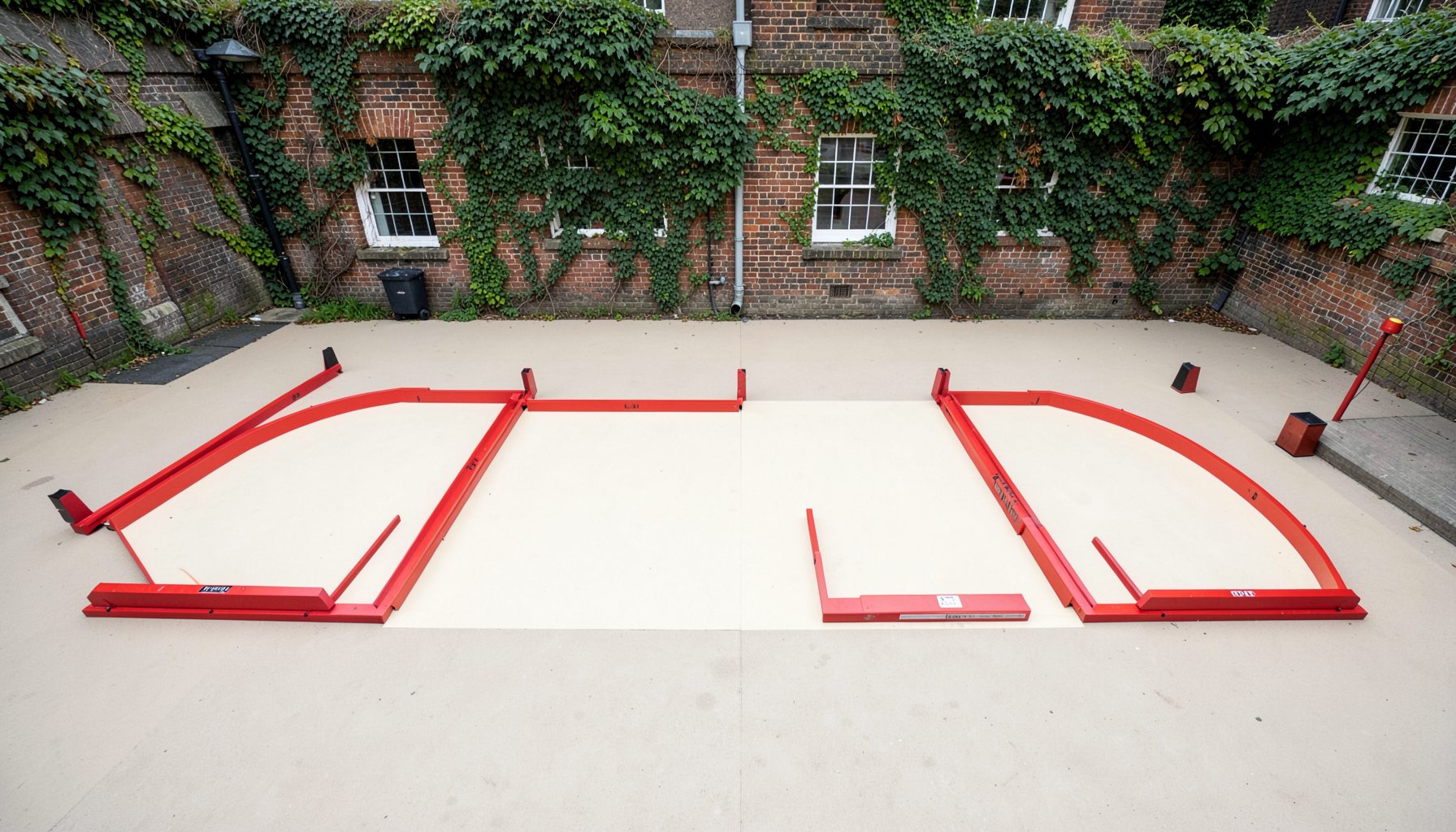
Rugby Fives is played in several formats, with differences in court design, local traditions, and playing style. Some people want structured technical coaching, while others need an informal introduction before committing to regular sessions. Identifying your aims first will make your search faster and help you choose an instructor who suits your level.
The Rugby Fives Association is a useful starting point because it connects players, clubs, schools, coaches, and volunteers across the country. Its competitions, fixtures, championships, and community activity can point you towards established playing communities and potential coaching contacts.
Start With The National Rugby Fives Network
Begin by visiting the Rugby Fives Association website and looking for information about clubs, events, fixtures, competitions, and regional activity. A club that enters association tournaments or maintains regular fixtures will often know which local players provide coaching, organise practice sessions, or welcome beginners.
If no coach is listed directly, contact the association through its official channels and describe your location, experience, age group, and preferred session format. A national governing body may be able to direct you towards a nearby club secretary, development volunteer, school contact, or experienced player. Give a broad travel area rather than naming only one town, since Rugby Fives communities can serve several neighbouring districts.
Local clubs are especially valuable because coaching is often connected to playing opportunities. A coach who can introduce you to doubles partners, club nights, junior sessions, or friendly matches offers a clearer route into the sport than someone who only provides isolated lessons.
Define The Coaching You Need
Before contacting instructors, decide what you want to achieve. A complete beginner may need an explanation of the court, legal serves, scoring, basic shots, and safe movement. An intermediate player may be looking for help with attacking choices, defensive recovery, volleying, or preparation for a tournament.
Your age and circumstances also matter. Children and teenagers should look for junior coaching with suitable safeguarding arrangements, while adults may prefer a flexible evening or weekend programme. Players returning after an injury should tell the coach in advance so that the session can be adapted safely.
Think about whether you prefer individual tuition, a small group, or a club-based session. One-to-one coaching allows detailed feedback, but group coaching can develop decision-making and match awareness more naturally. A beginner-friendly club evening may be the most affordable way to test the sport before paying for a series of private lessons.
Search Clubs, Schools, And Local Venues
Use several search terms when looking online. Try combinations such as “Rugby Fives club,” “Rugby Fives coaching,” “Rugby Fives lessons,” “Rugby Fives court,” and the name of your town or county. Searching for schools, universities, independent schools, sports centres, and historic Fives courts may reveal contacts that do not appear under commercial coaching directories.
Schools and universities can be particularly useful because many have courts and established links with former pupils, staff, or local associations. Some sessions may be restricted to students or members, but administrators can sometimes identify public activities or nearby clubs. Ask whether the venue hosts open days, beginners’ sessions, holiday courses, or community events.
Social media pages and club newsletters can also show when coaching takes place. Look for recent activity, named organisers, fixture announcements, and clear contact details. An active page does not automatically prove coaching quality, so use online information to create a shortlist rather than making a decision based on appearance alone.
The best route depends on your priority, budget, and availability:
| Coaching route | Suitable for | Strengths | Points to check |
|---|---|---|---|
| Association-linked club | Beginners and regular players | Local playing community and match opportunities | Travel distance, session times, membership arrangements |
| Private coach | Players wanting focused feedback | Personalised goals and flexible content | Experience, cost, venue access, safeguarding |
| School or university programme | Juniors, students, and families | Existing courts and structured activities | Eligibility, term dates, supervision |
| Group development session | New and improving players | Social learning and lower cost per person | Group size and ability range |
| Tournament or open event | Players ready to meet the community | See different styles and make contacts | Whether coaching is included or separate |
Compare Coaching Options Carefully
When you have found several possible contacts, ask practical questions before booking. Find out where sessions take place, how long they last, what equipment is needed, and whether court hire is included in the price. A coach may work at more than one venue, so confirm the exact location rather than relying on a general town name.
Ask about the coach’s Rugby Fives experience, the levels they teach, and the type of players they usually work with. Experience as a strong competitor can be helpful, but playing ability alone does not guarantee clear instruction. Look for someone who can explain technique simply, demonstrate safely, and adapt exercises when a player is struggling.
Price should be considered alongside the whole service. A private lesson may cost more but provide concentrated attention, whereas a club session may include opportunities to practise with several partners. Ask whether introductory sessions, block bookings, junior rates, or association membership affect the total cost.
Check Safety, Experience, And Fit
A responsible coach should be comfortable discussing safeguarding, insurance, venue rules, and appropriate boundaries. This is particularly important for children and vulnerable participants. Junior sessions should have clear arrangements for supervision, communication with parents or guardians, changing facilities, and photography or recording.
For any player, the first conversation should cover previous injuries, fitness limitations, and relevant medical concerns. Rugby Fives involves repeated lunging, quick changes of direction, striking, and contact with walls or other players. A qualified coach should encourage a suitable warm-up, explain court etiquette, and progress exercises at a sensible pace.
Use this checklist when comparing instructors:
- Confirm their Rugby Fives background and experience with your age and ability level.
- Ask whether they hold relevant coaching, first-aid, or safeguarding training.
- Check the venue, court condition, equipment requirements, and cancellation policy.
- Request the full cost, including court hire, membership, or equipment charges.
- Notice whether their communication is clear, respectful, punctual, and encouraging.
A good personal fit matters as much as a strong playing record. You should feel able to ask questions and receive useful feedback without being embarrassed by mistakes. If the first session feels too advanced, disorganised, or focused entirely on competition, it may be better to try another coach or a more suitable group.
Make The First Session Productive
Wear non-marking indoor sports shoes and comfortable clothing that allows quick movement. Bring water, a towel, and any protective equipment recommended by the venue. If you have played other racket or wall sports, mention that experience, but do not assume the techniques transfer perfectly to Rugby Fives.
Arrive early enough to understand the court and complete a warm-up. During the session, pay attention to basic movement, ready position, striking technique, and where to recover after each shot. Ask the coach to explain the reason behind each drill, since understanding the tactical purpose will help you practise independently.
Afterwards, request two or three specific points to work on before the next session. A useful practice plan might include shadow movement, controlled wall hitting, serving routines, or a short game with a clear tactical goal. Regular practice between lessons will help turn coaching advice into dependable habits.
If you are ready to find a Rugby Fives coach near you, start with the Rugby Fives Association’s club and event network, then contact local venues and playing groups with a clear description of what you need. The right coach can provide technical guidance, a safe introduction, and a direct connection to the wider Rugby Fives community.