



How to fundraise for a new Rugby Fives court
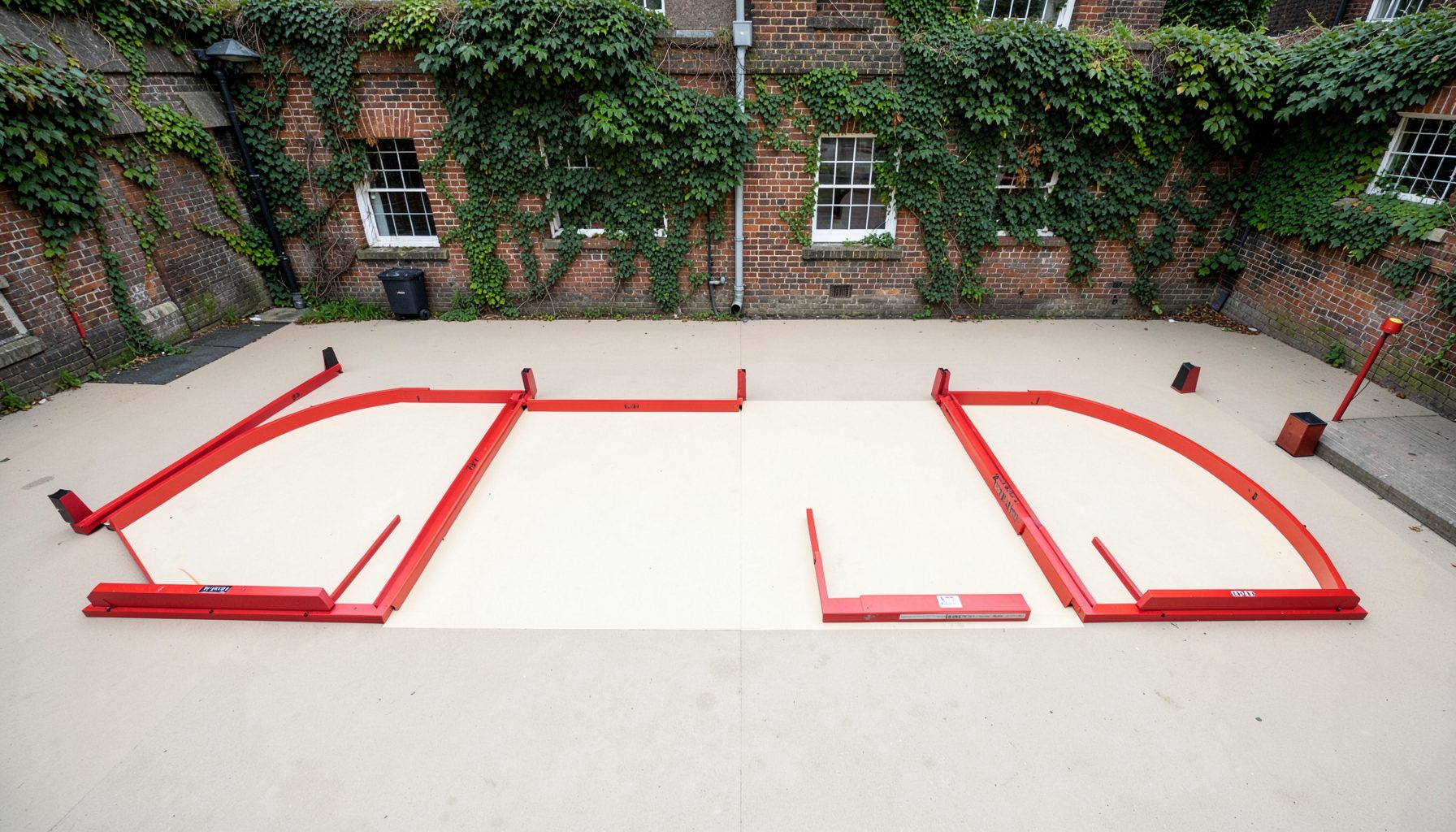
A new Rugby Fives court can give a club or school a dependable place to train, host tournaments and welcome more young players. The strongest campaigns explain a practical goal: a safe, playable surface that removes the need to borrow courts, work around bad weather or cancel fixtures.
Raising money for a new Rugby Fives court becomes simpler when each event has a defined purpose and every supporter knows what their money will achieve. Sydney, Melbourne and Brisbane already have busy school fetes, sports clubs and community networks capable of turning a good idea into a funded project.
The Rugby Fives Association is the UK’s national governing body for Rugby Fives and a registered charity, supporting competitions, coaching, school programs and community outreach. If your campaign supports a court connected with that work, state the beneficiary, location and scope clearly. An Australian court and a UK project require different agreements, payment routes and tax treatment.
Set a target that tells the whole story
Ask an experienced court contractor for a written quotation, then separate essential costs from optional extras. Depending on the site, the quote may cover the playing surface, base preparation or drainage, line marking, fencing, lighting, installation and accessible paths. Request a realistic contingency for ground conditions and price changes rather than relying on a headline figure.
Set a headline target and a smaller first milestone, such as funds for site preparation or a surface deposit. Show donors what the milestone unlocks, what remains and when the next stage will begin. For a UK-based project, check whether the quotation includes shipping, customs, installation and site works; use one currency throughout the appeal.
Attach a short timeline to the target and name the organisation that will hold and spend the money. If the project belongs to a school, club or charity, confirm who signs contracts, receives donations and maintains the court after opening. Clear ownership prevents a well-supported campaign from stalling over administration.
Build a circle of early supporters
Begin with the people already closest to the game: players, parents, past players, teachers, coaches and volunteers. Ask a small group to make the first donation or share the appeal before the campaign reaches a wider audience. Early backing gives the project credibility and reveals questions that would otherwise appear after launch.
Make the first request concrete. Give supporters one action, an amount or a deadline, and a reason to care. A player might organise a team fundraiser, a family might cover line-marking costs, and a coach might invite former club members to contribute. Personal connections work best when the event has a named goal and a clear reporting date.
Keep those early supporters involved through regular updates rather than disappearing once the target is reached. Share photographs, confirmed costs, progress against the target and the next decision required. Inviting supporters to help celebrate a milestone sustains momentum and makes it easier to ask for another contribution when costs or timetables change.
Choose formats that fit Australian community life
A Bunnings barbecue fundraiser is a familiar Australian fixture. Ask your local store about its community fundraising program, then sell meals through a school, club or community group and commit a stated percentage or amount to the court. A published split, a visible collection point and a clear project display turn an ordinary Saturday shop into direct support for the project.
Raffle tickets, quiz nights and doubles tournaments suit different audiences. A local service club raffle can extend the network through community volunteers, while a mixed-age doubles event brings players and families together. Set ticket prices and prize values in advance, and make sure the event matches the time and commitment your supporters can realistically manage.
Container deposits offer another route in New South Wales and Queensland, where community groups and schools can organise eligible collections under the relevant scheme’s rules. Treat returned containers as an additional income stream, not the entire target. When combining methods, keep each amount separate in your records so donors and the recipient organisation can see exactly what was raised.
Bring schools, clubs and businesses alongside you
Approach a school’s sports council or parent association with a ready-made plan for a fete, sports day or sponsored challenge. School communities are particularly effective at connecting families, teachers and local businesses. Offer a simple event role, a fixed fundraising goal and a short explanation of how the court will benefit current and future pupils.
Local businesses can contribute cash, materials or practical support. Approach a builder, café, sports shop, turf contractor or equipment supplier with sponsorship levels tied to visible benefits, such as court signage, a presentation, team hospitality or a discount on materials. Put the amount, duration, recognition and any tax implications in a written agreement so goodwill does not lead to confusion later.
Clubs, councils and sport funding programs may offer grants or contributions based on community use, participation targets and project readiness. A club with an established facility could also host a launch tournament, nominate a team to fundraise and pledge part of the event income. Before applying, check eligibility, matching-fund requirements, deadlines and the evidence each funder will need.
Keep funds transparent and fundraising compliant
Use a secure giving page and a dedicated project record for every income and expense. State whether gifts are restricted to construction, equipment or another approved purpose, publish the target and current total, and send receipts from the organisation actually receiving the funds. If money is passed to the Rugby Fives Association, document the transfer arrangement and the project it supports.
Public fundraising can involve council permits, food-safety rules, insurance, raffle requirements and state or territory legislation. Check with the local council and the organisation running the event before advertising a street appeal, barbecue, raffle or prize promotion. Do not assume that one permit covers every activity or that a neighbouring council uses the same conditions.
Tax wording deserves particular care. Australian charities generally register with the Australian Charities and Not-for-profits Commission, while Deductible Gift Recipient status is a separate endorsement that supports tax-deductible gifts. The Rugby Fives Association’s UK charity registration does not itself make a donation tax-deductible in Australia. Verify the recipient’s status, issue receipts only as authorised and avoid promising a deduction in campaign material without confirmation.
| Funding route | Best suited to | Main benefit | Important check |
|---|---|---|---|
| Peer-to-peer crowdfunding | Individual supporters with a personal connection | Broad reach and visible progress | Platform fees and honest updates |
| Community event | Clubs, schools and local groups | A social occasion with a tangible result | Permits, insurance and food safety |
| Business sponsorship | Local suppliers and businesses | Cash or in-kind support and community connections | Terms, recognition and tax treatment |
| Grant funding | Not-for-profit projects with eligible costs | Larger contributions for a defined purpose | Matching requirements and reporting |
| Club or school contribution | Established community networks | Trusted giving and shared ownership | Approvals, restrictions and receipts |
Turn momentum into a funded court
Choose your first contribution now, confirm the verified giving route and set a date to share the appeal with your club or school. Ask one team to own the next milestone, publish the campaign details and arrange a simple progress update. Where the project is part of the association’s work, link the appeal to wider goals such as coaching, school programs and community outreach.
Share the verified giving route, invite your network to the opening tournament when the court is ready, and encourage every team to bring a new player. Your contribution helps create a lasting home for fixtures, coaching and wider participation in Rugby Fives.