



How to fundraise for a new Rugby Fives court in your community
A new Rugby Fives court can become much more than a sports facility. It can give local children a place to learn, help existing players stay active, create a home for competitions, and strengthen connections between schools, clubs, families, and volunteers. Reaching that goal requires a clear fundraising plan that turns enthusiasm into practical support.
The strongest campaigns begin with a shared vision. Residents, schools, sports organisations, local businesses, and public bodies should understand what the court will provide, who will use it, how much it will cost, and what will happen after it opens. A well-presented case makes every later conversation easier.
Fundraising also works best when it combines several income streams. Community events can build visibility, grants can provide substantial backing, and sponsorship can bring long-term stability. The campaign should feel like a community project from its earliest stages, rather than a request for donations with no wider plan.
Set a clear case for the court
Begin by defining the need in specific terms. Explain whether the area lacks an accessible court, whether an existing facility is unsafe or overbooked, and which groups are currently unable to play. Include evidence such as waiting lists, school interest, club membership figures, local population data, or feedback from residents.
Describe the benefits in language that reaches people beyond established Rugby Fives players. A court could support physical activity, youth development, after-school programmes, inter-school fixtures, coaching sessions, inclusive sport, and community tournaments. If the site can host several age groups and skill levels, make that central to the message.
Set a realistic fundraising target after obtaining early cost estimates. Include construction, ground preparation, drainage, lighting, changing facilities, professional fees, planning requirements, equipment, insurance, and an allowance for unexpected costs. A transparent budget shows that the campaign is organised and helps donors understand what their contribution will achieve.
The Rugby Fives Association can provide useful context when presenting the sport’s national reach and development potential. Referencing the work of the national governing body can reassure funders that the proposal connects with an established sporting network rather than standing alone.
Build a committed local team
Create a small steering group with clearly assigned responsibilities. Useful roles include a project lead, treasurer, grant researcher, events coordinator, communications volunteer, school liaison, and person responsible for planning or site matters. A defined structure prevents tasks from being overlooked and gives potential funders confidence in the campaign.
Invite people with different connections to the community. A teacher may open doors to school partnerships, a local business owner may understand sponsorship, and a parent volunteer may know how to reach families. Current players and coaches can provide sporting expertise, while residents can explain why the facility matters locally.
Choose a responsible organisation to receive and manage funds. This might be an existing club, charitable organisation, school, parish body, or community interest company. Establish who will approve spending, maintain records, issue acknowledgements, and report progress. If the fundraising group is not itself a registered charity, it should check how donations and grant applications must be handled.
A short written agreement can clarify decision-making, financial controls, ownership of the completed court, and responsibility for maintenance. These details may seem administrative, but they often determine whether a grant application is considered credible.
Combine fundraising methods strategically
A campaign should use different methods for different audiences. Individual donations create a sense of local ownership, while grants and major gifts can cover larger capital costs. Sponsorship can support named features, equipment, coaching programmes, or annual maintenance after construction.
| Fundraising route | Best use | What strengthens the case |
|---|---|---|
| Community donations | Demonstrating local commitment and covering smaller costs | A simple online appeal, regular updates, and visible progress |
| Local business sponsorship | Supporting construction elements, equipment, or events | A clear benefits package and recognition opportunities |
| Trusts and foundations | Funding youth sport, access, health, or facilities | Measurable outcomes, a robust budget, and safeguarding policies |
| School partnerships | Helping with shared-use facilities and education programmes | Timetables, letters of support, and evidence of pupil demand |
| Fundraising events | Building awareness while generating unrestricted income | A varied programme suited to families, players, and residents |
| Major donors | Closing a significant funding gap | Personal presentations and a well-developed project plan |
Avoid launching every activity at once. Start with a quiet phase that secures pledges from supporters who are already involved. Their early backing provides momentum and may help unlock match funding, where a grant provider agrees to support a project once the community has raised a specified amount.
Keep a record of every commitment, including whether it is confirmed, conditional, or simply an expression of interest. This distinction is essential when calculating the remaining funding gap and reporting accurately to partners.
Make the appeal visible and specific
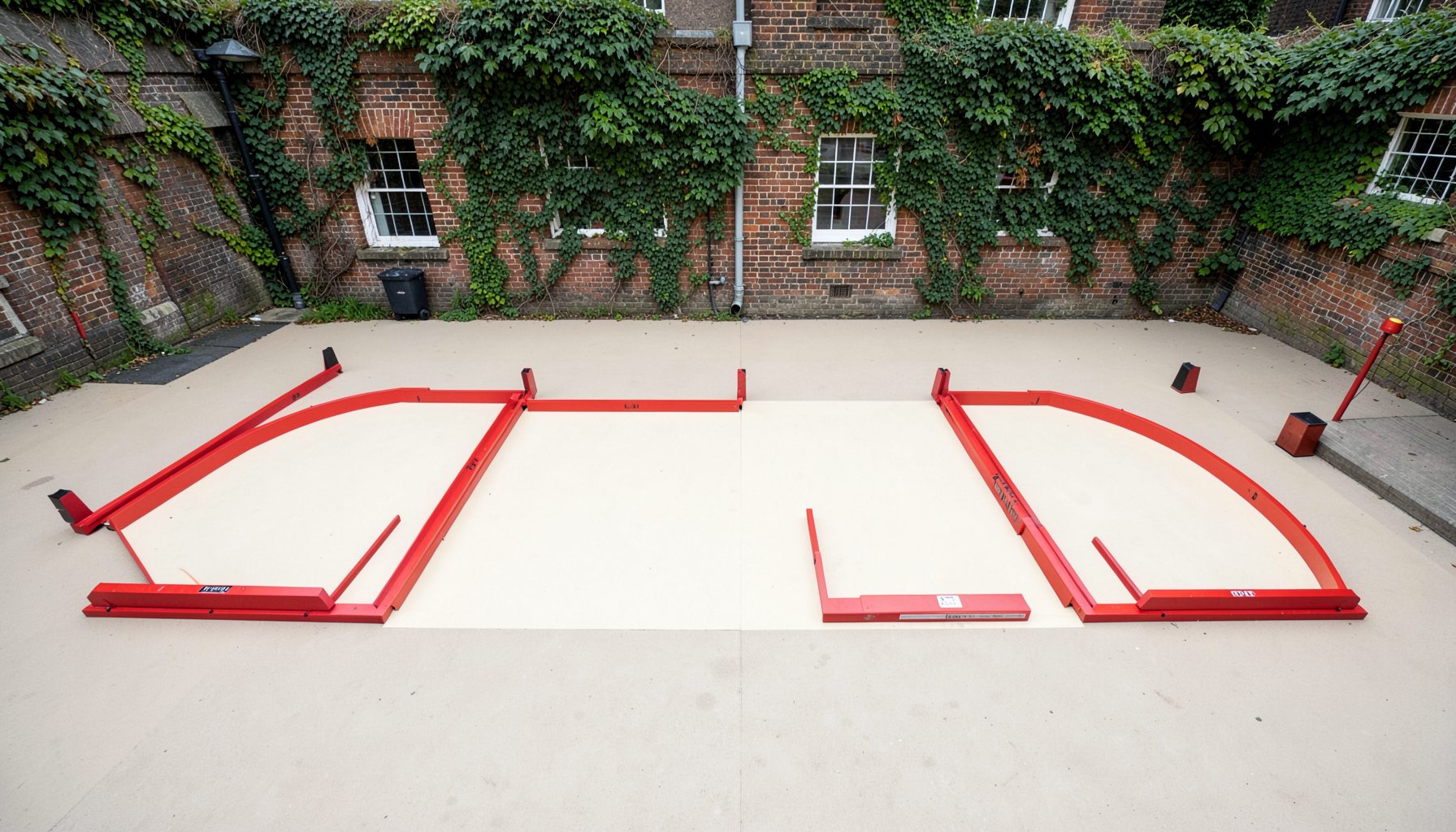
People respond more readily when they can picture the result of their contribution. Use photographs of the proposed site, a simple court design, a cost breakdown, and a timeline showing key milestones. If possible, create a visual representation of the finished facility with entrances, playing areas, lighting, accessible routes, and surrounding landscaping.
Set donation levels with meaningful descriptions. For example, a smaller gift might help provide balls and coaching equipment, while a larger contribution could support fencing, drainage, or court surfacing. Do not imply that a particular donation pays for an entire construction element unless the figures have been verified.
Use local newspapers, school newsletters, club mailing lists, noticeboards, social media, and community meetings. Short videos featuring pupils, coaches, parents, and current players can communicate the human value of the project more effectively than a long technical explanation.
A campaign page should include the purpose, target, budget summary, donation instructions, responsible organisation, and contact details. Update it regularly, even when progress is measured in conversations or applications rather than money. Consistent communication helps prevent supporters from assuming that the project has stalled.
Approach grant makers and sponsors professionally
Research funders whose objectives match the project. Relevant priorities may include children’s health, physical activity, access to sport, rural or urban regeneration, education, disability inclusion, volunteering, or community facilities. Read each funder’s eligibility rules carefully before preparing an application.
Grant makers usually want evidence of need, a defined beneficiary group, realistic costs, strong governance, and measurable outcomes. Explain how many people will use the court, how often it will be available, which programmes will run, and how participation will be monitored. Include letters of support from schools, clubs, councillors, health organisations, and community groups where appropriate.
Businesses need a clear reason to participate. Offer recognition on signage, campaign materials, event clothing, websites, or programme literature, while keeping the arrangement proportionate and professional. Sponsorship may also include donated materials, printing, professional services, transport, or labour rather than cash.
Prepare a concise sponsorship pack with the project summary, audience profile, funding requirement, proposed benefits, timeline, and contact information. Approach businesses with a tailored message that connects the court to their local presence and community values. Personal introductions are often more effective than mass emails.
Protect the budget and maintain trust
Open a dedicated project account or use a clearly separated fund within the responsible organisation. Require more than one person to authorise significant payments, retain invoices, and reconcile income regularly. Publish enough financial information for supporters to see how the campaign is progressing without exposing private donor details.
Plan for costs that arise after the opening ceremony. Court surfaces require care, lighting has running costs, equipment needs replacing, and insurance must remain current. A maintenance reserve, annual membership income, facility hire, or a modest programme fee can help protect the court’s future.
Set milestones such as completing the feasibility study, securing planning permission, reaching the first fundraising threshold, confirming the main grant, and beginning construction. Celebrate each stage with accurate updates. If the timetable changes, explain why and state what will happen next.
The campaign’s reputation will depend on honesty. Never inflate attendance figures, claim funding before it is confirmed, or promise access that the finished facility cannot provide. Trust built during the fundraising period will support participation, volunteering, and future investment.
A practical fundraising checklist
Use the following actions to keep the campaign focused:
- Confirm the site, ownership arrangements, planning position, and initial construction estimate.
- Form a steering group with named responsibilities and agreed financial controls.
- Gather evidence from schools, clubs, residents, and potential users.
- Prepare a case statement, budget, timeline, sponsorship pack, and grant calendar.
- Secure early pledges before launching a larger public appeal.
- Track confirmed income, pending applications, expenses, volunteer hours, and outstanding needs.
Review the checklist at regular steering-group meetings and record decisions in writing. A shared spreadsheet or simple project management system can show who is responsible for each application, event, communication, and follow-up. This keeps the campaign moving even when volunteers have limited time.
Turn fundraising into lasting participation
The court should be presented as the foundation for an active programme, not as the final objective. Prepare plans for beginner sessions, junior coaching, school use, club fixtures, social play, women’s and girls’ participation, disability-inclusive activities, and community open days. These commitments make the facility more attractive to funders because they demonstrate meaningful use.
Create an opening programme that gives supporters a reason to return. A launch tournament, family coaching day, school festival, or volunteer celebration can introduce the sport to people who have never played. Collect consented photographs, attendance figures, feedback, and short participant stories to show the court’s impact.
Invite donors and partners to receive periodic updates after the facility opens. Report participation numbers, programme achievements, maintenance needs, and upcoming events. This continuing relationship may lead to renewed sponsorship, equipment donations, or support for a second phase of development.
A successful campaign leaves behind more than a completed court. It creates a network of players, coaches, schools, volunteers, and local supporters who share responsibility for the sport’s future. Begin with a credible plan, bring the community into the process, and turn each contribution into visible progress toward a welcoming Rugby Fives facility.