



How to get started in Rugby Fives
Rugby Fives is a fast, skillful wall game played with the hands rather than a racket. It combines quick reactions, controlled striking, movement, and tactical awareness in a compact court. Because rallies can change direction instantly, beginners often find that every session feels active from the first few minutes.
The sport is suitable for a wide range of ages and abilities. You do not need to arrive with specialist fitness, previous racket-sport experience, or an established understanding of the rules. A willingness to practise basic hand skills and learn through play is usually enough to begin.
The Rugby Fives Association supports clubs, schools, coaches, competitions, and community activity across the UK. That network makes it easier to find a welcoming session, understand the playing standards, and progress from casual games towards organised fixtures.
Understanding the court and the game
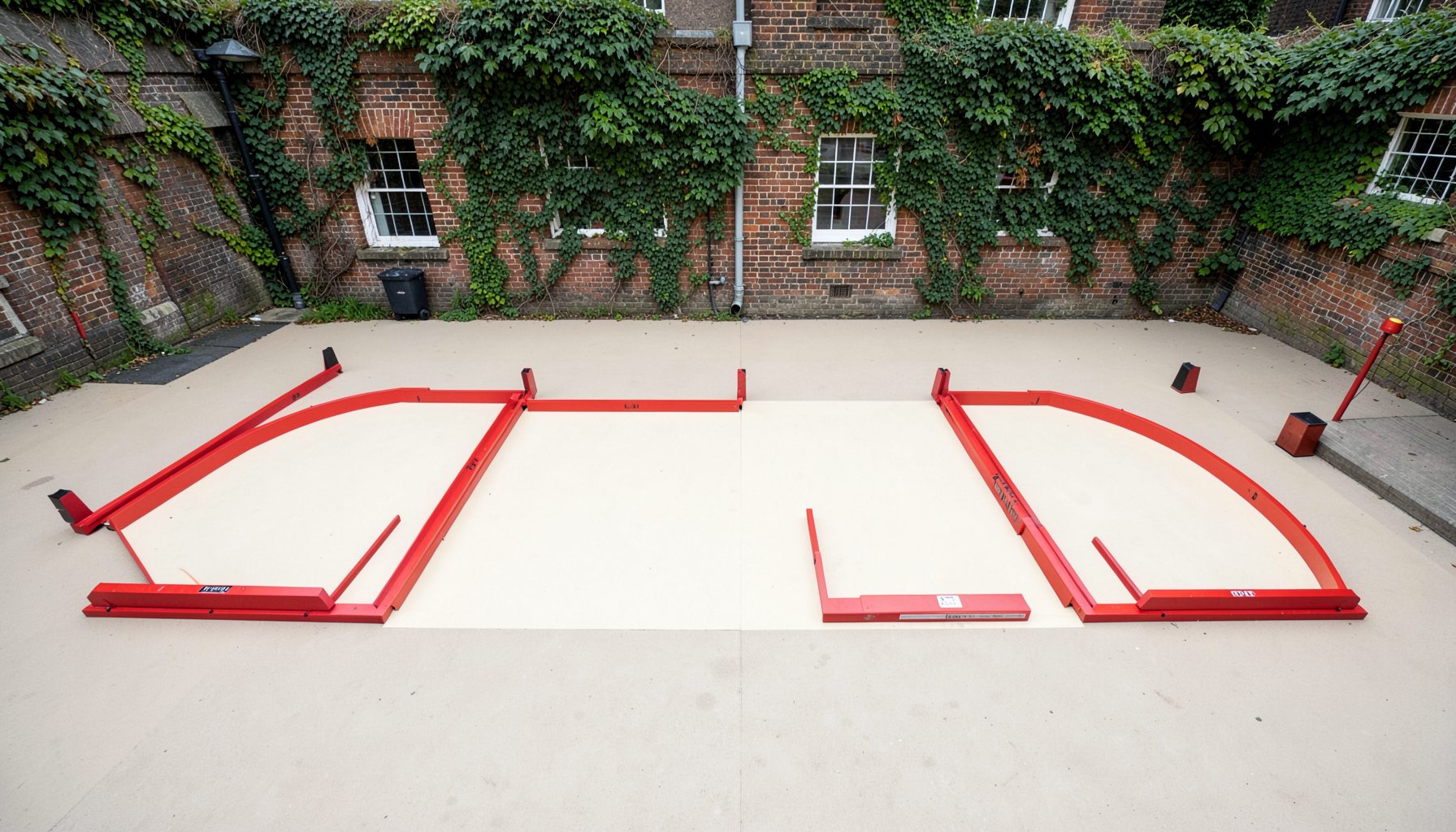
A Rugby Fives court is enclosed by walls, with the front wall serving as the main target. Players strike the ball with their hands so that it reaches the front wall within the legal playing area. The returning ball must then be played before it bounces twice, creating a rapid exchange that rewards anticipation as much as strength.
Games may be played as singles or doubles. In singles, each player covers more space and must manage the angles independently. Doubles introduces partnership movement, communication, and court positioning. The precise scoring format and local playing conventions can vary between clubs or competitions, so a coach or experienced player should explain the version being used before a match.
The ball can travel at different heights and speeds, making placement central to the sport. A well-directed shot into a difficult angle may be more effective than a powerful hit directly towards the middle. Beginners should focus on keeping the ball in play and learning where it rebounds rather than trying to finish every rally immediately.
Finding your first session
The best starting point is a local Rugby Fives club, school programme, university group, or community session. Clubs often welcome complete beginners and can provide an introduction to the court, equipment, basic rules, and safe striking technique. Contacting the organiser in advance is helpful because some venues have limited court availability or scheduled coaching times.
A first session may include warm-up games, hand-eye coordination exercises, demonstrations, and short rallies. Do not worry if the ball feels unpredictable at first. Reading the rebound is a learned skill, and regular players usually remember how unfamiliar the walls and ball felt when they began.
If you are already looking for opportunities to play, the association’s fixtures and events can help you understand where organised matches and activities take place. A fixture is not necessarily a target for a new player, but it can show the wider structure of the sport and help you identify active clubs.
Choosing equipment and preparing safely
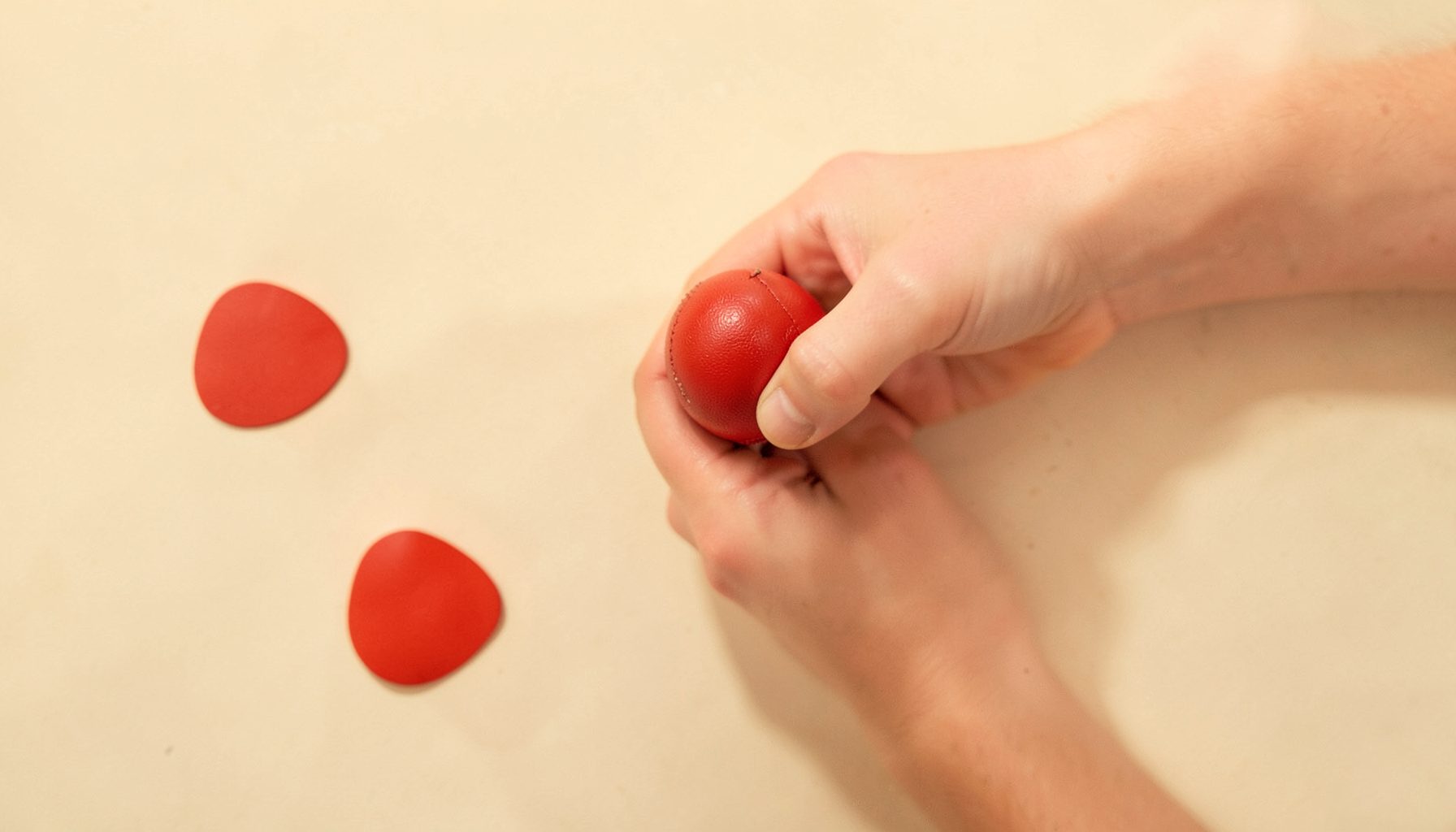
Rugby Fives needs very little personal equipment. Comfortable sports clothing, non-marking court shoes, and a willingness to protect your hands are the main requirements. Some players use gloves or hand protection, while others play with bare hands, depending on preference, court conditions, and the advice of their club.
Proper footwear matters because the game involves short sprints, sudden stops, lateral movement, and changes of direction. Shoes should provide secure grip without restricting movement. Avoid playing in outdoor trainers that leave marks or lack suitable support for indoor court surfaces.
Warm up your wrists, fingers, shoulders, hips, knees, and ankles before striking the ball. Begin with gentle movement and controlled hitting rather than immediately attempting hard shots. If your hands become sore, stop and ask a coach about technique, protective equipment, or a gradual practice routine. Good habits early on make it easier to play consistently.
Building the essential skills
The first technical goal is a reliable contact with the ball. Practise meeting the ball in front of your body with a firm, open hand and a controlled follow-through. The exact hand position can differ between players, but the contact should be stable rather than tense. A coach can help you find a comfortable method that produces a predictable rebound.
Footwork is equally important. Try to reach the ball early, set your body, and recover towards a useful position after each shot. Standing still and stretching for every return makes control harder. Small adjustment steps allow you to prepare for high, low, wide, and awkward rebounds.
Once basic contact is developing, practise changing direction and height. Alternate between safer shots that keep a rally alive and more ambitious attempts that move an opponent away from the centre. In doubles, learn to call for the ball clearly and avoid crossing into your partner’s space. Communication can improve a partnership before advanced technique does.
| Skill area | Beginner focus | Useful practice |
|---|---|---|
| Hand contact | Strike cleanly and consistently | Gentle rebounds against the front wall |
| Footwork | Arrive balanced and recover quickly | Side steps, split steps, and shadow movement |
| Control | Keep the ball playable | Aim for safe areas rather than maximum power |
| Tactics | Notice space and angles | Play alternating high and low returns |
| Doubles play | Communicate and rotate sensibly | Short rallies with clear calling |
Learning rules and match etiquette
Rules become easier to understand when you see them applied. Start by learning the basic sequence of a rally, how service begins, what makes a shot legal, and how points are awarded in your club’s format. Rather than memorising every regulation before playing, use a short explanation followed by practical examples on court.
Ask about boundaries, interference, lets, and situations where a player should stop for safety. Because the court is enclosed and rallies are quick, players need to remain aware of other people’s positions. If an opponent is in danger of being struck or obstructed, pause and clarify the call instead of continuing recklessly.
Good etiquette is part of Rugby Fives culture. Shake hands or acknowledge opponents, respect the decision of an organiser or referee, return balls promptly, and thank partners and volunteers. Experienced players generally expect beginners to make mistakes; showing attention, courtesy, and a willingness to learn matters more than getting every call right.
Moving from practice to competition
After a few sessions, consider entering a friendly club evening, beginner event, or social doubles match. Informal competition helps you apply skills under pressure without making results the sole measure of progress. Set practical goals such as completing a longer rally, reaching more returns, or using a planned shot successfully.
A coach can help identify the next stage of development. This might include improving your serve, defending difficult angles, anticipating an opponent’s contact, or learning how to construct a point. Regular practice is valuable, but short sessions with a clear focus often produce better progress than hitting aimlessly for a long time.
The association’s competitions and championships offer opportunities for players at different levels, while clubs provide the regular contact needed to improve. Rankings and results can become motivating later, but new players should first concentrate on enjoyment, consistency, and becoming comfortable in the court environment.
Simple habits that speed up progress
- Attend sessions regularly so that court movement and ball reading become familiar.
- Practise controlled returns before concentrating on power or spectacular angles.
- Watch stronger players and notice their recovery position, shot selection, and communication.
- Keep a short record of one technical goal for each practice session.
- Play with different partners and opponents to experience varied styles and speeds.
Progress in Rugby Fives is often visible in small changes. You may reach the ball earlier, recognise a rebound sooner, or keep your position after a difficult return. These improvements build confidence and create the foundation for more advanced tactics.
The sport also offers a strong social pathway. Players can become involved through coaching, officiating, school activity, volunteering, or helping to organise events. That wider community is valuable for anyone who wants Rugby Fives to become a lasting part of their sporting life.
Find a nearby session, contact a club or school organiser, and book your first opportunity to step onto a court. Bring comfortable shoes, listen to the guidance provided, and give yourself time to learn the rebounds. With regular play and an open approach, the first unfamiliar rally can soon become a rewarding new sporting routine.