


Hosting a Rugby Fives Clinic That Schools Will Remember
Rugby Fives is one of those rare sports that slots into almost any school setting. Played on a three-walled court with hands and a leather ball, the game rewards anticipation, soft hands and quick footwork more than it demands raw size or strength. For Australian schools used to the dominance of cricket, AFL, rugby league and rugby union, fives offers a refreshing change of pace that still rewards the same competitive instincts young athletes develop on the oval. Learn more about Withdraw With Gift Card Slots.html.
Australia's school sport landscape is famously busy. The GPS, CAS and AAGPS competitions in Sydney, the APS schools in Melbourne, and similar associations in Brisbane and Adelaide already pack the calendar with weekend fixtures. Adding another sport to that schedule is a real ask, but fives has one big advantage: a single court can host a class of 30 students, and most PE teachers can feel confident with the basics after a single session with an experienced coach.
The Rugby Fives Association has long supported the development of the game in the United Kingdom, and there is growing interest from Australian PE departments looking for a winter or term-four activity that works indoors. Whether you are a coach, a club volunteer, a parent or a teacher, this guide walks through the practical steps for running a memorable school clinic.
A good clinic is more than turning up with a ball and a clipboard. It involves early conversations with school staff, sensible insurance, age-appropriate drills, and a follow-up plan that keeps the momentum going. The rest of this article covers each of those elements in turn, with examples drawn from Australian schools and community sport programs.
Laying the groundwork with school staff
The first conversation should be with the head of PE or the school's sport coordinator, not with the students. These are the people who decide what goes on the fixture list, and they will want to know what time commitment you are asking for, what the learning outcomes look like, and how the clinic lines up with the Australian Curriculum's Health and Physical Education strands.
Aim to introduce the idea six to eight weeks before the clinic. That gives the school time to include it in the term calendar, secure hall bookings, and brief any relief teachers. In larger systems such as the NSW Department of Education or Victorian government schools, you will also need to follow the visitor sign-in procedures and present a current Working with Children Check or state equivalent, which we cover later.
Bring a one-page summary that includes a short description of Rugby Fives, the equipment you will provide, the session structure, and contact details. PE coordinators in schools from Perth to Hobart are used to receiving these and will appreciate something concise they can forward to a deputy principal for approval.
Choosing venues and equipment
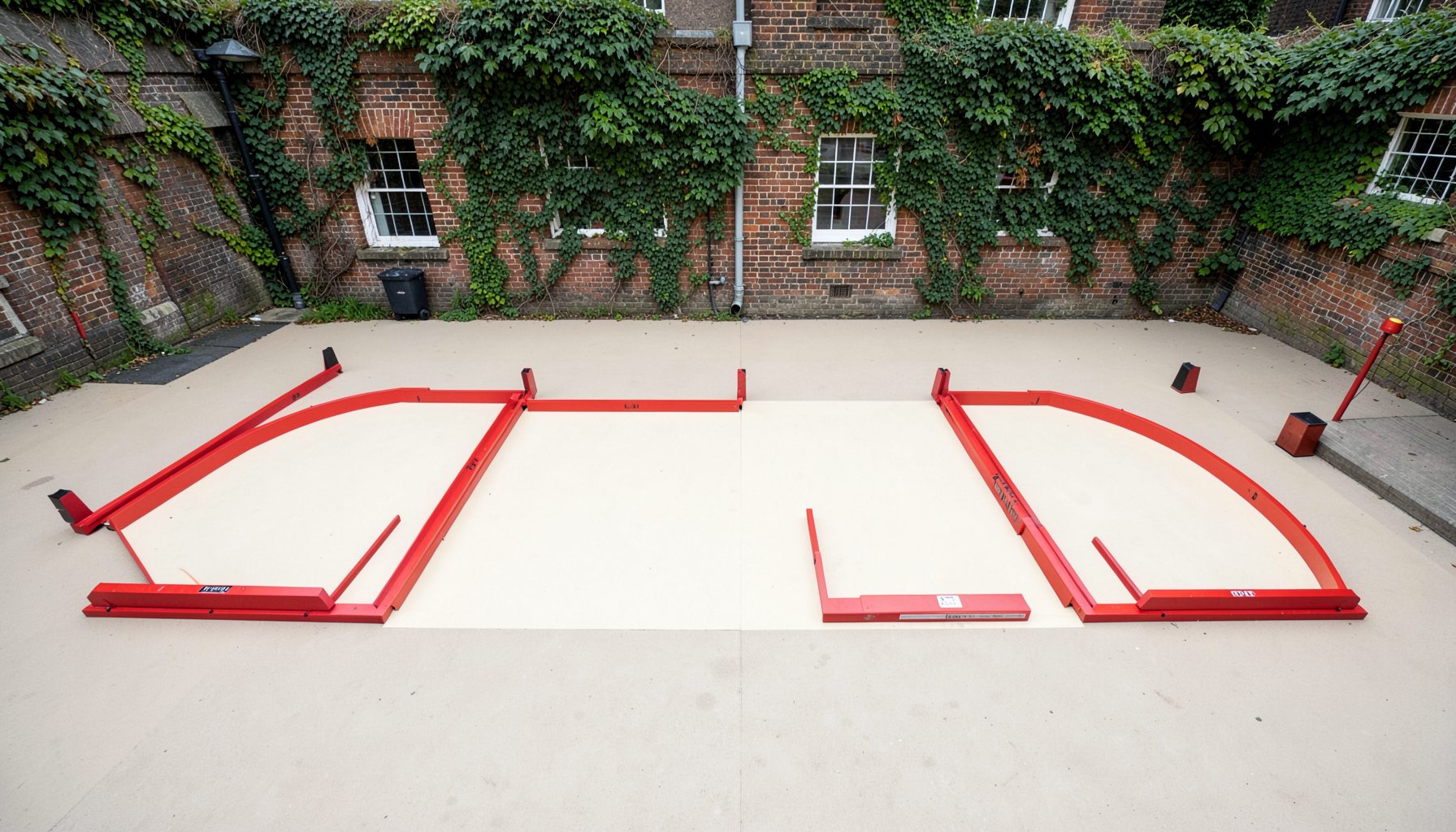
Rugby Fives needs a hard-walled playing area roughly the size of a squash court. Most Australian secondary schools already have at least one sports hall that can be marked up temporarily, and many primary schools have outdoor handball courts that can be adapted with portable boards and lines.
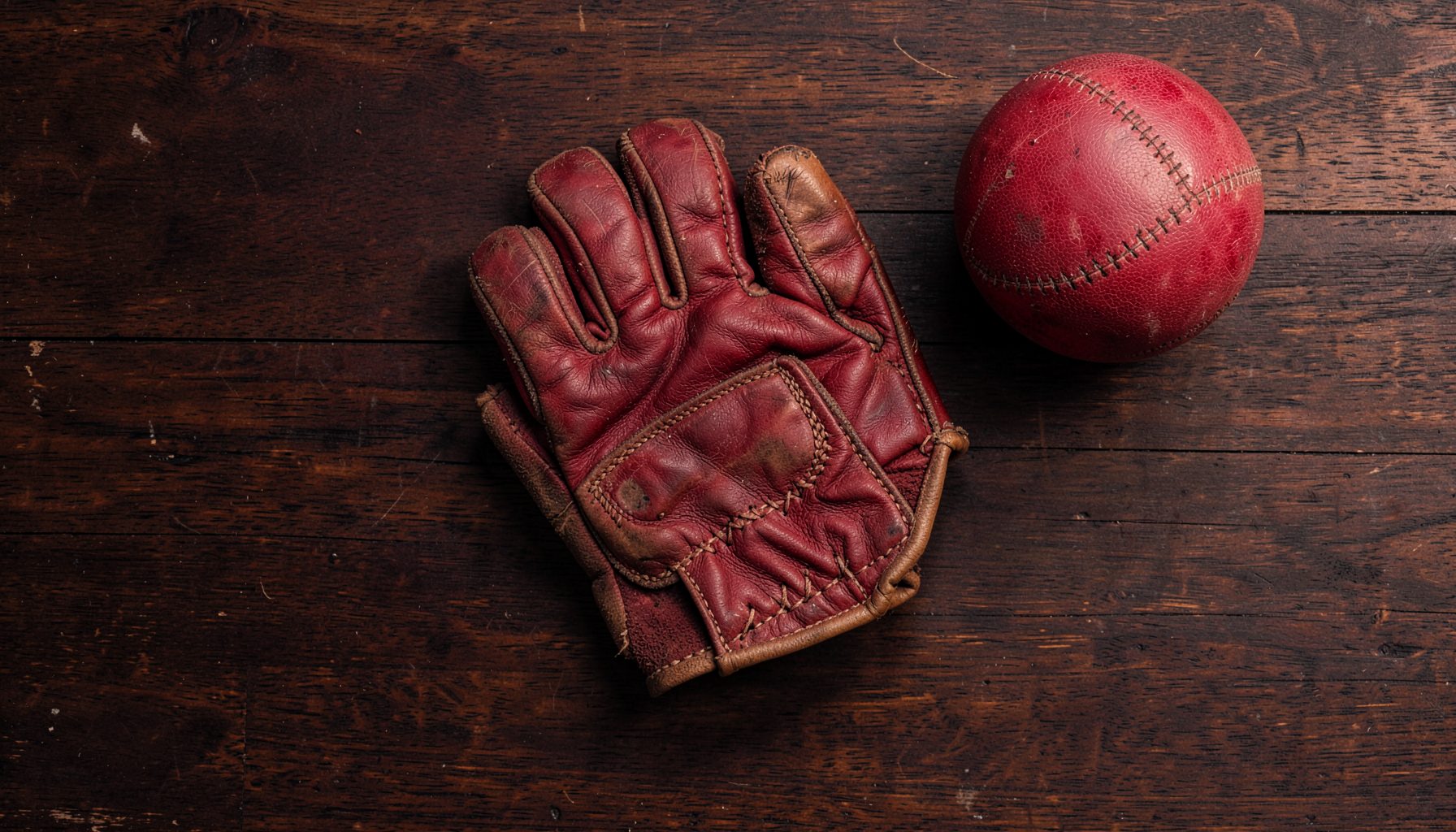
The core equipment list is short: leather fives balls, a few sets of padded gloves, chalk or tape for court markings, and cones for drills. Schools that have run a fives program often invest in their own gloves, which cost roughly $25 to $40 a pair and last for several terms. Balls can be borrowed from the Rugby Fives Association through its development loan scheme, which is the easiest way to get started without a large upfront outlay.
If you are running a one-off clinic, plan to bring everything yourself in a couple of large kit bags. Talk to the school about storage the day before, especially in summer-heavy regions such as Townsville or inland Queensland where heat can damage leather gear if left in a car.
Building a session plan that works for kids
A well-paced clinic keeps every student moving for the bulk of the session. The structure below has been used in Australian primary and secondary schools and is easy to adapt depending on year level and court space.
| Year level | Session length | Group size | Focus | Suggested court rotation |
|---|---|---|---|---|
| Years 5 to 6 | 45 minutes | 6 to 8 | Grip, throwing, catching, mini-game | 3 courts, rotate every 12 min |
| Years 7 to 8 | 60 minutes | 4 to 6 | Serve, return, basic tactics | 2 courts, rotate every 20 min |
| Years 9 to 12 | 75 to 90 minutes | 4 | Match play, positioning, doubles | 1 court, full match rotations |
Keep the first ten minutes for warm-up, grip work and a short demonstration. Years 7 and up can absorb longer tactical discussions, while primary-aged children respond best to constant activity and small-sided games. Always finish with a relaxed mini-tournament so the day ends on a high.
Coaching tips for first-time fives players
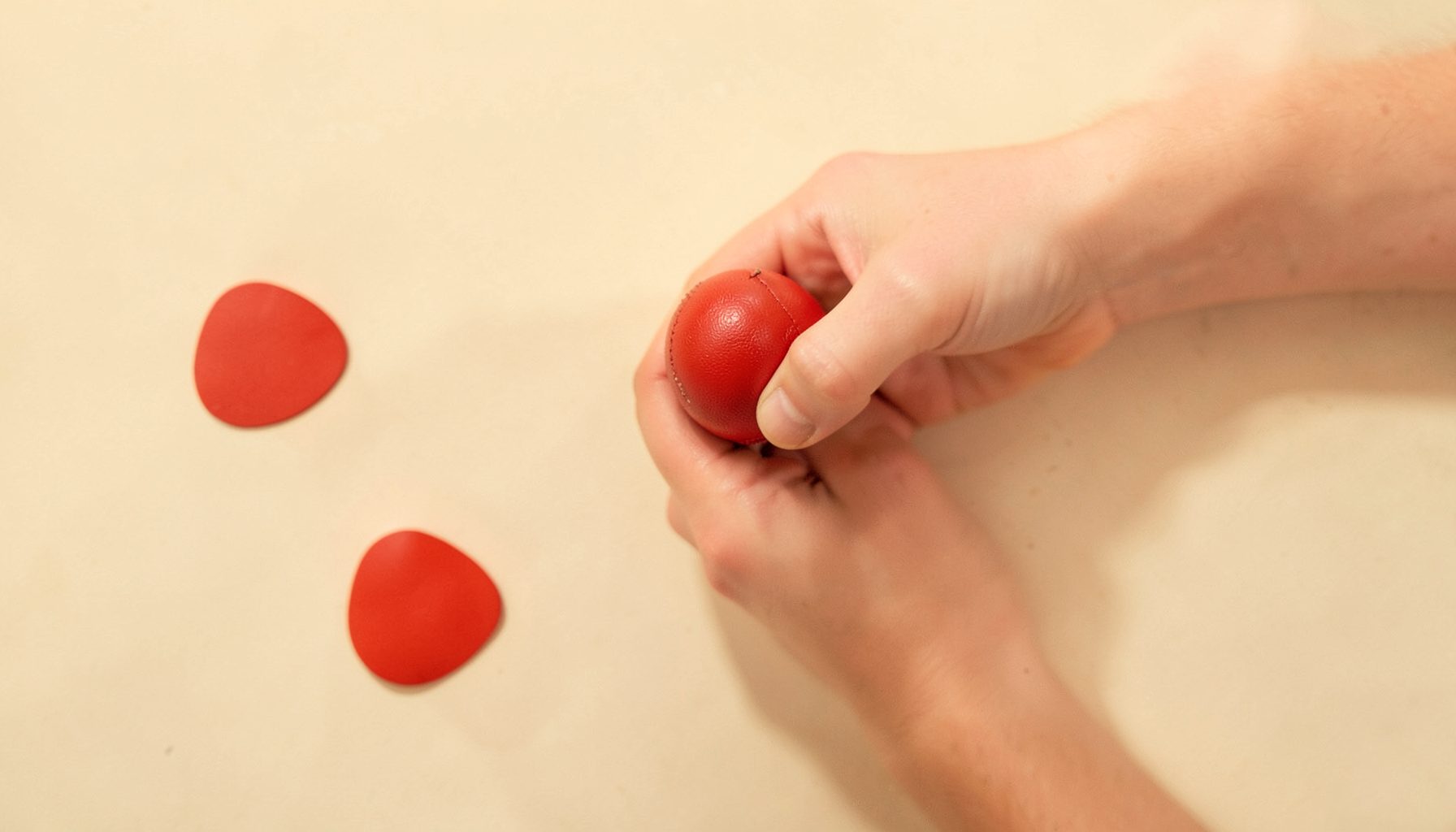
The single biggest hurdle for new players is the grip. The ball is slightly smaller and heavier than a tennis ball, and the cut on the leather does most of the work. Show students how to spread their fingers across the seams and let the ball roll off the hand, rather than throwing it with the palm.
Once the grip feels natural, move to throwing against the front wall before introducing any footwork. Students who try to run before they can throw will develop bad habits that are hard to undo. Keep demonstrations short, use older or more experienced students as demo partners, and praise accurate throwing rather than powerful hitting.
For mixed-ability groups, pair stronger students with beginners and rotate every drill. Australian school culture responds well to cooperative scoring, where teams are awarded points for completing a set of accurate returns rather than winning a rally. This keeps less confident students in the game and avoids the kind of one-sided matches that put kids off a new sport.
Insurance, safeguarding and working with school policies
Every Australian state and territory has its own working-with-children and police-check requirements, and most schools will not let you on site without proof. New South Wales requires a Working with Children Check, Victoria and Queensland use the Working with Children Card system, and South Australia has its own screening through the Department of Human Services.
In addition, public schools will often ask for a current Public Liability Insurance certificate held by your club or association. If you are running the clinic under the banner of the Rugby Fives Association, this is usually straightforward. Independent and Catholic systems may have their own onboarding forms, so build in time to complete them before the clinic date.
A short risk assessment is also worth doing in writing. Note the surface condition, any breakable fittings on the walls, first aid arrangements, and the school's emergency procedures. Most PE staff will gladly share their template, and completing one demonstrates that you take the school's duty of care seriously.
Promoting the event and getting sign-ups
Once the school is on board, you still need students to turn up. Most Australian schools now use a mix of school apps such as Compass or Seqta, email blasts to parents, and short notices in the daily bulletin. A 30-second video clip of a fives rally sent through the school's social channels works better than any flyer.
If you are running a free taster, frame it as part of the school's existing PE program rather than a separate event. That removes the registration friction and makes it easier for the PE coordinator to include your clinic in a normal lesson block. Where charges apply, keep them small and offer a sibling discount where you can.
Consider contacting local clubs that already play racquet sports, such as squash or handball, to spread the word. Many have junior sections in cities like Melbourne and Sydney and are often happy to cross-promote a one-off clinic to families who already love hand-ball games.
Funding, prizes and follow-up
A school clinic does not need a large budget, but a small amount of money goes a long way. Some schools have access to grants through the Australian Sports Commission, state sporting associations, or local council community funds. Even a few hundred dollars can cover new gloves, refreshments for the students, and a couple of small prizes.
For collecting entry fees or small donations, schools often lean on online payment tools that link directly to the school's accounts, although a simple envelope system still works in lower-tech settings. Whatever you choose, keep receipts and reconcile them with the school's finance office within a week of the event.
Prizes do not need to be expensive. Branded water bottles, mini rugby balls, or certificates of participation tend to land well with primary-aged students, while older students appreciate recognition through school sport awards. Always send a thank-you email to the host teacher and offer a free follow-up session six weeks later, when interest is still fresh and any new players have had time to practise.
Get in touch with the Rugby Fives Association to borrow equipment, find a coach in your area, or add your school to the growing list of Australian institutions giving Rugby Fives a go. The sport travels well, the rules are simple, and the next Wallabies captain might just discover their love of hand-ball on your court.