



How to Host a Rugby Fives Exhibition Match
An exhibition match gives Rugby Fives clubs, schools, and community groups a way to showcase the sport beyond a standard fixture. It can introduce newcomers to the speed and skill of the game, celebrate local players, or form the centrepiece of a fundraising and outreach event.
A successful showcase needs more than two pairs of players and an available court. The organisers must create a clear purpose, select an engaging format, prepare officials and volunteers, and make the match easy for spectators to follow. Good planning also protects the playing experience while ensuring the event feels welcoming to people who have never seen Rugby Fives before.
The Rugby Fives Association can provide valuable knowledge about competitions, coaching, records, clubs, and inclusive participation. Early communication with experienced players or association representatives can help an organiser avoid common logistical problems and present the sport accurately.
Define The Purpose And Format
Start by deciding what the event should achieve. A school exhibition may focus on participation and learning, while a club anniversary could showcase elite competition and local history. A charity fixture might combine a competitive match with player introductions, a short coaching demonstration, and opportunities for donations.
Choose a format that suits the audience and available time. A singles match offers a direct display of movement, touch, and tactical awareness. Doubles can create more continuous action and allow four prominent players to share the occasion. A short exhibition set, timed games, or a best-of-three structure may work better than a full championship-length contest when spectators are unfamiliar with the sport.
Build the schedule around a clear narrative. Introduce the players, explain the scoring system, identify the court’s playing areas, and highlight what spectators should watch for. If the match includes a beginner demonstration before the main event, keep the instruction concise and let the audience see the skills in action.
Secure The Court And Match Officials
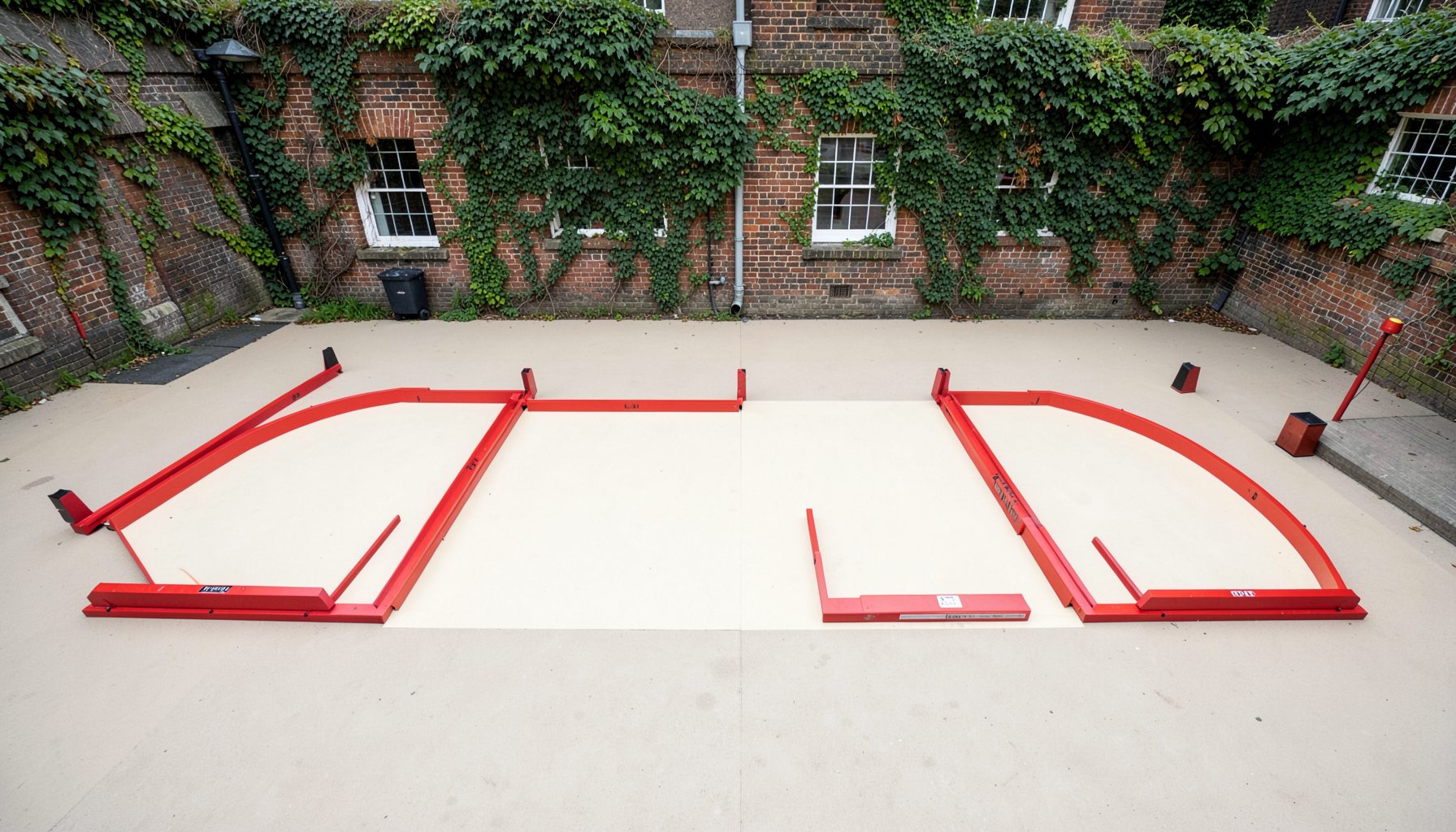
The court should be inspected well before matchday. Check the condition of the walls and floor, lighting, ventilation, access routes, changing facilities, and spectator viewing areas. Remove equipment that could create a trip hazard, and confirm that the court can be used for the full period required, including warm-up and any presentation afterwards.
Select players whose ability and temperament suit a public demonstration. A high-level contest can be compelling, but a match between recognised local players may create a stronger connection with the audience. Agree on rules, scoring, warm-up arrangements, clothing, footwear, and any restrictions on photography or filming before the event.
A referee or experienced match official should control the fixture, while a scorer or announcer records the result and explains important moments. If the match is being livestreamed, assign a separate person to manage the camera, commentary, sound, and timing. Players should not have to divide their attention between competition and event administration.
Prepare The Audience Experience
Spectators need a simple way to understand Rugby Fives. A short printed guide or projected display can explain the basic objective, legal shots, scoring, and the role of the walls. An announcer can add context without talking through every rally, allowing the natural pace and sound of the match to remain central.
Player profiles are useful when the event includes club representatives, former champions, school pupils, or visiting competitors. Include each player’s club, playing background, and a brief achievement rather than a long biography. A quick look at the association’s historic tournament winners can also provide useful context for a display, programme, or pre-match announcement.
Think carefully about access and comfort. Provide clear directions, suitable seating or standing areas, accessible routes where possible, and a quiet point of contact for visitors who need assistance. Families and first-time spectators should be able to find toilets, refreshments, donations, and event staff without confusion.
| Event Element | Key Preparation | Audience Benefit |
|---|---|---|
| Match format | Confirm singles, doubles, timed games, or sets | Creates a clear rhythm and manageable running time |
| Player briefing | Agree rules, introductions, warm-up, and conduct | Reduces uncertainty before play begins |
| Commentary | Prepare short explanations and player notes | Helps newcomers follow the action |
| Officials | Appoint a referee, scorer, and event lead | Keeps the fixture fair and organised |
| Safety | Inspect the court, entrances, and spectator zones | Protects players, volunteers, and visitors |
| Legacy material | Display results, photographs, or club history | Connects the match with Rugby Fives tradition |
| Follow-up | Record attendance, result, and feedback | Supports future events and development |
Plan The Matchday Operation
Create a running order that every volunteer can understand. Include arrival times, court access, player warm-up, announcements, the match itself, an interval if needed, presentations, photography, and clear-up. Allow spare time for delayed arrivals, technical issues, or an unexpectedly long contest.
Assign named responsibilities rather than relying on general goodwill. One person can manage the players, another can welcome visitors, and another can oversee refreshments or fundraising. A safeguarding lead should be identified when children or vulnerable adults are involved. Follow relevant venue policies for supervision, photography, changing areas, and emergency procedures.
Prepare a small event kit containing score sheets, pens, tape, spare signage, first-aid information, water, charging cables, and contact details for key volunteers. If the match is recorded, obtain permission from players and comply with the venue’s requirements. Keep walkways and exits clear throughout the event, especially when spectators move closer to the court.
Promote The Exhibition Locally
Promotion should begin early enough for schools, clubs, families, and local sports supporters to plan their attendance. Use the host club’s mailing list, social media channels, school contacts, community noticeboards, and local press. Describe the occasion in accessible language: explain that visitors can watch a live demonstration, learn about the sport, and meet players.
The promotional message should include the date, time, venue, admission arrangements, accessibility details, and whether donations are welcome. Avoid assuming that the audience knows Rugby Fives terminology. A short video of a rally, a player profile, or a photograph of the court can communicate the energy of the sport more effectively than a lengthy announcement.
Invite local partners to contribute in practical ways. Schools may provide young volunteers, community organisations may help reach new audiences, and local businesses may sponsor refreshments or prizes. Give every partner accurate information about the event and acknowledge their support visibly without allowing branding to overwhelm the sporting occasion.
Recommendations For A Stronger Event
Use the following principles to keep the showcase focused and welcoming:
- Set one primary objective, such as recruitment, fundraising, education, or celebration.
- Keep explanations brief, visual, and timed around the action on court.
- Choose players who can demonstrate high standards while engaging respectfully with spectators.
- Rehearse the running order, announcements, and emergency arrangements before doors open.
- Collect attendance figures, feedback, photographs, and the final result for future promotion.
After the match, thank players, officials, volunteers, venue staff, sponsors, and spectators promptly. Share the result through club and school channels, celebrate good performances, and record useful details such as attendance and audience response. This creates a reliable foundation for another exhibition, junior session, open day, or community tournament.
A well-run event should leave people with a clear impression of Rugby Fives: fast, skilful, welcoming, and rooted in a strong sporting community. Register the fixture with the relevant club network, involve the Rugby Fives Association where appropriate, and use the occasion to turn spectators into participants, supporters, or future volunteers.