



How to Host a Rugby Fives Quiz Night Fundraiser
A quiz night is a practical way to bring Rugby Fives players, families, alumni and local supporters together while raising money for coaching, equipment, school programmes or club travel. The event can be lively without requiring a large venue or expensive production setup.
For an Australian audience, the familiar community quiz night format works particularly well. A school hall in Melbourne, a clubroom in Sydney or a community centre in Brisbane can become a welcoming competition space with tables, answer sheets and a reliable host.
The strongest fundraisers balance entertainment with a clear purpose. Guests should understand where the proceeds will go, how much participation costs and what they can expect during the evening. A transparent plan encourages donations and helps the association build long-term support.
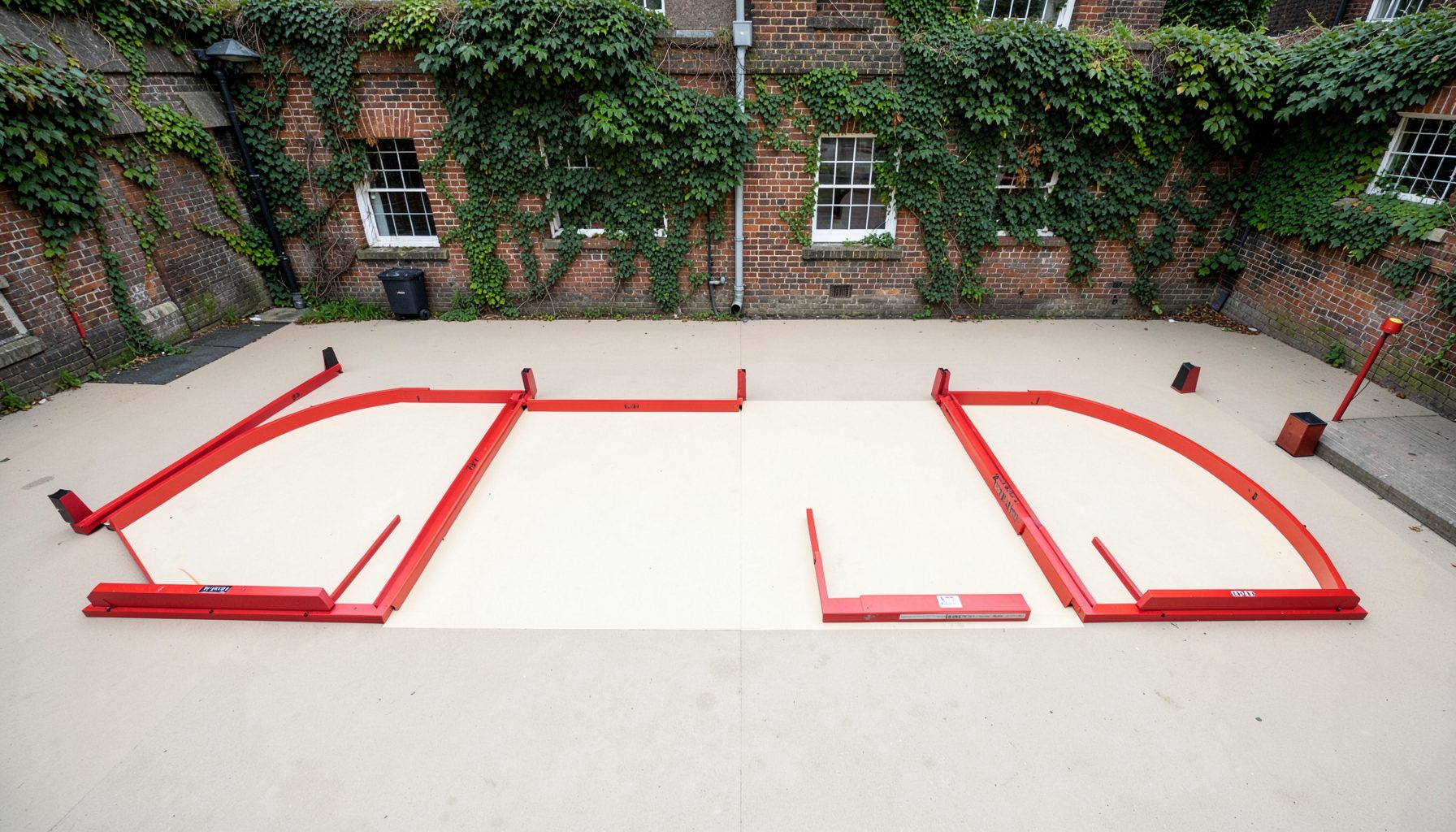
Rugby Fives gives the event a distinctive identity. Questions can cover the sport’s history, famous courts, techniques, school traditions and notable competitions, while general knowledge rounds make the night accessible to people who are new to the game.
Set A Clear Fundraising Goal
Begin by choosing a specific financial target and linking it to a practical outcome. For example, the money might fund junior coaching sessions, court hire, referee development, new balls or travel assistance for a national tournament. A defined goal gives the host a useful message for invitations, speeches and social media.
Prepare a simple budget before booking anything. List venue hire, insurance, printing, prizes, catering, audio equipment, payment fees and any permits. Then estimate income from team entry fees, raffle tickets, donated prizes, a silent auction and individual gifts. Keep a reserve for unexpected costs, especially if the event is held in a commercial venue.
Set a team price that reflects the local market. A community hall may allow a lower entry fee than a city pub, while a catered dinner can support a higher ticket price. Offer EFTPOS and PayID where possible, since many Australian guests carry little cash, but retain a cash-handling process for donations and raffle sales.
Build A Quiz That Welcomes Everyone
A good Rugby Fives quiz should reward knowledge without becoming an examination for experienced players. Use several rounds with different styles: general knowledge, Australian sport, music, visual clues, local history and Rugby Fives. This gives every team a chance to contribute.
Keep specialist questions short and explain unfamiliar terms in the question itself. A question about court dimensions, service rules or historic tournaments can be interesting to new players when it includes enough context. Avoid relying entirely on obscure records, because a broad audience should feel included rather than tested by insiders.
Six to eight rounds of eight to ten questions usually creates a manageable evening. Add a short picture round or a “guess the sound” round to vary the pace. A tie-breaker based on a numerical answer, such as a historical attendance figure, prevents a lengthy final contest.
Write and verify every answer in advance. Have two people independently check dates, names and statistics, and prepare a ruling for answers that use alternate spelling. The quizmaster should receive a printed answer key and a running order that includes breaks, raffle announcements and prize presentations.
Choose A Practical Venue And Setup
Select a venue close to public transport and with enough parking for families and older supporters. In Sydney and Melbourne, an accessible hall near a train or tram route can be more convenient than a suburban site with limited evening parking. Check accessibility, toilets, heating, ventilation and noise restrictions before signing an agreement.
Arrange tables for teams of four to eight people, leaving clear paths for volunteers and accessible seating. A projector is useful for picture rounds, but it should not be essential. Printed question sheets and a visible scoreboard provide a reliable backup if the internet or equipment fails.
Plan the sound system carefully. The quizmaster needs a microphone that can be heard over conversation, while music rounds require speakers with clear output. Test the setup before doors open and keep spare batteries, extension leads, stationery and blank answer sheets available.
Food can increase revenue and make the event feel generous. A sausage sizzle, pizza, shared platters or a dessert auction may suit a club setting, while a licensed venue may already have catering arrangements. Follow the relevant state or territory food safety requirements, and label common allergens clearly.
Promote Tickets And Gather Prizes
Promotion should begin four to six weeks before the event. Use club newsletters, school contacts, local sporting groups, community noticeboards and social media. Give the event a memorable name, state the fundraising purpose, provide a team size and explain whether food is included.
Ask each club member to invite a group rather than relying only on an association mailing list. Local businesses may donate restaurant vouchers, sports equipment, accommodation, hampers or professional services in return for acknowledgement on the night. Approach businesses with a concise letter that explains the audience, charitable purpose and publicity they will receive.
Offer several ways to participate. A full team ticket can be sold online, while individuals can register to be placed with other guests. A discounted junior ticket or family option may help school communities attend, provided the pricing still covers the event’s costs.
Make the fundraising element visible but comfortable. Display a progress target, explain what a $25 or $50 donation could support and invite guests to contribute through a QR code. Do not pressure people to spend beyond their means; a positive experience is more valuable than a single large donation.
Run A Fair And Energetic Evening
Assign clear roles before the event: host, scorer, registration lead, raffle seller, photographer, table runners and prize coordinator. A briefing should cover the timetable, emergency contacts, cash procedures and how to handle disputed answers. Volunteers work best when each person has one defined responsibility.
Start with a short welcome that explains the cause and the rules. Keep each question round moving, read questions twice when needed and allow enough time for teams to discuss answers. Between rounds, use brief announcements or a light activity rather than extended speeches.
Fairness matters in both the competition and the fundraising process. The host should apply the same ruling to every team, protect answer sheets from being seen early and avoid accepting corrections after collection. The association’s guidance on fair play principles can help shape the tone of the evening, especially when junior players and newcomers are involved.
Keep prizes varied and inclusive. Recognise the winning team, but also consider awards for the best team name, most enthusiastic table, closest tie-breaker and strongest Rugby Fives knowledge. This creates more moments of celebration without undermining the main result.
Manage Money And Measure The Result
Use numbered tickets, a cash float and two-person counting for all physical money. Record team payments, raffle income, auction bids, donations and expenses separately. If the event is run through a registered charity or association, follow its financial controls and retain receipts, invoices and donation records.
Fundraising rules differ between Australian states and territories, particularly for raffles, games of chance and liquor service. Check the requirements of the relevant state regulator and local council before advertising those activities. Also confirm whether the venue, caterer or charity carries public liability insurance and whether additional cover is required.
After the event, send a thank-you message with the amount raised and the programme it will support. Share photographs only where appropriate permissions have been obtained, particularly when children appear. A short feedback form can identify which rounds, prizes and catering choices should return at the next event.
| Fundraising element | Main benefit | Planning point |
|---|---|---|
| Team entry fees | Predictable core income | Set prices after calculating venue and catering costs |
| Raffle or auction | Can lift total revenue significantly | Check state or territory rules before selling tickets |
| Business sponsorship | Reduces expenses and adds prizes | Offer clear recognition and approach businesses early |
| Food sales | Creates an additional income stream | Confirm food safety, allergens and staffing |
| Direct donations | Lets supporters contribute at any level | Provide EFTPOS, PayID or a secure online option |
A well-organised quiz night can become an annual fixture for a Rugby Fives club, school network or regional association. Start with a realistic target, recruit dependable volunteers, verify the questions and make every guest feel part of the sport’s wider community.
Begin by forming a small organising team, securing a suitable Australian venue and choosing the programme the fundraiser will support. With careful financial records, accessible promotion and a fair, entertaining quiz, the evening can generate useful funds while bringing new supporters into Rugby Fives.