



How to host a Rugby Fives skills clinic for coaches
A well-run Rugby Fives skills clinic gives coaches practical methods they can use immediately with players of different ages and abilities. It should feel active, focused and relevant to real sessions, rather than resembling a long classroom seminar.
For an Australian audience, the format may need to suit school terms, club calendars and warm-weather conditions. An early Saturday session can work well in Sydney or Brisbane, while an indoor venue may be preferable during Melbourne’s colder months or Perth’s hottest summer periods.
The best clinics combine technical instruction, observation, discussion and repeated practice. Coaches should leave with a clearer understanding of movement, racket control, court positioning, teaching progressions and ways to make Rugby Fives welcoming for beginners.
Planning also needs to cover venue access, safeguarding, first aid, insurance, equipment and follow-up support. A strong clinic builds a local coaching network rather than ending when participants leave the court.
Set clear outcomes for the day
Begin by deciding what coaches should be able to do by the end of the session. Useful outcomes might include demonstrating a safe warm-up, teaching a basic forehand strike, correcting footwork, organising a conditioned game and adapting activities for players with limited experience.
Keep the list short enough to guide the day. Four or five measurable outcomes are more useful than a broad promise to “cover coaching fundamentals”. Share these outcomes during registration so participants know what to expect and can identify areas they want to develop.
Assess the audience before finalising the content. A clinic for primary school teachers will need simple games, group-management ideas and low-cost equipment. A session for club coaches can include tactical patterns, performance analysis and more detailed feedback on technique.
Choose a suitable venue and equipment
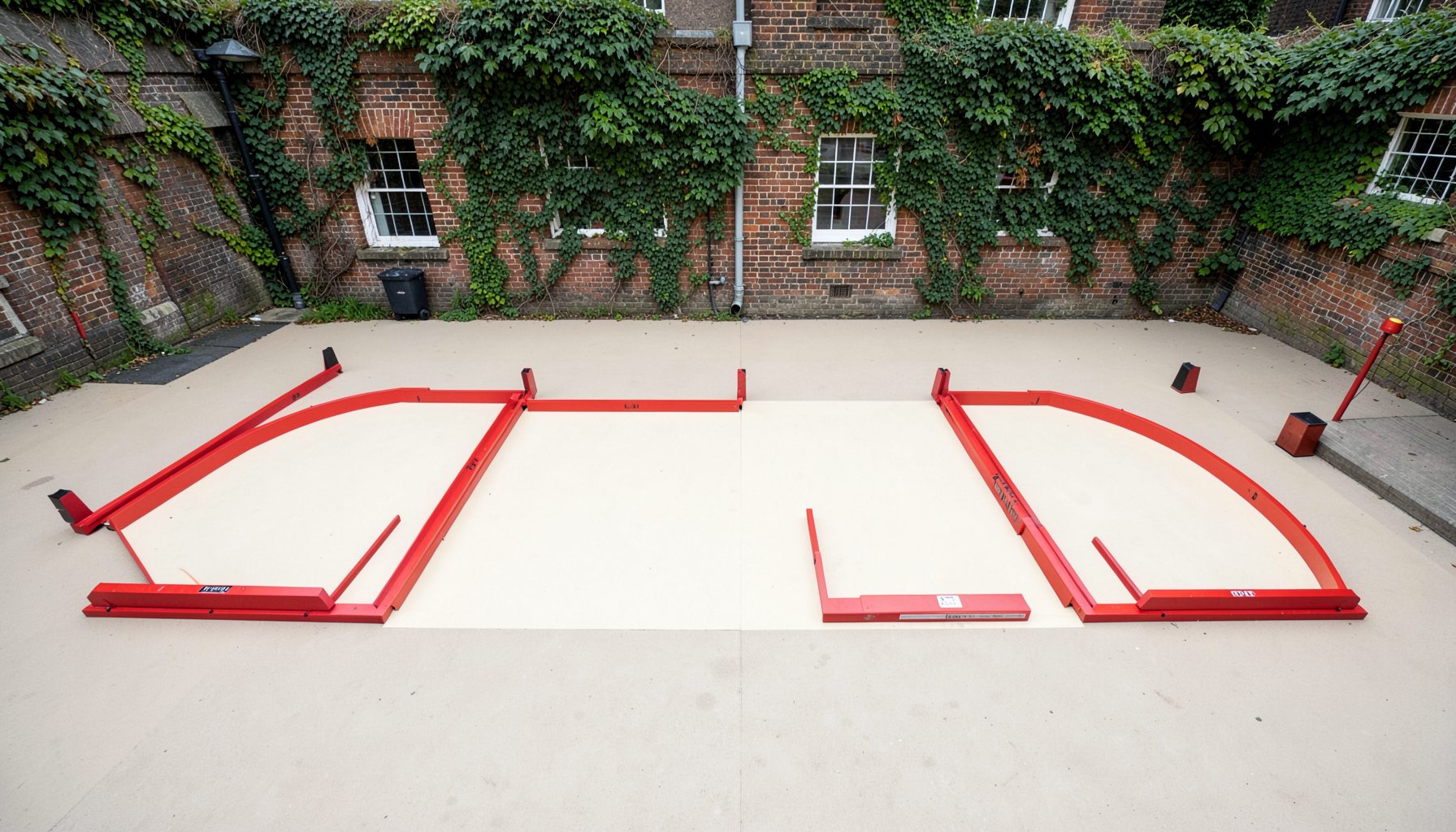
A regulation Rugby Fives court is ideal, but a clinic can begin in a smaller or adapted space when access is limited. Check wall dimensions, floor condition, lighting, ventilation, emergency exits and changing facilities. In Australia, council leisure centres and independent schools may have suitable courts, though bookings can be competitive around school holidays and weekend mornings.
Prepare equipment that supports different learning stages. Participants may need standard rackets, junior rackets, low-compression balls, cones, floor markers, bibs, resistance bands and a whiteboard. A phone or tablet can record short demonstrations, provided everyone understands how the footage will be used.
Build a weather plan into the booking. Outdoor travel, hot surfaces and poor ventilation can affect concentration and safety. Provide drinking water, schedule regular breaks and avoid the hottest part of the day where possible. Confirm whether the venue has air conditioning, shaded areas and accessible facilities.
Build a practical clinic schedule
A three-hour clinic can include a welcome and needs assessment, movement preparation, technical stations, tactical games, coaching practice and a review. Avoid filling every minute with presentations. Coaches learn more when they move between explanation, observation and hands-on delivery.
Start with activities that reveal common coaching issues. For example, ask participants to lead a short rally or teach a partner one striking skill. The facilitator can then identify patterns such as poor preparation, standing too close to the wall, late movement or unclear instructions.
Use progressions that move from simple to complex. A coach might teach ready position and balance first, then introduce striking against the wall, controlled rallies and decision-making under pressure. Keep activities adaptable so the same exercise can work for children, adult beginners and experienced players.
Demonstrate effective coaching methods
A technical demonstration should be brief and precise. Show the movement at normal speed, break it into key points and then repeat it slowly. In Rugby Fives, useful coaching cues may include watching the ball, preparing early, staying balanced through contact and recovering quickly after the shot.
Avoid giving players too many corrections at once. Ask coaches to select one priority, observe whether it changes performance and then decide what to address next. This approach makes feedback easier to apply and helps players remain confident during practice.
Include questioning and guided discovery. Instead of explaining every tactical answer, ask coaches what they noticed when a player moved the opponent away from the centre or changed the height and pace of a shot. These conversations help coaches develop decision-making skills they can transfer to their own groups.
Make the session safe and inclusive
Complete a written risk assessment before the clinic. Identify risks linked to court surfaces, collisions, racket contact, loose equipment, dehydration and participant fitness. A first-aid kit, emergency contacts and a clear response plan should be available at the venue.
Australian organisers must consider the relevant state or territory Work Health and Safety requirements. If children attend, confirm appropriate Working with Children Check arrangements, supervision ratios, photography permissions and child-safe procedures. Requirements differ between New South Wales, Victoria, Queensland, Western Australia and other jurisdictions, so the host organisation should verify current local rules.
Inclusion should be built into each activity. Offer different ball speeds, court distances and rally targets rather than separating beginners from the group immediately. Explain that coaches can adjust intensity, allow extra recovery time and use visual demonstrations for participants who find verbal instructions difficult.
Use respectful language and establish behaviour expectations at the start. Coaches should know how to report concerns, manage unsafe conduct and support players from different cultural, physical and sporting backgrounds.
Promote and manage registrations
Advertise through clubs, schools, community sport networks, university recreation programs and local associations. A clear event description should state the date, venue, duration, coaching level, cost, equipment requirements and whether participants need previous Rugby Fives experience.
The Australian market includes volunteers who may be balancing coaching with work and family commitments. Offer an early start or a compact half-day format, and publish the schedule well in advance. A modest registration fee can cover venue hire, insurance, facilitator costs and refreshments, while scholarships or club-supported places can widen access.
Use an online registration form that collects emergency details, accessibility needs, coaching experience and consent for images. Send a confirmation email with parking information, public transport options, footwear guidance and a reminder to bring water. If the organiser is registered for GST, display pricing and tax treatment clearly in accordance with Australian consumer and tax requirements.
Keep a waiting list and set a cancellation policy. A capped group allows the facilitator to observe coaching practice and gives participants enough court time. For a first event, quality and interaction matter more than maximising attendance.
Review results and maintain momentum
Build evaluation into the final 20 minutes. Ask coaches to demonstrate one activity they could use at their next training session and explain how they would adapt it for a younger or less experienced group. This provides a practical measure of learning.
Use a short digital survey to gather feedback on venue suitability, timing, technical content, facilitation and confidence. Ask participants which skill they will apply within the next fortnight. Follow-up responses are more useful when they focus on specific behaviour rather than general satisfaction.
Send a resource pack after the clinic with session plans, warm-up ideas, coaching cues, safety reminders and links to Rugby Fives rules and development materials. A shared email group or club network can support questions and encourage coaches to exchange observations.
Consider a second contact point four to six weeks later. This might be an online discussion, a court observation or an advanced workshop in Melbourne, Sydney, Brisbane or another regional centre. Continued support helps turn a single clinic into a sustainable coaching pathway.
| Clinic format | Best suited to | Main strengths | Planning considerations |
|---|---|---|---|
| Two-hour introductory session | Teachers and new volunteers | Easy to attend and focused on fundamentals | Limit content and provide follow-up resources |
| Half-day practical clinic | Club and community coaches | Balances technical work with coaching practice | Requires a suitable court and several facilitators |
| Full-day development clinic | Experienced coaches | Allows tactical analysis, assessment and mentoring | Higher cost, greater travel commitment and more detailed safeguarding |
| School-based clinic | Teachers and junior coaches | Connects coaching methods with participation growth | Requires child-safe procedures, adaptable equipment and school approval |
A successful clinic leaves coaches with confidence, practical activities and a clear next step. Host organisations should keep attendance records, recognise volunteer contributions and share outcomes with clubs, schools and community partners.
The Rugby Fives Association can help connect coaches with competitions, development opportunities, established clubs and the wider sport network. Use the clinic to strengthen local participation, support safe coaching practice and create regular opportunities for players to enjoy Rugby Fives across Australia.