



How to host a Rugby Fives taster session at a university
University campuses offer an ideal setting for introducing Rugby Fives to new players. Students can learn the basics, meet teammates and experience the speed and passing that distinguish the five-a-side game without committing to a full season. A well-run taster can also help existing rugby clubs reach athletes from other sports.
The session should feel welcoming rather than like a selection trial. Clear demonstrations, modified contact and plenty of ball time allow beginners to contribute while experienced players recognise their skills. Equipment, coaching and a clear invitation to continue must be ready before the first participant arrives.
Planning a Rugby Fives taster session at a university in Australia requires attention to semester timetables, campus sport structures, insurance and the local climate. These practical considerations turn a promising idea into a safe event that can become a regular pathway for student participation.
Pick the right session format
Start by deciding what the event should achieve. If the main goal is recruitment, prioritise teamwork and fun. If coaches want to identify players for a development squad, include skill-based stations and a short assessment. Keeping the promise simple will help participants understand why they are there.
| Session format | Best suited to | Suggested length | Main emphasis |
|---|---|---|---|
| Skills circuit | Complete beginners | 60–75 minutes | Passing, support, tackling basics and movement |
| Touch and tag fives | Mixed ability groups | 75–90 minutes | Safe match play and decision-making |
| Competitive fives | Experienced players | 90 minutes | Match fitness, tactics and team combinations |
Choose one main format rather than trying to cover everything. Controlled-contact games work well for mixed-confidence groups, while full contact should be reserved for players who have already been assessed and have given informed consent. Ask the university’s coaching team which version matches its risk assessment and insurance policy.
Fit the event into campus life
Most Australian universities operate on semester blocks, with Orientation Week and Week 1 providing the strongest window for recruitment. Semester dates vary, particularly at institutions with trimesters or different regional schedules, so check the academic calendar before promoting a date. O-week, society expos and the beginning of teaching are valuable opportunities to meet students who are already looking to join a club.
Campus organisation also differs. At institutions such as the University of Queensland, UNSW Sydney, UniSA or the Australian National University, bookings may sit with a central sport and recreation team, a faculty-based sports program or the student union. Approach the appropriate department early and ask about venue availability, student funding, public liability cover and the process for registering an external coach.
Promotion should sound local and conversational. Phrases such as “come down and give it a go”, “we are keen to see new players” and “chill skills, then a game” will usually resonate more than formal language about attending a trial. Instagram, student society pages, faculty newsletters and campus event apps can all help fill the session.
Find players beyond the rugby club
Begin with the university rugby club, but do not limit the invitation to its existing members. Many students arrive with experience in touch rugby, AFL, NRL, soccer, netball or other team sports, making them strong candidates for a fast-moving five-a-side game. Ask faculty sport coordinators, intramural teams and student societies to share the event with their members.
Make inclusion visible in the invitation. State that no previous Rugby Fives experience is required, that beginners will receive instruction and that modified equipment or contact options are available. Where possible, offer mixed-gender groups or separate sessions according to participant preference. An inclusive or reverse-side sport network may also know how to support students with disabilities.
Use a short registration form that asks about sporting experience, contact preferences, accessibility requirements and permission for event photography. Avoid collecting unnecessary medical information on an open sign-up sheet. Keep any personal details securely and explain how they will be used before the session begins.
Prepare the venue and safeguards
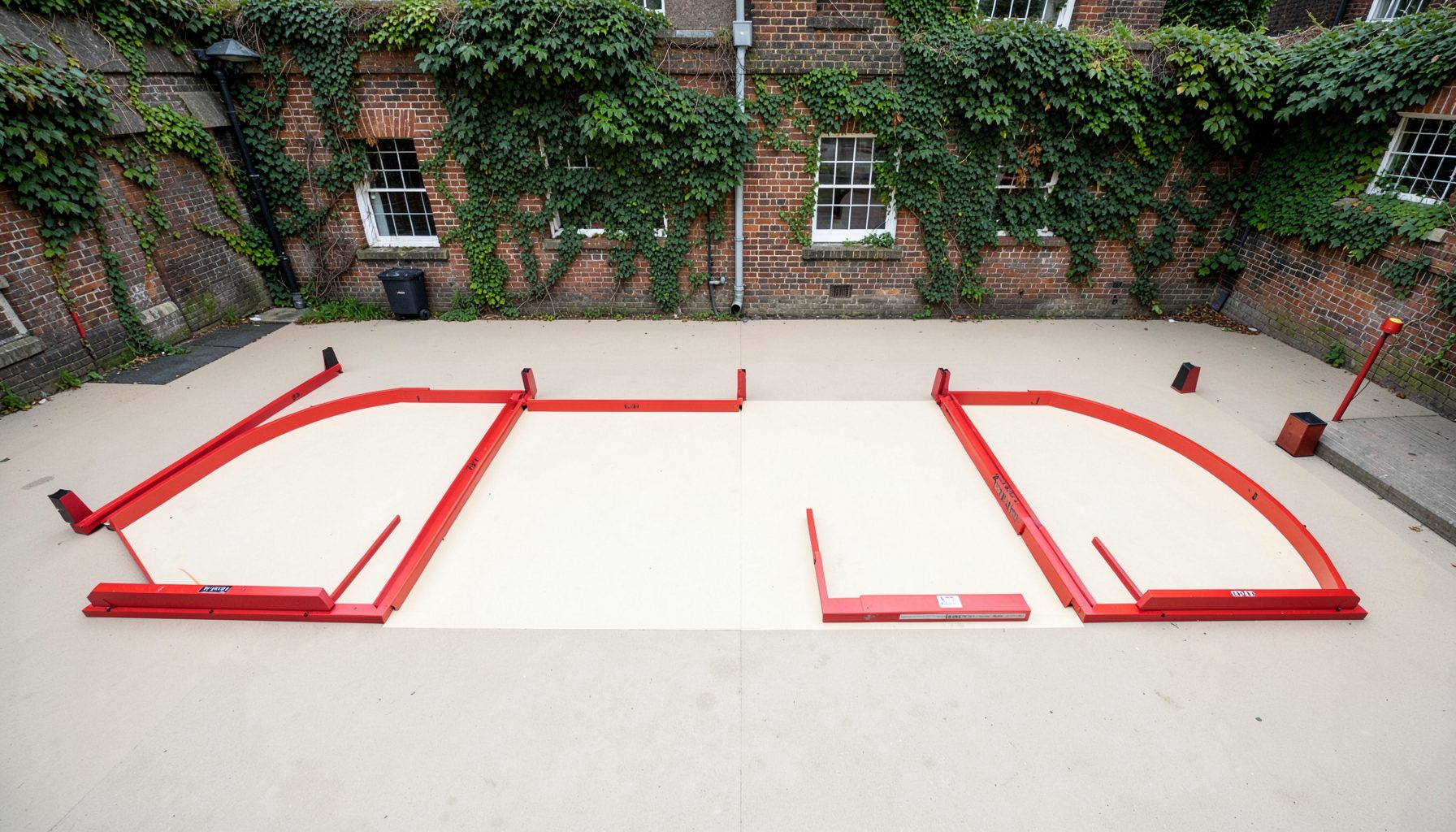
Book a venue with enough space for passing lines, running drills and small-sided games. An indoor multipurpose court, gymnasium or fenced five-a-side court will work; a standard rugby field is not essential for a taster. The Rugby Fives Association’s coaching and competition resources can help organisers confirm the basic laws and suitable adaptations.
Contact the university’s sport administration early to confirm insurance, venue hire, coach approval and incident reporting. Requirements for working with children vary across Australian states, so anyone supervising minors should check the relevant state rules and complete any screening requested by the university. Prepare a risk assessment, emergency contact list, first-aid procedure and wet-weather plan.
Climate deserves particular attention. Brisbane may bring humid heat and sudden storms, Melbourne can change quickly, Adelaide often presents intense sun, and Canberra can deliver a cold, crisp winter afternoon. Provide shade, water, sunscreen and scheduled breaks, and have an indoor alternative ready. Suitable kit includes cones, bibs, tags, Rugby Fives balls, mouthguards for contact sessions, a first-aid kit and accessible changing facilities.
Deliver a welcoming session
A ninety-minute structure gives organisers enough time to teach without making the event feel like a full match. Begin with a ten-minute welcome and explanation of the game. Follow with 20 minutes of guided skills, 15 minutes of small-group practice and a short tactical activity. Finish with a 30-minute game, a brief reflection and an invitation to the next training session.
Keep instructions short and demonstrations clear. Participants should hear the basic attacking and defensive ideas, then apply them immediately. Use tags or touch contact for beginners, rotate teams regularly and ensure everyone touches the ball. Experienced players can help by demonstrating, not dominating, and coaches should correct technique with specific, encouraging feedback.
Make the final minutes count. Give attendees a card showing the next training date, club contact and registration link, or let them scan a QR code on their phone. Offer a loan pair of boots or a ball so interested students can try again immediately. A simple pulse check can identify whether people want recreational play, representative competition or coaching support.
Build a pathway after the taster
One event creates awareness, but a planned follow-up develops players. Schedule the next training session before participants leave, appoint club representatives to welcome new members and share match footage or a training invitation. A short skills session for the taster group can then lead into regular club fixtures, representative opportunities or school and community outreach.
The Rugby Fives Association is the UK national governing body for the sport and a registered charity. Its competitions, coaching programs, fixtures, rankings, results and historical records provide a useful model for building a sustainable structure. In Australia, organisers should also connect with nearby clubs and the relevant state sporting body to confirm local competition and safeguarding arrangements.
Choose a date around Orientation Week or Week 1, confirm the venue and insurance, recruit qualified coaches and invite students to give Rugby Fives a go. Share the event with the Rugby Fives Association for current guidance, then turn the taster into the first step of a regular student squad.