



How to host a Rugby Fives taster session for adults
A well-planned Rugby Fives taster session should make the sport feel accessible from the first few minutes. Adults may arrive with different levels of fitness, racket-sport experience, and confidence, so the emphasis should be on discovery, movement, and enjoyable rallies rather than technical perfection.
Rugby Fives is played against a handball-style court wall, using gloved hands to strike a small ball. The game is quick, social, and easy to sample because participants can begin with simple feeding and returning exercises before progressing to competitive play.
The host’s role is to create a safe, encouraging environment where newcomers understand the basic rules, experience the rhythm of the game, and leave with a clear route into regular sessions. A strong taster can introduce new players to a club, school, university, workplace group, or community sports programme.
Set a welcoming purpose
Decide what the session needs to achieve before booking the court. For a first encounter, the goal might be to give participants a feel for the ball, explain the court, and finish with short games. Avoid trying to cover every rule or advanced stroke in a single event.
A 60- to 90-minute session works well for most adult beginners. Allow time for arrivals, changing, safety information, practical demonstrations, and informal conversation. If the session is part of a recruitment drive, leave a few minutes at the end to explain club nights, coaching opportunities, fixtures, and membership options.
Use friendly language in the invitation. Explain that no previous experience is required and that players can work at their own pace. State what to wear, whether equipment is supplied, and whether participants should bring water and indoor sports shoes. Clear information reduces uncertainty and helps people arrive ready to take part.
Prepare the court and equipment
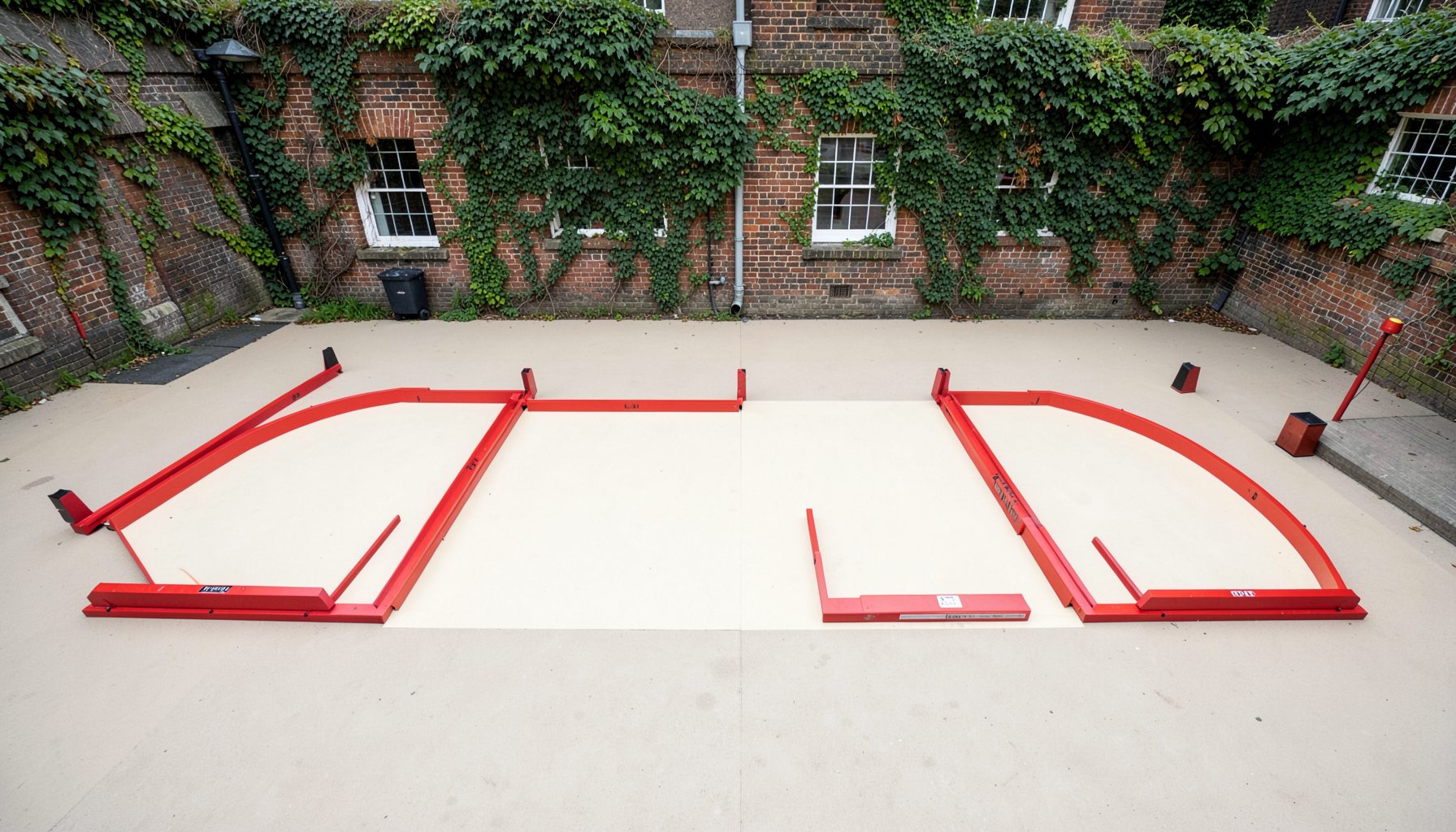
Check the venue in advance and make sure the court is clean, dry, and free from obstacles. Inspect the playing surface, wall, lighting, doors, and surrounding space. Rugby Fives involves rapid movement and changes of direction, so the area around the court should be controlled and easy to supervise.
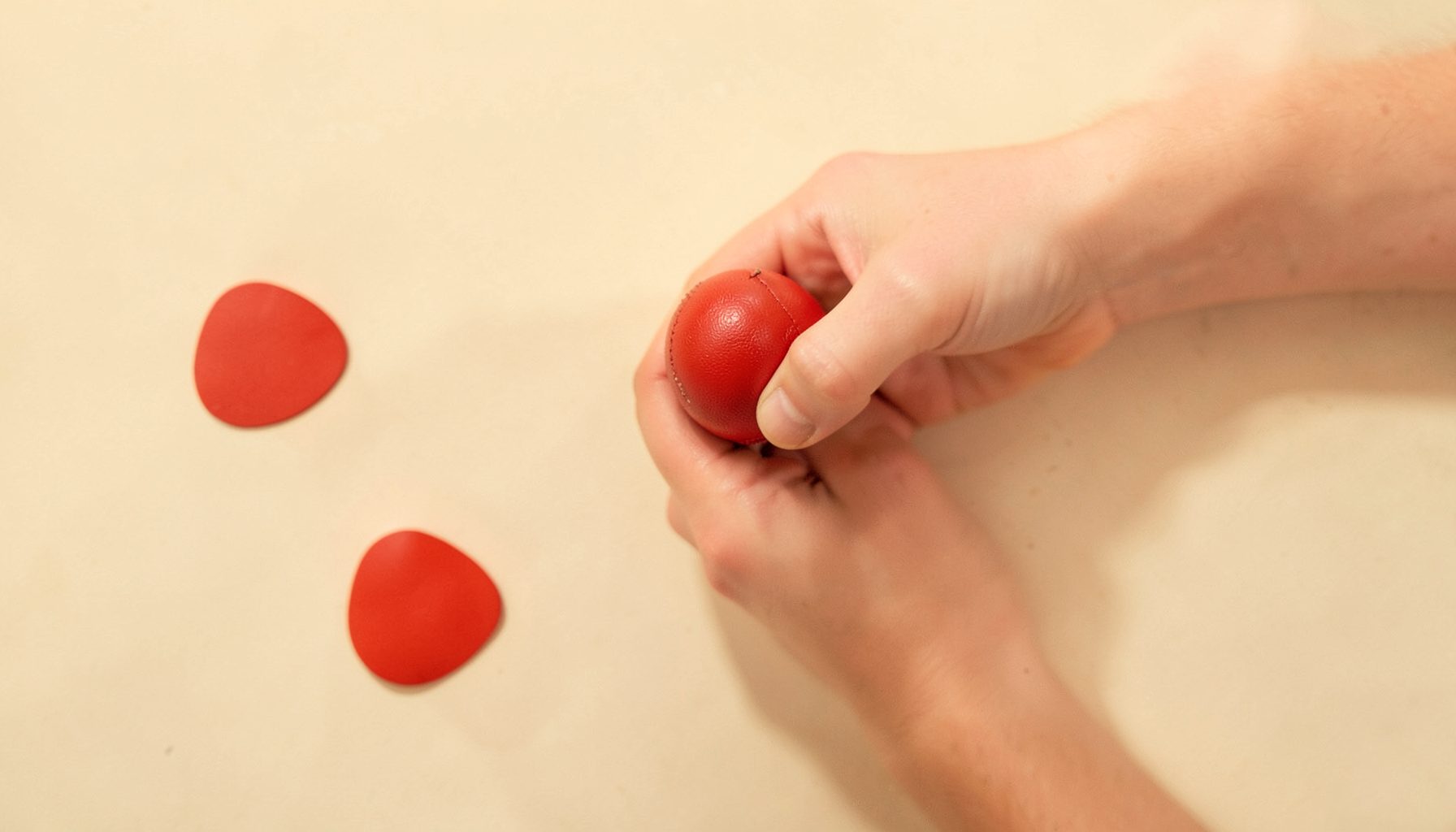
New players need suitable hand protection. Depending on the venue and club’s equipment, provide gloves or explain the approved alternatives. Have several balls available, since balls can travel into corners or outside the court during early drills. Cones, marker spots, a whistle, and a visible timer can also help organise activities.
Ask participants to wear non-marking indoor trainers and comfortable sports clothing. Remove jewellery, secure long hair, and encourage a gradual warm-up. A short safety briefing should cover court awareness, spacing, controlled striking, and what to do if someone feels pain or dizziness.
If the organiser needs advice about venues, coaching contacts, or local playing opportunities, they can contact the association before advertising the event. Local knowledge can help match the session to an appropriate court and audience.
Build the session around simple progressions
Begin with a welcome and a short demonstration. Show how a player stands, how the hand contacts the ball, and how to recover into a balanced position. Demonstrate slowly, then at normal speed, so beginners can see that control and positioning matter more than power.
The following structure gives the session a clear rhythm:
| Stage | Approximate time | Purpose |
|---|---|---|
| Welcome and safety briefing | 5–10 minutes | Set expectations and explain court etiquette |
| Movement warm-up | 10 minutes | Raise body temperature and practise footwork |
| Ball familiarisation | 10–15 minutes | Develop confidence with catching, dropping, and striking |
| Partner rallies | 15–20 minutes | Introduce direction, height, and recovery |
| Conditioned games | 15–25 minutes | Apply skills in a simplified competitive setting |
| Review and next steps | 5–10 minutes | Celebrate progress and explain future sessions |
Start with individual work if participants are nervous. They can drop the ball and strike it gently towards the wall, then move to receive the rebound. Partners can later stand at different distances and take turns feeding the ball. This progression allows the organiser to adjust difficulty without making anyone feel singled out.
Keep groups small where possible. A coach or helper can supervise one court while another volunteer works with participants waiting to enter. Waiting players should have an active role, such as shadowing footwork, practising controlled hand movements, or observing one specific feature of a rally.
Teach the essentials without overloading players
The first technical lesson should focus on three ideas: get into position, strike with control, and recover after the shot. Beginners often watch the ball instead of moving early, so use simple cues such as “move, set, strike” or “watch, balance, return.”
Explain that the ball must be returned to the front wall within the relevant playing area and that rallies depend on keeping the ball difficult but playable. At a taster level, it is acceptable to use adapted rules. Let players replay unclear points, allow an extra bounce during practice, or make the court smaller through marked zones.
Introduce the main hand positions gradually. A closed hand may provide a firm striking surface, while an open hand can help players develop touch and direction. Demonstrate both sides of the body and encourage participants to practise with their stronger hand before adding more complex movement.
Feedback should be specific and positive. Instead of saying that a shot was wrong, point out what can change: soften the swing, move closer, aim higher, or recover towards the centre. Give each participant a small target to work on, then allow enough repetitions for improvement to feel visible.
Turn practice into enjoyable games
Adults often learn fastest when a drill has a clear purpose and a playful challenge. Use activities such as keeping a rally alive for five hits, aiming at a marked section of the wall, or scoring a point when a partner is forced to move. These games develop accuracy and movement without requiring a full understanding of competition rules.
Conditioned doubles or singles games are ideal for the final part of the session. You might award a bonus point for a rally of four shots, require every player to hit before a point is won, or permit one controlled catch and restart for absolute beginners. Such adaptations keep rallies going and prevent early mistakes from ending every exchange.
Rotate partners regularly so participants meet different playing styles. Pairing a confident player with a newcomer can work well if the experienced person understands that the aim is to create rallies rather than dominate them. Volunteers should model good etiquette by calling shots clearly, retrieving balls promptly, and acknowledging well-played attempts.
Finish with a relaxed review while the experience is fresh. Ask participants to identify a skill they enjoyed, explain how a regular session works, and give practical details about future coaching or club play. The Rugby Fives Association’s competitions, clubs, schools, and community links can provide useful pathways for players who want to continue.
Recommendations for a confident first session
Preparation should make the event feel organised without making it formal or intimidating. Use a register to record attendance, emergency contacts, relevant health information, and permission for any photographs. Have a first-aid kit available and ensure the lead organiser knows the venue’s emergency procedures.
Keep the atmosphere inclusive. Fitness levels can vary considerably, and some adults may be returning to sport after a long break. Offer lower-impact alternatives, regular water breaks, and the option to observe a demonstration before joining an activity.
- Set a beginner-friendly target based on participation and rallies, not winning.
- Recruit at least one helper for every small group using the court.
- Use adapted rules until players can sustain short exchanges.
- Give clear demonstrations before asking participants to practise.
- Provide a written follow-up with the next session, contact details, and equipment guidance.
After the event, record what worked and where participants struggled. Note the most popular activities, the length of queues, the suitability of the equipment, and any accessibility concerns. A short feedback form can reveal whether people felt welcomed and whether the next session should be more social, more technical, or more competitive.
A successful adult taster session does not need to produce polished players in one day. It needs to provide a safe first experience, a few memorable rallies, and enough encouragement for participants to imagine themselves returning. With a prepared court, patient coaching, and simple progressions, Rugby Fives can quickly become an engaging addition to an adult sports programme.
Promote the next opportunity before people leave, whether it is a beginners’ coaching block, an open club night, or a friendly tournament. Welcome attendees by name, follow up promptly, and make the route from first visit to regular participation straightforward. That consistent invitation is what turns a single taster into a growing Rugby Fives community.