



How to Host a Successful Rugby Fives Open Day
A Rugby Fives open day gives newcomers a simple, friendly way to discover the sport. With no need for expensive equipment and only a small playing area, it can introduce children, students, adults, families, and returning players to a fast, skilful game built around movement, coordination, and fair competition.
The strongest events feel organised without becoming intimidating. Beginners should know where to go, what to wear, and what will happen next, while experienced players and coaches create an encouraging atmosphere. A well-planned session can also help clubs identify new members, strengthen school links, and build a pathway towards regular coaching and fixtures.
The aim is not to teach every rule in one afternoon. It is to give visitors an enjoyable first experience, show them how quickly they can improve, and make their next step clear. Good preparation, thoughtful communication, and genuine hospitality matter as much as the quality of play.
Set Clear Aims For The Day
Start by deciding what the open day needs to achieve. A club may want to attract adult members, introduce pupils to court games, reconnect former players, or promote a local tournament. These goals will influence the timing, staffing, activities, and follow-up process.
Set realistic targets for attendance and engagement. For example, the event might aim to welcome 20 first-time players, collect contact details from interested visitors, and invite participants to a four-week beginners’ course. Clear objectives help organisers measure the value of the day without judging success only by the number of people who attend.
Choose a format that matches the audience. A family session may need short activities and flexible arrival times, while a university open day could include a social competition. If the event is aimed at complete beginners, avoid presenting it as a trial for an established squad. The language should communicate that every visitor is welcome.
Prepare The Court And Visitor Experience
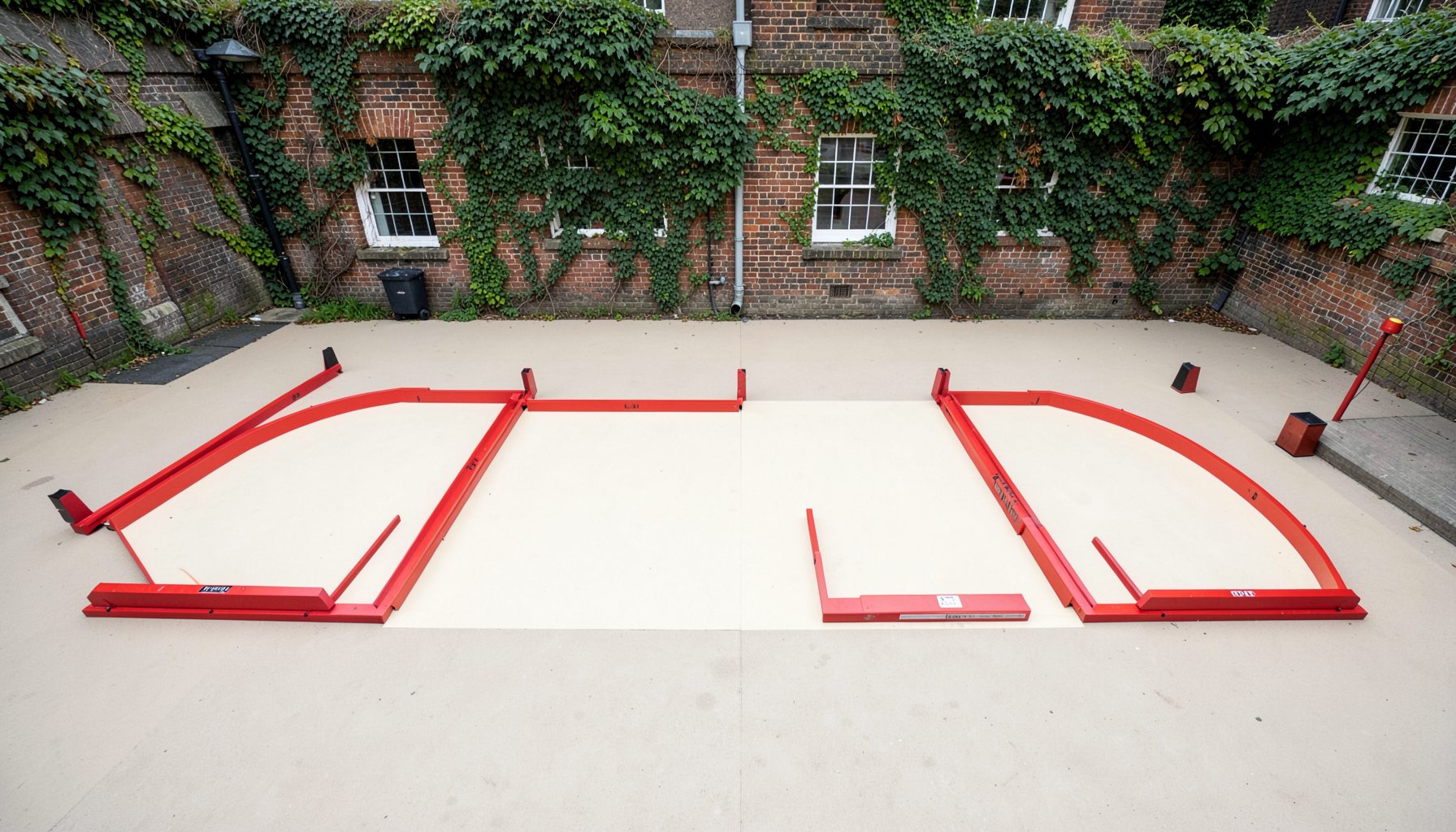
Inspect the court well before the event. Check that the walls and floor are in good condition, lighting is suitable, doors and entrances are accessible, and nearby changing facilities are clean. Remove unnecessary equipment from the playing area and identify any hazards before participants arrive.
Plan a clear welcome point away from the busiest part of the court. A sign-in desk should include the event schedule, emergency contact details, consent information where required, and a way to record names and email addresses. Explain how personal data will be stored and used, particularly when children are attending.
Beginners often arrive unsure about clothing and equipment. Tell them to wear comfortable sports clothing and non-marking indoor trainers. Racquets and balls should be available to borrow, with a few different racquet sizes or grips if possible. Keep spare water, plasters, and basic first-aid supplies close at hand.
Shape Activities Around Quick Wins
A successful beginner session moves from simple skills to short games. Start with a warm-up that develops balance, footwork, and hand-eye coordination. Throwing, catching, and controlled striking exercises allow participants to become comfortable with the ball before they need to think about scoring.
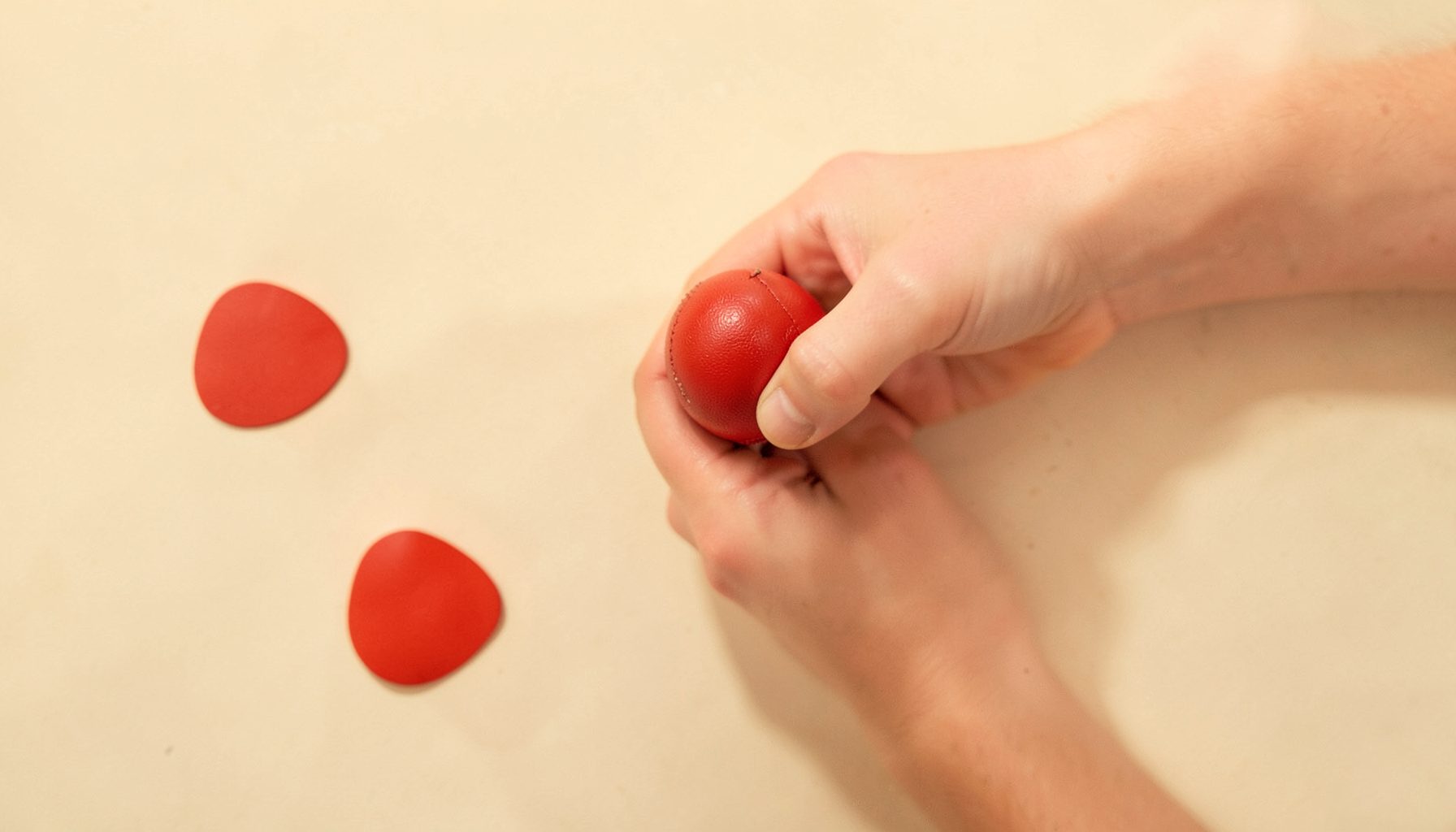
Introduce the basic aim of Rugby Fives in plain language: players use their hands to strike the ball against the front wall, with rallies continuing as opponents return it within the rules. Demonstrate rather than lecture. A short explanation followed by immediate practice is easier to understand than a detailed account of every rule.
Use stations or small groups if attendance is high. One group might practise forehand shots, another could work on movement to the ball, and a third could play a guided rally. Rotate groups regularly so that no one spends too long waiting. The following structure gives organisers a useful starting point:
| Activity | Suggested time | Beginner benefit | Staff needed |
|---|---|---|---|
| Welcome and movement warm-up | 10 minutes | Builds confidence and raises energy | 1 coach |
| Ball control and striking | 15 minutes | Develops basic technique | 1 coach per court |
| Target or accuracy game | 15 minutes | Creates quick, measurable success | 1 helper per group |
| Guided rallies | 20 minutes | Applies skills in realistic play | 1 coach per court |
| Short social competition | 20 minutes | Adds excitement without pressure | 1 organiser |
| Questions and next steps | 10 minutes | Connects visitors with future sessions | 1 host |
Keep activities achievable. Lower-bounce balls, adapted targets, or cooperative scoring can help people experience a rally before they face a more capable opponent. Celebrate effort, movement, and improvement rather than focusing exclusively on winners.
Recruit And Brief The Right People
Coaches should be able to explain skills clearly and adjust activities for different ages and abilities. They do not need to deliver a formal performance session, but they should understand how to keep beginners active, safe, and interested. A calm, positive coaching style will often determine whether a visitor returns.
Ask experienced club members to support registration, equipment, refreshments, photography permissions, and general hosting. Volunteers should know where to direct questions and who is responsible for first aid or safeguarding. Assigning specific roles prevents organisers from trying to solve every problem during the session.
Hold a short briefing before doors open. Cover the timetable, emergency procedures, accessibility arrangements, expected standards of behaviour, and the process for handling injuries or concerns. Anyone working with children should follow the relevant safeguarding requirements and the policies of the host venue and governing organisation.
Promote The Event In The Right Places
Begin promotion several weeks in advance. Use the club website, social media, local schools, leisure centres, universities, community groups, and existing member networks. A simple message should state who the event is for, its location, date, time, cost, booking process, and what visitors should bring.
Images of welcoming group activities are usually more effective than photographs that show only advanced players. Avoid making the sport appear exclusive or highly technical. Mention that equipment can be provided and that no previous Rugby Fives experience is necessary.
Use online registration where possible, while keeping a contact route for people who cannot book digitally. Ask for useful information such as age range, playing experience, accessibility needs, and emergency details, but avoid collecting data that the event does not require. Send a reminder shortly before the day with directions, parking information, footwear guidance, and the session timetable.
Make Safety And Inclusion Visible
A safe open day begins with sensible risk management. Consider wet floors, overcrowded courts, loose balls, unsuitable footwear, collisions, and fatigue. Build in water breaks and keep spectators outside playing zones. Coaches should stop activities quickly if a participant is at risk or needs assistance.
Inclusion should be practical rather than limited to promotional language. Offer clear instructions, demonstrations from different angles, and activities that can be modified for mobility, vision, hearing, or coordination needs. Ask participants discreetly what support would help them take part comfortably.
Create a culture where mistakes are expected. Avoid elimination games during the first part of the session, and pair newcomers with supportive players rather than immediately matching them against the strongest participants. A welcome from a club member, a named point of contact, and an opportunity to ask questions can make a significant difference.
Keep Visitors Connected Afterward
The final ten minutes should explain what happens next. Tell participants when the next beginner coaching session will take place, how to join the club, whether loan equipment is available, and where they can find fixtures, competitions, rankings, or local playing opportunities. If there is a junior pathway or school programme, provide the correct contact details.
Collect feedback while the experience is fresh. A short paper form or digital survey can ask what participants enjoyed, what was confusing, and whether they would attend another session. Speak to visitors informally as they leave; personal comments often reveal practical improvements that a formal survey misses.
Follow up promptly with a thank-you message. Include photographs only where appropriate permissions have been provided, along with links to membership information and upcoming sessions. Contact people who expressed interest while the event is still recent, and invite them to return to a low-pressure coaching session rather than expecting an immediate commitment.
Use these priorities when reviewing the event:
- Make every first-time visitor feel noticed from arrival to departure.
- Keep players active through short explanations, small groups, and varied tasks.
- Provide safe, accessible equipment and clear information about participation.
- Give volunteers defined responsibilities and a shared timetable.
- Offer one specific next step, such as a beginner session, club night, or school programme.
A Rugby Fives open day succeeds when visitors leave with more than a basic understanding of the game. They should remember an enjoyable session, recognise friendly faces, and believe they can develop the skills to play regularly. Clubs can create that experience by combining careful organisation with patient coaching and a welcoming community spirit.
Use the event to build lasting connections between players, families, schools, coaches, and volunteers. Promote the next opportunity before people leave, record useful feedback, and keep the invitation open. With the support of the Rugby Fives Association and local clubs, your next open day can become the first step in a rewarding playing journey.