

Hitting the Mark: Sharpen Your Rugby Fives Shot Accuracy
Rugby Fives is a game of geometry, patience, and touch. Unlike squash or racquetball, the ball is struck with the bare hand, and the court is small enough that a misplaced shot by even a few centimetres can hand your opponent a free swing. For Australian players stepping onto a fives court for the first time, the learning curve often feels steeper than expected because the ball's irregular bounce behaves unlike anything they have handled on the handball courts at school or during a knock-up on the tennis courts at their local club.
Accuracy is the skill that separates the weekend battler from the player who wins the close sets at championships. It is built through repetition, deliberate practice, and a willingness to analyse where shots actually land rather than where you think they are going. Whether you are playing indoors in Hobart through the Tasmanian winter or training on a sun-drenched outdoor court in Brisbane during a Queensland summer, the principles that sharpen your shot-making are universal, even if your surroundings and the slang in the changeroom are unmistakably Aussie.
Why Accuracy Beats Power in Rugby Fives
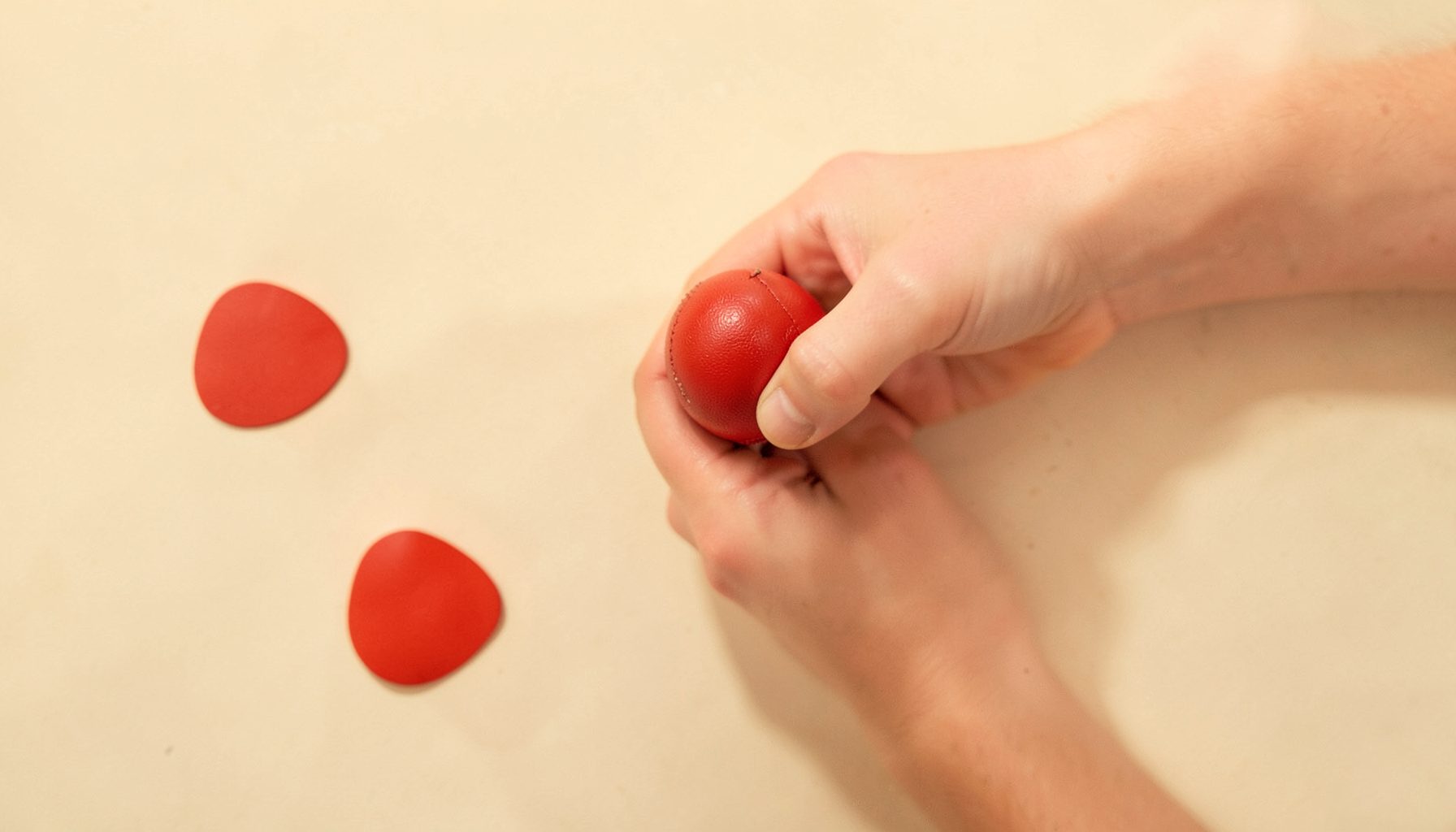
The ball used in Rugby Fives is the defining reason why placement trumps pace. Its slightly soft, hand-shaped construction grips the wall unpredictably, dying suddenly on a hot day or skidding low when the temperature drops. A blistering drive with poor line will simply rebound straight to your opponent's comfortable hitting zone. A controlled shot aimed at the buttress or the back wall corner, by contrast, forces a weak return and opens the front of the court for your next strike.
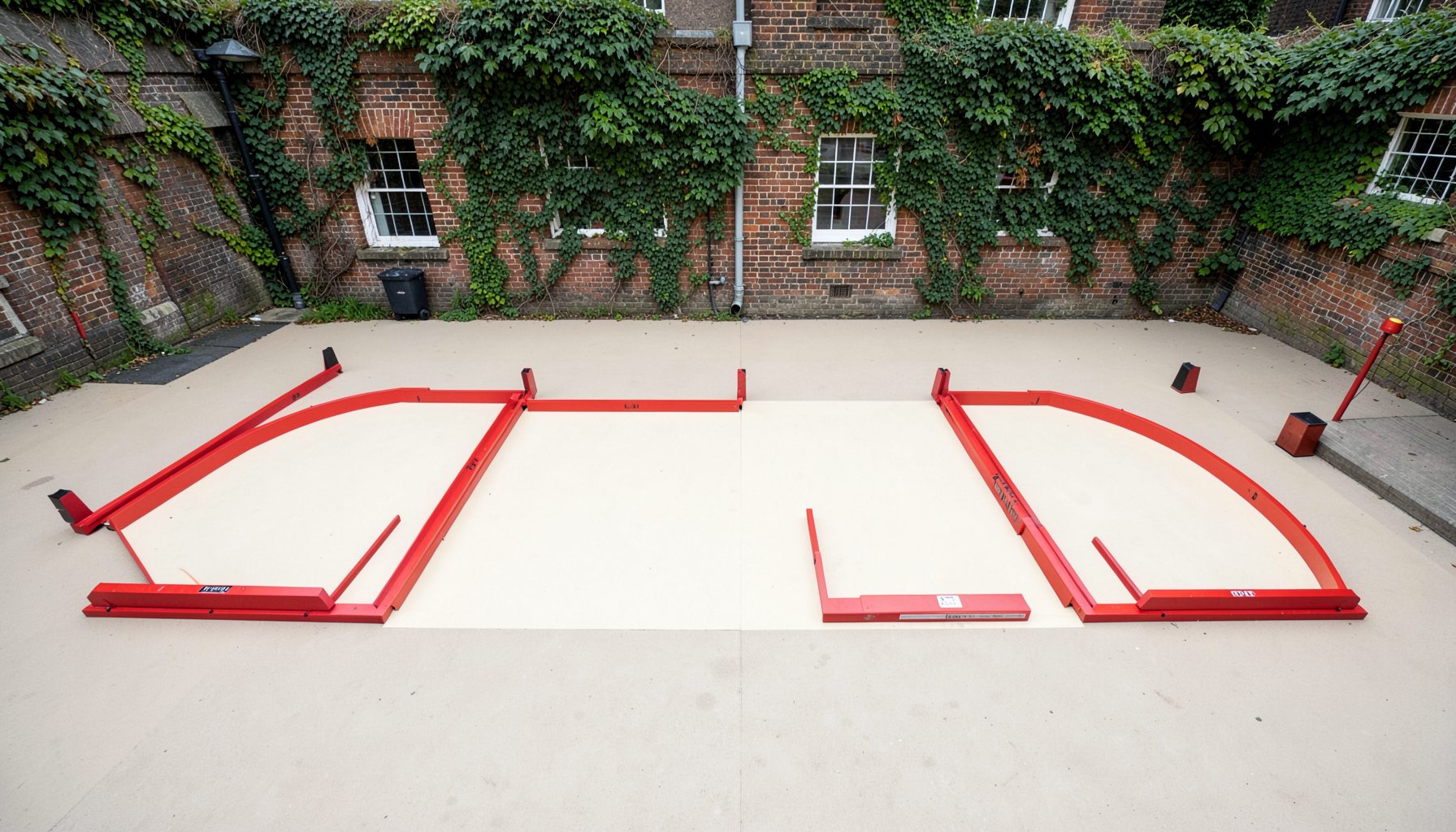
Watching senior players at clubs around Melbourne's inner suburbs or in the historic Sydney schools that have kept the sport alive for decades reveals a quiet secret: their shots rarely look fast, yet they keep piling up points. They have learned to read the geometry of the four walls, the back wall line, and the angled buttresses on the left and right. Once you accept that a well-placed shot is worth two rushed ones, your training focus shifts naturally toward precision tools and away from raw force.
Building a Reliable Grip and Hand Contact
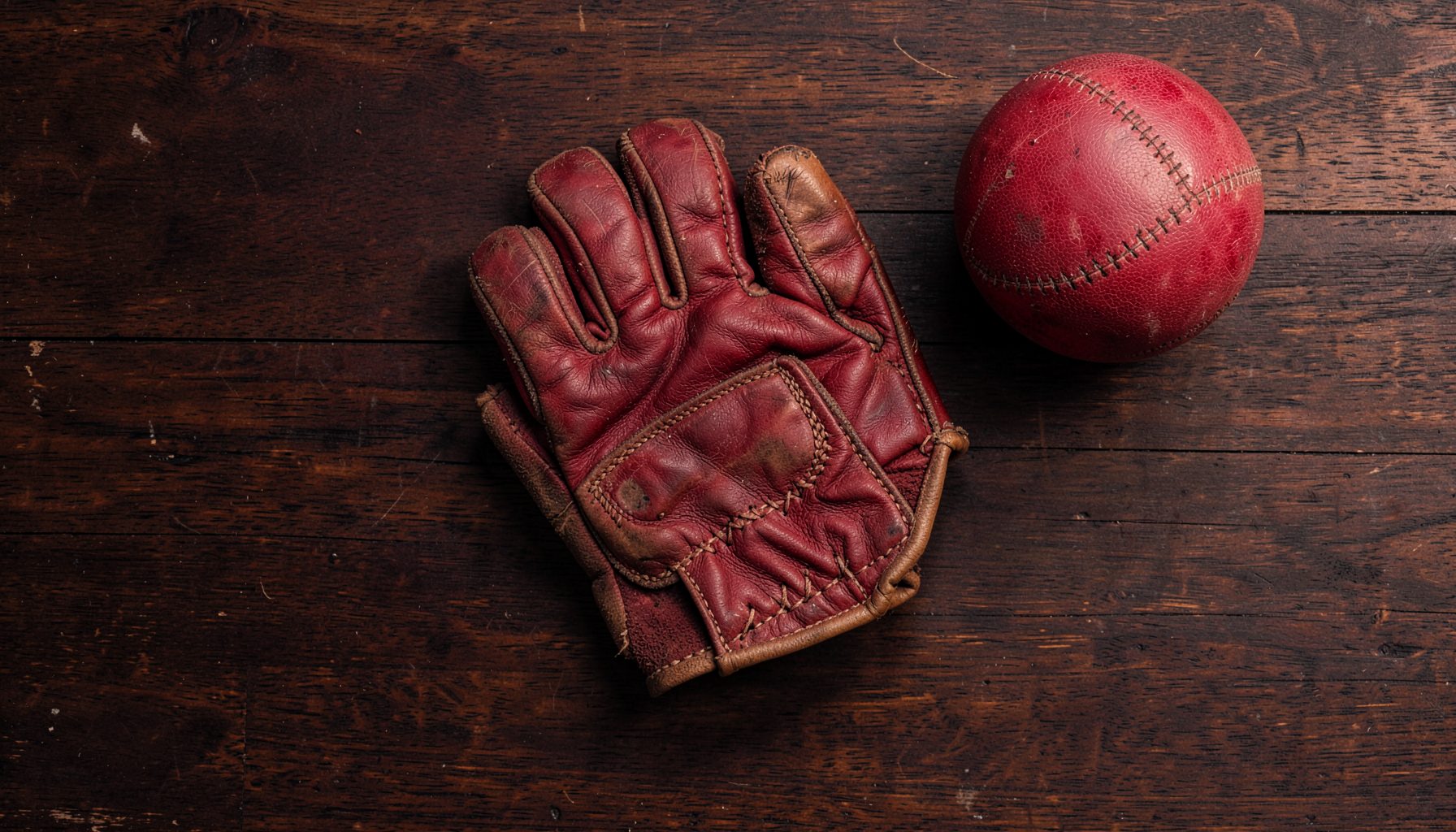
Your hand is your only racquet, so how you cup, strike, and release the ball dictates everything that follows. A common mistake among newer players is to pat the ball with flat fingers, which sends it floating out of court. A more reliable contact uses the heel of the palm and the base of the fingers, with the wrist firm but not locked, allowing the ball to roll off cleanly.
Practise the two contact families separately. For a drive, the palm faces the front wall at contact, with fingers spread for stability. For a cut shot, the hand turns slightly so the thumb side leads, producing side-spin that grips the side wall. Spend ten minutes before any arvo session rolling the ball against the front wall with each contact variation, feeling how the ball leaves the hand. This dry-balling ritual, popular among fives coaches in Adelaide and Perth, builds the muscle memory that survives pressure during a tight third set.
Footwork, Stance, and Court Positioning
A perfectly struck shot from poor footwork is still a wasted shot. Your stance should be balanced, with knees slightly bent and weight on the balls of your feet, ready to move in any direction. After every return, return to a central position roughly two paces behind the service line, giving yourself equal angles to either buttress.
Australian players who also play touch footy or basketball often transfer their lateral speed well, but they need to remember that fives rewards anticipation over sprinting. Watch the ball off the back wall, not your opponent's hand, and shuffle rather than lunge. In tight indoor venues like those found in Brisbane's older PCYCs or in suburban squash centres around Sydney, court space is precious, so compact, efficient movement keeps you out of trouble and ready to deliver an accurate reply.
Reading the Court and Picking Targets
Accuracy is not just about hitting the same spot twice; it is about choosing the right spot for the moment. Against a defensive opponent who plays deep, a shot aimed at the front wall nick forces them forward and disrupts their rhythm. Against an aggressive attacker who stands close, a lob to the back corner buys you time to reset.
Develop a habit of identifying two or three go-to targets before each point. These might include the high left buttress, the low right corner, or a waist-height drive that dies in the middle of the back wall. Many players keep a simple notebook during competitions, jotting down which targets produced winners and which gave away cheap points. After a tournament at a state championship in regional Victoria or a club open in Western Australia, that notebook becomes a roadmap for what to practise the following week.
Core Shot Types at a Glance
The following table compares the four shots that form the backbone of accurate fives play. Each one rewards a different contact and target, and recognising when to deploy them is half the battle.
| Shot Type | Hand Contact | Ideal Target | When to Use |
|---|---|---|---|
| Drive | Flat palm, fingers spread | Waist height on the front wall, then die | When you want to dictate pace from the back |
| Cut | Thumb side leading, wrist turned | Side wall just above the buttress line | Against a player camped on the same side |
| Lob | Open hand, lifted contact | High and deep toward the back wall corner | To reset against an aggressive volleyer |
| Volley | Compact punch off the front wall | Tight to the side wall or low nick | When you read your opponent's shot early |
Practising these four in isolation during a focused session at your local club pays far greater dividends than an hour of aimless rallies.
Drills You Can Run Solo or With a Partner
Accuracy improves fastest when drills are specific and measurable. Set up four targets on the front wall using sticky tape or chalk: one high left, one low right, one central nick, and one back wall deep target. Hit ten balls at each, keeping count of clean contacts. Rotate the order so you cannot anticipate.
For pair work, the three-shot rally drill is brutally effective. You and your partner agree to play only three shots per rally, with the fourth ball always being an attempt at a chosen target. This forces deliberate placement and mimics match conditions where points are won or lost in the first three or four strokes. Players in Melbourne's club scene often use this drill as a warm-up before the serious hitting starts.
Once a month, film a training session on your phone. Review the footage with a critical eye, noting how often your intended target matches your actual landing spot. The gap between intention and result is where real improvement lives.
Climate, Surfaces, and Match-Day Variables
Playing conditions vary wildly across the country, and your shot accuracy must adapt. In tropical Cairns or Darwin, a hot ball stays lively on the wall, demanding slightly softer contact to keep shots inside the court. In cooler Hobart or Canberra, the same ball feels heavy and sluggish, so a touch more pace and lift compensates. Outdoor courts, common in regional New South Wales and Queensland schools, add wind and sun glare that indoor clubs in Perth or Adelaide never see, so practise in varied conditions whenever you can.
Many ambitious Australian fives players eventually chase the trip to the United Kingdom for the Kinnaird Cup or the Varsity Match, the sport's spiritual home. The jump from local club standard to UK championship level is significant, and accuracy is the single biggest separator. Training with a partner who plays a stronger cut, or booking a hit with a visiting English coach during a state open, accelerates the learning curve faster than solo repetition ever will.
Grab the fixtures calendar and pencil in a fortnight of deliberate target practice before your next club night. Pick one shot from the table above, choose three targets on the wall, and track every attempt for a month. No worries if the numbers look rough at the start — accuracy is built one clean contact at a time, and the gains show up faster than most players expect once the practice becomes a habit.