Improve your Rugby Fives reflexes with simple exercises
Fast reactions are valuable in Rugby Fives, but they are not simply a matter of having naturally quick hands. Good reflexes come from reading the ball early, preparing the body efficiently, and repeating movements until they become automatic. A player who recognises the likely rebound a fraction sooner can often reach the ball comfortably rather than scrambling after it.
The enclosed court creates unusual angles and short response times. The ball may come back from the front wall at shoulder height, dip towards the floor, or arrive from a side wall with unexpected pace. Training should therefore combine hand-eye coordination, footwork, balance, and decision-making instead of relying on one isolated drill.
The exercises below can be completed alone, with a partner, or as part of a club session. Begin slowly enough to maintain control, then increase speed as your technique becomes reliable. A few focused minutes several times a week can make a noticeable difference during rallies, games, and competitive fixtures.
Prepare your body for quick reactions
Reflex training starts before the ball is struck. Stand with your feet roughly shoulder-width apart, knees soft, weight slightly forward, and hands relaxed in front of your body. Avoid locking your knees or standing upright, as both positions delay the first movement.
Use a simple split-step before each expected contact. Make a small, quiet hop and land just as your opponent or training partner strikes the ball. Landing with both feet ready allows you to push in any direction rather than becoming fixed on your heels.
Practise this position for 20 to 30 seconds, rest briefly, and repeat several times. Add small movements to the front, rear, and sides while keeping your chest facing the likely hitting area. The aim is to create a balanced starting position that supports rapid changes of direction.
Sharpen your visual tracking
Many missed balls are caused by losing sight of the ball during the opponent’s swing or reacting only after the rebound has begun. Improve your visual awareness by tracking the ball continuously from the other player’s hand, through the strike, and into its path off the wall.
A simple solo exercise uses a tennis ball. Throw it gently against a wall and catch it with alternating hands. Vary the height and angle, then progress to catching after one bounce. Keep your head steady and use your eyes to follow the ball rather than turning your whole body towards it.
For a more demanding version, call out the ball’s height or direction before catching it. A partner can throw high, low, left, or right while you name the movement and receive the ball. This adds anticipation and helps connect visual information with an immediate physical response.
Use wall drills to build hand speed
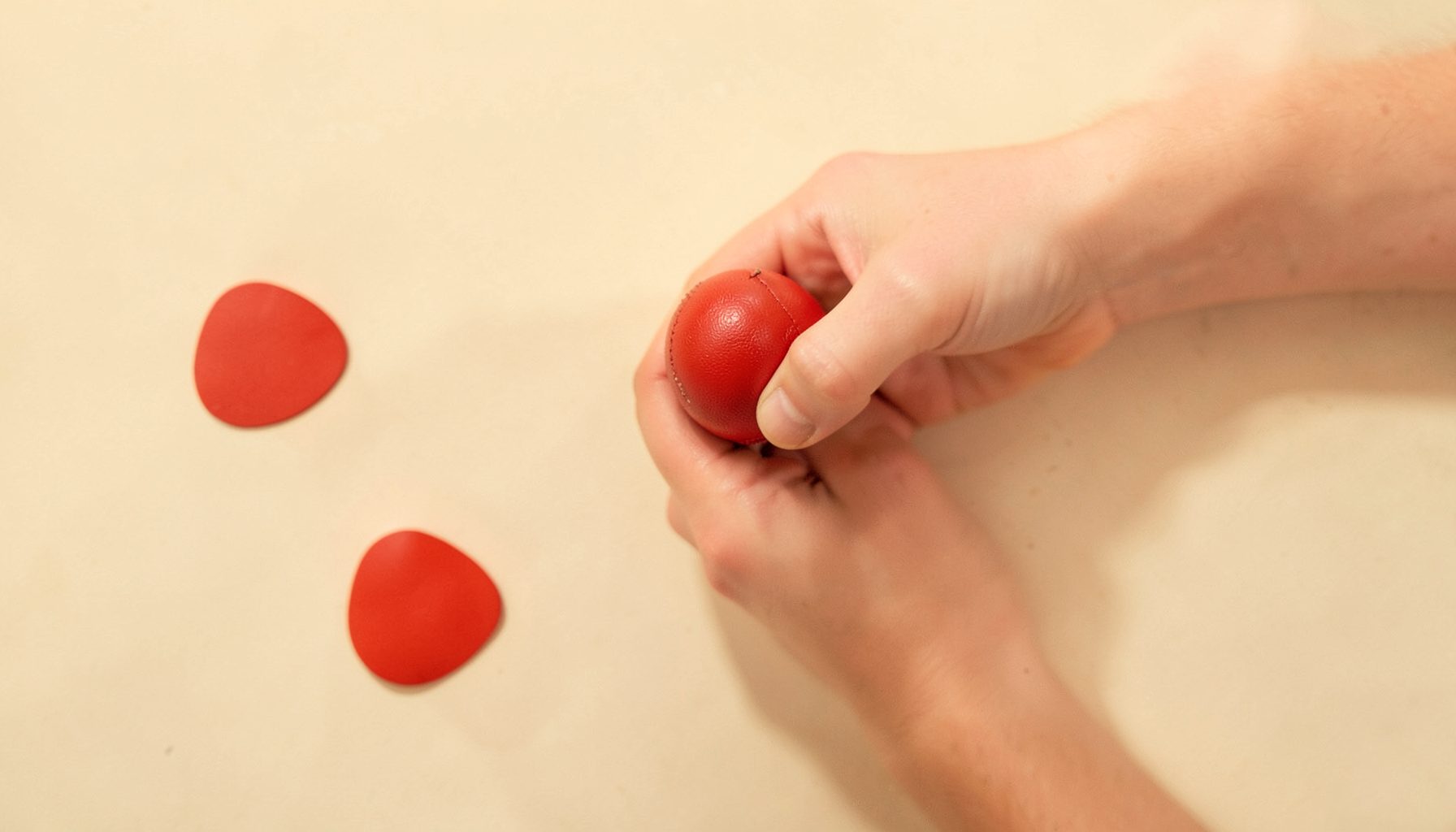
Wall work is especially useful because it resembles the constant rebounds found in Rugby Fives. Stand close enough to maintain control and strike a soft ball towards the wall with one hand. Catch or return it with the opposite hand, keeping the contacts compact and controlled.
Begin with forehand-style contacts at a comfortable pace. After one minute, switch hands, then alternate hands after every rebound. As your control improves, take a small step backwards or use a slightly wider angle so that the ball returns less predictably.
| Exercise | Main quality developed | Starting time | Progression |
|---|---|---|---|
| Alternating wall catches | Hand-eye coordination | 2 minutes | Add a bounce or increase distance |
| Rapid two-hand taps | Hand speed and control | 20 seconds | Reduce the space between contacts |
| High-low wall returns | Reaction to changing height | 2 minutes | Mix random heights |
| Side-step and return | Footwork with contact | 1 minute each side | Add a partner’s call |
| Drop-and-catch recovery | First-step speed | 6 repetitions | Begin from a wider stance |
Rapid two-hand taps are another effective option. Tap the ball against the wall with one hand, receive it with the other, and keep the rhythm steady. Do not chase maximum speed immediately; clean contacts and a stable body position are more valuable than frantic movement.
If you have access to a partner, ask them to vary the return slightly while you maintain your ready stance. The partner should change pace and direction without making the exercise unsafe or excessively difficult. This develops reaction speed under conditions that feel closer to a real rally.
Train movement as part of the reflex
A quick hand response is useful only if your feet place you in range. Practise moving from the ready position to a short contact point, then recovering to the centre. Use small adjustment steps rather than reaching from a poor balance position.
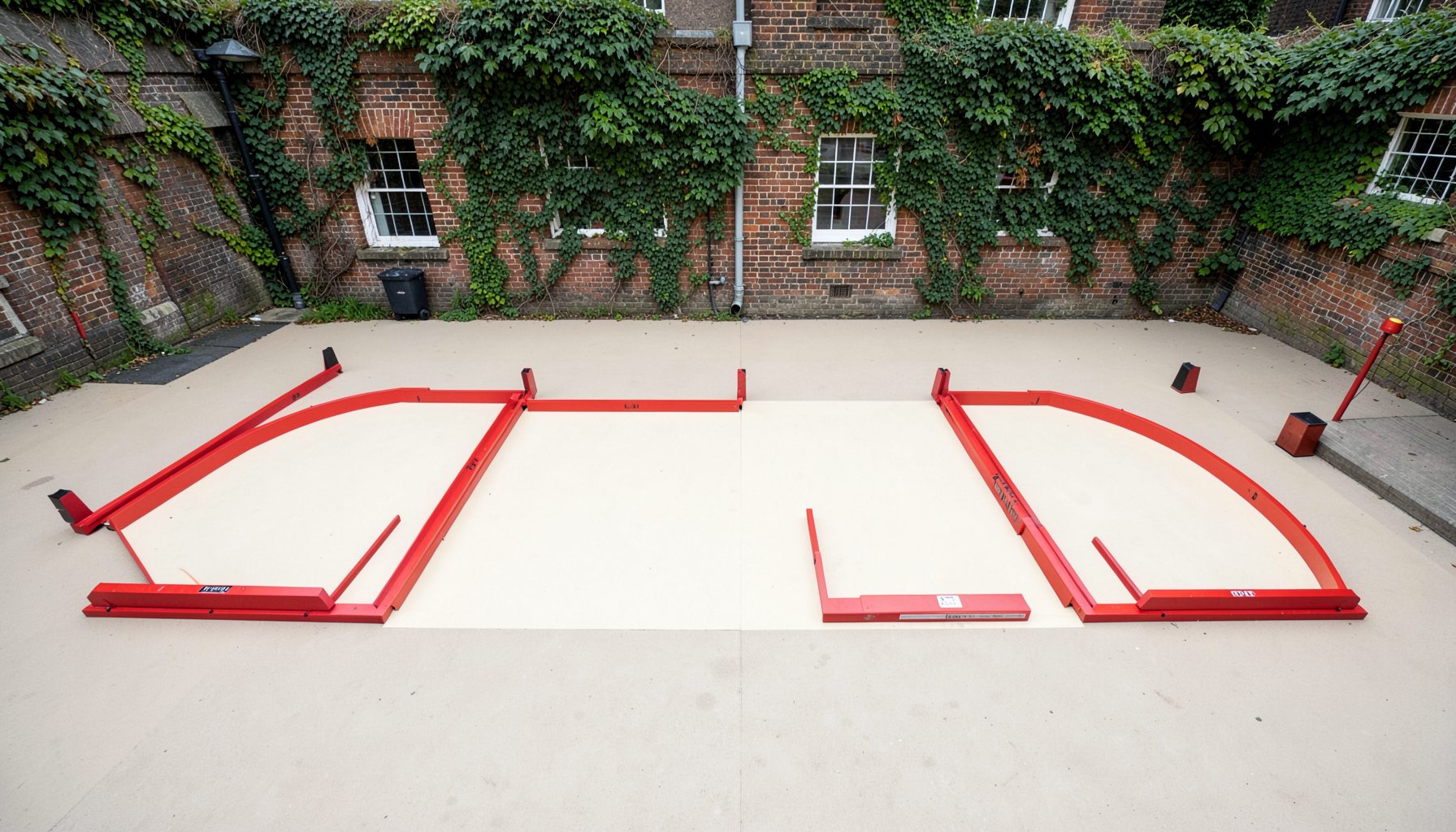
Set out two or three markers on the court, keeping enough space for safe movement. Start in the middle, have a partner call a marker, and move there with short, fast steps. Touch the marker, return to the centre, and repeat for 20 seconds. Change the order frequently so you must react rather than memorise a pattern.
You can combine this with a ball drop. Stand in your ready position while a partner drops a ball to one side. Move quickly, catch it after the first bounce, and return to the centre. The exercise links visual detection, acceleration, balance, and recovery in one sequence.
Keep the movement controlled on a real court. Avoid diving or stretching beyond a stable base during basic reflex work. As your agility develops, a coach can introduce more demanding reaches that reflect match situations without encouraging unsafe technique.
Add pressure with partner exercises
Solo drills improve coordination, but partner practice teaches you to respond to another player’s timing and choices. One useful exercise is the random-feed rally. Your partner sends manageable balls to different heights and angles while you focus on making an early, controlled return.
Set a clear target before starting. For example, complete ten returns while keeping the ball within a chosen area of the front wall. Once accuracy is consistent, ask the feeder to vary the pace or delay the direction of the feed. This gradual increase in uncertainty improves anticipation without sacrificing technique.
Another option is the call-and-react drill. Your partner holds the ball and gives a visual cue or calls “left” or “right” just before release. You move to the correct side, establish balance, and make the simplest available contact. The drill should reward efficient movement, not spectacular shots.
Keep repetitions short and take regular breaks. Reflexes decline when fatigue causes late reactions, tense shoulders, or careless foot placement. Quality practice with full concentration is more productive than a long session performed on autopilot.
Build a regular practice routine
A useful reflex session can fit into 15 to 25 minutes before or after normal Rugby Fives training. Start with general movement and mobility, then complete visual tracking, wall contacts, footwork, and a short competitive drill. Finish with easy shots and a gradual reduction in intensity.
Use the following weekly approach:
- Practise wall catches or alternating taps two or three times each week.
- Add split-step and movement drills to every court session.
- Complete partner reaction work once a week, adjusting difficulty to your current level.
- Record one simple measure, such as clean returns in 30 seconds, and track it over time.
- Stop or reduce intensity if pain, dizziness, or unusual joint discomfort appears.
Vary the drills so your reflexes transfer to real play. A ball that always arrives at the same height develops rhythm, but a ball arriving from different angles develops adaptable reactions. Include both hands, both sides of the court, and contacts made from different body positions.
Coaches and club leaders can adapt these exercises for school sessions, beginner groups, or advanced players. Younger participants may benefit from shorter games and larger targets, while experienced players can work with faster feeds, narrower targets, and decision-making constraints.
Begin your next practice with five minutes of split-steps and visual tracking, then choose two wall exercises and one partner drill. Keep the movements precise, record a small improvement each week, and use Rugby Fives Association coaching, club sessions, and competitions to test those sharper reactions in real rallies.