



Bringing Rugby Fives To Life In A Local School
Rugby Fives is a fast, skillful wall game that can give pupils a fresh alternative to familiar racquet and invasion sports. Played with the hands against a four-walled court, it develops movement, reactions, coordination, decision-making, and resilience in a compact space. Its simple scoring idea allows beginners to start quickly, while its tactical depth gives experienced pupils plenty to master.
A school does not need to launch a full competitive programme immediately. A well-planned taster session, followed by a short lunchtime or after-school club, can establish interest and reveal which facilities, equipment, and staff support are needed. The Rugby Fives Association can help schools connect with coaches, clubs, competitions, and wider development opportunities.
The strongest school projects place enjoyment before performance. Pupils should experience the distinctive rhythm of the game, learn how to move safely around the court, and understand how practice leads to improvement. With a clear pathway, a local school can progress from informal play to fixtures and championship participation at a manageable pace.
Make The First Case To School Leaders
Begin by explaining what Rugby Fives can add to the school’s existing physical education offer. The sport supports hand-eye coordination, agility, balance, spatial awareness, and quick choices under pressure. It also creates opportunities for pupils who may not identify with mainstream team games, including those who prefer individual competition or smaller group activities.
A concise proposal should describe the intended age group, session length, facility requirements, staffing, cost, and safeguarding arrangements. Include a practical reason for choosing the sport, such as an unused court, interest from pupils, a local club nearby, or a desire to broaden enrichment activities.
School leaders will want confidence that the activity is structured and sustainable. Offer a short pilot rather than an open-ended commitment, with clear dates and simple measures such as attendance, pupil feedback, skill progress, and interest in continuing. A successful pilot creates evidence for regular curriculum lessons, a club, or inter-school competition.
Find A Suitable Space And Equipment
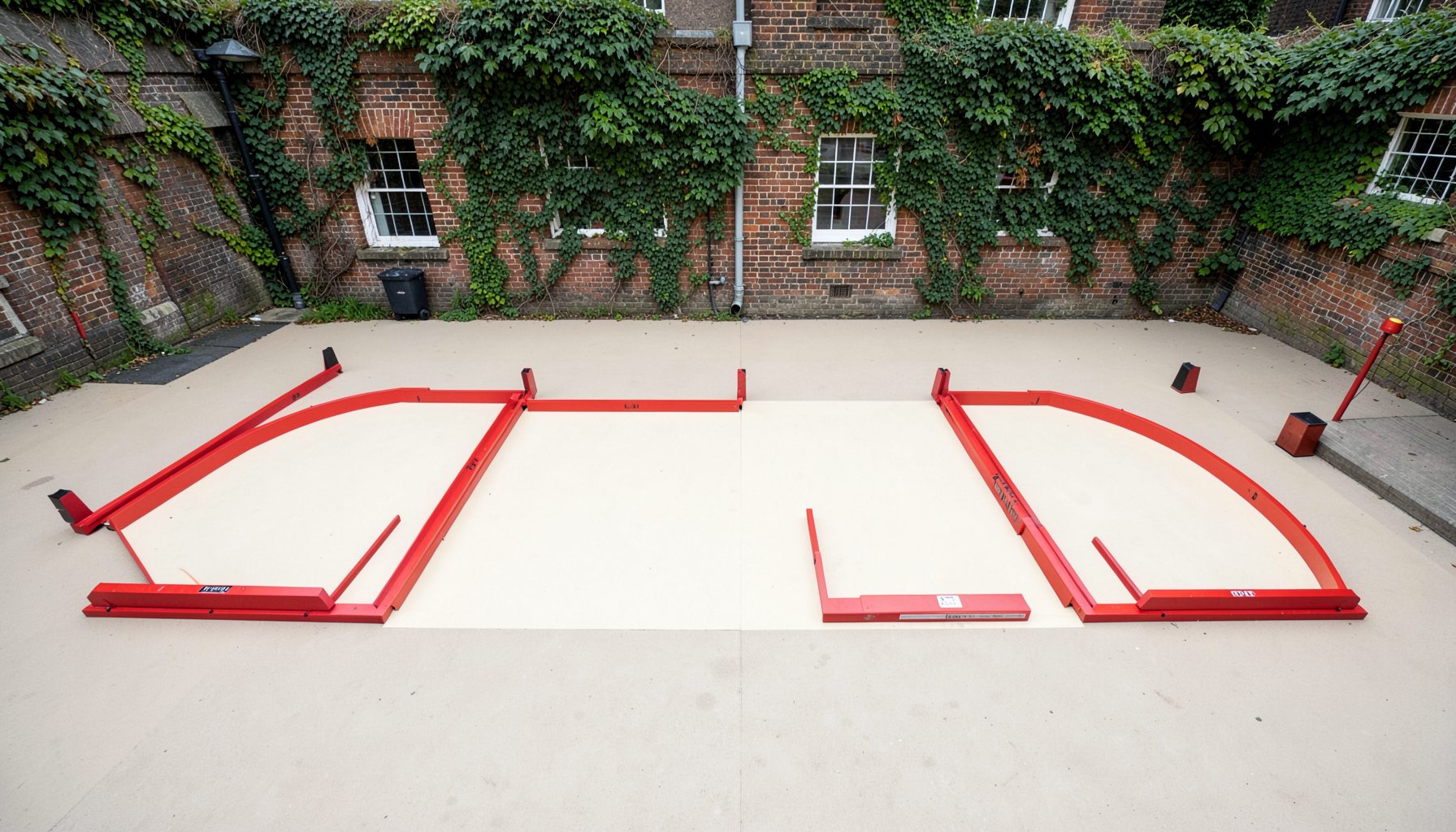
A purpose-built Rugby Fives court is ideal, but a school can begin by discussing available options with an experienced coach or the Rugby Fives Association. Some introductory activities may be adapted for a suitable enclosed wall space or sports hall, provided the surface, rebounds, lighting, access, and surrounding areas are safe. The court should never be treated as suitable without a proper risk assessment.
Before the first session, inspect floors, walls, doors, benches, corners, and spectator areas. Establish how pupils will enter and leave the playing area, where waiting groups will stand, and how balls will be collected. Clear boundaries reduce collisions and help young players concentrate on the game.
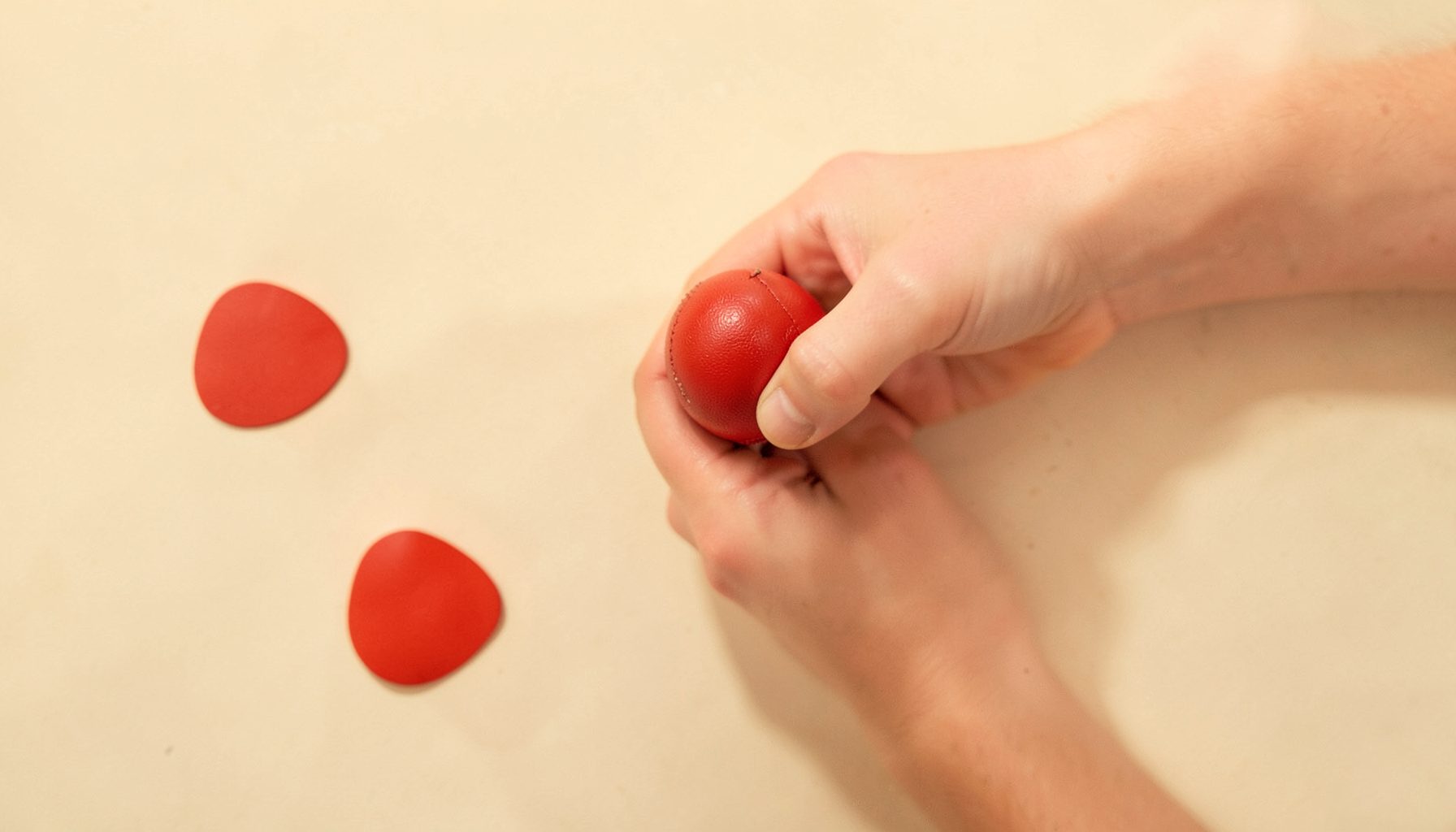
Equipment should be age-appropriate and checked before use. Depending on the session format, this may include Rugby Fives balls, suitable hand protection, cones, bibs, first-aid supplies, and visible court markings. Beginners may benefit from a softer or slower training ball before progressing to the standard equipment used in formal play.
Shape A Welcoming First Session
A first lesson should be active within minutes. Start with a brief explanation of the court, the basic aim, and the most important safety rules. Demonstrate a simple strike and allow pupils to experiment with sending the ball to a wall before introducing scoring. Short demonstrations are usually more effective than lengthy technical explanations.
Organise pupils into small groups so that nobody spends long periods waiting. Stations can include catching and returning, target striking, movement around the court, and short cooperative rallies. Progressively increase the challenge by changing distance, target areas, ball speed, or the number of consecutive returns required.
Use language that rewards control, effort, communication, and recovery after mistakes. Pupils should learn that a rally can be successful even when it does not end in a winning point. This approach supports confidence and gives beginners a reason to keep practising.
Connect Skills To The Rules
Once pupils can strike and move safely, introduce the scoring format in a simplified way. Explain how a player or pair wins a rally, how service works, and where the ball must travel. Keep the first games short, perhaps using a target score or timed rounds, so pupils can rotate and experience different opponents.
Pairing stronger players with developing pupils can work well when the task is cooperative rather than purely competitive. For example, a pair might aim to complete a set number of controlled returns before playing a normal point. This reinforces technique while avoiding early mismatches that may discourage new participants.
The table below can help staff plan a progression from an initial taster to a more established school pathway.
| Stage | Main Aim | Suggested Activity | Evidence Of Progress |
|---|---|---|---|
| Taster | Build curiosity and confidence | Wall striking, movement games, cooperative rallies | Pupils participate safely and show enthusiasm |
| Short Block | Develop basic technique | Serving, returning, court movement, simple scoring | Longer rallies and improved control |
| School Club | Establish regular participation | Conditioned games, pair rotation, skill challenges | Reliable attendance and broader participation |
| Local Fixtures | Apply skills under pressure | Friendly matches with a nearby school or club | Pupils understand rules and show good conduct |
| Development Pathway | Support committed players | Coaching, tournaments, rankings, and championships | Continued training and competitive progression |
Build A Regular School Pathway
A lunchtime club is often the easiest next step because it removes some transport barriers and can attract pupils who are unable to stay after school. An after-school session may allow more focused coaching, while curriculum lessons can reach a broader group. Schools should choose the format that fits staffing, facilities, and pupil demand rather than copying another institution’s model.
Recruiting a pupil leadership group can strengthen the programme. Older or more experienced pupils may help demonstrate warm-ups, explain scoring, welcome new players, or support equipment checks under adult supervision. Leadership roles create ownership and can improve continuity when staff timetables change.
A local club can provide a valuable bridge beyond school. Club coaches may support taster sessions, lend expertise, host visits, or arrange friendly fixtures. The national association can also help schools understand competition opportunities, coaching contacts, historical records, and routes into wider Rugby Fives activity.
Protect Inclusion And Good Practice
Accessibility should be considered from the first planning meeting. Adapt the size of groups, the pace of rallies, the distance from the wall, and the type of ball to suit different abilities. Some pupils may need extra time to process instructions, while others may benefit from visual demonstrations, marked targets, or a quieter starting space.
Use transparent selection principles if the school enters competitions. A development squad can coexist with an open club, ensuring that early confidence or previous sporting experience does not determine who gets to participate. Celebrate improvement, teamwork, fair play, and attendance alongside match results.
All sessions must follow the school’s safeguarding, supervision, first-aid, and photography policies. Coaches and volunteers should have the required checks and qualifications, and every activity should be recorded through the school’s normal risk-management procedures. Consistent standards help families and school leaders trust the programme.
Turn Interest Into Action
A practical launch can begin with these priorities:
- Identify a member of staff to lead the project and a senior colleague to approve it.
- Contact the Rugby Fives Association or a nearby club about coaching, equipment, and suitable venues.
- Run a supervised taster session for a mixed group of pupils.
- Collect attendance, feedback, and staff observations after each session.
- Set a date for a follow-up club, skills festival, or friendly fixture.
Keep the first term focused on regular participation rather than ambitious competition targets. A simple calendar with a launch lesson, several club dates, a progress review, and one external event gives everyone a clear sense of direction. Share achievements through assemblies, newsletters, displays, or the school website to build wider awareness.
A school that starts with a small, safe, and enjoyable programme can create lasting links between pupils, families, clubs, coaches, and volunteers. Contact the Rugby Fives Association to explore local support, arrange an introductory opportunity, and give pupils their first chance to discover the speed and character of Rugby Fives.