
How to Maintain Rugby Fives Equipment For Longer Life
Rugby Fives is a fast, demanding game in which the ball, footwear, clothing and protective equipment are exposed to repeated impact. Good maintenance helps equipment perform consistently, reduces avoidable replacement costs and supports safer, more enjoyable play.
A few simple habits make a significant difference. Cleaning items after use, allowing them to dry properly and checking for early signs of wear can prevent small problems from becoming failures during a match or training session. This is especially useful for schools, clubs and players who share equipment across many fixtures.
The right routine depends on the item, its materials and how often it is used. A competition ball needs different care from a pair of court shoes, while shared club equipment requires clear labelling and regular inspection. A practical maintenance system keeps everything ready for coaching sessions, tournaments and championship matches.
Keep The Ball Clean And Responsive
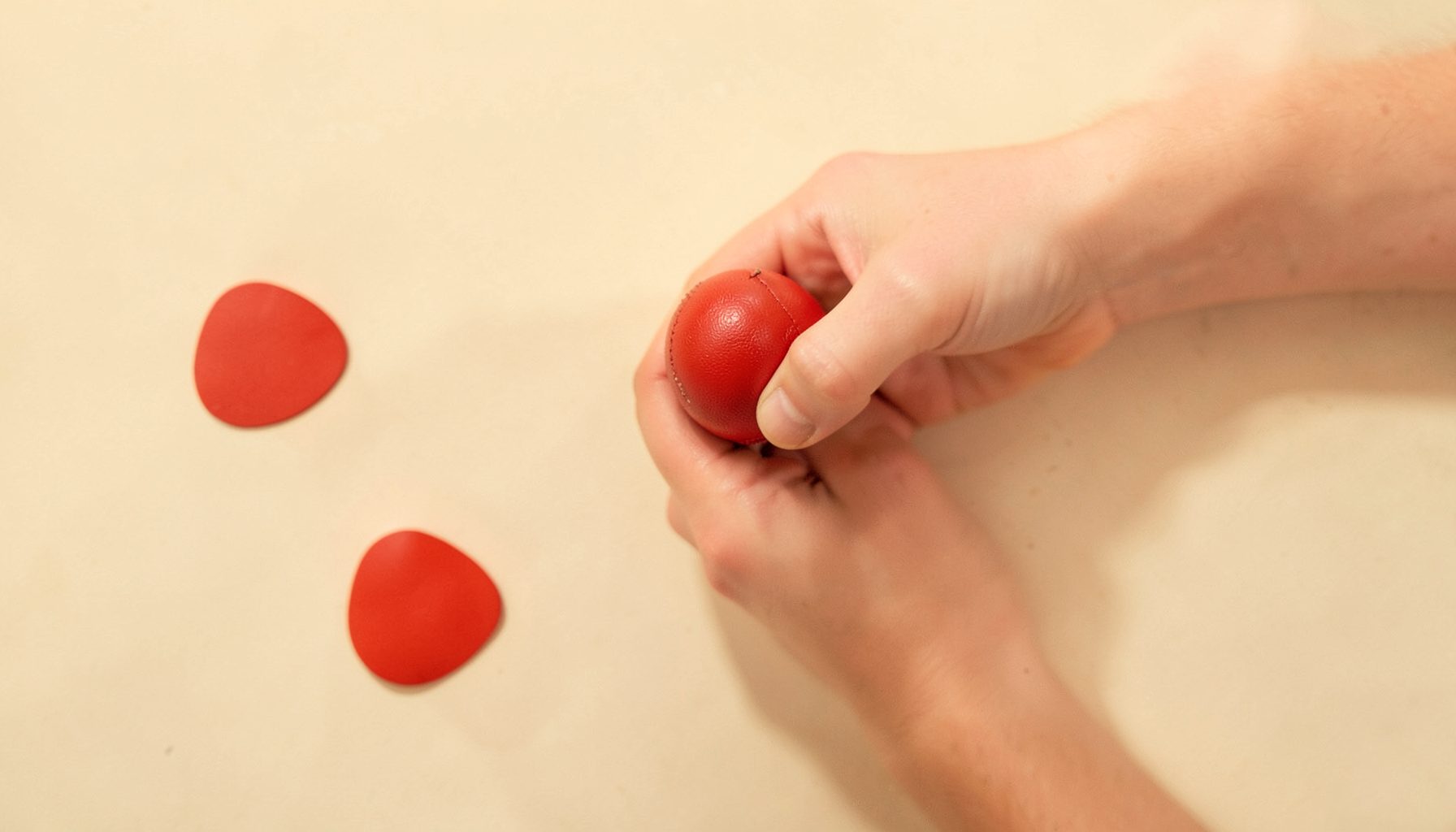
The Rugby Fives ball should be wiped with a soft, slightly damp cloth after play. This removes dust, perspiration and residue from the court without exposing the surface to excessive moisture. Avoid abrasive pads, strong household cleaners and solvents, which may affect the ball’s texture or grip.
If the ball becomes wet, dry it naturally at room temperature. Do not place it directly on a radiator, near a heater or in strong sunlight. Rapid heat can distort the material, weaken seams or create an uneven bounce. Store the ball only when its surface is completely dry.
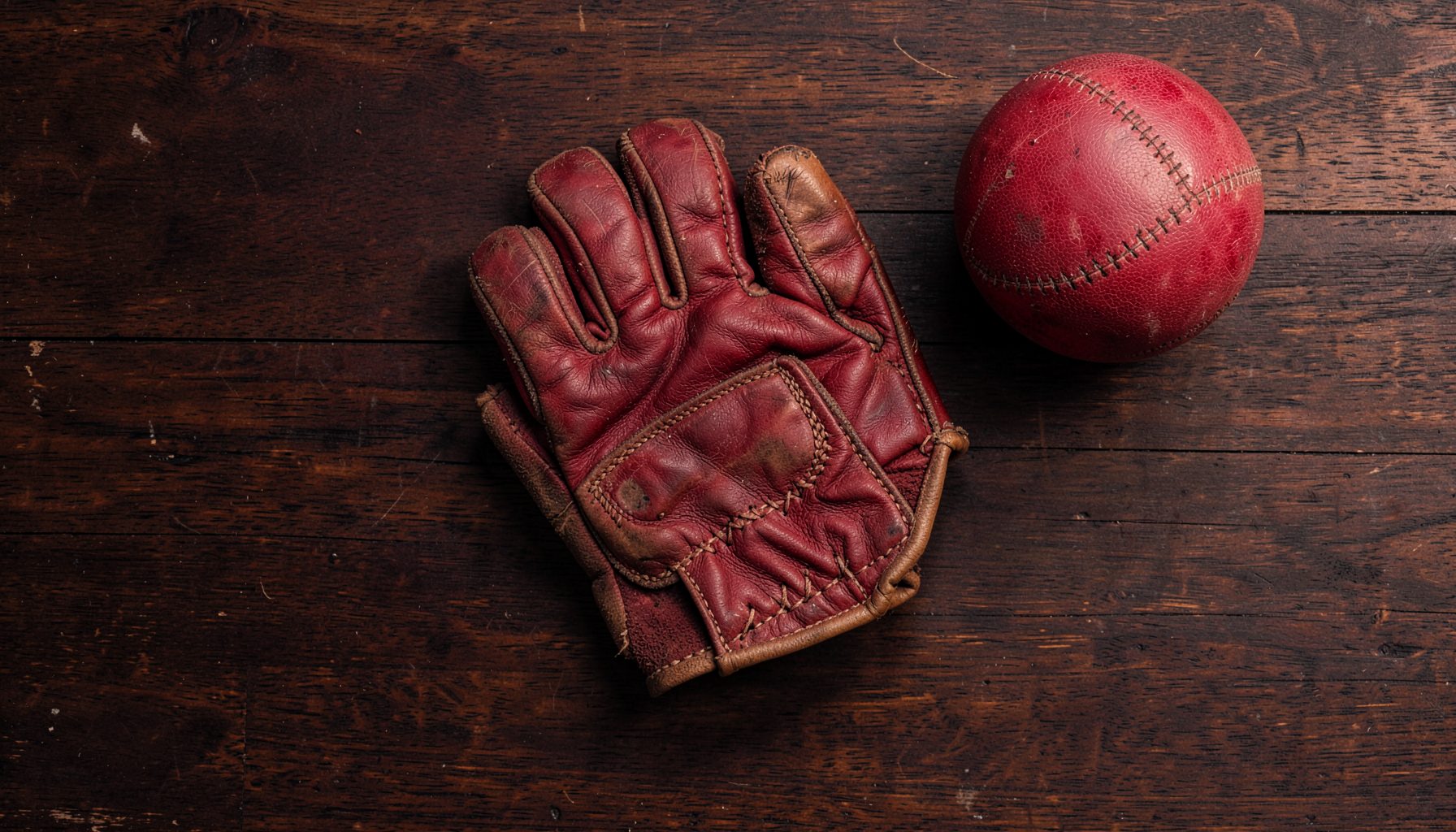
Check the ball regularly for cuts, raised seams, loss of shape or a noticeably altered response against the wall. A ball that feels unusually soft, lumpy or slippery may affect control and should be removed from match use. Keep playing balls separate from older training balls so that competition equipment receives less unnecessary wear.
Protect Court Shoes From Premature Wear
Court shoes are among the most important pieces of Rugby Fives equipment because they influence grip, movement and stability. Use shoes with suitable non-marking soles and reserve them for indoor court activity. Wearing them outdoors grinds grit into the sole and can reduce traction much faster.
After each session, remove loose dust with a soft brush or dry cloth. If the upper needs cleaning, use a small amount of mild soap and water, then wipe away residue. Do not soak the shoes or put them through a washing machine unless the manufacturer specifically allows it.
Allow shoes to air out with the laces loosened and the insoles removed where possible. A second pair can be valuable for frequent players, giving each pair time to dry fully between sessions. Replace shoes when the tread is smooth, the heel has collapsed or the upper no longer holds the foot securely.
Wash Clothing And Protective Items Carefully
Playing shirts, shorts, socks and base layers should be washed soon after use, particularly when they have absorbed sweat. Follow the care label, use a moderate amount of detergent and avoid excessive fabric softener, which can reduce breathability or affect moisture-wicking materials. Turning garments inside out can help protect printed badges and numbers.
Dry sports clothing in a ventilated area rather than leaving it compressed in a kit bag. Damp clothing stored for several hours can develop odours and encourage fabric deterioration. Keep clean and used garments in separate compartments during travel to tournaments or away fixtures.
Knee supports, wrist supports and other protective items also need routine care. Inspect elastic sections, stitching, fasteners and padding after washing. Hand washing may be preferable for shaped supports, while removable pads should be taken out before cleaning when the instructions permit it.
| Equipment | Routine Care | Avoid | Replace When |
|---|---|---|---|
| Ball | Wipe clean and air-dry after play | Solvents, radiators and prolonged soaking | Shape, seams or bounce change |
| Court shoes | Brush soles and air out fully | Outdoor use, machine washing and excess heat | Tread is worn or support is reduced |
| Clothing | Wash promptly and follow the care label | Damp storage and harsh bleaching | Fabric, seams or fastenings fail |
| Protective supports | Clean as directed and inspect elastic | Storing wet or stretching damaged sections | Padding, fit or closure no longer works |
| Kit bag | Empty, wipe and ventilate regularly | Leaving wet kit inside | Persistent odour, broken zip or torn lining |
Store Equipment In A Dry, Ventilated Place
Storage conditions are particularly important in the UK, where cool temperatures and humid air can affect sports equipment. Keep balls, shoes and protective items away from damp floors, leaking walls and unventilated cupboards. A shelf or breathable storage rack is preferable to a sealed plastic box for items that may retain moisture.
Do not pack equipment tightly while it is still damp. Leave shoes open, keep clothing loose and separate wet items from dry ones. For club and school stores, labelled mesh bags or ventilated containers make it easier to identify ownership and reduce the risk of equipment being left forgotten after a session.
Kit bags should be emptied after every use. Shake out grit, remove used clothing and wipe the interior if there has been a spill. Clean bags occasionally with a damp cloth and leave them fully open to dry. A well-maintained bag protects the equipment inside and is less likely to transfer dirt between courts.
Inspect Shared Equipment On A Set Schedule
Clubs, schools and community programmes often have equipment used by many players. Responsibility should be clear, even if a coach, volunteer or team captain carries out the physical inspection. A short check before and after sessions can identify damage before it affects a player or interrupts a fixture.
Record the condition of frequently used balls, shoes available for beginners, protective supports and storage bags. Marking equipment with a club name or simple asset code helps track its age and use. Items that are unsafe or unsuitable should be separated immediately rather than returned to the general equipment store.
A monthly review is useful for active clubs, while schools may inspect equipment at the beginning and end of each term. Include checks for loose stitching, sharp edges, damaged fasteners, worn soles and cleaning problems. Keep a small reserve of essential items so that a damaged ball or support does not prevent a planned coaching session.
Build A Practical Maintenance Routine
Equipment care works best when it is attached to existing Rugby Fives habits. Players can complete a quick personal check while changing after practice, and coaches can include a short equipment review during court preparation. This approach avoids relying on memory or waiting until an item fails.
New players should receive basic guidance on suitable footwear, drying kit and reporting damage. Clear instructions are especially valuable in school sessions, where equipment may be shared by large groups with different levels of experience. Clubs can display a brief care guide in the changing area or equipment store.
Use these habits as a simple working routine:
- Wipe the ball and remove dirt from shoe soles after every session.
- Empty and ventilate the kit bag before storing it.
- Wash clothing and supports according to their care instructions.
- Check seams, tread, padding and fasteners at least once a month.
- Remove damaged equipment from play and record whether it needs repair or replacement.
Know When Repair Is No Longer Enough
Some minor problems can be addressed safely, such as replacing laces, cleaning a bag or repairing a loose clothing hem. Repairs should never disguise damage that affects grip, fit, shape or protection. If an item changes how a player moves or handles the ball, it should be assessed before being used again.
Balls with altered bounce, shoes with worn tread and protective supports with stretched elastic are usually better replaced than patched. Using unsuitable equipment may increase slipping, discomfort or impact risk. For shared stock, mark the date an item entered service so replacement decisions are based on use as well as appearance.
When choosing replacements, consider durability, correct fit and the demands of the players who will use them. Buying fewer, better-suited items and maintaining them well can be more economical than repeatedly replacing poor-quality equipment. Schools and clubs can also seek advice from experienced coaches or Rugby Fives organisations when developing their equipment policies.
Well-cared-for equipment supports reliable training, confident movement and smoother competitions. Players, coaches and volunteers can help protect that standard by building small maintenance tasks into every session. Explore Rugby Fives opportunities through the Rugby Fives Association, connect with a local club or school programme, and bring equipment that is clean, secure and ready for the next game.