

How to Maintain Rugby Fives Equipment Year-Round
Reliable equipment helps Rugby Fives players move confidently, protect their hands and feet, and enjoy consistent practice in every season. A ball that has lost its shape, shoes with worn soles or damp gloves can affect handling and increase the risk of slips and blisters.
Australian players may face conditions that differ from those in the United Kingdom. Strong ultraviolet light, hot outdoor storage areas, coastal moisture in cities such as Sydney and Brisbane, and dry dust around Melbourne or Perth can all shorten the life of sports gear.
A simple maintenance routine keeps essential equipment ready for school sessions, club fixtures, training camps and tournaments. It also makes it easier to identify items that need replacing before a competition, rather than discovering a problem on match day.
Check equipment after every session
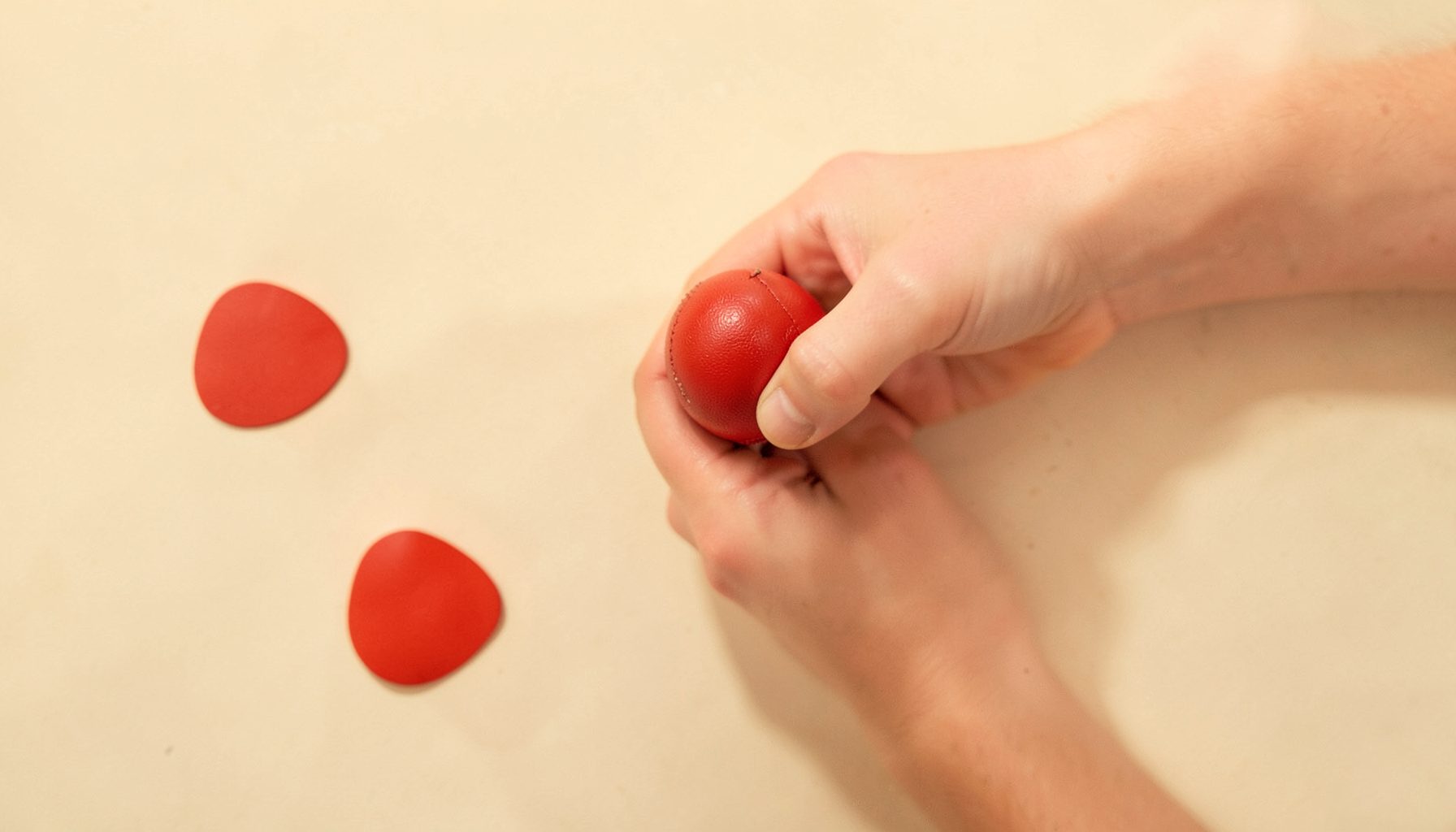
A quick inspection should become part of packing away. Examine the ball for cracks, deep scuffing, loss of grip or changes in shape. Wipe away dust and perspiration with a slightly damp cloth, then allow it to dry naturally before placing it in a ventilated bag.
Inspect footwear while the dirt is still loose. Remove grit from the sole pattern, check that stitching remains secure and look for uneven wear at the heel or outer edge. On hard courts, small stones can become lodged in the tread and reduce traction during quick changes of direction.
Protective gloves, if used, should be turned inside out where possible and aired after play. Do not leave sweaty gloves, socks or wrist supports compressed inside a closed kit bag. A short airing period reduces odour and limits the damp conditions that encourage fabric and synthetic materials to deteriorate.
Clean and store gear for the local climate
The best storage location is cool, dry and shaded. A garage or car boot can become extremely hot during an Australian summer, especially in Adelaide or inland areas, and heat may soften adhesives, distort plastic components or make rubber less resilient. Store equipment indoors when practical, away from windows and direct sunlight.
Use mild soap and lukewarm water for washable items, avoiding bleach, strong solvents and harsh household sprays. These products can damage grip surfaces, weaken fibres or leave a slippery residue. Follow the manufacturer’s care instructions for gloves, footwear and any protective equipment, since materials vary between brands.
In humid coastal climates, allow every item to dry fully before storage. Silica gel packets or a breathable equipment sack can help manage moisture, but they should support ventilation rather than replace it. Avoid sealing wet gear in plastic containers, which can trap condensation and create a musty smell.
Look after balls and hand protection
Rugby Fives balls need regular attention because their surface affects touch, control and rebound. Keep a match ball separate from heavily soiled training equipment, and use a dedicated bag that prevents it from rubbing against keys, studs or sharp accessories. If the ball becomes wet, dry it at room temperature rather than placing it beside a heater.
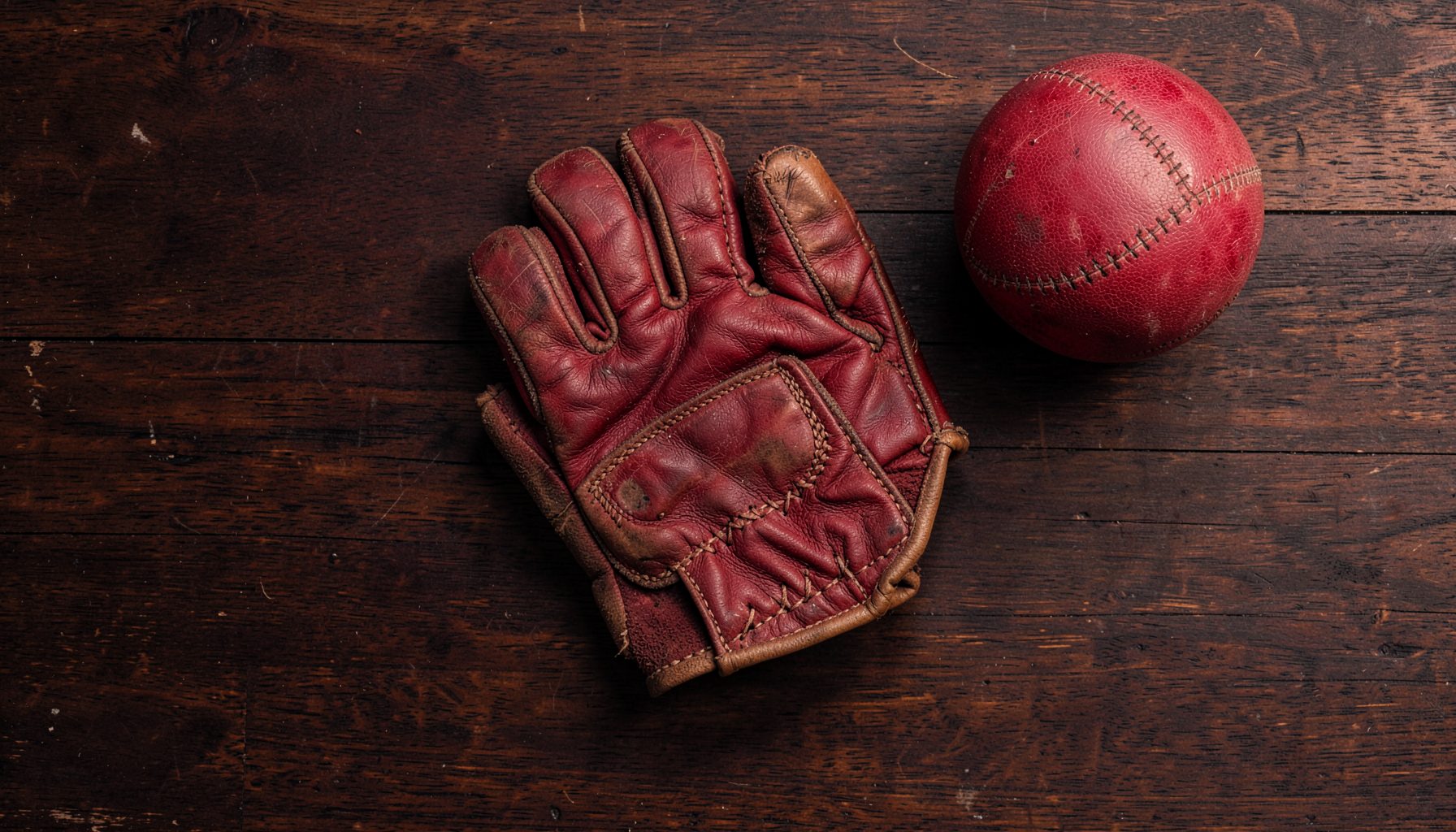
Hand protection should fit securely without restricting movement. Check for thinning palm material, split seams, loose fasteners and hardened sections that may interfere with contact. Players who use gloves for colder sessions should keep a second dry pair available, particularly when travelling to early-morning fixtures or playing in damp conditions.
| Equipment | Routine care | Signs it needs attention | Australian consideration |
|---|---|---|---|
| Ball | Wipe clean and air dry after use | Cracks, flattened shape or reduced grip | Keep it out of hot cars and direct sun |
| Court shoes | Brush out grit and dry naturally | Smooth tread, loose sole or uneven wear | Check traction on dusty outdoor paths and hard courts |
| Gloves | Air fully and wash as directed | Thin palms, split seams or stiff fabric | Rotate pairs in humid coastal weather |
| Kit bag | Empty and ventilate regularly | Persistent odour, damp lining or broken zip | Do not leave it sealed in a warm boot |
| Protective items | Inspect fasteners and surfaces | Cracks, distortion or poor fit | Replace items affected by heat or moisture |
Maintain footwear and court readiness
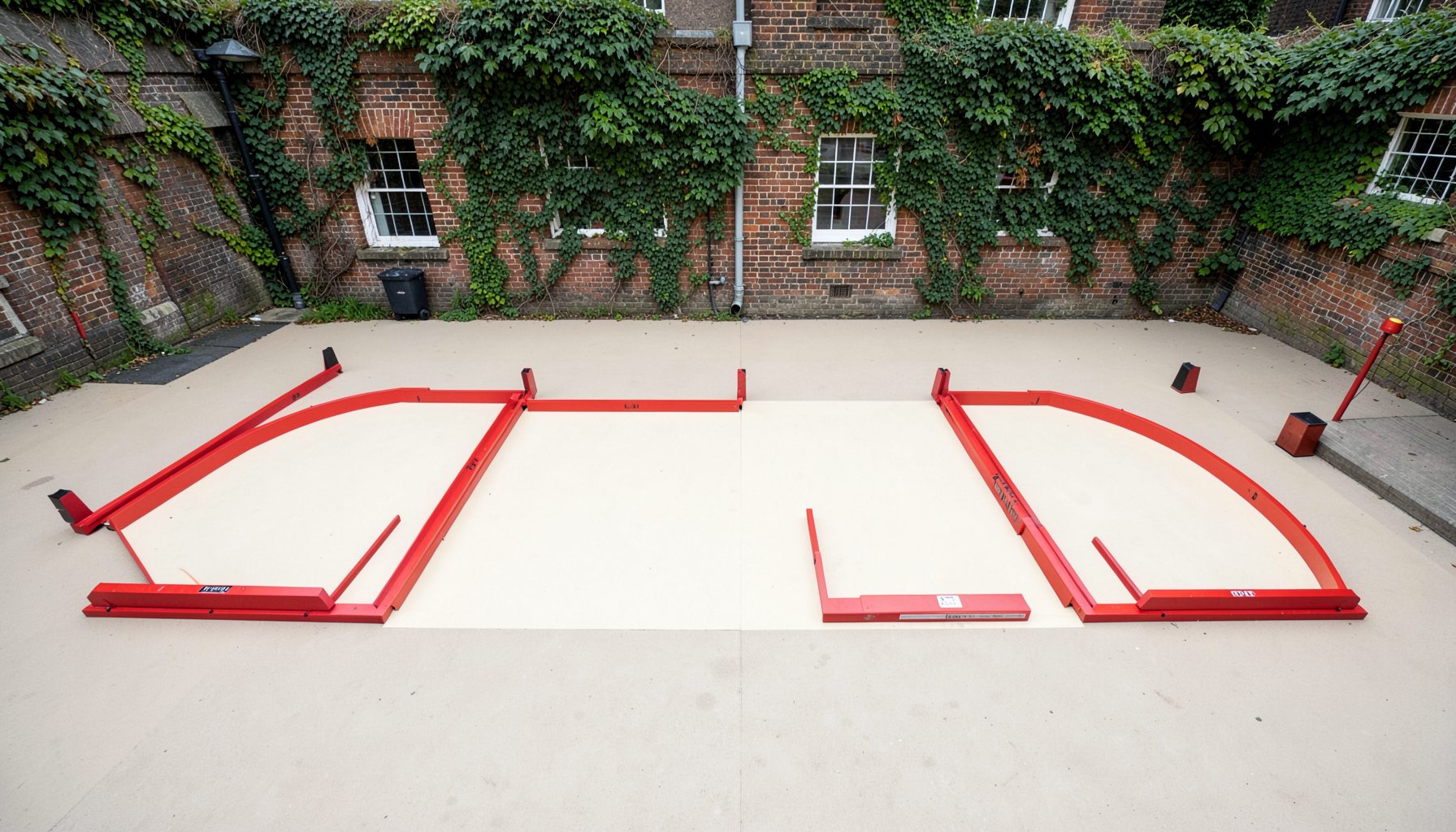
Shoes deserve particular attention because footwork is central to Rugby Fives. Use court shoes with a clean, suitable non-marking sole where required by the venue. Wearing them outdoors on dusty paths or rough pavement can grind down the tread and transfer grit onto the playing surface.
Alternate between two pairs when the budget allows. This gives foam and lining time to recover and makes it easier to keep one pair dry. After a wet session, remove the insoles and loosen the laces so air can circulate. Newspaper can absorb some moisture, but replace it regularly and avoid forcing shoes to dry with a hairdryer.
Before travelling to a tournament, test footwear in a normal training session. Check for heel movement, pressure points and slipping during lateral steps. A new pair should be gradually worn in rather than taken straight into a full day of competition.
Prepare equipment for schools and clubs
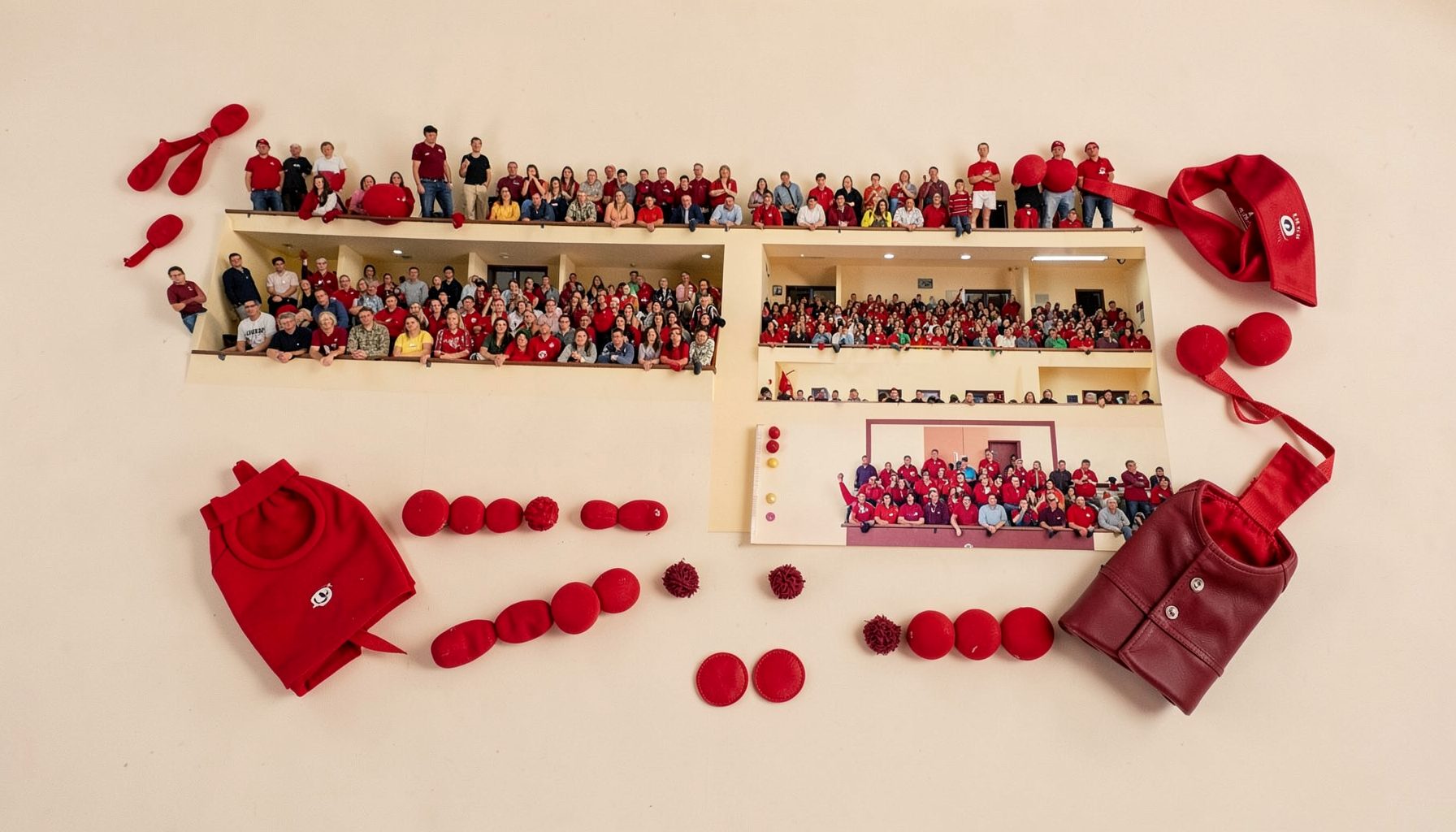
Clubs and schools need a shared system because equipment passes through many hands. Mark balls, gloves and bags with an asset number or club name, then keep a basic register recording condition, purchase date and the person responsible for each item. This reduces losses and makes replacement planning more predictable.
A monthly equipment check is useful during busy seasons. Coaches or volunteers can confirm that balls remain serviceable, first-aid supplies are available, cleaning cloths are fresh and spare laces or socks have not run out. For junior programs, keep different sizes or types of equipment clearly separated and explain the correct storage routine to players.
Tournament organisers can include an equipment check alongside fixture administration. Reviewing previous winners and event history through the association’s championship records can help clubs plan for recurring competition dates, travel requirements and the volume of gear needed for representative squads.
Replace items before performance drops
Maintenance cannot restore equipment that has reached the end of its useful life. Replace a ball when it no longer holds its shape or its covering has become unreliable. Shoes should be retired when the sole is smooth, cushioning has collapsed or the upper no longer holds the foot securely.
Protective equipment should be replaced after visible cracking, permanent distortion or a failed fastening. If an item has been involved in a significant impact, follow the relevant manufacturer guidance even when damage is not immediately obvious. Comfort and appearance are secondary to secure fit and dependable performance.
Keep a small replacement budget across the season rather than waiting for a major tournament. Australian clubs may need to allow for shipping times, limited local stock and higher demand around school terms or championship periods. Ordering common sizes and consumables early helps avoid rushed purchases that do not suit the player or venue.
Give every player a short equipment checklist before training and fixtures: clean ball, suitable shoes, dry hand protection, water, spare clothing and a ventilated bag. Coaches, clubs and schools can reinforce the habit by making pack-down part of each session. Contact the Rugby Fives Association to connect with the wider playing community, support local activity and help keep the sport well equipped for its next generation.