



How to Manage a Rugby Fives Tournament Fixture List
A Rugby Fives fixture list is more than a sequence of match times and pitch numbers. It is the central record connecting teams, officials, volunteers, venues and tournament administration. A clear schedule reduces confusion, protects playing time and gives captains the information they need to arrive prepared.
Organisers should build the list around confirmed entries, documented playing rules and reliable venue information. It must also allow for common Australian realities, including split state calendars, school holidays, extreme heat, volunteer availability and matches spread across different time zones. The aim is a workable tournament schedule that remains understandable when conditions change.
Start with the competition brief
Begin by defining the tournament format in a brief that every committee member can access. Record the number of teams, age groups, divisions, pool sizes, knockout stages, match duration, scoring system and tie-breaking rules. Include deadlines for registration, team lists and pitch availability. This prevents assumptions entering the schedule later.
Create one master sheet containing every confirmed team, its division and the contact details for its captain. Give each side a unique code rather than relying only on club names, which can be similar. Add a separate availability column, then record unavailable dates, preferred time slots and any accessibility requirements. The finished brief becomes the source for every subsequent scheduling decision.
The Rugby Fives Association provides a useful reference for the sport’s competition, coaching, school and community programmes. Its rules and historical records can help organisers adopt consistent terminology, while the operational schedule should still reflect local conditions in Australia.
Design a fair and workable draw
Pools should offer each team a sensible balance of opposition and likely difficulty. Avoid placing two teams from the same club in every early pool, as that can distort results and shorten meaningful knockout play. Use seeding where appropriate, but publish the method so teams understand why their opponents have been selected.
Australian tournaments operate within a varied fixture environment. State associations, independent schools and community clubs often maintain separate calendars, while major events in Sydney, Melbourne, Brisbane and Perth may attract teams from several regions. Check national, state and local public holidays before locking the draw, especially when school competitions run during the same period.
Allow enough recovery time between matches, particularly for youth divisions. Build around 30 to 45 minutes for a changeover, warm-up and basic medical checks. Hot weather can make a rigid schedule unsafe, so leave time for shortened matches or additional breaks without forcing every pitch to stop at once. Record the decision-maker and required approval for each possible change.
Coordinate venues, people and match timing
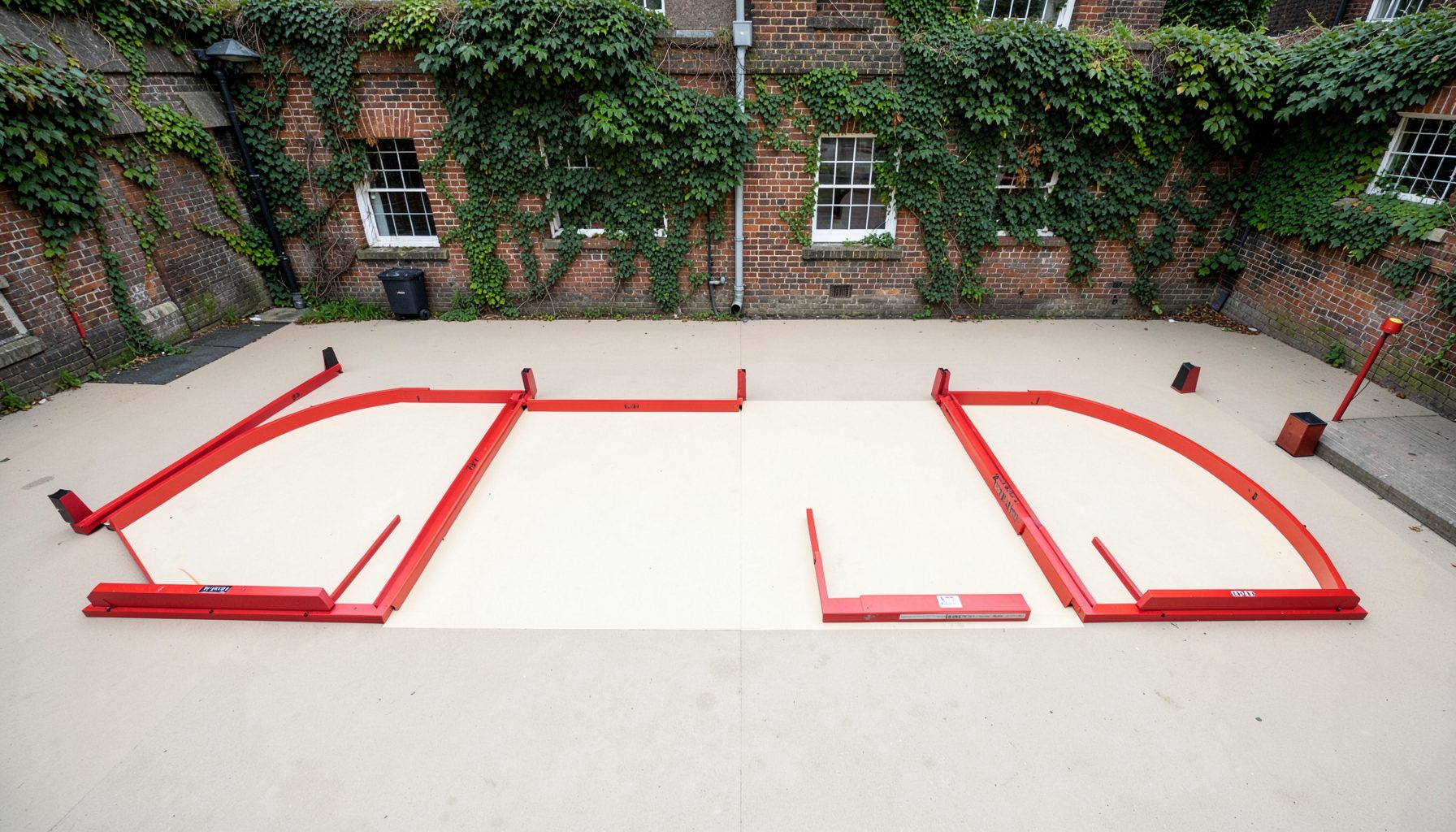
Assign each match a specific venue, pitch and start time. “Rugby Fives pitches” are not enough when a venue has several fields, shared access or changing surface conditions. Include arrival instructions, the team marshal’s contact, emergency contacts and the nearest first-aid point. At larger tournaments, colour-coded pitch signs and a central check-in area help spectators as well as players.
Account for the people who make the event function. Match officials, scorekeepers, volunteers and caterers may be shared across multiple pitches, so their capacity must match the number of simultaneous fixtures. Community rugby clubs often operate on volunteer rosters, and Saturday arvo clashes with Australian rules, rugby league or football finals can leave key roles uncovered.
Time-zone differences need particular attention. Perth can be two or three hours behind eastern Australia, depending on daylight saving, which affects team briefings and live score reporting. State every published time with its time zone. If officials or coaches are travelling interstate, include both the local start time and the corresponding home-state time in the team instructions.
Publish the schedule and control changes
Issue the first complete schedule as soon as venues and officials are confirmed. Include the competition format, pitch allocation, team codes, match times, reporting arrangements and the latest standings page. Give captains a clear channel for reporting a conflict, while reminding them that availability should have been supplied before publication.
Keep an auditable change log. Record who approved an alteration, when it was made and which teams or officials were notified. Never overwrite an earlier schedule without preserving its version. When a postponement occurs, update the match, its new slot, affected pool positions and any knock-on implications for the bracket in one operation.
Results should enter the standings through the same controlled process used for the draw. Verify scores, record abandoned or walkover matches correctly and apply the published tie-breakers consistently. For a recurring competition, archive the final results and retain the version history; historical data makes future seeding more accurate and helps identify scheduling patterns across venues.
Compare scheduling methods and finalise the tournament
The comparison below separates the main scheduling methods by tournament size and administrative capacity. Choose the method that your volunteers can operate confidently rather than the one with the most features.
| Scheduling method | Best suited to | Main benefits | Main limitation |
|---|---|---|---|
| Shared spreadsheet | Club and school events | Familiar, flexible and quick to edit | Version conflicts and limited live updates |
| Online tournament platform | Multi-division tournaments | Brackets, score reporting and automatic standings | Setup cost and user training |
| Database-backed system | Large or recurring events | Detailed reporting and historical records | Greater administration and technical setup |
Whichever method you select, test it with the real number of teams and venues before publishing. Run one sample pool, apply the tie-breakers and simulate a postponed match. Check that captains can access the schedule, officials can submit results and volunteers can identify their assignments without contacting the tournament office.
Finalise the competition by confirming team entries, pitch slots, officials, match lengths, reporting deadlines and weather procedures. Circulate a concise captain’s guide, display the latest schedule at each venue and keep a printed emergency copy with the tournament director. Use this workflow for your next event: download the schedule template, confirm every venue slot, brief the captains and publish the final fixture list before the first whistle.