



How to Organise a Charity Rugby Fives Marathon Event
A charity Rugby Fives marathon can turn a demanding sporting challenge into a memorable day of competition, community, and fundraising. Players may compete continuously in timed matches, rotate through a packed fixture schedule, or complete a personal distance-style challenge based on rallies, games, or hours on court.
The strongest events combine a clear charitable purpose with sound sports administration. Participants need to understand the format, the fundraising target, the safety arrangements, and the level of commitment expected before they arrive. A well-organised event also gives schools, clubs, coaches, families, and first-time players a meaningful way to support Rugby Fives.
Begin planning several months ahead. Involve the Rugby Fives Association, the host venue, qualified coaches, first-aid providers, and charity representatives early. Their experience can help you choose an achievable format, protect participants, and make the day welcoming for different ages and abilities.
Choose A Clear Purpose And Format
Start by deciding what the event will support. You might raise funds for youth coaching, school outreach, inclusive participation, equipment, club development, or a named charitable partner. A specific purpose gives the campaign a stronger identity and helps participants explain the event to friends, colleagues, and potential sponsors.
Set a fundraising target that relates to realistic income sources. These may include entry fees, individual sponsorship, business support, donations on the day, refreshments, and a silent auction. Keep sporting participation separate from optional fundraising so that people can take part without feeling excluded by their personal financial circumstances.
The word “marathon” can describe several formats. A continuous 12-hour relay creates a festival atmosphere, while a six-hour challenge may suit a school or smaller club. You could also run a 24-hour doubles rotation, a rally-count challenge, or a series of short matches in which every team contributes to a shared total. Choose a structure that matches your court capacity and volunteer base.
Build The Budget And Fundraising Model
List every likely cost before setting the entry price. Venue hire, court maintenance, lighting, first aid, insurance, trophies, refreshments, publicity, payment processing, and cleaning can all affect the final donation. Ask suppliers whether they can provide goods or services in kind, particularly water, fruit, printing, photography, or prizes.
Use a simple income-and-expense forecast with conservative assumptions. If the event has four courts, calculate the maximum number of playing places, then estimate a sensible occupancy rate rather than assuming every space will sell. A reserve fund of around 10% can help cover unexpected transport, equipment, or staffing expenses.
Make fundraising straightforward. Provide a dedicated online donation page, a printable sponsorship form, and clear instructions for Gift Aid where applicable. Explain how donations will be handled, when the final total will be published, and which percentage will reach the chosen cause. Transparent administration builds trust with players, families, and business sponsors.
Business supporters may prefer practical sponsorship packages. A local company could fund a court, provide player meals, sponsor junior places, or match donations up to a fixed amount. Recognise support through signage, announcements, social media, and the event programme without allowing commercial activity to distract from the charity’s purpose.
Secure The Venue And Protect Participants
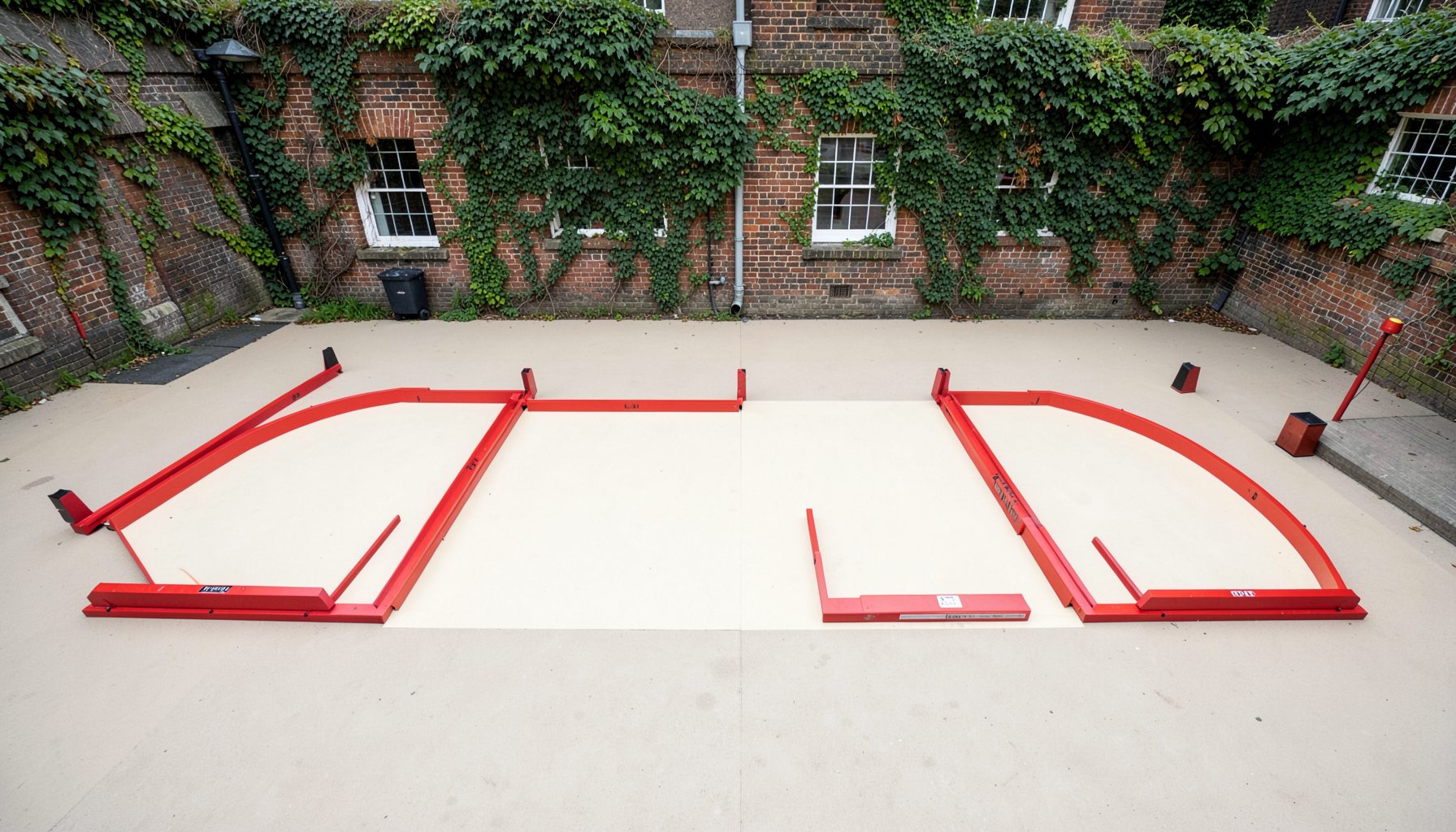
Rugby Fives requires a suitable court layout, reliable lighting, safe flooring, changing facilities, toilets, drinking water, and enough space for spectators and rest areas. Check whether the venue permits fundraising, food sales, photography, amplified announcements, and late-night activity. Confirm access arrangements for deliveries, emergency services, and participants with mobility needs.
Prepare a written risk assessment covering slips, collisions, fatigue, dehydration, hand injuries, damaged equipment, crowd movement, and travel after late finishes. A long playing session should include mandatory breaks and clear rules for stopping play. Players must be able to withdraw without penalty if they feel unwell or injured.
Arrange qualified first-aid cover for the full playing period, with an accident reporting process and emergency contact details. Safeguarding procedures are essential when children or vulnerable adults attend. Use appropriate supervision ratios, consent forms, photography permissions, and a designated safeguarding lead. The Rugby Fives Association can help connect organisers with clubs, coaches, and established good practice.
Design A Fair And Manageable Schedule
A marathon event succeeds when the schedule feels energetic rather than exhausting. Use short matches, rolling substitutions, and regular court rotations. Give every player a defined arrival time, playing block, rest period, and finish time. If the event runs overnight, limit continuous play and create quiet recovery areas.
Consider separating competitive and social strands. Experienced players may enjoy timed doubles with rankings or a final playoff, while new participants may prefer coached games and relaxed rotation. Keep rules brief and visible, and appoint a referee or court marshal to handle disputes, track scores, and keep matches moving.
| Event element | Practical choice | Benefit |
|---|---|---|
| Match length | 10–15 minute timed games | Keeps the schedule moving and limits fatigue |
| Team format | Rotating doubles with substitutes | Allows more participants to share court time |
| Player blocks | 45–60 minutes followed by rest | Supports endurance and safer participation |
| Scoring | Aggregate games, rallies, or completed matches | Creates a shared challenge beyond winning |
| Court management | One marshal per court or court group | Reduces delays and clarifies decisions |
| Recovery | Water, food, seating, and quiet space | Helps players remain well throughout the event |
| Final session | Exhibition, junior showcase, or charity playoff | Gives the day a memorable closing moment |
Publish the schedule at least a week before the event and provide a printed version at registration. Include court numbers, captain contacts, rules, meal breaks, first-aid information, and the process for reporting a problem. A visible central clock and regular announcements will help participants understand the pace of the day.
Recruit Coaches, Officials And Volunteers
Create a staffing plan rather than relying on informal goodwill. Useful roles include event director, registration lead, court marshals, referees, safeguarding lead, first-aid team, photographer, fundraising coordinator, refreshments team, and end-of-event clean-up crew. Give each volunteer a written brief with responsibilities, contact details, and escalation procedures.
Qualified coaches can run warm-ups, explain the rules to newcomers, and offer short technical sessions between playing blocks. This is especially valuable for school groups and community participants who may know little about Rugby Fives. Keep coaching practical, with attention to movement, safe striking technique, court awareness, and sportsmanship.
Prepare Every Moving Part
Use a checklist during the final planning meeting:
- Confirm court bookings, access times, lighting, equipment, and cleaning arrangements.
- Collect emergency contacts, medical information, consent forms, and photography permissions.
- Brief volunteers on safeguarding, first aid, court rotation, scoring, and incident reporting.
- Prepare signs for registration, changing rooms, toilets, courts, refreshments, donations, and quiet areas.
- Test the online payment system, donation page, public address equipment, clocks, and backup scoring sheets.
Include volunteers in a short briefing before participants arrive. Walk through the venue, identify emergency exits, demonstrate the scoring process, and agree on who can pause or cancel play. A calm, visible leadership team makes it easier to respond to weather, injuries, delays, or changes in attendance.
Promote The Challenge And Share Its Impact
Give the event a name, date, venue, charitable purpose, and simple explanation of the challenge. Use photographs of Rugby Fives activity, short player stories, and progress updates to build interest. Clubs and schools can promote the event through newsletters, fixtures, noticeboards, and social media, while local newspapers and radio may welcome a community sports story.
Open registration with several participation options. Offer full marathon places, shorter shifts, junior entries, social sessions, spectator access, and volunteer roles. This broadens participation and prevents the event from becoming suitable only for highly experienced players. State the expected fitness level, equipment requirements, clothing guidance, and food arrangements clearly.
On the day, make fundraising visible but respectful. Display the running total, thank sponsors during announcements, and provide a donation point that accepts cashless payments. Avoid pressuring players to donate beyond their entry or sponsorship commitments. The sporting experience should remain welcoming and inclusive.
Afterwards, publish the results, photographs where permission has been granted, volunteer acknowledgements, and the final amount raised. Send a short report to participants and supporters explaining what their money will help deliver. Record attendance, court usage, injuries, income, expenses, and feedback so the next Rugby Fives fundraiser can be planned with stronger evidence.
Bring the event together around a shared sense of achievement. Whether players complete a full day, support a junior session, referee a match, or make a donation, each contribution should be recognised. Work with the Rugby Fives Association to connect the event’s momentum with future coaching, competitions, school programmes, and community activity.
Set a date, appoint a lead organiser, and contact your local Rugby Fives network to begin the planning process. With a clear purpose, safe schedule, committed volunteers, and an accessible fundraising model, your marathon can raise valuable funds while introducing more people to the distinctive character of Rugby Fives.