



A practical guide to a Rugby Fives club friendly
An inter-club Rugby Fives friendly is a straightforward way to give players meaningful match practice, welcome newcomers and strengthen relationships between clubs. It can be a relaxed Saturday fixture, a school-holiday gathering or a small tournament with enough structure to keep the day moving.
The best events balance competition with hospitality. Players should know what to expect, organisers should have a clear timetable, and every visitor should leave with a positive impression of the host club. A friendly does not need an elaborate budget or a large committee, but it does need early communication and sensible preparation.
For Australian clubs, distance and venue access may shape the plan. A Sydney club inviting players from Canberra, Melbourne or regional New South Wales may need to consider flights, long drives and court availability months ahead. A well-organised event can work around those realities by offering flexible formats, shared transport and a schedule that makes the most of limited court time.
Set the purpose and scale
Start by deciding what the friendly is meant to achieve. It might introduce new players to match conditions, prepare a squad for a championship, create a regular club exchange or simply give local players a social day on court. This decision will influence the number of courts, the standard of play and the amount of administration required.
A small event with 12 to 20 players can be managed by one coordinator and a few volunteers. Larger gatherings need someone responsible for entries, someone monitoring court rotations and a person handling food, first aid and results. Agree on whether the focus is singles, doubles or a mixture, and make clear that the day is friendly even when the matches are competitive.
The Rugby Fives Association can provide useful context on the sport, competitions, clubs and established practices. Checking recognised rules and terminology before inviting another club helps avoid confusion, especially when players have different levels of experience.
Find a club partner and suitable date
Contact a nearby club, school, university or community programme with a simple proposal. Include the preferred dates, likely player numbers, playing standard, venue options and whether the day will involve doubles, singles or both. Give the other organiser a realistic response deadline so that court bookings and travel arrangements do not drift.
Calendar planning matters in Australia. Avoid clashes with major school sport periods, state championship weekends and long weekends when families often travel. In Melbourne, winter weather may affect transport and attendance, while extreme summer heat can make an early morning or evening session more comfortable. If the event involves players travelling from Brisbane, Sydney or Adelaide, allow time for delayed flights and different local routines.
Aim for a date at least six to eight weeks away. This gives clubs time to select players, arrange insurance questions, book accommodation where necessary and identify volunteers. A recurring annual or quarterly fixture becomes easier to organise because both clubs can reserve a familiar period in their calendars.
Lock in the court and equipment
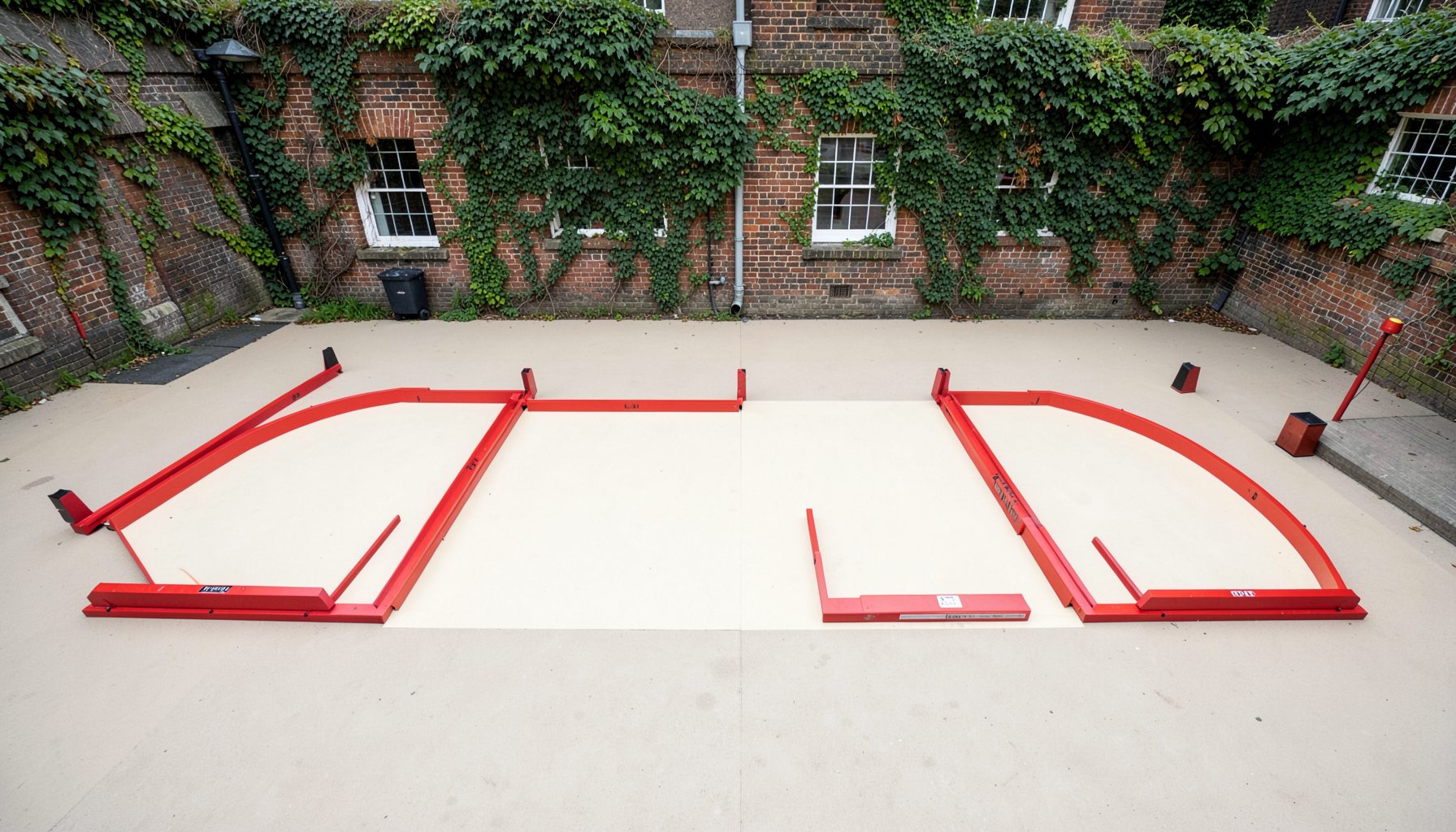
A Rugby Fives venue should have safe, well-maintained walls and floor surfaces, adequate lighting, clear access and enough space for players to wait without obstructing the court entrance. Confirm whether the facility permits the use of the correct ball and footwear, and ask about opening hours, cleaning arrangements and emergency contacts.
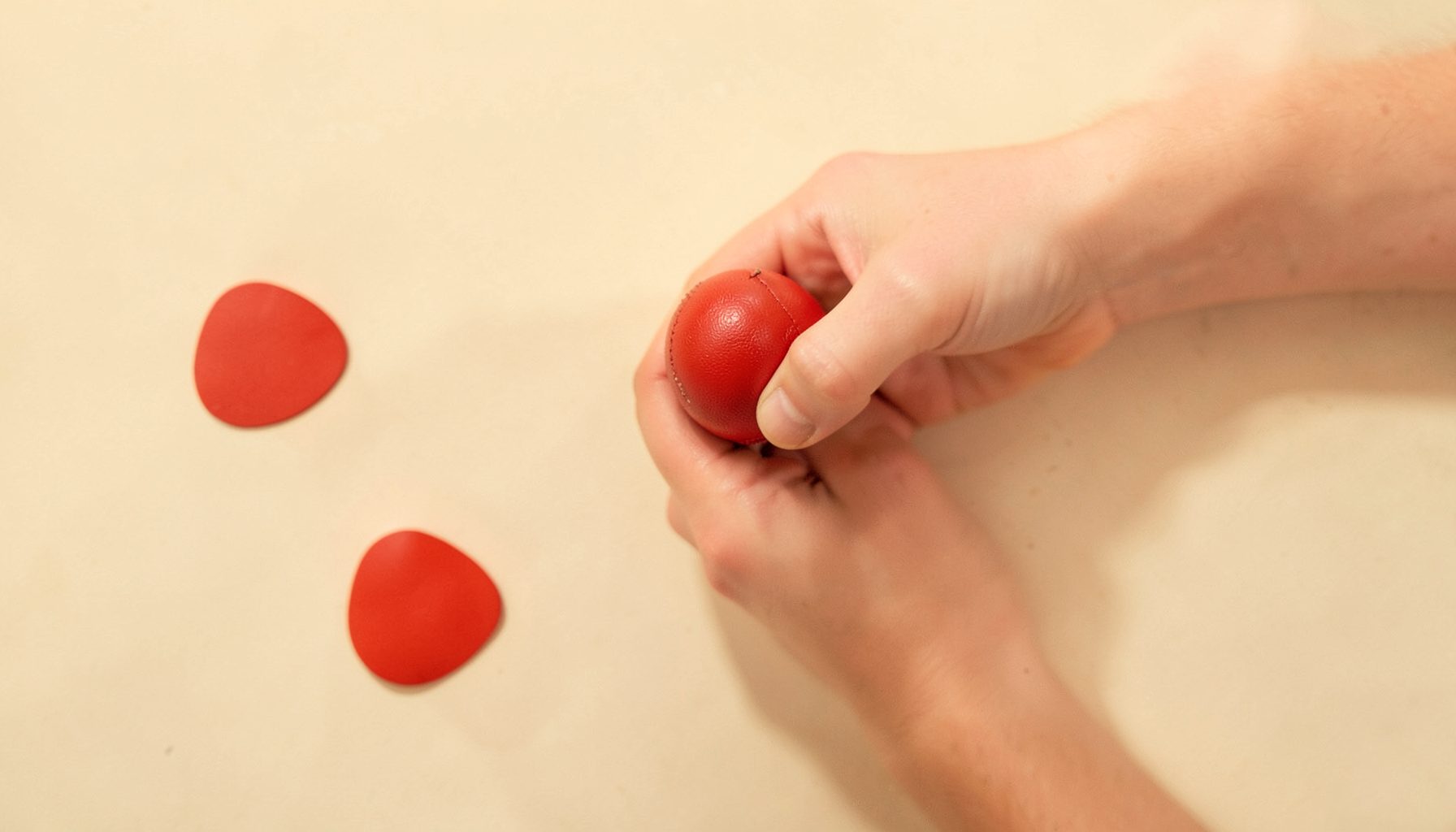
Equipment is usually modest, but small omissions can disrupt a fixture. Prepare match balls, score sheets, pens, a visible timetable, drinking water, spare towels and basic first-aid supplies. If players use gloves or other personal equipment, tell visitors what is available locally and what they should bring themselves. Australian clubs may need to order specialist items early because the local market can be smaller than that of the United Kingdom.
Check the venue’s public liability arrangements and cancellation terms in writing. If a school or university hosts the event, follow its visitor sign-in process and any restrictions on food, photography or access to other facilities. A written booking confirmation is valuable when several volunteers are sharing responsibilities.
Build a fair match format
A friendly works best when the format is simple enough to explain in a few minutes. You could schedule round-robin singles, timed doubles matches or a combination in which experienced players partner with less experienced participants. Timed games help when court space is limited, while traditional scoring can suit a smaller group that wants a more formal fixture.
Use the following planning guide as a starting point rather than a rigid rule. Adjust the schedule after confirming the number of courts, player standards and travel needs.
| Event size | Suggested format | Court time | Officials and support |
|---|---|---|---|
| 8–12 players | Singles or rotating doubles | 2–3 hours | One coordinator and a scorer |
| 16–24 players | Pool matches followed by finals | 3–4 hours | Two organisers and a first-aid contact |
| 25–40 players | Multiple pools, timed matches | 4–6 hours | Draw manager, court marshal and volunteers |
| Mixed experience group | Short games and graded divisions | 3–5 hours | Welcome lead and experienced players |
Send the draw, rules summary and arrival instructions several days before the event. State whether players should arrive in playing gear, how long warm-up will last and whether matches will start on time. If a player withdraws, the organiser can then revise the draw before people reach the venue.
Manage safety and inclusive participation
Ask each participant to disclose relevant injuries, medical needs or access requirements privately before the day. Warm-up time should be protected, and players should be encouraged to stop if they feel unwell. Courts need to be checked for moisture, loose surfaces, damaged walls and objects that could cause a fall.
In Australia, child-safety obligations vary between states and territories. If juniors are involved, confirm the host organisation’s supervision policy and check whether coaches or volunteers need a Working with Children Check in that jurisdiction. Keep children’s changing, waiting and transport arrangements clear, and obtain the necessary parental permissions before taking photographs or publishing results.
Inclusive planning can be practical rather than complicated. Offer graded matches, explain unfamiliar rules without embarrassment and pair newer players with supportive partners. Consider heat, hydration and sun exposure when people are travelling to and from an outdoor facility, even though the court itself may be enclosed. Provide water breaks and avoid scheduling the most demanding matches during the hottest part of the day.
Run the day with clear roles
Nominate a host, court marshal, results recorder and welfare or first-aid contact before players arrive. The host welcomes visitors, explains the schedule and introduces the clubs. The court marshal keeps matches moving, while the recorder updates results and alerts players when their court is ready.
Display a short briefing covering court etiquette, scoring, warm-up limits, safe movement and what to do if a ball or wall presents a problem. Keep spare time in the schedule because matches rarely run perfectly to plan. A 10-minute buffer after every few rounds is often more useful than filling every minute.
Food can be as simple as fruit, sandwiches and cold drinks, with clear labels for common allergens. Many Australian participants will appreciate an early start followed by a casual café lunch, particularly in Sydney or Melbourne where public transport and weekend parking can affect arrival times. If the venue is remote, advise players to bring supplies rather than assuming a shop will be open nearby.
Record results and build the next fixture
Record scores promptly, even for a social match. Results help settle the draw, identify close contests and create a useful history for the clubs. With permission, publish a short report naming clubs and notable achievements without turning a friendly into a formal ranking event.
Ask both organisers for brief feedback while details are fresh. Note what worked with court allocation, travel timing, refreshments and player communication. Save the draw, contact list, venue notes and equipment checklist in one shared folder so that the next fixture starts with reliable information instead of guesswork.
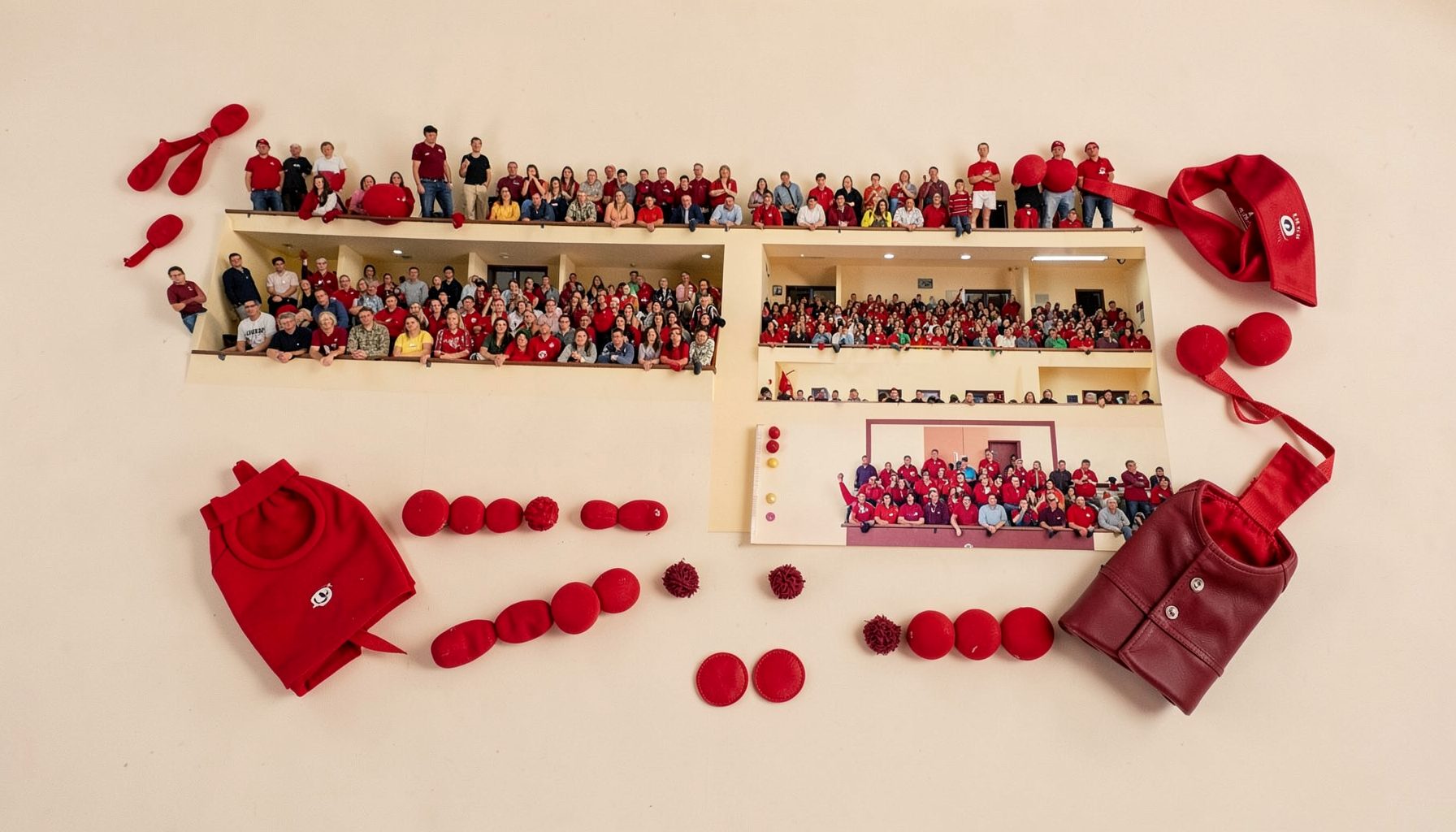
Finish with a simple social moment: shared refreshments, a group photograph where consent has been obtained, or an invitation to attend the return fixture. The strongest club exchanges grow from regular contact, so agree on a likely window for the next visit before everyone leaves.
Turn a single fixture into a club connection
A well-run friendly can become a pathway into regular training, junior participation, coaching exchanges and broader Rugby Fives development. Invite interested players to attend a club session, share future competition dates and keep communication open with the visiting organiser.
Choose a date, appoint one coordinator and send a practical invitation this week. With a confirmed court, a fair draw and a welcoming group of volunteers, your club can create an enjoyable fixture that strengthens the sport across Australia.