



Plan A Successful Rugby Fives Club Away Day
A Rugby Fives club away day gives players a chance to compete, train and socialise beyond their regular court. With a little planning, it can bring together experienced competitors, newer members, juniors, coaches and volunteers without becoming an exhausting exercise in transport and administration.
For an Australian club, the best plan balances the realities of long distances, school-term calendars, variable weather and venue availability. Whether the trip runs between Sydney and Canberra, Melbourne and regional Victoria, or across a smaller local area, a clear purpose and a realistic timetable will make the day enjoyable from the first rally to the final meal.
Set The Purpose And Date
Begin by deciding what the day should achieve. A friendly inter-club fixture may need only a block of court time, while a development day could include coaching, movement drills, match analysis and an introduction to competition rules. A social tour might give equal weight to doubles games, a shared lunch and time for members to meet players from another club.
Choose a date that works for the host club, the venue and the likely travelling group. Australian school holidays, public holidays and major sporting weekends can affect availability and accommodation prices. Check state school-term calendars early, especially when juniors or teachers are involved, and allow extra time for travel between cities.
Ask for early expressions of interest rather than relying on informal messages. Record each person’s playing level, preferred format, transport needs, dietary requirements and emergency contact. This quickly reveals whether the group needs one court or several, a minibus or private cars, and a relaxed draw or a carefully balanced competition.
Find A Suitable Venue
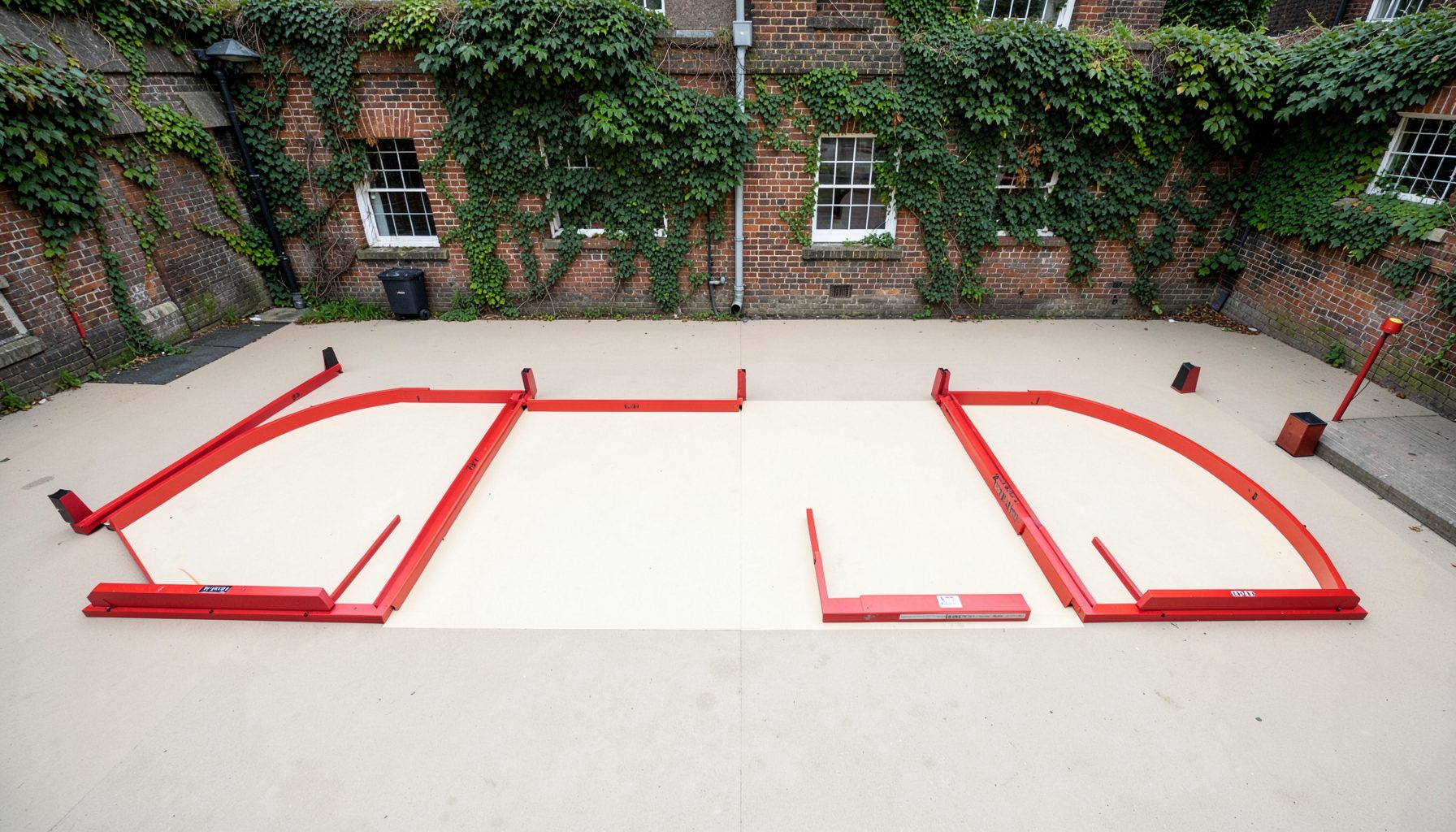
A proper Rugby Fives court is the foundation of the day. Confirm the number of courts, wall condition, lighting, changing facilities, toilets, drinking water and access arrangements. Ask whether the venue supplies balls, allows outside coaching equipment and has a space where players can gather between matches.
Some Australian clubs may need to hire courts at a school, university or multi-sport centre. Compare the full cost rather than the advertised hourly rate: cleaning charges, bond payments, staff supervision, weekend surcharges and insurance requirements can change the final figure. A venue near a railway station or major bus route can also reduce the pressure on players who do not drive.
Check the surrounding area before committing. In Melbourne, a venue close to a tram or train line may be convenient, while a regional site may require car pooling and a larger parking area. In Sydney, traffic between suburbs can make a short distance surprisingly slow, so build in a practical arrival window instead of assuming that map distance equals travel time.
Build A Realistic Budget
Prepare a simple budget covering court hire, coaching, transport, refreshments, prizes, first-aid supplies and administration. Divide shared costs by confirmed participants, then set a payment deadline. A small contingency amount can cover extra court time, a replacement ball supply or an unexpected taxi when a connection is missed.
Consider the local market when estimating food and transport. Café prices and event catering can be high in central Sydney and Melbourne, while a supermarket breakfast and packed lunch may keep costs manageable for a regional trip. Buying fruit, wraps and water in advance is often more economical than asking players to purchase every item at a venue.
Make the payment process clear and accessible. Offer bank transfer or a recognised online payment option, and state what happens if someone withdraws after bookings have been made. If the club is a charity or incorporated association, keep receipts and a short record of approvals so the treasurer can reconcile the event properly.
Create The Playing Format
A good away-day schedule gives players enough court time without turning every match into a rushed exercise. For a mixed group, use a short round-robin, rotating partners or graded pools before a small finals session. This allows newer players to learn from stronger opponents while keeping experienced members engaged.
Send the format, scoring system and expected standards before the event. Explain whether matches will use timed games, a points target or a fixed number of rallies, and name someone responsible for calling games and updating results. A visible draw on a whiteboard or shared phone document prevents confusion when courts become available at different times.
Include a coaching block if the purpose is development. Focus on a few useful themes, such as court positioning, serving choices, returning the side wall and communicating in doubles. Keep the technical session active, then follow it with match play so participants can apply the ideas immediately.
Plan Safety And Player Welfare
Ask the host venue about its emergency procedures, first-aid kit and incident reporting process. Nominate a first-aid contact for the day and keep medical information confidential but accessible when necessary. Players should know where to find water, toilets, exits and the person responsible for safety.
Heat is a serious consideration in many parts of Australia, particularly during summer tournaments or travel through inland areas. Schedule demanding matches earlier where possible, provide regular drink breaks and avoid treating fatigue as a sign of commitment. A shaded rest area, sunscreen and spare water can make a substantial difference, even when the courts themselves are indoors.
If children are attending, follow the relevant state or territory child-safety requirements. Depending on the location and duties involved, coaches and volunteers may need a Working With Children Check, such as a WWCC in New South Wales or a Working with Children Check in Victoria. Obtain parent or guardian consent, establish supervision arrangements and avoid leaving a junior player dependent on an unapproved adult.
Organise Travel, Food And Communication
Appoint one travel coordinator and one venue coordinator. The travel coordinator can group players by suburb, organise lifts and monitor arrival times, while the venue coordinator handles keys, court access, equipment and the match schedule. This division stops every decision from falling to the club secretary.
Send one information sheet several days before departure. Include the meeting point, public transport details, parking instructions, court address, clothing requirements, meal arrangements, emergency contact and estimated finish time. For longer journeys, allow a buffer for roadworks, service delays and rest stops rather than planning an arrival immediately before the first match.
Food should suit the length and intensity of the day. Provide water and simple snacks courtside, then arrange a proper meal away from active play. Collect allergies and dietary needs in advance, and avoid making participation depend on buying food at a particular café. If the group plans to visit a licensed venue afterwards, check its rules and make sure juniors have an appropriate alternative.
Record The Day And Build On It
Assign someone to record results, attendance and notable performances. The information can support club rankings, future team selection and a useful history of the tour. Photographs can add energy to club communications, but obtain permission before publishing identifiable images, particularly those involving children.
A short report can preserve more than the final score. Note the venue, participating clubs, format, standout moments and any lessons about travel or scheduling. Clubs can compare their experience with earlier competitions by reviewing the Association’s archived news reports, which may also provide ideas for presenting results and celebrating participants.
Within a few days, thank the host, coach, drivers, officials and volunteers. Ask participants to share practical feedback on court time, travel, food and the balance between competition and social activity. Keep the useful details in a club file, including the venue contact, final budget and preferred format, so the next away day starts with proven information rather than guesswork.
Choose a date, appoint two coordinators and contact a suitable host venue this week. Once the court booking and player list are secure, the remaining decisions become much easier. A well-run Rugby Fives away day can strengthen club relationships, give developing players valuable match experience and create a reliable tradition that members look forward to each season.