



Planning a Rugby Fives Coaching Weekend That Brings Players Together
Rugby Fives is one of those rare sporting pursuits where a single hard-walled court absorbs an entire weekend of drills, banter and competitive match play. Hosting juniors from a school in western Sydney, adults down the Hume from Melbourne, or a mixed group on a coastal court in Perth, a well-organised coaching weekend gives the sport real grassroots momentum. Done well, it turns newcomers into committed regulars and reminds existing players what clean hand technique, sharp footwork and tactical pairings feel like under pressure.
Before you book courts or draft flyers, treat the weekend as a small event rather than a casual hit-up. A clear purpose, a realistic budget and a handful of willing volunteers will carry you further than any polished brochure. What follows walks through the moving parts in the order you will face them, from goal-setting to capturing outcomes that support rankings, reporting and future funding.
Defining the Goals of Your Coaching Weekend
Every successful camp begins with a shared understanding of what success looks like. Are you growing the player base where Rugby Fives is still emerging, sharpening a competitive squad for the championships, or reigniting a dormant club court in Brisbane or Adelaide through social play? Write the primary objective on a single sheet, then list two or three measurable sub-goals beneath it, such as recruiting fifteen new beginners, signing up three new coaches, or collecting match data to update internal rankings.
Once the headline goal is settled, build the weekend around it. A junior-focused event should reserve the largest slice of court time for skill stations, light conditioning and short-format matches with softer balls. An adult performance camp tilts towards structured match play, video review and tactical breakdowns of singles and doubles rotations. Stating the goal out loud to your organising committee early on removes ambiguity later when difficult calls about scheduling arrive.
Choosing the Right Venue and Equipment
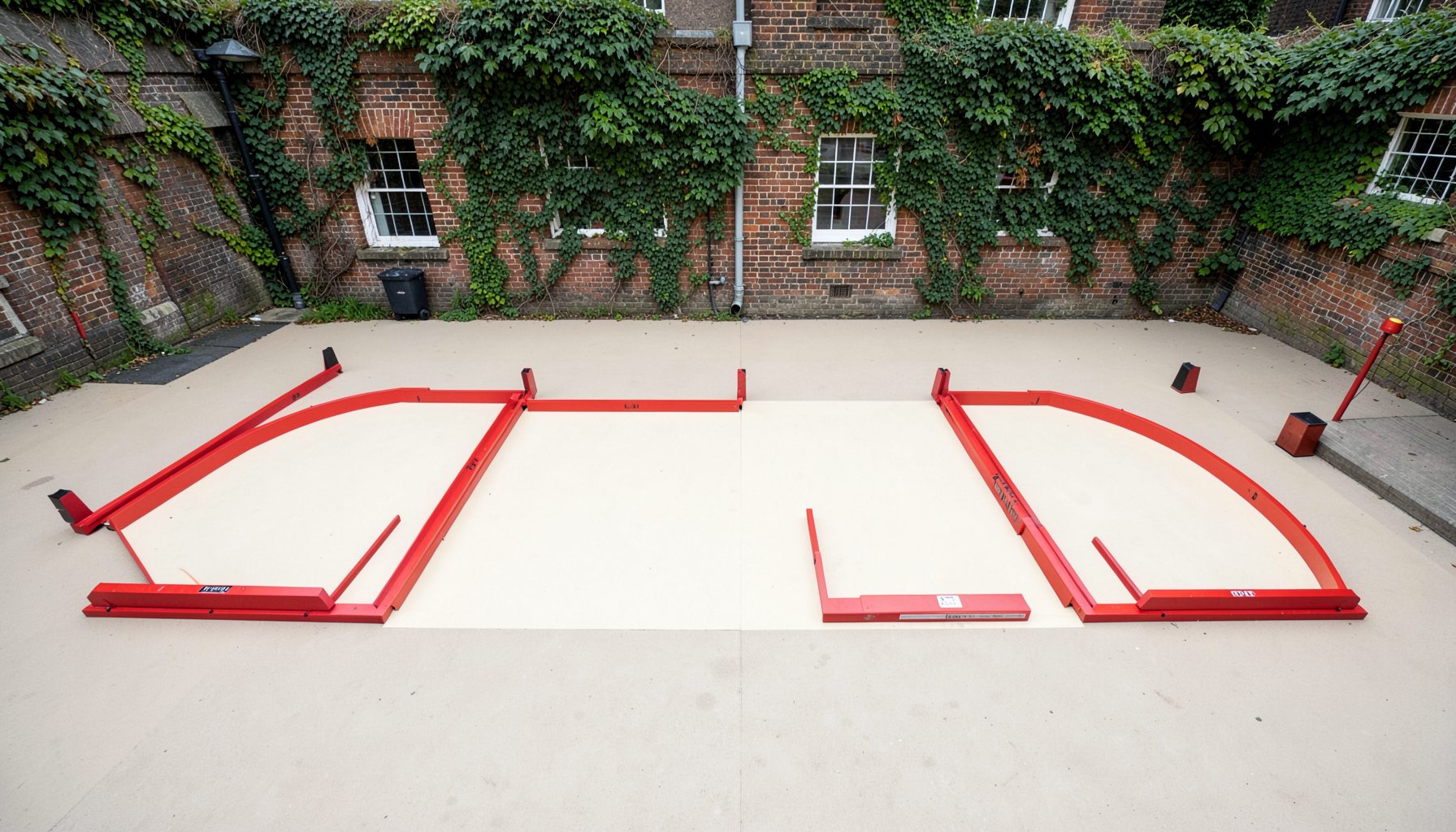
The court is the heart of Rugby Fives, and finding one is often the biggest logistical hurdle. Many regional venues in Australia host courts attached to older grammar or independent schools, and weekend hire is usually negotiated through the institution's sports coordinator rather than a booking portal. Parramatta is a very different proposition for players flying in from Hobart than inner Melbourne, where most attendees arrive by tram or regional rail. Build in a buffer for unexpected court faults, power outages or late-running school fixtures on an adjacent oval.
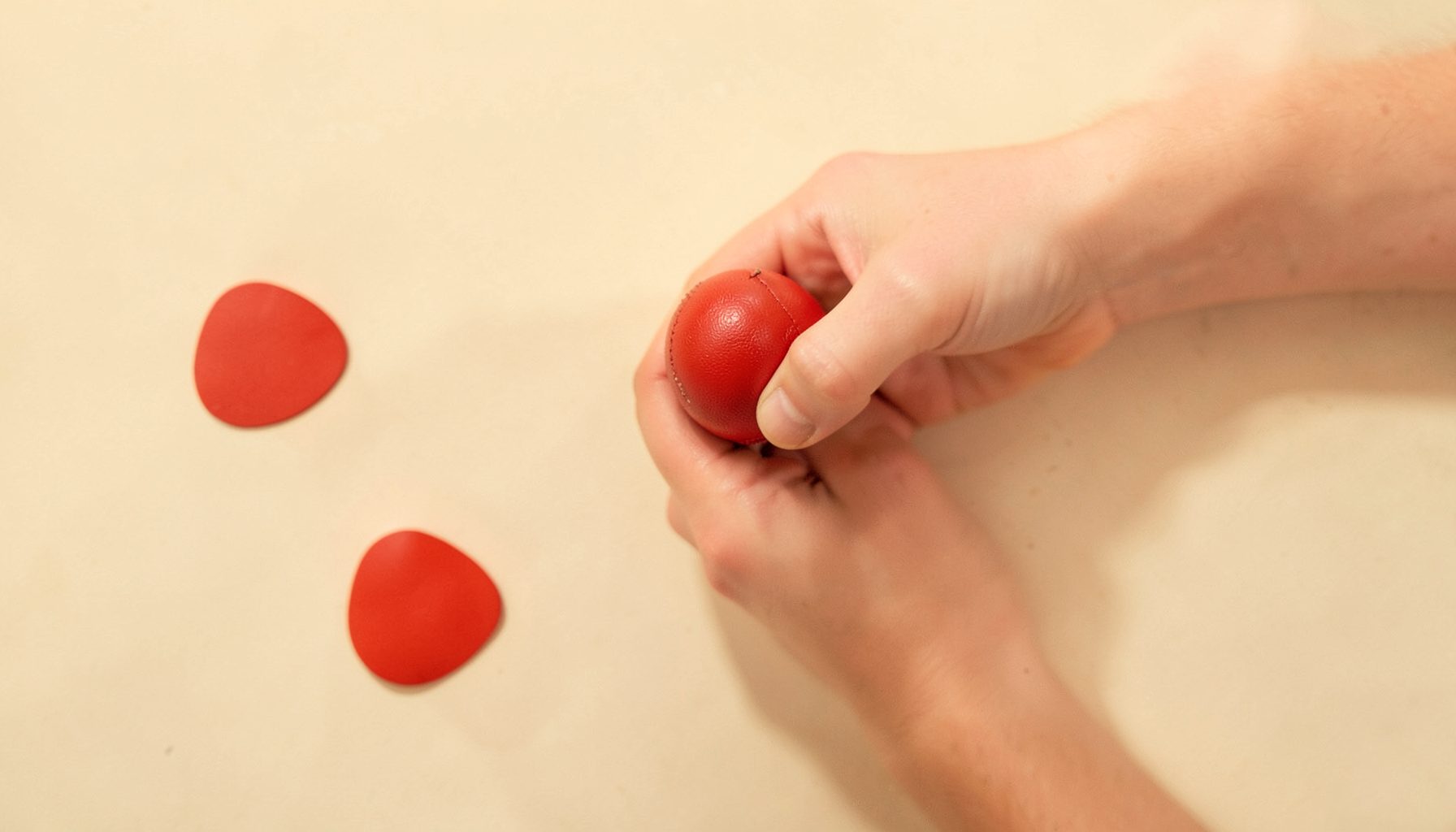
Equipment needs are modest but worth listing item by item. Four or five match-quality balls per court, softer introductory balls for beginners, marked cones, hand chalk, scorecards and a small first-aid kit cover almost every scenario. If your weekend doubles as a schools outreach event, pack printed resources explaining the rules and how teachers can embed Rugby Fives into PE rotations through the term. A reliable venue and a tidy kit list is what separates a polished weekend from one that frays by lunchtime Saturday.
Building a Coaching Team and Recruiting Volunteers
No Rugby Fives weekend survives on one overworked organiser. Reach out to experienced players six to eight weeks out, matching commitments to their strengths. A former national-level singles player suits advanced technique work, while a parent-volunteer can run registration, hydration stations and capture photographic moments for grant reports and club newsletters. In Australia, every adult working with under-eighteens needs a current state Working with Children Check, and several states now require additional child-safe training modules before volunteers can be alone with minors on court.
Pair lead coaches with assistants so drills never run unattended, and nominate a small welfare team to handle injuries, allergies and any safeguarding concerns. A clear chain of responsibility — who leads the warm-up, who holds the medical forms — keeps things calm if a player rolls an ankle or a parent needs reassurance. Volunteers also appreciate public recognition, so plan a brief thank-you moment at close of play rather than a hurried handshake at the carpark.
Structuring Drills, Match Play and Skill Stations
A balanced coaching weekend weaves together three layers: technique, decision-making and competitive play. Begin Saturday morning with quiet drills that warm the shoulder girdle and remind returning players of clean striking lines, then progress to high-volume catch-and-strike exercises that emphasise the short, controlled volley central to Rugby Fives hand technique. Skill stations work brilliantly for mixed-ability groups because beginners rehearse the same pattern repeatedly while experienced players rotate through conditioned games and tactical scenarios.
Reserve the second half of each day for match play. Keep scoreboards visible, rotate pairings every few games, and invite newer players to team up with seasoned campaigners so learning happens inside real rallies. Doubles rotations are a fertile teaching ground, where players must communicate, signal and adjust positioning in response to a partner's habits. If linking the camp to local fixtures, brief participants on how results feed broader rankings by referring them to the match results archive once fixtures are published.
Catering to All Ages and Abilities
Rugby Fives is genuinely inclusive, and a well-run coaching weekend should reflect that. Adaptive coaching modifications — a softer ball, reduced court depth for younger juniors, seated alternatives for returning players — often decide whether someone attends once or becomes a regular. Brief your team on inclusive language, encourage mixed-age pairings, and resist the temptation to segregate adults and children into disconnected bubbles that lose the sport's social fabric.
Consider practical details too. Shade is non-negotiable on outdoor courts during an Australian summer, hydration stations must be refilled every hour, and umpires or volunteers deserve a proper break in a cool room. If your camp coincides with a public holiday weekend, communicate that clearly and double-check council road closures around venues in Brisbane or Perth, where parade routes can affect parking and public transport.
Promoting the Event and Managing Bookings
Promotion begins earlier than most first-time organisers expect. Use club newsletters, school sport networks, social media groups and direct messages to coaches running junior programs. A short promotional video — thirty seconds of clean striking, a voiceover outlining the schedule, a booking link — tends to outperform a beautifully designed flyer when the audience is time-poor parents scrolling between school pickups and weekend sport runs.
An online form keeps administration tidy and lets you collect dietary requirements, medical notes, emergency contacts and Working with Children Check numbers in one place. Set a registration deadline roughly ten days out so you can confirm numbers, print certificates and advise the venue on expected court usage. Waiting-list spots should be offered verbally; the Australian sporting community is small, and goodwill built through flexible communication often returns as future volunteer hours.
Reviewing the Weekend and Capturing the Data
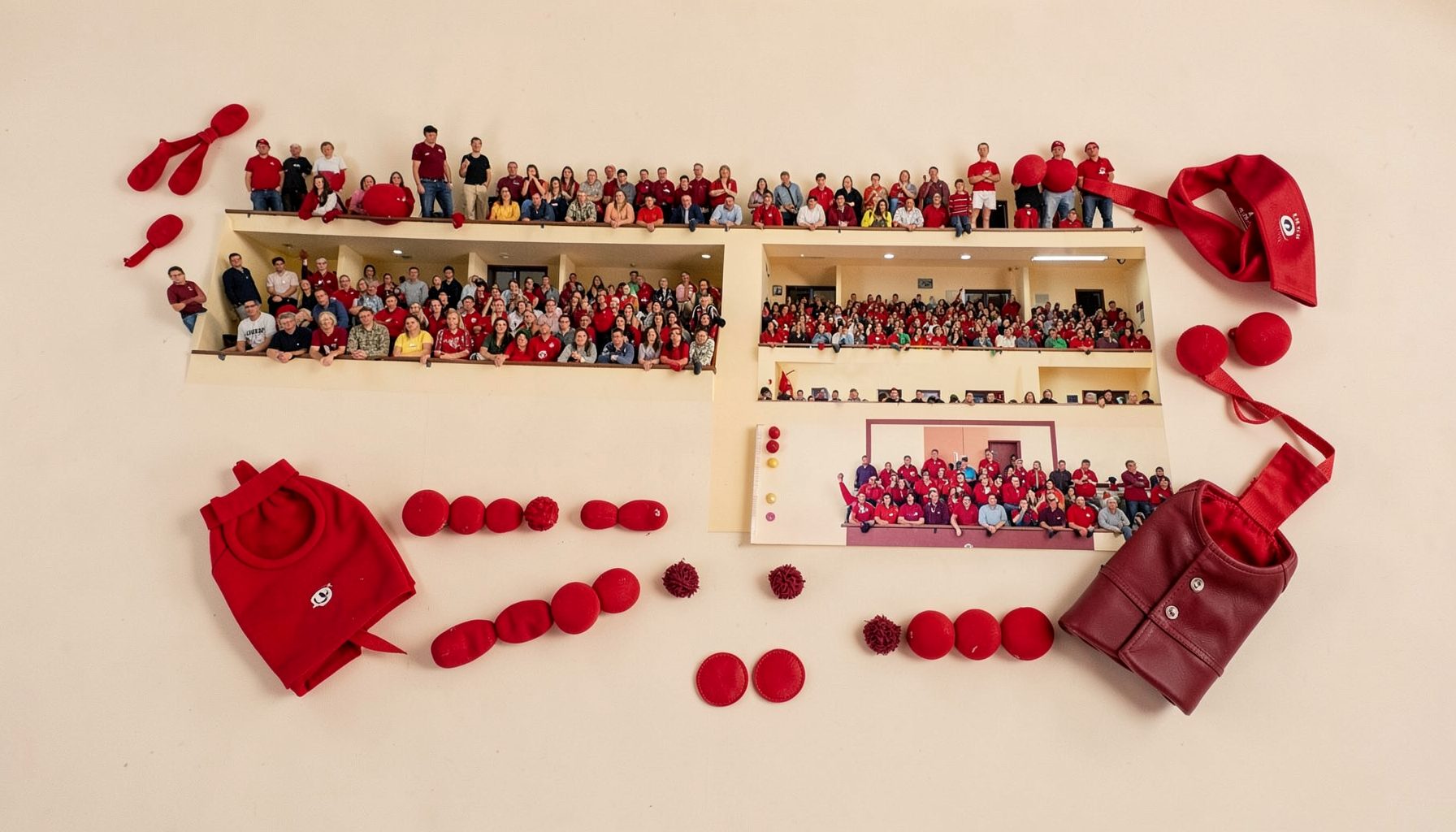
The closing hours of a coaching weekend matter as much as the opening welcome. Gather players for a short reflection circle, invite feedback on the drills, and announce next steps: follow-up sessions, club trials, a social fixture or an entry into regional championships. Capture photographs, waivers and testimonials while participants are still in the venue, because people forget details quickly once they return to the weekday routine.
Send a thank-you email within forty-eight hours, attach a summary of results and rankings, and store the data so it can support funding applications through programs like Sport Australia's Community Sport Infrastructure grants or your state association's participation initiatives. A weekend that ends with tidy records is the one that turns into a regular fixture on the Australian Rugby Fives calendar.
If your weekend falls during an Australian summer, plan shade, extra water and early starts, and communicate these details during booking. Confirm a venue, lock in a date and reach out to two or three experienced players to shape the schedule. The Rugby Fives community is generous with advice on drill plans, pairings and inclusive practice, so lean on established coaches for guidance. With clear purpose, reliable volunteers and a willingness to learn from the first iteration, your coaching weekend quickly becomes an annual highlight for everyone involved.