



How To Plan A Rugby Fives Open Day For Beginners
Planning a Rugby Fives open day for beginners is a practical way to introduce new players to a fast, social and skilful court sport. A well-organised event can make the first experience feel welcoming, while giving schools, clubs and community groups a clear route into regular participation.
The best open days are designed around discovery rather than performance. Newcomers do not need to understand every rule before they arrive. They need friendly guidance, short activities, safe equipment and enough time to enjoy striking the ball and working with others.
A successful event also creates useful connections. Players may discover a local club, teachers may find a new school activity, and volunteers may identify ways to support future coaching. Careful planning helps the day serve each of these purposes without becoming complicated.
Set Clear Aims And Know Your Audience
Begin by deciding what the open day should achieve. The main goal might be to introduce children to Rugby Fives, recruit adult beginners, attract families, or encourage former players to return. A specific purpose will shape the venue, timetable, promotion and coaching style.
Choose one primary audience and make the event suitable for its likely needs. A school session may benefit from energetic rotations and simple team games, while an adult community event may allow more time for explanations and informal matches. If several age groups are attending, separate them where possible so everyone receives an appropriate level of attention.
Set realistic measures of success. These might include the number of attendees, how many complete a follow-up session, or whether a new school or club partnership is formed. Avoid judging the day solely by attendance; a smaller event with engaged participants can create stronger long-term results.
Select The Venue And Create A Comfortable Schedule
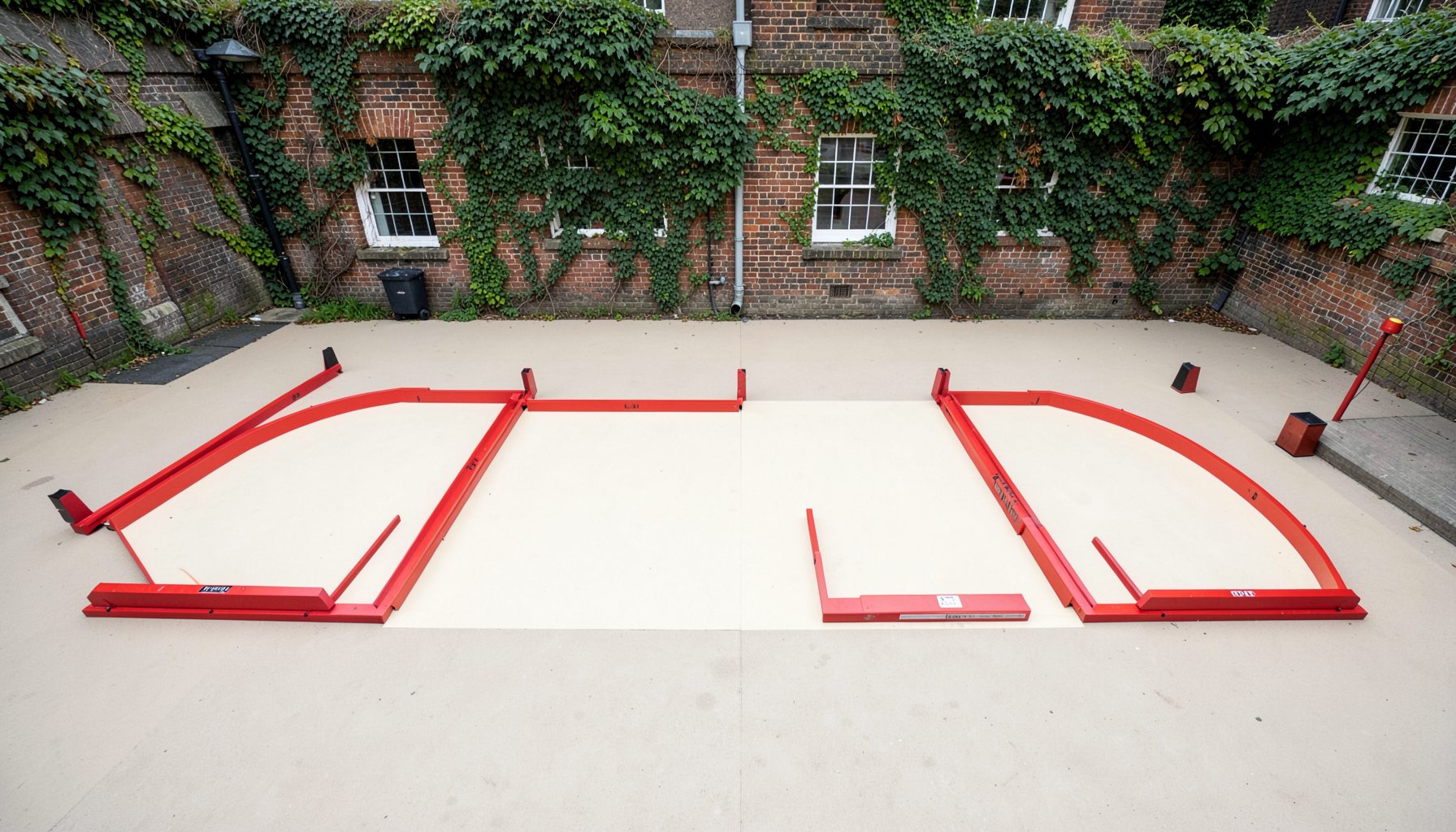
A Rugby Fives court is the central requirement, but the surrounding facilities matter too. Check court access, lighting, changing rooms, toilets, drinking water, first-aid provision and spectator space. Inspect the playing surface and walls before advertising the event, and confirm whether the venue has restrictions on footwear, food or photography.
Keep the first session compact. For most beginners, 90 minutes to two hours is enough to learn the basic movement, practise controlled shots and play modified games without losing concentration. Allow extra time for registration, changing, introductions and informal conversation.
A sample schedule could include:
- Fifteen minutes for arrival, welcome and safety information
- Twenty minutes of movement and hand-eye coordination games
- Twenty-five minutes of basic hitting and receiving practice
- Thirty minutes of small-sided or conditioned games
- Ten minutes for questions, refreshments and next-step information
Build in short pauses, particularly for younger participants. A visible timetable helps families and volunteers understand what is happening, while a flexible approach allows coaches to slow down if the group needs more practice.
Make The First Session Easy To Enter
Beginners should experience success early. Start with activities that involve catching, rolling, gentle feeds or striking against a wall from a short distance. Introduce the court gradually, explaining where players stand and how the ball can be controlled before adding competitive pressure.
Use plain language for rules and demonstrate each activity before asking participants to try it. Keep explanations brief, then let people learn through repetition. Coaches can introduce one idea at a time, such as watching the ball, moving into position, using a balanced stance or directing the return into space.
Small groups work better than a single queue. Rotate players through stations so everyone remains active. One station might focus on accuracy, another on movement and another on cooperative rallies. Give participants simple challenges, such as completing five controlled exchanges, rather than expecting a fully developed match immediately.
| Session Format | Best For | Main Benefit | Planning Point |
|---|---|---|---|
| Skill Stations | Mixed beginner groups | Keeps everyone active | Requires several helpers |
| Family Taster | Parents and children | Encourages shared participation | Use flexible team sizes |
| School Rotation | Large classes | Handles high numbers efficiently | Needs a clear movement plan |
| Club Trial Session | Older beginners | Leads naturally into regular play | Include time for questions |
Adapt the ball, distance and scoring to the group where appropriate, while keeping the character of the sport intact. Modified games are a bridge towards proper play, not a substitute for explaining how participants can continue learning.
Prepare Coaches, Volunteers And Equipment
Every open day needs a clear staffing plan. A lead coach should oversee the session, but volunteers can manage registration, welcome newcomers, organise groups, supervise waiting areas and answer practical questions. Assign responsibilities before the event so that coaches are not distracted by administration.
Use a short briefing to establish consistent language and expectations. Staff should know how to explain basic etiquette, what to do if someone feels unwell, how to respond to an injury and which activities are suitable for different abilities. A welcoming tone is as important as technical knowledge.
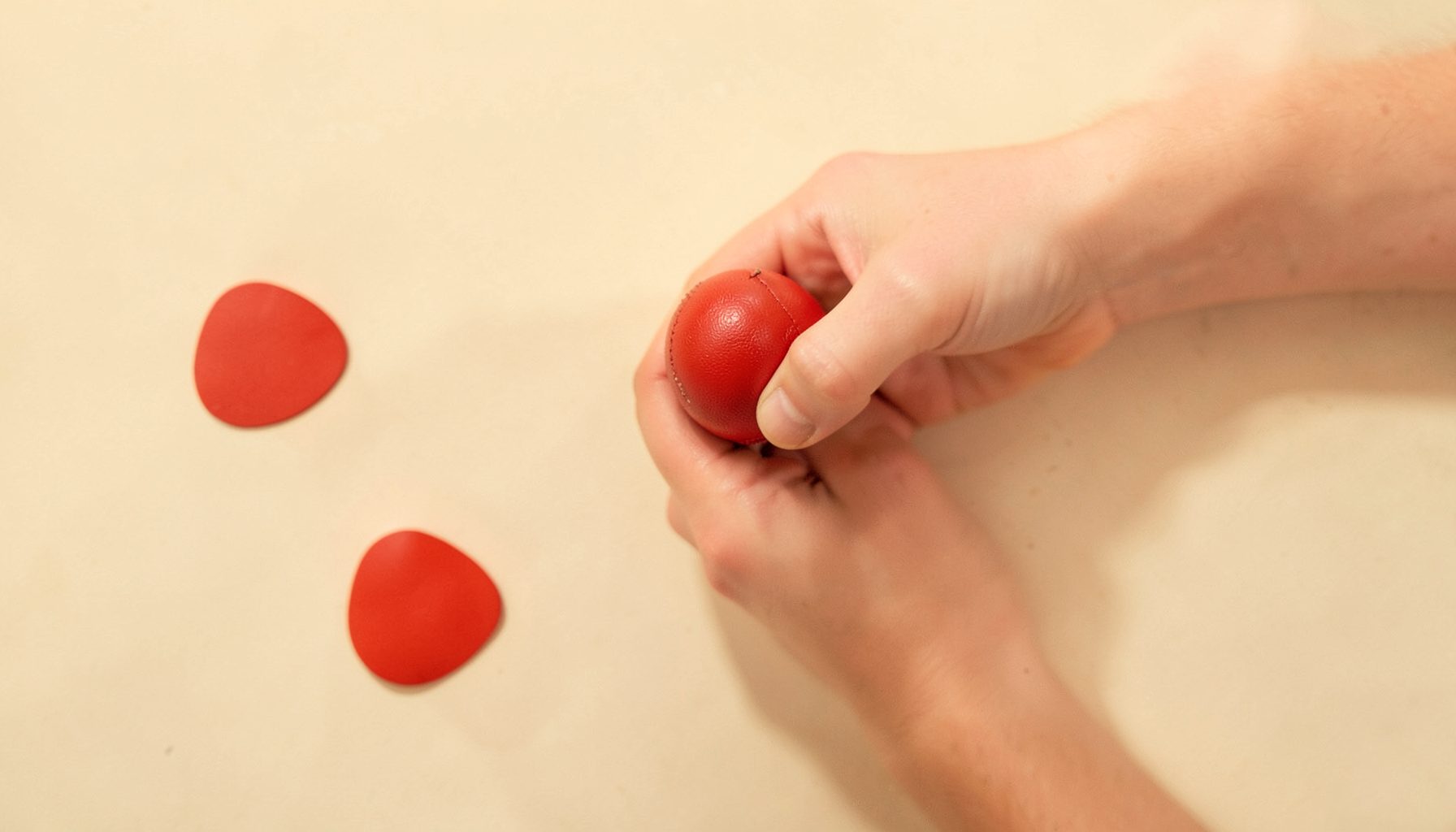
Prepare equipment in advance. Depending on the venue and format, this may include Rugby Fives balls, spare balls, cones, bibs, markers, clipboards, pens, water and a first-aid kit. Bring more equipment than the minimum requirement because delays occur when a ball is lost or a group needs an alternative activity.
Safeguarding and inclusion should be built into the plan. Follow the venue’s procedures for children and vulnerable participants, collect emergency contacts where required, and make reasonable adjustments for people with disabilities or additional needs. Explain that beginners can participate at their own pace and that respectful conduct is expected from everyone.
Promote The Event And Manage Bookings
Promotion should explain what will happen, who can attend and what people should bring. Use welcoming language such as “no previous experience required” and provide practical details about age range, duration, cost, clothing, footwear and registration. A short video or photograph of a beginner-friendly activity can make the sport easier to understand.
Share the invitation through schools, local sports networks, clubs, community centres, social media and existing association contacts. Personal invitations often work particularly well: a teacher, coach or current player can reassure newcomers that they will be supported.
Use a simple booking process. Collect names, age groups, emergency information and any access requirements, but avoid asking for unnecessary detail. Set a sensible attendance limit based on court capacity and coach numbers. Send a reminder several days before the event with arrival instructions and a contact number.
If the open day connects to an existing club programme, use the association’s fixtures and events information to help explain how participants can find future playing opportunities. A clear pathway makes the event feel like the start of involvement rather than an isolated activity.
Build A Follow-Up Pathway
The final ten minutes can determine whether beginners return. Thank participants, celebrate progress and explain what happens next. Offer a date for a beginner coaching session, a junior club meeting, a school lunchtime activity or an informal practice. Give people a written or digital summary so they do not have to remember every detail.
Ask for quick feedback while the experience is fresh. A simple form can ask which activity participants enjoyed, whether the pace felt comfortable and what would make them attend again. Coaches should also record practical observations, including group size, equipment needs and activities that created the most engagement.
Contact attendees soon afterwards. Send a thank-you message, share approved photographs if consent has been provided, and include the next opportunity to play. Where a participant is under 18, follow the appropriate communication and safeguarding procedures.
A successful follow-up does not require an elaborate programme. One reliable weekly session, supported by a welcoming coach and clear information, can convert curiosity into confidence. Over time, returning beginners can progress into club competitions, school fixtures or volunteer roles.
Practical Planning Checklist
- Confirm court availability, venue policies, safeguarding arrangements and first-aid cover.
- Recruit enough coaches and volunteers to keep groups active and supervised.
- Prepare a timetable based on short demonstrations, frequent practice and modified games.
- Promote the event with clear information about experience, clothing, age range and booking.
- Reserve time at the end to explain regular sessions and collect participant feedback.
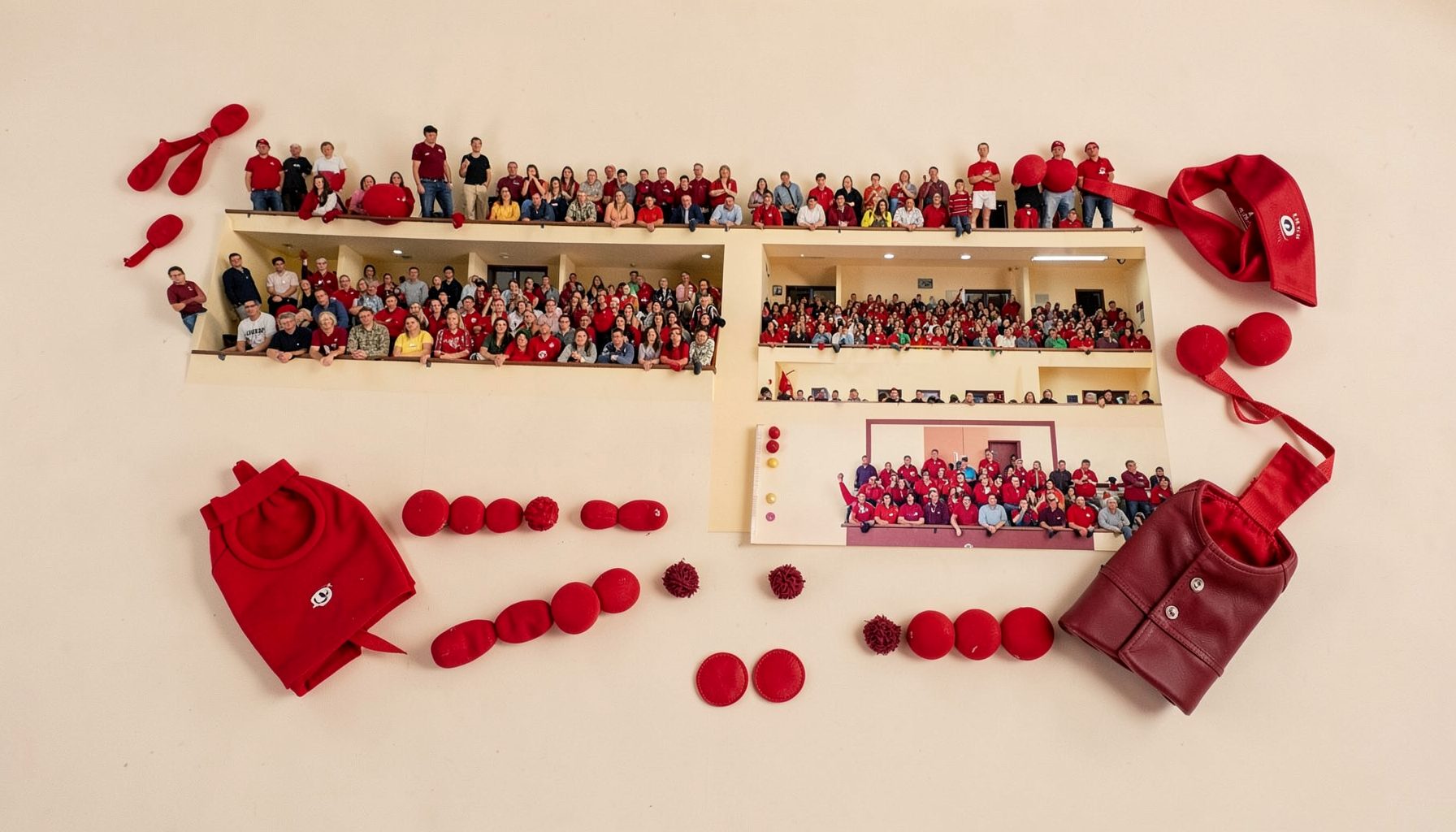
A Rugby Fives open day succeeds when people leave feeling capable, included and interested in returning. Focus on simple activities, thoughtful organisation and personal encouragement rather than trying to cover every rule in one session. The sport’s energy will do much of the work once beginners are given a positive first opportunity.
Use the event to bring together players, families, schools, clubs and volunteers, then make the next step easy to find. Contact the Rugby Fives Association to connect your activity with wider development, coaching and participation opportunities, and help more people discover the sport through a welcoming local start.