
How to Prepare for Your First National Rugby Fives Competition
Entering a national Rugby Fives competition is a significant step, whether you have come through a school programme, a local club, or regular social games. The standard is faster, the rallies are more demanding, and small decisions can influence an entire match. Good preparation helps you arrive ready to compete rather than spending the opening games adjusting to the occasion.
For Australian players, preparation may also involve long domestic travel or a trip overseas, depending on the event. Planning around flights, climate, equipment availability, time zones and tournament rules is part of becoming competition-ready. A clear routine will give you confidence and help you enjoy the experience.
Choose Your Event And Learn The Format
Start by reading the official competition information carefully. Check the entry deadline, grading or ranking requirements, draw format, venue, match schedule and clothing rules. Some competitions may use group stages followed by knockouts, while others rely on a straight elimination format. Knowing how many matches you could play will shape your physical preparation.
Find out whether you are entering singles, doubles or both. Doubles requires communication, court coverage and a shared tactical plan, while singles places greater pressure on movement and decision-making. If you are travelling from Sydney, Melbourne, Brisbane or another Australian city, confirm arrival times early and allow space for delays, especially when a tournament requires an international connection.
Watch recorded matches if they are available through the Rugby Fives Association or your club. Pay attention to serving patterns, wall use, recovery positions and how experienced players construct rallies. You do not need to copy an elite player’s style, but you should understand the rhythm and tactical demands before stepping onto the court.
Build Court-Specific Skills
General fitness is useful, but Rugby Fives rewards repeated short movements, balance and accurate hand skills. Practise moving forwards, backwards and sideways without crossing your feet at the wrong moment. Your aim is to reach the ball early enough to play a controlled shot rather than simply reacting to it.
Spend time hitting from different areas of the court. Work on keeping the ball low, using the walls intelligently and returning difficult shots with enough height or pace to recover your position. A training partner can feed awkward balls to the corners, forcing you to develop dependable defensive responses.
Serve practice deserves regular attention. Experiment with placement and speed, then practise the first shot after the serve. In doubles, rehearse who takes the central ball, how you call for shots and where each player recovers. Simple language such as “mine”, “leave” and “short” is more effective than complicated instructions during a fast rally.
Create A Practical Training Block
A six- to eight-week preparation period is suitable for many first-time competitors. Schedule two court sessions each week, with one focused on technique and the other built around points, match play and pressure. Add two short strength sessions that develop legs, hips, shoulders, forearms and core stability.
Use interval training rather than relying only on long-distance running. For example, alternate short bursts of court movement with brief recovery periods, then repeat the set several times. This mirrors the stop-start nature of a match. Leave at least one easier day each week so that training improves your performance instead of creating persistent fatigue.
Keep a simple record of sessions, soreness, sleep and match results. It can reveal patterns that are difficult to notice during busy weeks. If you are balancing training with work or university in Australia, place demanding sessions at times when you can recover properly rather than forcing them into the end of an exhausting day.
Prepare Your Body And Recovery
Warm up before every session with light movement, mobility work and progressive court drills. Include the ankles, calves, knees, hips, shoulders and wrists. Rugby Fives involves repeated lunges and quick changes of direction, so arriving cold increases the chance of avoidable strains.
Strength training should be controlled and consistent. Exercises such as split squats, calf raises, rows, press-ups and anti-rotation holds can support movement and stability. A qualified coach or physiotherapist can adapt the programme if you have a previous injury. Do not introduce a demanding new routine during the week of the competition.
Australian conditions may affect recovery. A Brisbane summer session, for example, can require more fluids and longer rest intervals than a cool indoor session in Melbourne. Use water and, for long or intense sessions, an appropriate electrolyte drink. Sleep, regular meals and adequate carbohydrates before hard sessions are usually more valuable than expensive supplements.
Sort Equipment And Travel
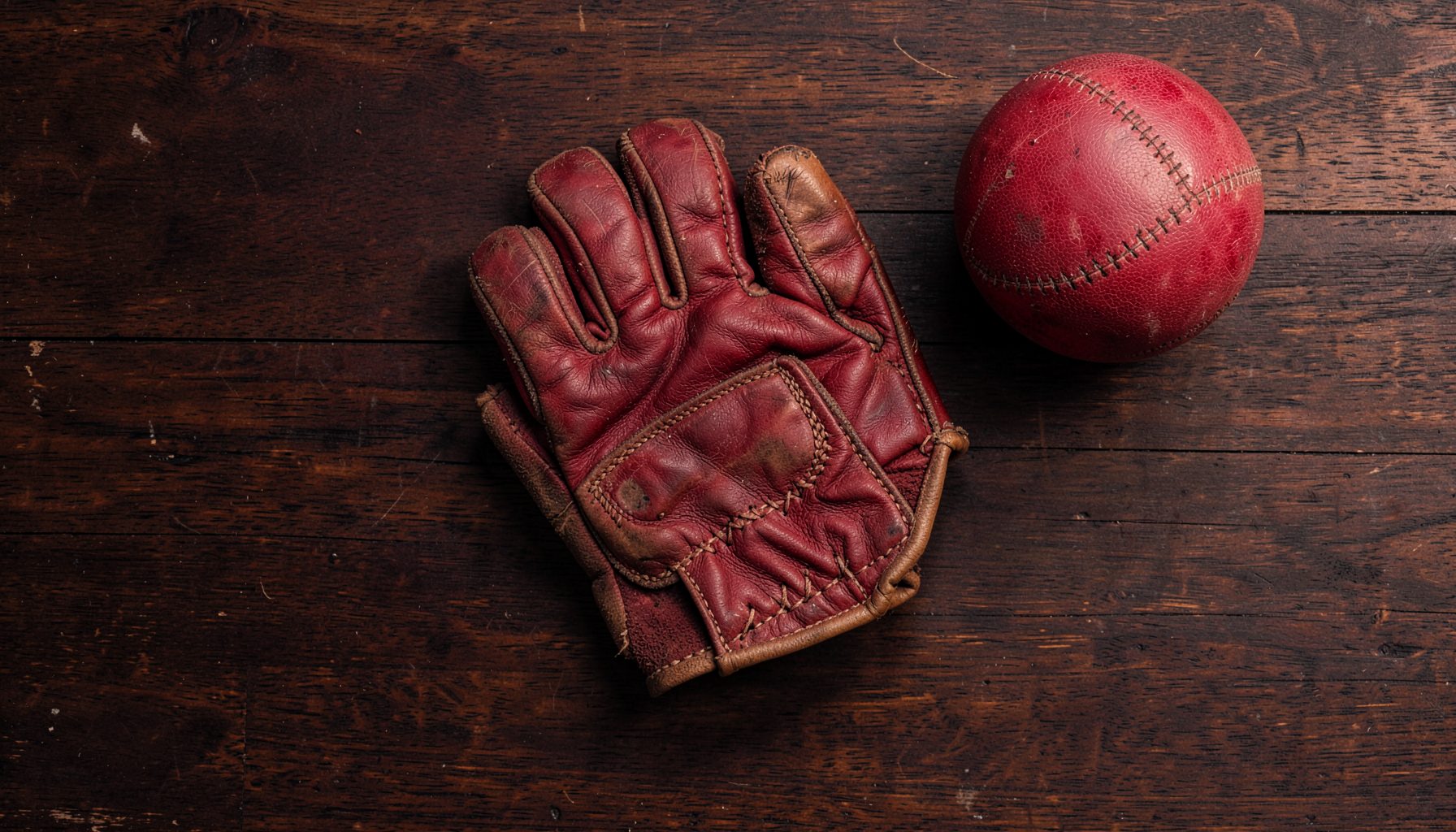
Check your gloves, shoes and clothing well before the event. Court shoes should provide secure grip without restricting movement, and gloves should feel comfortable after extended play. Take at least one spare pair of gloves and extra sports clothing. Label your equipment if you are attending a busy tournament where several players may use similar gear.
Specialist Rugby Fives equipment may be easier to obtain through clubs or the association than through a large Australian sporting chain. Ask experienced players about suitable suppliers and order early. When buying from overseas, allow for shipping delays and remember that imported goods may include Australian GST, delivery charges or other costs at checkout.
Create a travel plan that protects your performance. If flying from Perth or another distant Australian location, arrive with enough time to recover from the journey and inspect the venue. Pack essential equipment in carry-on luggage where airline rules allow. If travelling to the United Kingdom, account for the time difference and avoid scheduling your first serious hit-out immediately after a long flight.
Manage Match Day
Eat a familiar breakfast or pre-match meal that provides carbohydrates and is easy to digest. Arrive early enough to register, locate the courts, change calmly and complete a proper warm-up. Bring water, simple snacks, tape, basic first-aid supplies and a written copy of the schedule.
Use the opening minutes to settle your feet and observe the opponent. Focus on a small number of goals, such as reaching the ball early, recovering to a strong position and selecting a safe target under pressure. Trying to win every rally with a spectacular shot can quickly produce unforced errors.
Between matches, cool down lightly, replace fluids and eat a small snack. Do not remain seated for hours and then rush straight back onto court. If you are injured, dizzy or unusually fatigued, tell the tournament official, coach or first-aid provider. A national competition is demanding, and sensible decisions protect your health.
Understand Etiquette And Competition Standards
Review the current rules and code of conduct before travelling. Clarify scoring, lets, time limits, warm-up procedures, clothing requirements and the process for reporting a result. If you are competing in a junior or community event, organisers may also have safeguarding procedures. In Australia, anyone assisting with children may need a state or territory Working With Children Check, so clubs and volunteers should confirm local requirements before training sessions.
Respect officials, opponents, court staff and volunteers. Call your own shots honestly, return balls promptly and keep disagreements calm. Good etiquette matters because national competitions depend on trust, and your conduct contributes to the reputation of your club and country.
Use the checklist below during the final week:
| Area | Ready for competition | Needs attention |
|---|---|---|
| Rules | You know scoring, match format and reporting procedures | You are unsure about lets, time limits or clothing |
| Skills | You can serve, recover and defend from difficult positions | You rely on one shot or struggle in the corners |
| Fitness | You can complete repeated rallies without losing control | Fatigue causes poor footwork or rushed decisions |
| Equipment | Shoes, gloves, clothing and spares are tested | You plan to use new equipment at the event |
| Travel | Transport, accommodation and arrival time are confirmed | Delays could leave little time to recover |
| Recovery | Sleep, meals and hydration are part of your routine | You are carrying persistent pain or heavy fatigue |
A few days before the competition, reduce training volume while keeping some sharp, short court work. Avoid hard conditioning, unfamiliar exercises and late nights. Pack your kit, review the draw and write down two technical goals and one attitude goal for match day.
When the event arrives, trust the preparation you have completed. Represent your club with energy, compete fairly and treat each match as useful experience. Contact the Rugby Fives Association, a local club or an accredited coach to find suitable fixtures, coaching opportunities and competition pathways, then take the next step towards your first national tournament.