


How to run a Rugby Fives taster day at a community centre
A Rugby Fives taster day gives local people a simple, active way to discover a traditional wall game. Participants use their hands rather than a racquet to strike a small ball against the front wall, with the surrounding walls bringing movement, timing and tactical choices into play. The format is energetic, social and easy to adapt for first-time players.
For an Australian community centre, the event can work in a dedicated Fives court, a suitable indoor court, or a modified space approved by the venue. The aim is not to teach every rule in one session. It is to create a welcoming first experience, give people plenty of turns, and show how they can continue through a club, school programme or local activity group.
A good taster day should suit teenagers, adults, families and people returning to sport. Short games, clear demonstrations and rotating activities prevent beginners from standing around for too long. A relaxed Saturday morning or early afternoon often works well, although school-holiday sessions can attract families looking for something different from football, netball or swimming.
Planning should cover the practical details before promotion begins. Confirm the court, recruit capable helpers, check safeguarding requirements, prepare equipment and decide how new players will be followed up. The Rugby Fives Association can also help connect organisers with knowledge, coaching ideas, competitions and the wider playing community.
| Area | Practical approach | Useful Australian consideration |
|---|---|---|
| Venue | Court, sports hall or approved adapted space | Check council booking rules, ventilation and heat management |
| Participants | Beginners in small rotating groups | Offer family, youth and adult time slots |
| Equipment | Balls, gloves, cones, bibs and first-aid supplies | Bring more than one ball and label shared gear |
| Staffing | Lead coach, activity helpers and registration support | Confirm Working with Children Check needs |
| Promotion | Schools, clubs, libraries, council channels and social media | Use local terms, accessible pricing and clear transport details |
| Follow-up | Club invitation, future sessions and contact collection | Explain costs, dates and how to stay involved |
Set a clear purpose for the session
Decide what success means before choosing the timetable. A first event might aim to introduce Rugby Fives to 20 residents, build a junior pathway, attract volunteers or test whether a regular community-centre session is viable. One clear purpose helps determine the best age range, staffing level and promotional message.
Keep the promise straightforward: participants will learn the basic striking action, try simple rallies, play short challenges and leave knowing how to get involved. Avoid describing the day as a full competition or advanced coaching clinic. Newcomers are more likely to attend when the session sounds friendly and manageable.
Consider whether players need to register individually or whether families can book together. A low-cost fee, free community booking or “pay what you can” model may remove barriers, but confirm the arrangement with the centre and any funding partner. Make accessibility part of the planning from the start, including clear entry information, seating, toilets and a quiet area.
Find and prepare the right venue
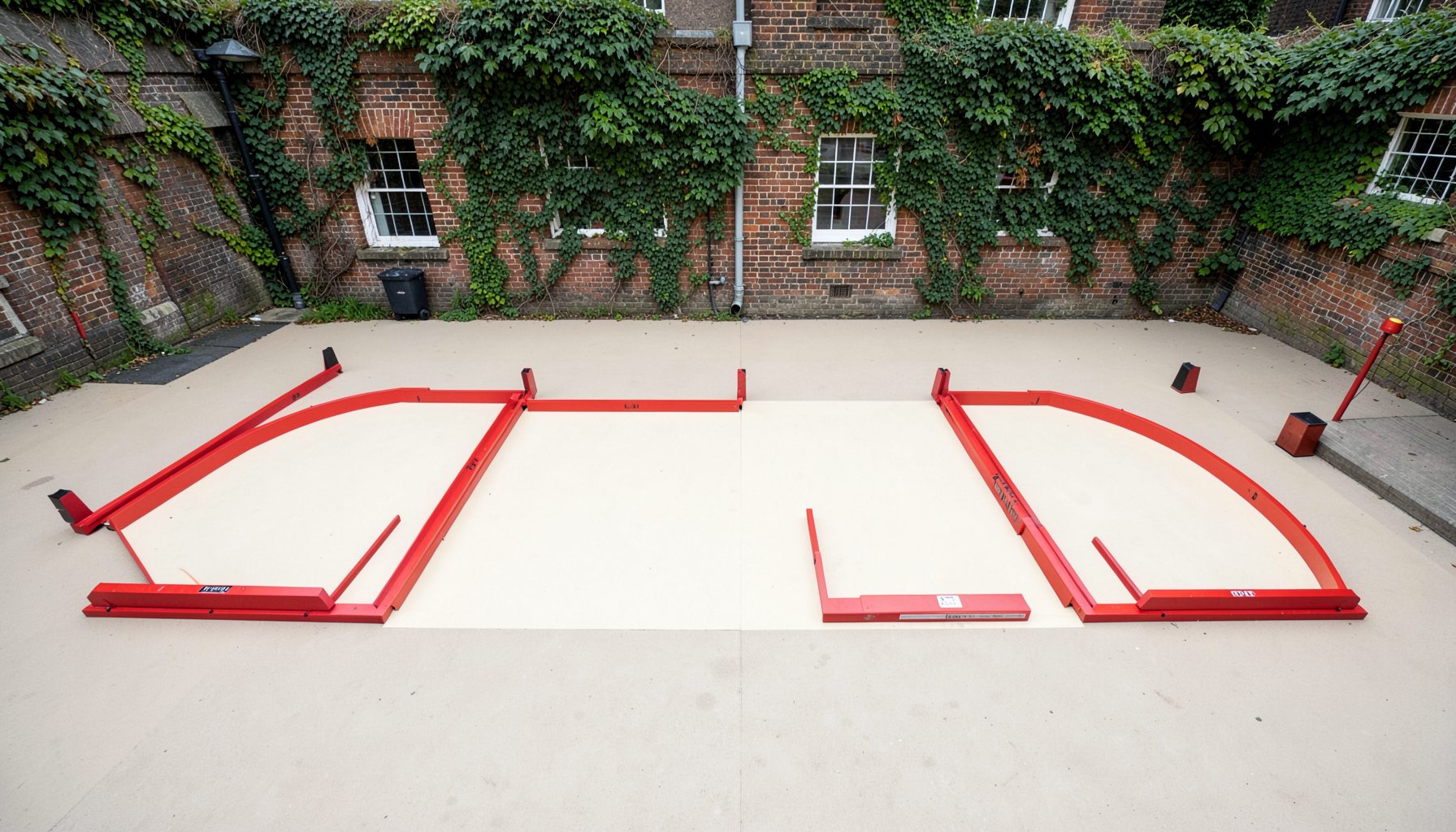
A purpose-built Rugby Fives court is ideal, but many Australian community centres will not have one. Ask whether the venue has a suitable enclosed court, squash courts, school sports hall or multi-use indoor area. Any adaptation must allow safe movement, predictable wall rebounds and enough space between groups.
Inspect the surface, lighting, wall condition, doors, exits and ceiling height. Remove loose equipment and mark waiting areas outside the active zone. If a ball could reach spectators, use barriers or adjust the activity. A venue in Brisbane or Darwin may need particularly careful attention to air conditioning and hydration, while a Melbourne winter booking may benefit from checking heating and damp entry areas.
Complete the centre’s risk assessment and confirm who provides first aid, cleaning and emergency support. Ask about public liability insurance and whether the organiser needs separate cover. Obtain written permission for any temporary wall markings or altered layouts, and make sure the booking includes set-up and pack-down time.
Build a beginner-friendly activity plan
A two-hour session can begin with registration, introductions and a short demonstration. Follow with movement games, hand-eye coordination exercises and gentle wall rallies. Players can work in pairs or groups of three, with one person striking, one retrieving and one observing the target area before rotating.
Teach only the essentials at first: how to hold the hand, where to stand, how to watch the ball and how to return it safely. Use plain language and demonstrate each instruction. Progress from stationary feeds to cooperative rallies, then to a scoring game where the target is consistency rather than winning.
Use cones, floor spots or coloured wall targets to create variety. A “keep it going” challenge can reward five or ten controlled returns. A target-hitting activity introduces placement without requiring players to understand every formal rule. Keep a few quieter options available for people who are nervous, have limited mobility or need a break.
Recruit coaches and event helpers
At least one experienced person should lead the court activities and explain the sport accurately. Additional helpers can manage registration, equipment, rotations, refreshments and photographs. A ratio of one active helper to roughly six or eight beginners makes it easier to provide feedback without making the session feel heavily supervised.
Brief the team before doors open. Agree on the words used for safety, how to stop play, how to support a participant who is struggling and how to respond to injuries. Helpers should encourage effort and awareness rather than focus on power. A beginner who makes a controlled return has achieved something valuable, even if the rally ends quickly.
For children and young people, follow the relevant state or territory safeguarding requirements. In New South Wales, Victoria, Queensland and other jurisdictions, Working with Children Check arrangements can differ according to the role and organisation. Keep attendance records, emergency contacts and consent forms secure, and ensure volunteers understand the centre’s child-safety procedures.
Promote the event through local networks
Start promotion four to six weeks ahead. Create a short description explaining that no previous Rugby Fives experience is required, equipment can be provided and the session is suitable for the advertised age group. Include the exact address, public transport information, parking guidance, cost, booking link and clothing advice.
Ask the community centre, local council, libraries, schools, universities, sporting clubs and neighbourhood houses to share the invitation. A school newsletter can reach families, while a local Facebook group or council events calendar may reach adults who do not belong to a sports club. In Australia, mention whether participants should bring a water bottle and allow for the warm conditions common in summer.
Use photographs of real sessions where permission has been obtained, rather than images that make the sport look inaccessible or overly formal. Explain that the day offers a chance to try something new in a supportive setting. If the venue is near a major centre such as Sydney, Perth or Adelaide, include nearby landmarks and transport options so first-time visitors can find it easily.
Make the day welcoming and safe
Greet each person at the door and provide a simple name label. Ask about previous experience, injuries, access needs and whether they have any questions. Pair newcomers with patient participants rather than immediately placing them in the most competitive group.
Begin with a short safety briefing covering warm-up, spacing, ball awareness and stopping play. Players should use suitable indoor footwear and avoid jewellery or clothing that could catch. Gloves, if used, should be clean and available in different sizes. Keep water accessible and schedule regular breaks, particularly during an Australian summer or in a warm hall.
Avoid long speeches. Demonstrate, let people try, then give one useful correction at a time. Rotate activities often enough to maintain energy, and celebrate cooperation as well as successful shots. A final short game can bring everyone together, but mixed ability groups should have adapted targets or scoring so that beginners remain involved.
Turn first visits into ongoing participation
Before participants leave, explain the next step clearly. This might be a weekly community session, an introductory club practice, a school programme or a future tournament. Provide a printed or digital information sheet with contact details, upcoming dates, expected costs and what equipment is supplied.
Collect feedback while the experience is fresh. Ask which activity people enjoyed, whether the session length worked and what prevented them from joining regularly. Record attendance by age group and note whether families, students, older adults or casual sports participants showed the greatest interest.
Share follow-up information within a few days. Thank attendees, publish approved photographs and invite them to a low-pressure continuation session. Keep the contact list permission-based and store it securely. If the taster day reveals strong demand, use the evidence to approach the council, a school or a community grant programme for regular court time and equipment.
A successful event does not depend on a large budget or a polished competition format. It depends on safe organisation, friendly instruction and enough active time for people to feel the appeal of the game. Contact the Rugby Fives Association for guidance on local connections, coaching support, development pathways and ways to help new players move from a first try into regular participation.