
Choosing The Right Equipment For Rugby Fives Beginners
Rugby Fives is often grouped with squash, handball, and other indoor court games, so newcomers sometimes assume that a racquet or racket is part of the standard kit. It is a reasonable assumption, particularly when searching online for beginner equipment, but Rugby Fives has a distinctive method of play: competitors strike the ball with their gloved hands against the court walls.
That difference makes equipment selection simpler and more personal. You do not need to compare racquet weights, head sizes, string tensions, or grip shapes. Instead, your attention should go towards hand protection, secure footwear, comfortable clothing, and equipment that allows you to move confidently on a hard court.
The best beginner setup should support learning rather than distract from it. A well-fitting pair of gloves and indoor court shoes will help you develop control, positioning, and reliable contact with the ball while reducing avoidable discomfort during your first sessions.
What Beginners Actually Need
A new player needs very little specialist equipment to begin Rugby Fives. The essential items are suitable gloves, non-marking court shoes, comfortable sports clothing, and access to a regulation court and ball. Many clubs can advise on suitable kit, and some may provide equipment for introductory sessions.
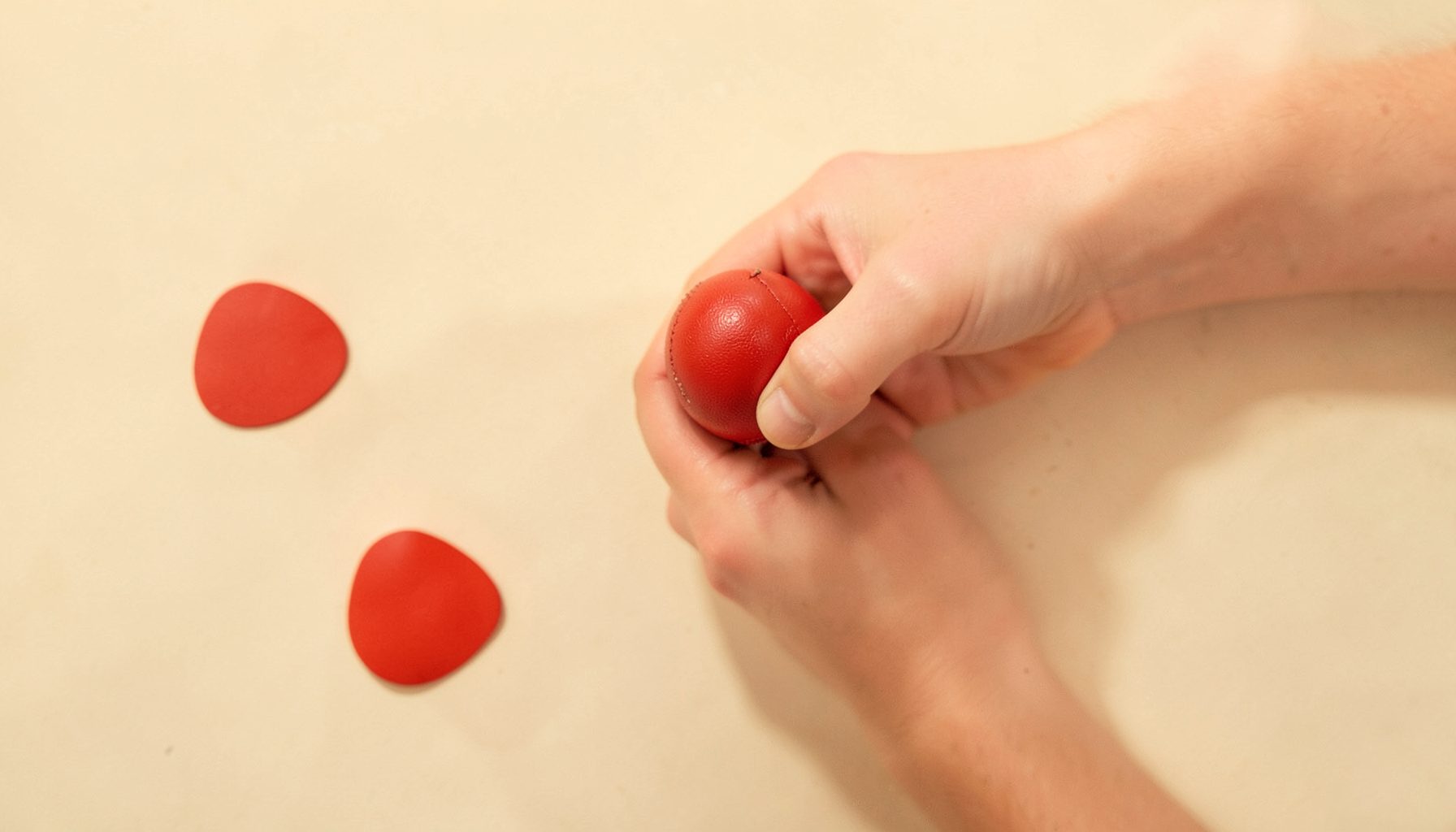
The ball is generally supplied by a club, school, coach, or tournament organiser, so buying one immediately is rarely necessary. Your first priority should be finding equipment that fits properly and allows natural movement. Loose gloves, slippery soles, or bulky clothing can make basic skills feel harder than they are.
Rugby Fives rewards quick reactions, balance, and accurate hand contact. Since players move close to walls and change direction rapidly, comfort and control matter more than premium branding or expensive accessories.
Why Rugby Fives Does Not Use A Racquet
Unlike squash or tennis, Rugby Fives is played with the hands. Players use gloves to protect their fingers and palms while striking the ball, but there is no handheld racquet, racket, or bat between the player and the ball. This direct contact is central to the character of the sport.
That hand-to-ball connection also helps explain its emphasis on courtesy, discipline, and skill. The sport’s traditions are closely linked to respectful conduct, a quality explored in this account of Rugby Fives’ gentlemanly tradition. Beginners quickly discover that technique comes from timing and body position rather than equipment technology.
If you already own a squash or tennis racket, it can be useful for understanding court movement, but it should not be taken onto a Rugby Fives court as playing equipment. Bringing the wrong item may also create a safety issue in a confined playing area.
Choose Gloves That Fit
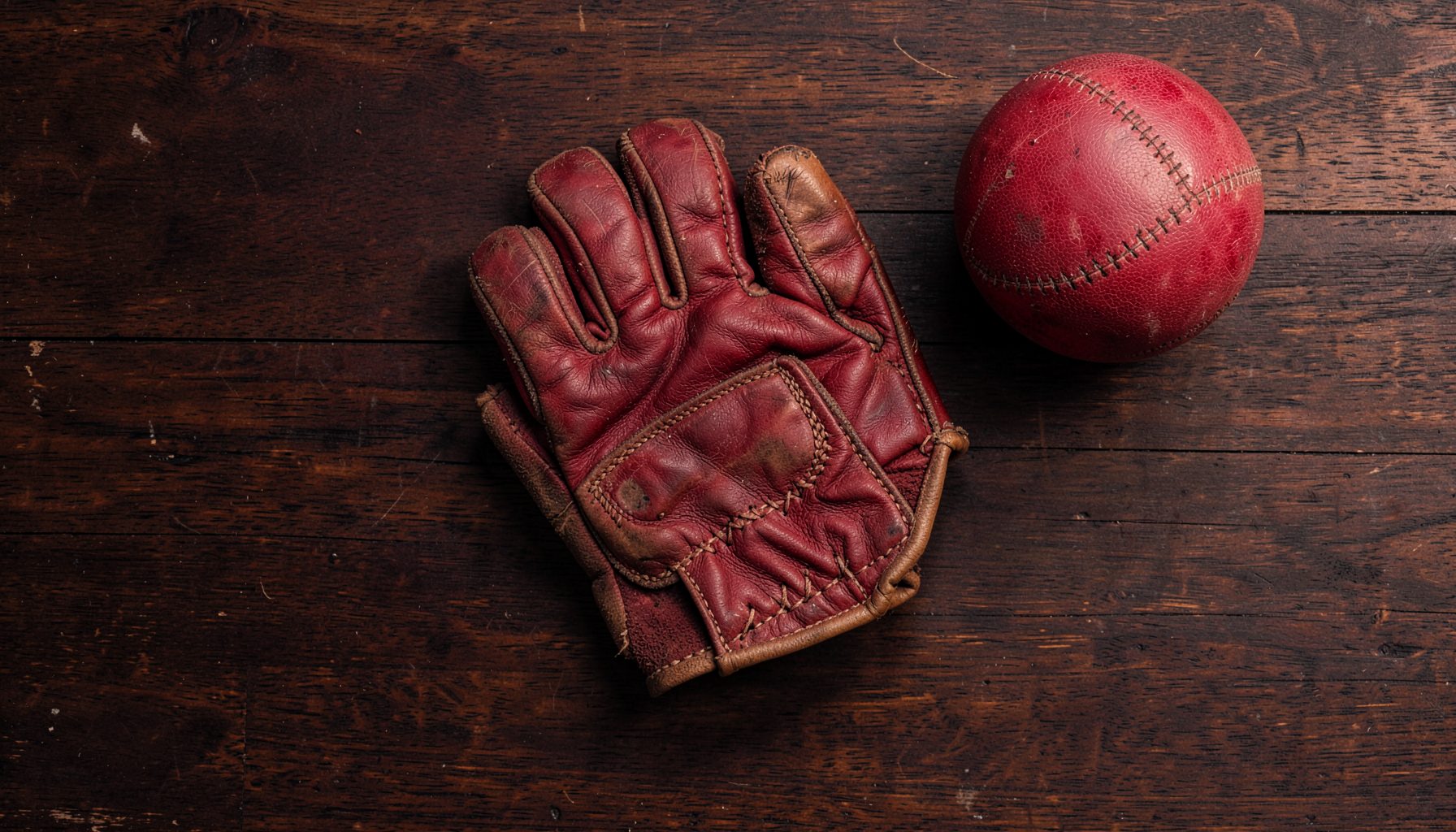
Rugby Fives gloves should feel secure without restricting finger movement. A glove that is too large may shift when you strike the ball, while one that is too tight can cause pressure around the fingers and thumb. Measure your hand according to the manufacturer’s instructions, then consider the shape of the glove as well as its labelled size.
Look for durable material across the palm and fingers, with enough flexibility for gripping, opening the hand, and making controlled contact. Some players prefer gloves with additional padding, while others favour a thinner design that offers greater feel. As a beginner, balanced protection and flexibility are usually more useful than extreme padding.
Fastenings should hold firmly during repeated movement. Check the wrist closure before playing and replace gloves when seams split, the palm becomes smooth, or the material no longer stays in place. Clean, dry gloves also provide a more consistent feel and help reduce odour after regular sessions.
Build Footwear And Court Safety
Indoor court shoes are more important than a specialist racquet because they affect every movement. Choose shoes with non-marking soles, reliable grip, lateral support, and cushioning suited to a hard indoor surface. Running shoes are designed primarily for forward motion and may not provide enough stability for repeated side steps and sudden stops.
The shoe should hold your heel securely without squeezing the toes. Try it with the socks you expect to wear for training, and leave enough room for comfortable movement without allowing the foot to slide inside. A stable fit can improve confidence when moving towards a wall or recovering from a stretched position.
Keep jewellery, watches, and loose accessories away from the court. Tie back long hair and wear breathable clothing that does not catch against walls or restrict the shoulders. These small details help create a safer environment for you, your opponent, and anyone sharing the court.
Compare Equipment Choices
The following guide separates essential Rugby Fives equipment from items that belong to related racquet sports. It can prevent unnecessary spending while helping a beginner prepare for a first coaching session or club visit.
| Item | Role In Rugby Fives | Beginner Guidance |
|---|---|---|
| Rugby Fives gloves | Protect the hands and support consistent ball contact | Prioritise a secure fit, flexible fingers, and durable palms |
| Indoor court shoes | Provide grip, balance, and lateral support | Select non-marking soles and avoid ordinary running shoes |
| Rugby Fives ball | Used for drills, rallies, and match play | Ask the club or coach which ball is appropriate |
| Tennis racket | Used in tennis, not Rugby Fives | Leave it out of your Rugby Fives kit |
| Squash racket | Used in squash, not Rugby Fives | Useful only for comparison, not for striking the ball |
| Sports clothing | Allows free movement and comfortable training | Choose lightweight garments that do not restrict the arms |
| Protective accessories | May help with individual comfort or injury management | Discuss braces or supports with a coach or medical professional |
A table of specifications can make equipment shopping seem complicated, but Rugby Fives has fewer technical variables than racket sports. The main decisions concern fit, durability, traction, and personal comfort.
Avoid Common Beginner Buying Mistakes
One common mistake is searching for a “Rugby Fives racket” and purchasing squash or tennis equipment by accident. The word “racquet” is often used broadly in online searches, but it does not describe standard Rugby Fives equipment. Confirm the sport’s rules and speak to a club before ordering specialist products.
Another mistake is choosing the most heavily padded glove available. Excess padding may protect the hand, yet it can reduce touch and make it harder to judge the ball. Beginners should aim for a glove that feels protective without making the hand feel stiff or disconnected.
Buying premium footwear before attending a session can also be unnecessary. Start with a clean, supportive pair of indoor shoes, then assess your needs after playing regularly. Your movement style, court surface, and training frequency will give you better information than a product description alone.
Practical Equipment Recommendations
A sensible first kit should be affordable, easy to replace, and appropriate for supervised practice. There is no need to assemble a professional-level collection before learning the basic grip, stance, wall contact, and recovery steps.
Use these priorities when preparing for your first session:
- Borrow or buy a suitable pair of Rugby Fives gloves with a close, comfortable fit.
- Select non-marking indoor court shoes with dependable side-to-side support.
- Ask a club, school, or coach which ball and glove styles are commonly used locally.
- Avoid tennis and squash racquets unless you are attending a separate racquet-sport session.
- Keep a spare pair of socks and a small towel in your kit bag for longer training sessions.
After a few sessions, review the condition of your gloves and shoes rather than replacing everything automatically. If your hands remain comfortable and your footwear gives you stable movement, your current equipment is doing its job.
Visit a Rugby Fives club, school programme, or coaching session through the Rugby Fives Association and begin with the equipment that supports the sport’s real demands: well-fitting gloves, secure indoor shoes, and a willingness to practise. With the right basics in place, you can concentrate on developing skill, confidence, and enjoyment on court.