



How to set up a school Rugby Fives league
A school Rugby Fives league gives pupils a regular reason to practise, compete and support one another. The sport needs little equipment, can be played indoors, and works well for mixed-ability groups. With a clear structure, a school can create meaningful fixtures without needing a large squad or a complicated timetable.
The strongest school competitions begin with practical planning. Identify suitable courts, appoint a lead organiser, agree a playing format and make sure every participant understands the rules. A small pilot league may be the best starting point before expanding to more year groups or inviting nearby schools.
Rugby Fives also provides an excellent link between physical education, school sport and community participation. Clubs, coaches, parents and volunteers can help pupils develop skills while giving the school access to wider competitions and recognised playing opportunities.
Establish the purpose and scope
Start by deciding what the league should achieve. It might introduce beginners to Rugby Fives, provide regular competition for experienced players, support a school’s wider games programme, or prepare pupils for inter-school tournaments. Defining the purpose will shape the number of teams, the match format and the level of officiating required.
Choose the age groups and entry criteria early. A league could include Year 7 and Year 8 pupils, separate junior and senior divisions, or use mixed-age teams where numbers are limited. Keep the first season manageable. Four to six teams playing several short fixtures is often easier to sustain than a large competition that places pressure on staff and courts.
Give the league a named coordinator who can manage communication, fixtures, results and safeguarding arrangements. This person does not need to handle every task, but they should have authority to make decisions and a clear view of the season calendar.
Build a format that fits the school
A round-robin competition is usually the simplest model. Each team plays every other team once, with the option of a second meeting if time and court availability allow. Short matches can be scheduled during games lessons, lunchtime sessions or a dedicated after-school block.
Where courts are limited, use festivals rather than weekly fixtures. Several teams can attend on one day, play a series of short matches and accumulate points across the event. This approach reduces travel and administration while creating a lively atmosphere for pupils who may be new to the sport.
Agree how matches will be scored before play begins. A straightforward system might award points for a win and a draw, with final rankings decided by points difference or head-to-head results. Record every result consistently so that pupils, staff and families can follow progress.
| Competition decision | Practical option for a new league | Why it works |
|---|---|---|
| Team size | Four players, with substitutes where possible | Keeps participation active and allows rotation |
| Match length | Two short halves or timed games | Fits lessons and after-school sessions |
| Competition format | Single round robin or festival day | Creates regular play without an overloaded calendar |
| Scoring | Points for wins and draws, followed by points difference | Easy for pupils and organisers to understand |
| Court use | Rotating sessions across available courts | Helps a school manage limited facilities |
| Officiating | Teacher, coach or trained senior pupil | Develops leadership while keeping matches moving |
| Player pathway | School league followed by local fixtures | Gives successful pupils a next step in competition |
Prepare courts, equipment and people
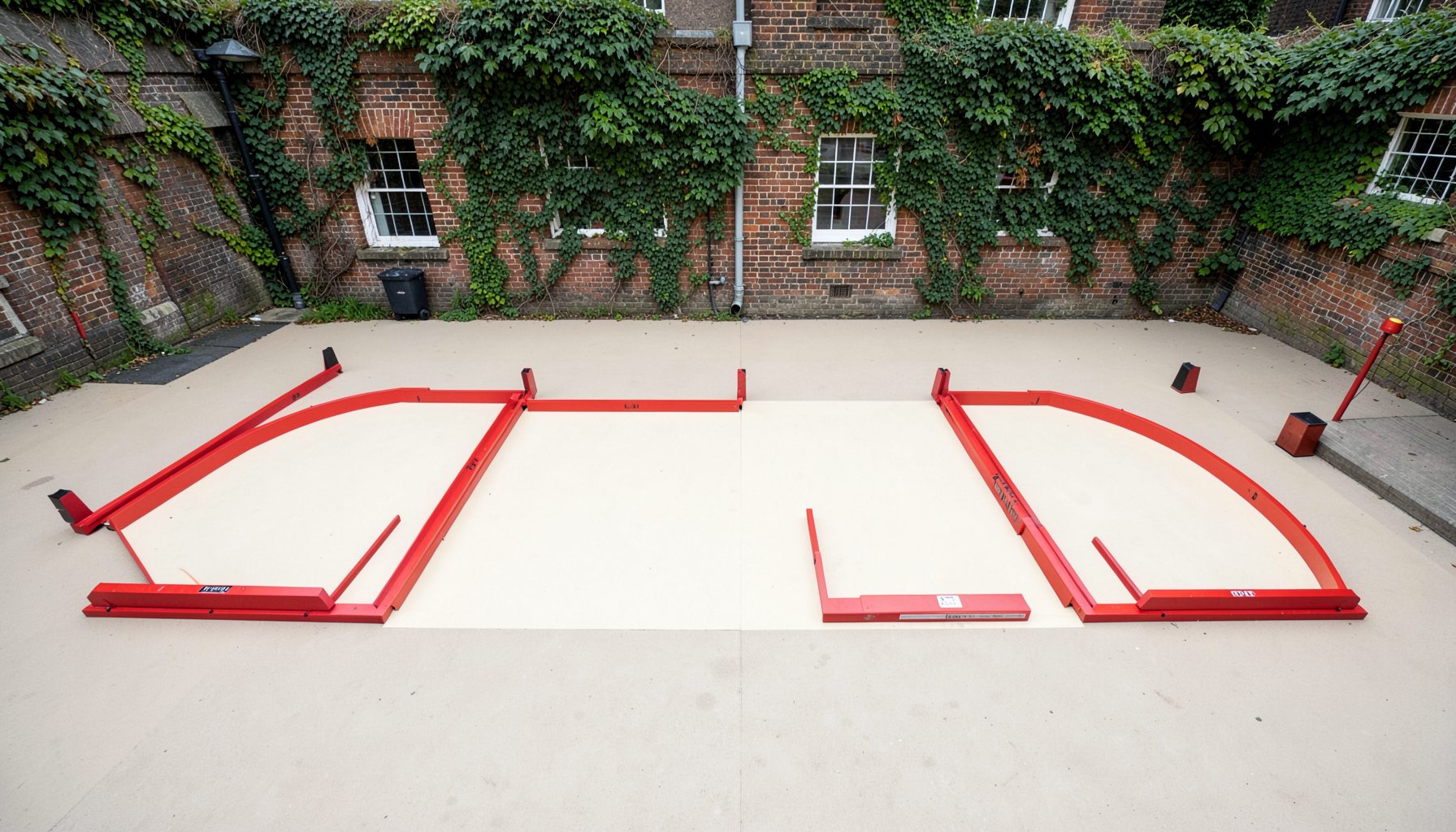
Inspect the court space before publishing fixtures. Check that walls and floors are safe, lighting is adequate and run-off areas are clear. Remove loose objects and establish where spectators, bags and spare equipment should remain. A short safety briefing should be part of every first session.
The equipment list is modest: suitable balls, sports footwear, bibs or team colours, a first-aid kit, score sheets and access to drinking water. Keep spare balls available so that a lost or damaged ball does not delay a match. If pupils are unfamiliar with the court, mark waiting areas and explain how players enter and leave safely.
Staffing is equally important. A teacher can supervise the overall session while coaches, volunteers or older pupils assist with warm-ups, scoring and officiating. Senior pupils can gain valuable leadership experience by learning how to keep score, apply basic rules and report results accurately.
Teach skills and rules before competition
Do not make the opening fixture the first time pupils encounter the sport. Use introductory sessions to teach the ready position, movement, striking technique, serving and safe court behaviour. Progress from cooperative rallies to conditioned games, then to full matches.
Keep the rules concise and visible. Explain how a rally starts, what counts as a legal return, how points are awarded and when players rotate or substitute. A one-page rules guide can be displayed beside the court and shared with families. Consistent language from every official will reduce confusion.
Build in time for reflection after matches. Ask players to identify one technical improvement and one positive team behaviour. This reinforces learning and helps pupils see the league as a development opportunity rather than a narrow test of ability.
Organise fixtures and track results
Publish a fixture list well in advance, including dates, court allocations, arrival times and the name of the supervising adult. Avoid placing too many matches close together, particularly during assessment periods or school events. A shared digital calendar can reduce missed fixtures, while printed copies remain useful for pupils and noticeboards.
Use a simple results system. Each score sheet should include team names, player names or squad numbers, the result and any incidents requiring follow-up. Store records securely and update league standings after every round. Accurate records can later support school awards, selection decisions and links with local Rugby Fives competitions.
Communication should include more than the final score. Celebrate improvement, fair play, attendance and leadership. Short reports in a school newsletter or sports bulletin can encourage wider interest and help families understand how to support participation.
Make the league inclusive and sustainable
A school league should offer a meaningful role to every pupil, including those who are new to racket sports, less confident in competition or unable to attend every fixture. Adjust team sizes, court rotations and match length where appropriate, while keeping the core rules consistent. Mixed teams and flexible substitutions can help prevent a small number of experienced players from dominating every match.
Consider how the programme can continue after its first season. Train pupils to officiate, create a small organiser’s handbook and keep a record of contacts, fixtures and lessons learned. Establishing a relationship with the Rugby Fives Association, nearby schools or local clubs can provide guidance and a route into wider events.
Useful priorities include:
- Give every participant regular court time through planned rotations.
- Use a beginner division or development fixtures alongside the main league.
- Train older pupils to score, officiate and mentor younger players.
- Share fixtures and results promptly with staff, families and teams.
- Review the season using attendance, feedback and participation data.
A final review should be practical rather than ceremonial. Note which session times worked, whether the court capacity was sufficient, which rules caused uncertainty and where additional coaching would help. Use that information to improve the next season and decide whether to add teams, invite another school or enter a regional competition.
Give your school league a strong start
The best school Rugby Fives league is organised enough to run smoothly but flexible enough to respond to pupils’ needs. Begin with a clear purpose, a realistic calendar and safe, well-supervised sessions. As confidence grows, introduce more fixtures, stronger coaching and opportunities for pupils to represent the school beyond the initial competition.
Schools planning a new league can contact the Rugby Fives Association for advice on development, competition pathways, coaching connections and links with the wider sport. Register your interest, involve your pupils and build a regular programme that gives Rugby Fives a lasting place in school life.