



Starting a Rugby Fives Club at Your Australian Workplace
A workplace Rugby Fives club can turn a quiet lunch break into a regular fixture for exercise, social connection and friendly competition. The sport is fast to learn, needs very little equipment and works for singles or doubles, making it suitable for colleagues with different fitness levels and sporting backgrounds.
In Australia, the main hurdle is usually access to a suitable court rather than finding interested players. Purpose-built Rugby Fives facilities are uncommon, so a successful workplace group may begin through a school, university, squash centre or community sports venue. With a clear proposal, a dependable booking and support from the Rugby Fives Association, an informal group can develop into a recognised club.
Build a practical case
Begin with a short expression-of-interest survey. Ask colleagues whether they would attend before work, during lunch, straight after work or on a weekend. Include questions about previous experience, preferred session length, transport needs and willingness to help with bookings or equipment. A group of eight to twelve people is enough to create reliable games, while a larger response gives the club resilience when staff are away.
Present the idea as a workplace wellbeing activity rather than an elite sports program. Rugby Fives provides vigorous movement, quick decision-making and a social reason to step away from a desk. It can support staff engagement without requiring a large playing area, expensive personal gear or long training sessions. Link the proposal to existing wellbeing, mental health, diversity or community initiatives where appropriate.
Australian workplaces often have established channels for these requests. A people-and-culture team, workplace wellbeing committee, social club or corporate volunteering coordinator may already manage budgets and venue partnerships. In Sydney and Melbourne, commuting patterns can make a central venue more useful than a facility near the office. In Brisbane, Perth or Adelaide, a short drive may be acceptable if parking is straightforward. A practical proposal should account for how colleagues actually travel.
Find a suitable place to play
Contact the Rugby Fives Association before committing to a venue. The association can help identify clubs, coaches, schools, competitions or players who understand the sport and may know of suitable courts. Its guidance is especially valuable in Australia, where a standard Rugby Fives court may not be available in every city.
Look beyond commercial gyms. Independent schools, universities, historic school grounds and specialist racquet-sport centres may have courts or spaces that can support Rugby Fives activity. Some venues are quiet during business hours and may offer a lower daytime rate. A school partnership can also create a pathway into coaching, youth participation and inter workplace matches, although venue access may require insurance documents and a Working With Children Check for activities involving students.
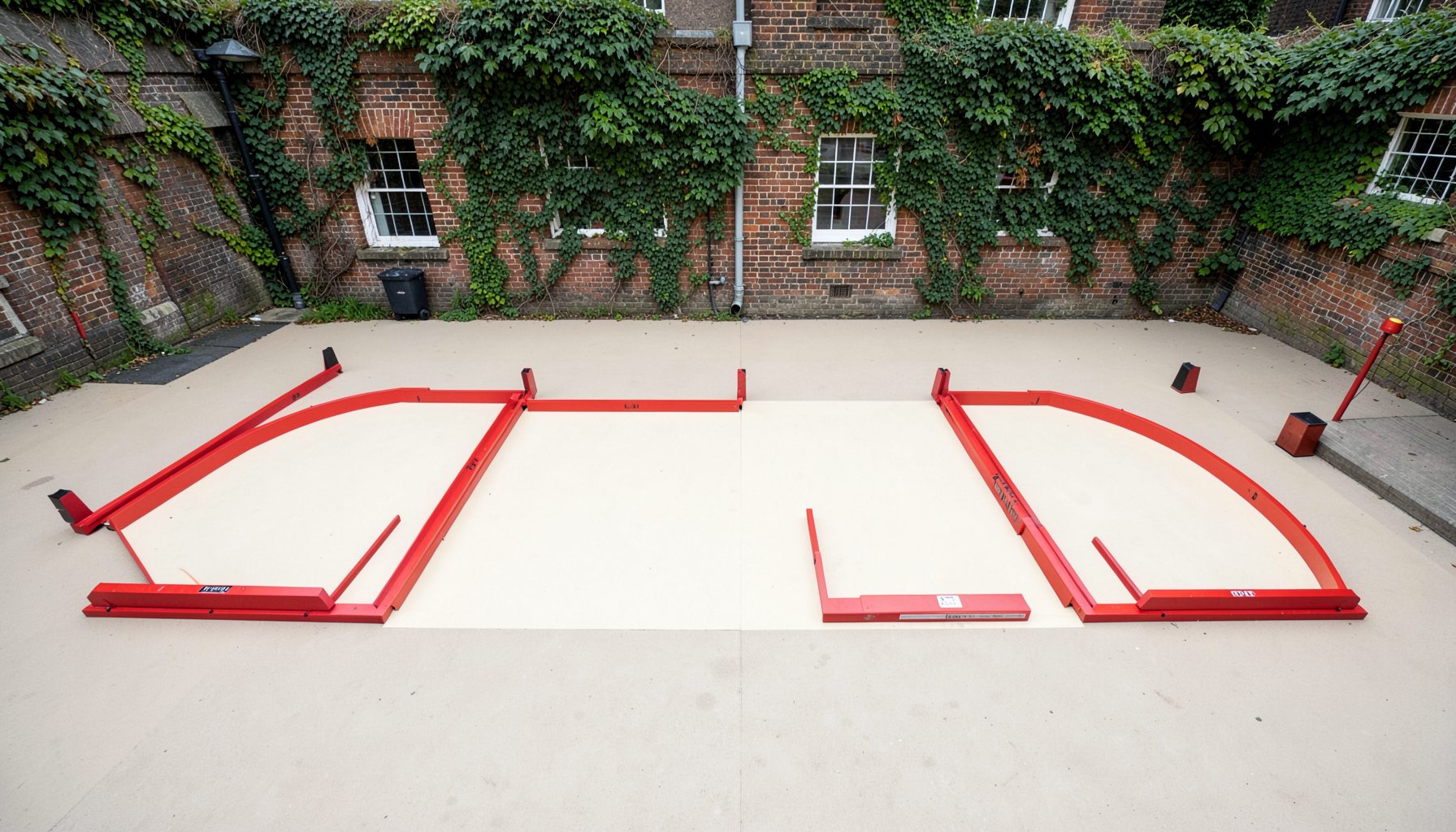
Inspect a venue before the first session. Check wall surfaces, floor grip, lighting, ventilation, ceiling height, changing facilities and emergency access. Confirm whether the court is suitable for formal Rugby Fives or only for introductory activities. A marked or adapted space can be useful for learning, but players should understand when a session is recreational and when it follows recognised competition conditions.
Set up safe and welcoming sessions
A qualified coach or experienced Rugby Fives player can make the first few sessions far more enjoyable. Beginners need an explanation of the court, legal hand strikes, serving, scoring, rebounds and safe positioning. They also benefit from short demonstrations followed by simple drills. The aim is to get people moving quickly without overwhelming them with every tactical detail.
Keep the first session to around 45 or 60 minutes. Allow time for a warm-up, basic hand-eye coordination, controlled rallies and short games. Use doubles to help new players settle in and reduce the pressure of covering the whole court. Rotate partners so that experienced players support newcomers rather than forming a separate advanced group.
Safety planning should cover footwear, hydration, warm-up exercises, first aid and reporting injuries. In hot parts of Australia, an evening booking may be more comfortable than an afternoon session, particularly in Brisbane or Perth during summer. For outdoor travel between buildings or venues, remind participants about sun protection. A workplace club should also establish an emergency contact process and check the venue’s public liability arrangements.
Create a rhythm people can maintain
Consistency matters more than a busy launch. Choose a regular day and time, then publish sessions several weeks ahead through the organisation’s calendar, Teams channel, Slack group or staff newsletter. A recurring Wednesday arvo session, for example, is easier to remember than a series of irregular bookings. Keep attendance simple with a shared sign-up form and a waiting list when court capacity is limited.
Use a gradual pathway for players at different levels. A typical month might include a beginner skills session, a social doubles night, a coached practice and an internal round-robin. This gives new members a comfortable entry point while retaining colleagues who want stronger competition. Friendly ladders can provide motivation without creating a win-at-all-costs atmosphere.
Make the club accessible to people who do not identify as serious athletes. Offer racquet-free sessions with venue-provided equipment, explain that fitness levels will vary and avoid assuming everyone knows squash, handball or racquet-sport etiquette. In Australian offices, a shared coffee or casual meal after an evening fixture can help turn a weekly activity into a genuine workplace community.
Connect the club to the wider sport
Once attendance is stable, appoint a small committee or working group. Useful roles include a coordinator, venue manager, treasurer, communications contact and safety officer. The group does not need complex administration at the beginning, but written responsibilities prevent every task from falling to one enthusiastic organiser.
Ask the Rugby Fives Association about affiliation, coaching support, rankings, fixtures and opportunities to attend championships or tournaments. A developing club might first enter a social event, then arrange an inter-office match or connect with a nearby school and community program. Players travelling between Melbourne, Sydney or other centres may also find opportunities to join established competitions when work takes them interstate.
Set a modest budget for court hire, coaching, balls, first aid supplies and occasional social events. Membership can be free during a trial period, followed by a small seasonal contribution once regular costs are known. Keep records of attendance, results and new-player progression. These records help demonstrate value to workplace sponsors and can contribute to the sport’s broader participation history.
| Venue option | Strengths | Points to check | Best use |
|---|---|---|---|
| School or university court | Often suitable for organised sport and coaching | Term dates, child-safety requirements, access hours | Training and structured development |
| Commercial racquet-sport centre | Bookable facilities and changing rooms | Court dimensions, wall suitability and hire cost | Regular social sessions |
| Workplace or community venue | Convenient for staff and local outreach | Whether the space meets safe playing conditions | Introductory activities |
| Established Rugby Fives club | Experienced players, guidance and competition links | Travel time and session availability | Coaching, fixtures and player development |
The next step is straightforward: survey colleagues, contact the Rugby Fives Association and shortlist two realistic venues. Start with a small trial block, communicate clearly and welcome beginners from the first rally. With dependable sessions and shared responsibility, a workplace group can become a lasting Australian Rugby Fives club that connects staff with clubs, coaches and the wider sport.