



Building a Rugby Fives Programme for Young People
Rugby Fives can give a youth centre a distinctive, energetic activity that develops movement skills, confidence, concentration, and social connection. The game needs little equipment, works in a relatively small court, and can welcome beginners alongside experienced players. That makes it suitable for after-school provision, holiday activities, youth clubs, and community sport sessions.
A successful programme starts with a clear purpose. Decide whether the main aim is recreation, physical activity, competitive development, school engagement, or a mixture of these. A defined purpose will shape the timetable, coaching style, safeguarding arrangements, partnerships, and measures of success.
The Rugby Fives Association can help connect a youth centre with clubs, coaches, competitions, and local knowledge. Early contact can also clarify court requirements, playing formats, junior opportunities, and routes into regular fixtures.
Define the local need
Begin by learning what young people at the centre want to do. Speak with participants, youth workers, parents, schools, and local sports coordinators. Find out which age groups are interested, when they are available, whether transport is a concern, and what prevents them from joining existing activities.
Rugby Fives can appeal to young people who enjoy racket sports, indoor games, football, athletics, or informal challenges with friends. It can also suit participants who do not feel comfortable in large team sports. Sessions should be welcoming to different confidence levels, physical abilities, and previous sporting experience.
Set practical targets for the first term. These might include recruiting 12 regular participants, delivering one weekly session, training two volunteers, or entering a local festival. Small, measurable goals make it easier to demonstrate value to trustees, funders, schools, and families.
Build support and a safe framework
A youth centre programme needs a responsible adult structure before the first session. Identify a programme lead who can manage attendance, communication, equipment, and partnerships. Coaches and volunteers should understand the centre’s safeguarding policy, reporting procedures, emergency arrangements, and expectations around professional conduct.
Complete the required risk assessment with the venue manager. Consider court surfaces, walls, lighting, ventilation, entrances, changing areas, supervision, medical needs, and how participants will move around the building. Rugby Fives is a fast game, so clear boundaries and an explanation of safe play are essential.
Check insurance, consent forms, photography permissions, first-aid cover, and registration requirements. Keep records proportionate but consistent. Attendance data, incident logs, parental contacts, and progress notes will help the programme remain organised and accountable.
Prepare the court and equipment
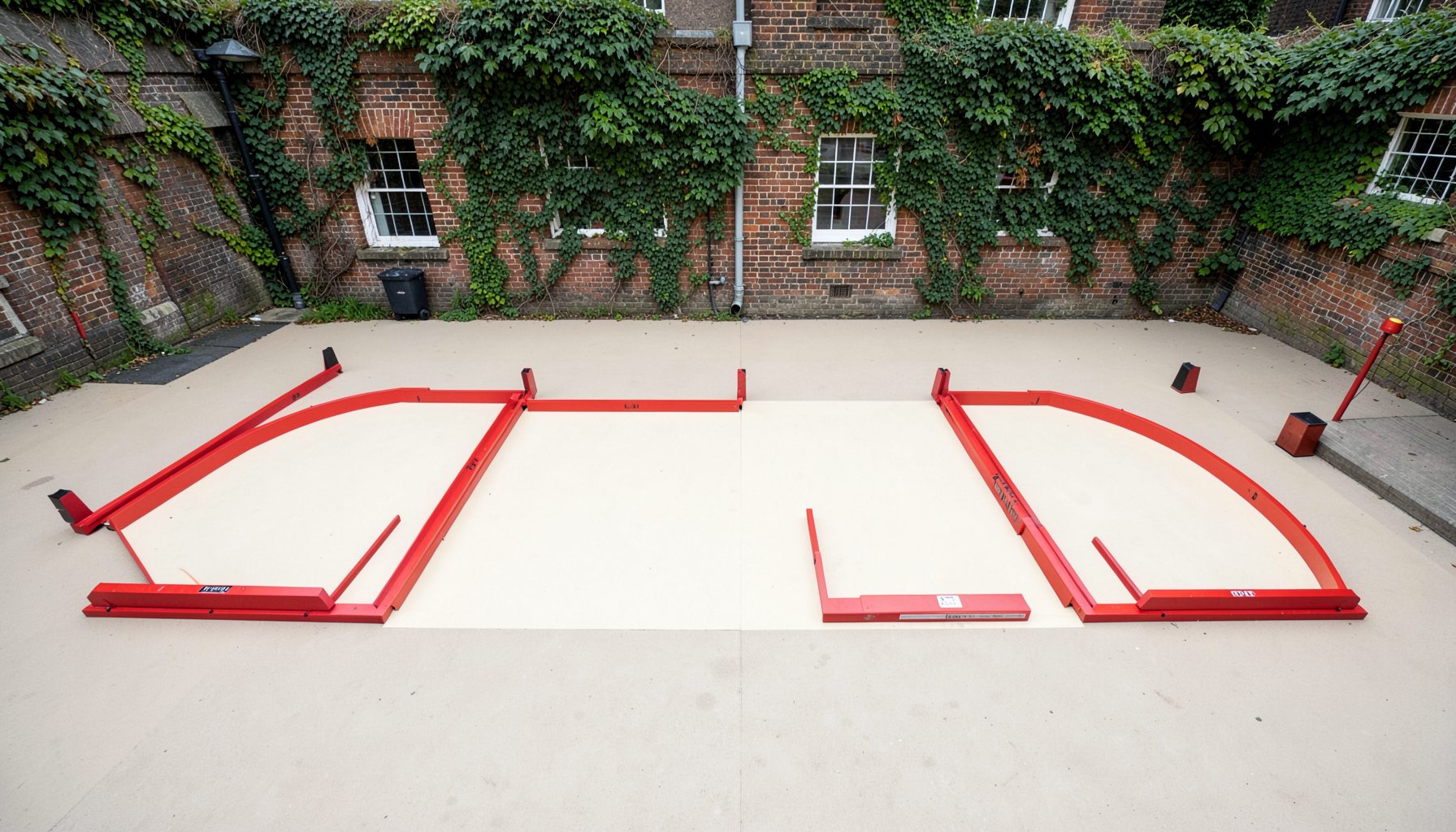
The ideal venue is a recognised Rugby Fives court, but a youth centre can begin by exploring suitable indoor spaces with safe walls and a durable floor. The court must allow players to move freely without contact with furniture, exposed fixtures, or other activities. A qualified or experienced coach should assess whether a proposed space is appropriate before regular delivery begins.
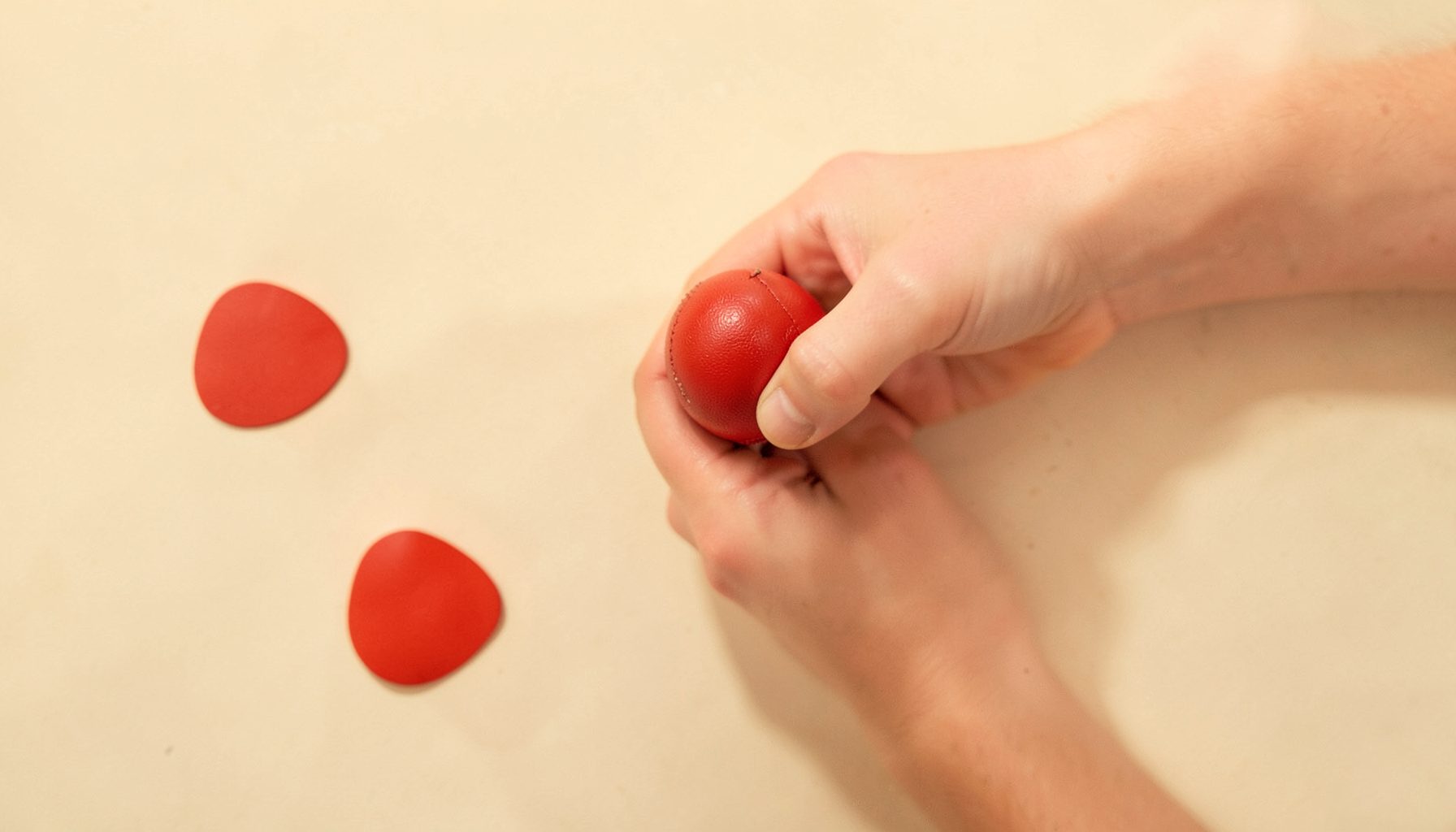
Equipment requirements are modest. Players generally need suitable non-marking sports shoes and comfortable clothing. The centre may provide balls, cones, bibs, cleaning supplies, first-aid equipment, and water access. Depending on the format and venue, protective eyewear may be appropriate, particularly for beginners learning to react to a fast-moving ball.
| Area | Practical starting point | Why it matters |
|---|---|---|
| Venue | A safe indoor court or assessed multi-use space | Provides controlled conditions for movement and supervision |
| Equipment | Rugby Fives balls, cones, bibs, stopwatch, first-aid kit | Supports drills, games, and safe session management |
| Staffing | One lead coach plus a trained assistant or volunteer | Improves observation, inclusion, and safeguarding |
| Timetable | A consistent 60–90 minute weekly slot | Helps families and participants build a routine |
| Progression | Skills sessions, internal games, then festivals or fixtures | Gives young people achievable next steps |
| Evaluation | Attendance, feedback, confidence, and skill development | Shows whether the project is meeting its aims |
If the centre lacks a permanent court, consider a pilot delivered through a nearby school, independent school, university, club, or sports facility. A partnership can provide better playing conditions while the youth centre contributes outreach, volunteers, and local access.
Recruit coaches and participants
A coach does more than explain rules. They create a positive environment, adapt activities, notice when someone is struggling, and help participants understand how practice connects with game play. Seek a coach with Rugby Fives knowledge and experience working with children or teenagers. Where possible, pair that person with a youth worker who knows the group well.
Recruit participants through school visits, centre newsletters, local clubs, social media, posters, and direct conversations during existing activities. Use plain language to describe the sport. Explain that beginners are welcome, sessions are active, and participants can learn at their own pace.
The first block should avoid making competition the sole attraction. Short challenges, cooperative rallies, target games, movement exercises, and small-sided activities allow everyone to experience early success. Offer adaptations for different abilities, including slower balls, shorter rallies, additional demonstrations, and extra recovery time.
Plan engaging weekly sessions
A reliable session structure helps young people feel secure while leaving room for variety. A 60-minute beginner session might begin with a welcome and movement warm-up, followed by ball-control activities, a simple technical skill, a game-based challenge, and a cool-down. For older or more advanced participants, the session can include tactics, positioning, serve and return practice, and longer competitive games.
Introduce rules gradually. Start with striking technique, court awareness, safe spacing, and how to keep a rally going. Then develop anticipation, movement to the ball, defensive recovery, and decision-making. Coaches should explain why a skill matters rather than expecting young players to repeat movements without context.
Create a progression pathway that gives participants a reason to return. Internal ladders, personal skill targets, friendly matches, school competitions, club visits, and local Rugby Fives events can all provide milestones. Celebrate improvement, teamwork, attendance, and encouragement as well as winning.
Make inclusion part of delivery
Inclusive practice should be designed from the beginning rather than added after problems arise. Ask families about access needs, religious or cultural considerations, communication preferences, and medical information during registration. Make sure fees, clothing expectations, transport, and session times do not create avoidable barriers.
Use demonstrations, concise instructions, visual cues, and repeated explanations. Some young people will respond best to individual feedback, while others may learn through watching a peer. Pairing participants thoughtfully can support confidence, provided stronger players are not repeatedly expected to teach without recognition or support.
A welcoming programme also reflects the local community in its staffing and promotion. Invite young leaders to help with warm-ups, scoring, equipment, or peer encouragement. With suitable training and supervision, this can build leadership skills and create a sustainable volunteer pathway.
A practical launch checklist
Use the first six to eight weeks as a pilot. Review attendance and feedback after each session, then make modest changes rather than redesigning everything at once. A short feedback form, informal conversations, and coach observations can reveal whether the pace, timing, cost, and difficulty are working.
Before launch, confirm that the following actions are complete:
- Appoint a named programme lead and an appropriately trained coach.
- Complete safeguarding, consent, first-aid, insurance, and venue risk procedures.
- Secure a consistent court or assessed indoor space with suitable lighting and flooring.
- Prepare balls, cones, bibs, attendance records, and accessible session plans.
- Promote the activity through schools, families, youth workers, clubs, and community partners.
After the pilot, share a brief report with the youth centre’s leadership and partners. Include participation figures, examples of progress, photographs where consent allows, participant comments, and the next development priorities. A clear record can support grant applications and encourage the venue to protect the session in its long-term timetable.
Keep the programme moving
Growth should follow demand and capacity. Once weekly sessions are stable, the centre might add a second age group, a girls’ or mixed development session, holiday camps, coach education, or a pathway into a nearby Rugby Fives club. Avoid expanding faster than the available coaching, court time, and safeguarding systems can support.
Build relationships with the Rugby Fives Association, local schools, clubs, and other youth organisations. These connections can provide advice, friendly competition, volunteer opportunities, rankings or results pathways, and a wider sense of belonging. Young players are more likely to remain involved when they can see how a local session connects with the national sport.
A youth centre can make a lasting contribution by giving participants their first experience of Rugby Fives. Begin with a safe, welcoming pilot, listen carefully to young people, and develop the programme through steady partnerships. Contact the Rugby Fives Association to discuss suitable local support, coaching links, competitions, and ways to turn the first session into a thriving community pathway.